Days 71 thru 73
(Rhia’s comments are italicized)
Leaving lake Kariba was a little sad. The room and luxury was really nice. The climate was ideal. The hospitality relaxing. But we do have a little bit of a deadline concerning the vehicle, and needed to start making our way north back to Lusaka.
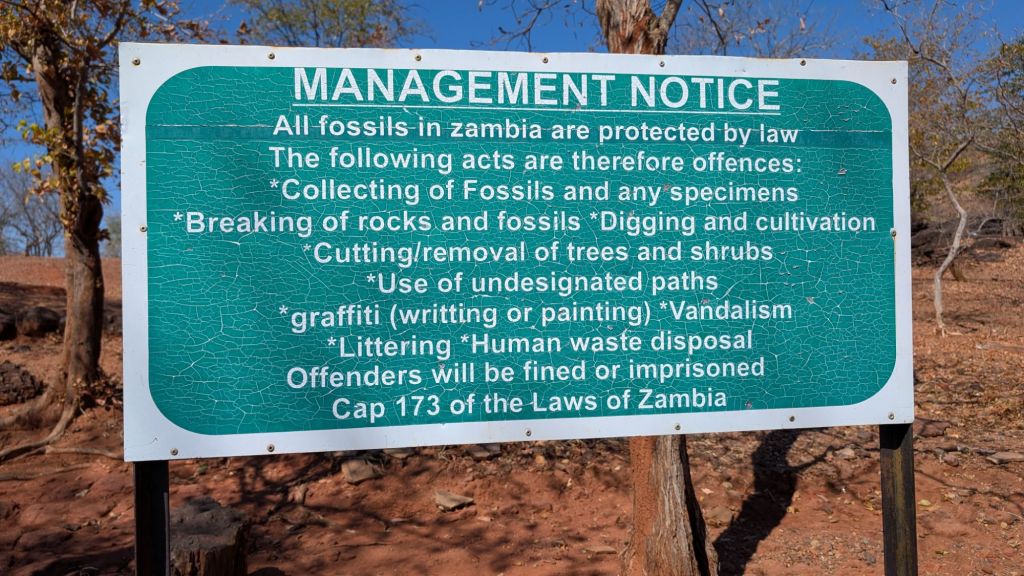
Directly along our journey back was the Chirundu Petrified Forest National Park. The highway splits the park in two, and before it was recognized as a national park, people had already built a village. When we arrived, we were the only visitors. There was no visitor center or parking lot, just a sign that marked it as the park. Fortunately, the park director, Amos, walked out from one of the huts, introduced himself, and then gave us a tour.
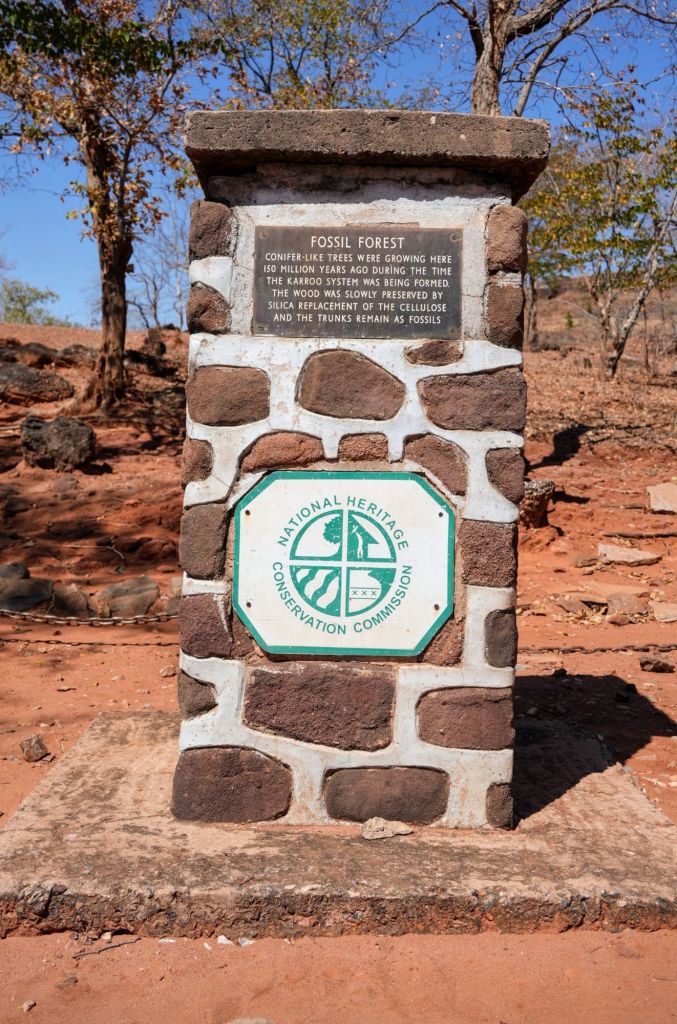

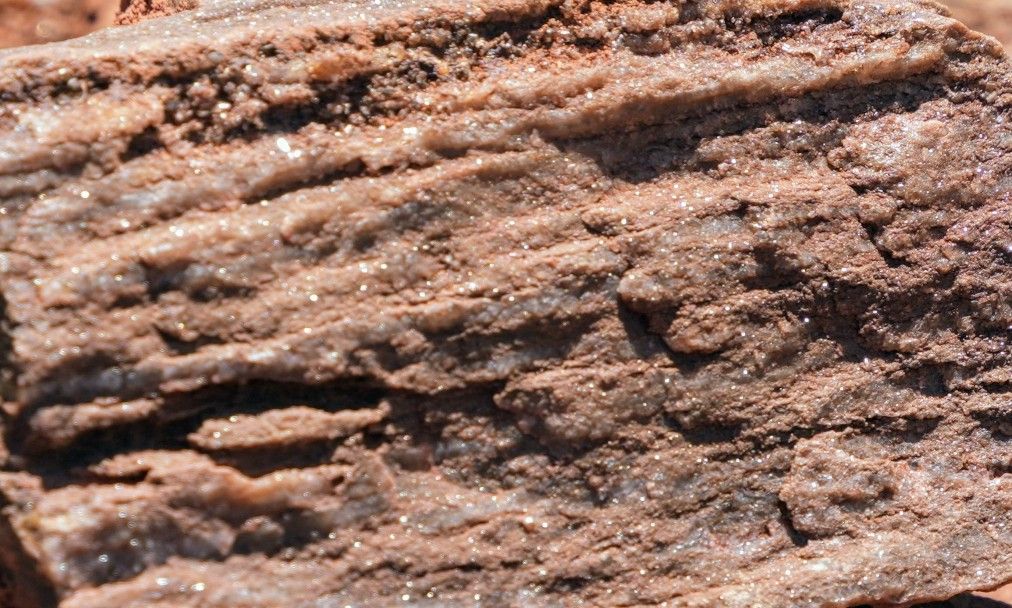
150 million years ago these conifers once grew in this area. They eventually died and got covered in water and sentiment. The silica in the sentiment slowly replaced the cellulose in the wood creating these petrified specimens exposed all over this village.


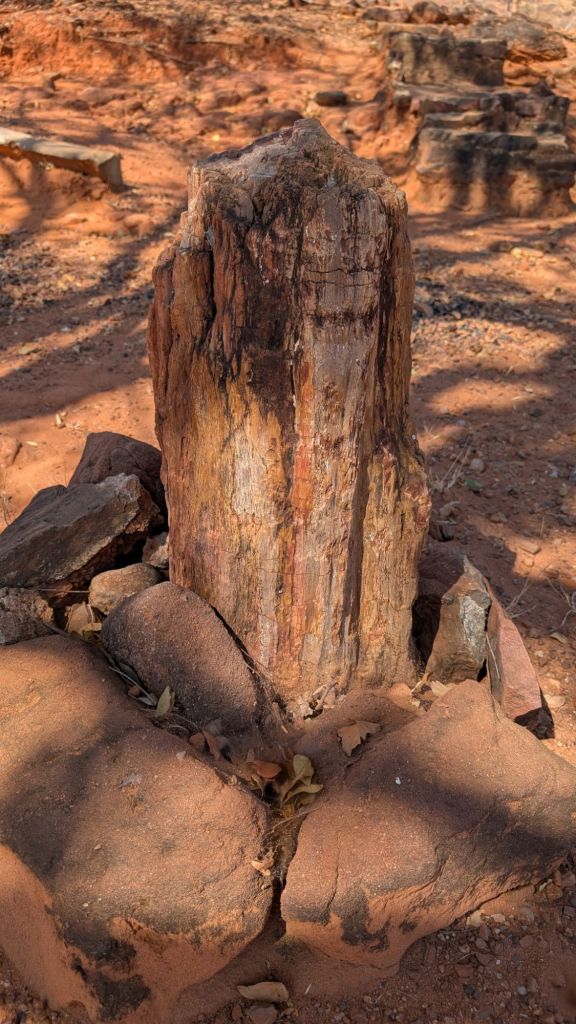
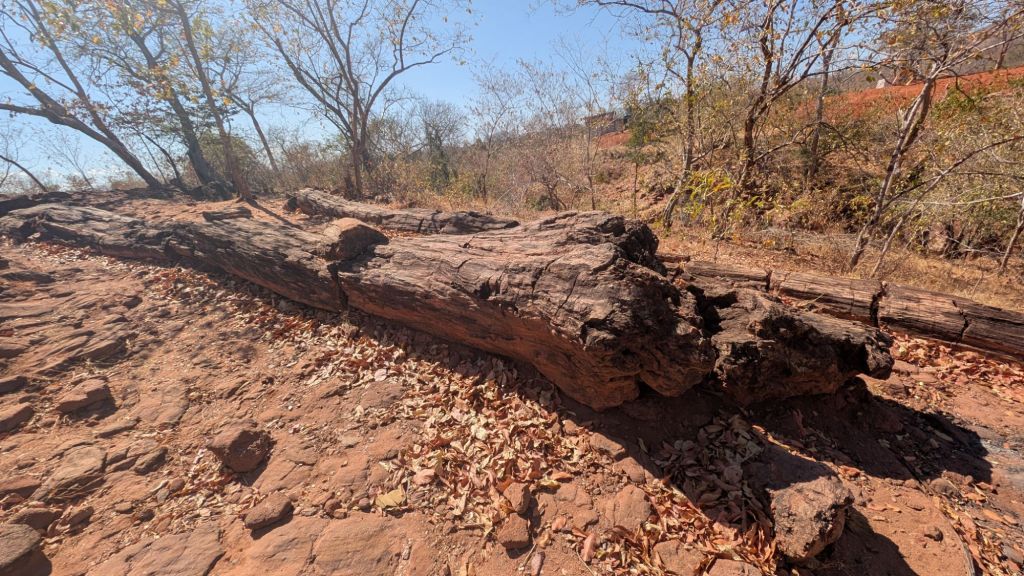
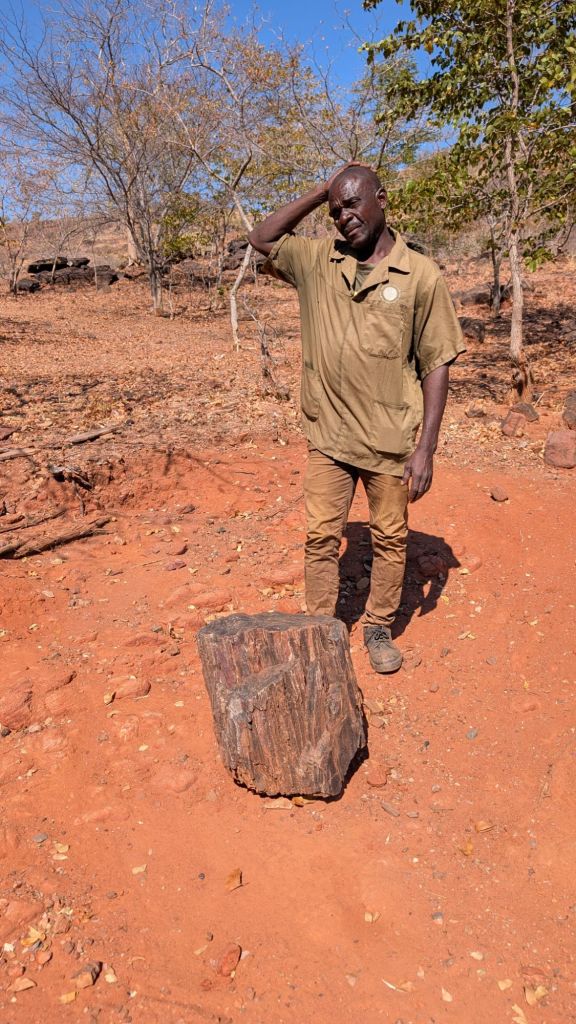
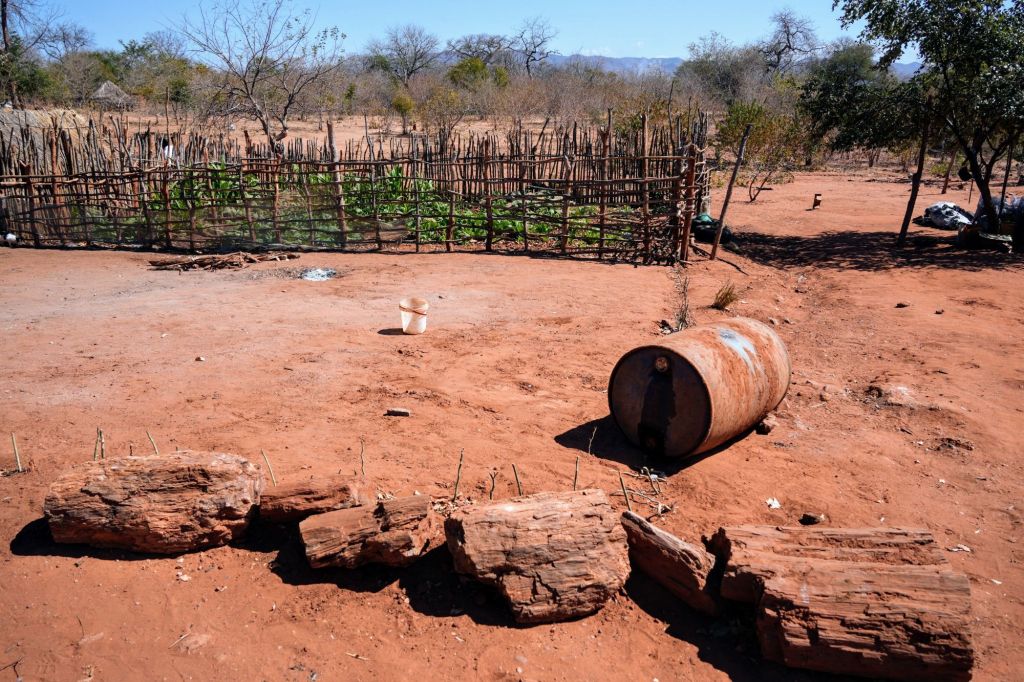
One of the things I kept wondering about as we wandered around the site was what will be found below the surface when the site is excavated for real. Will new dinosaurs be discovered? Will they discover more about homo sapien development and history? The potential here is overwhelming.
While driving to Lusaka, Rhia noticed that Google was indicating that the remaining 30 kms were going to take an hour??? And it was right!!! The streets were completely gridlocked. None of the traffic signals worked, so there was no organization at the intersections. And the street vendors were out in force as well.
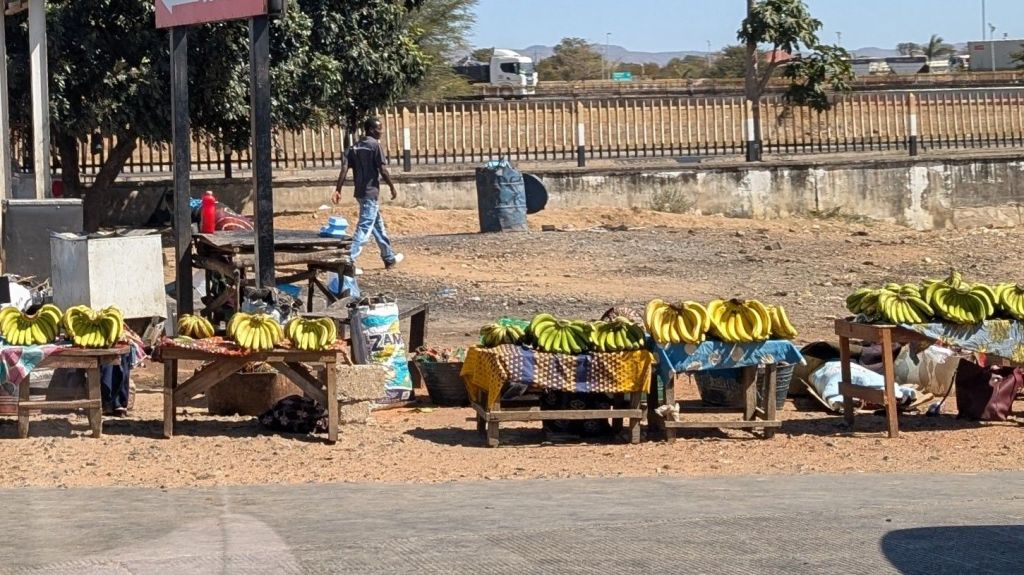
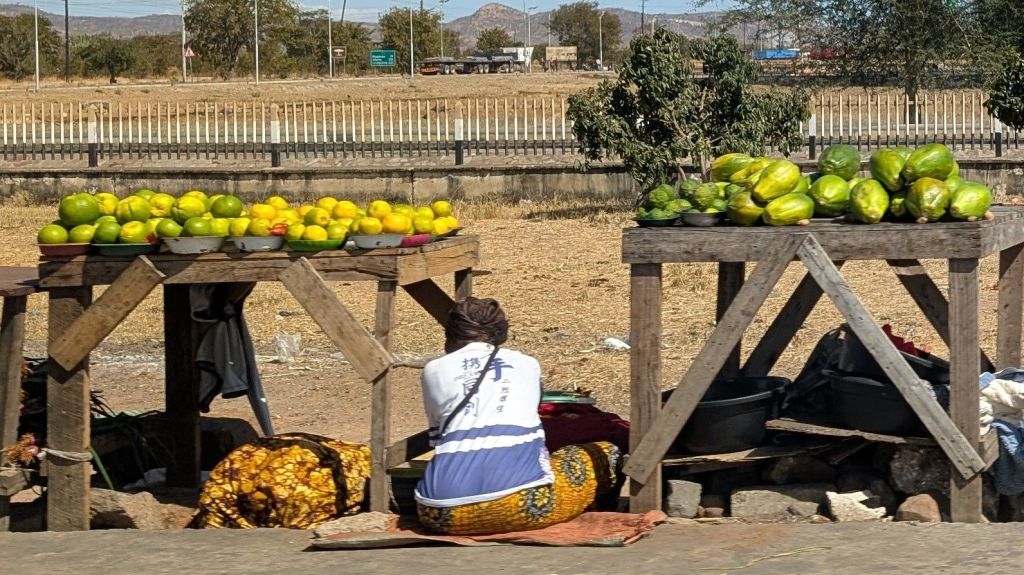
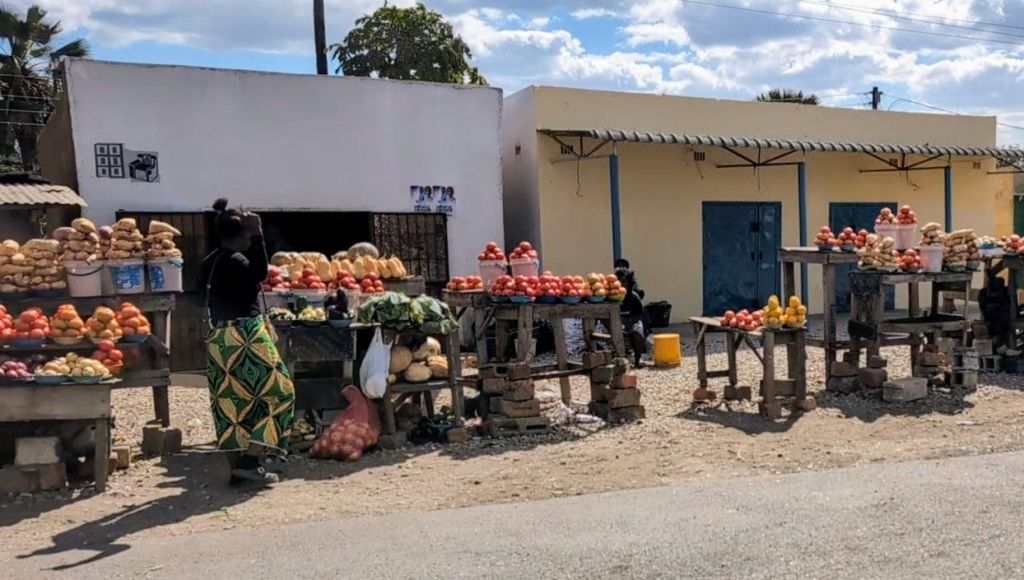

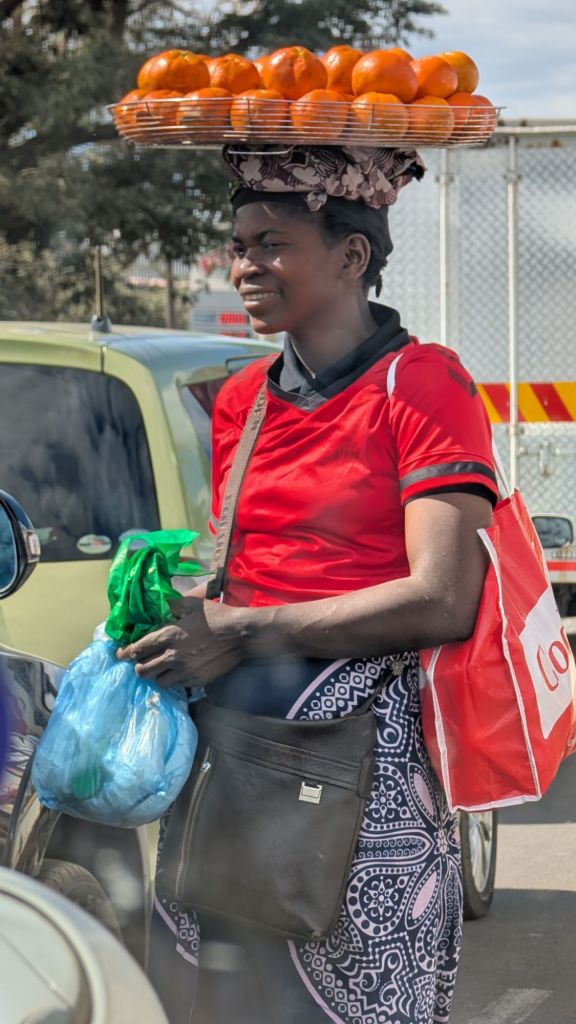
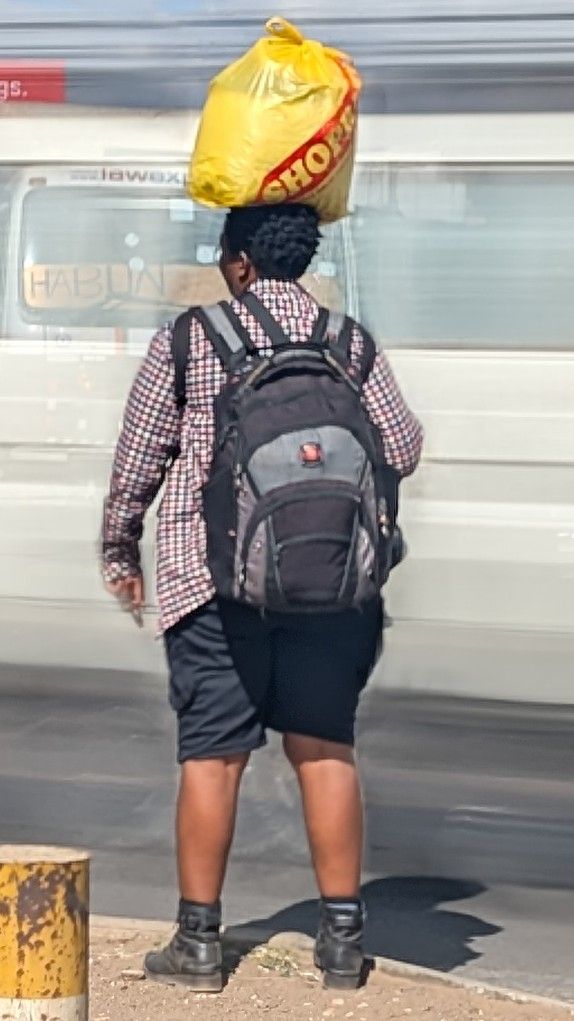
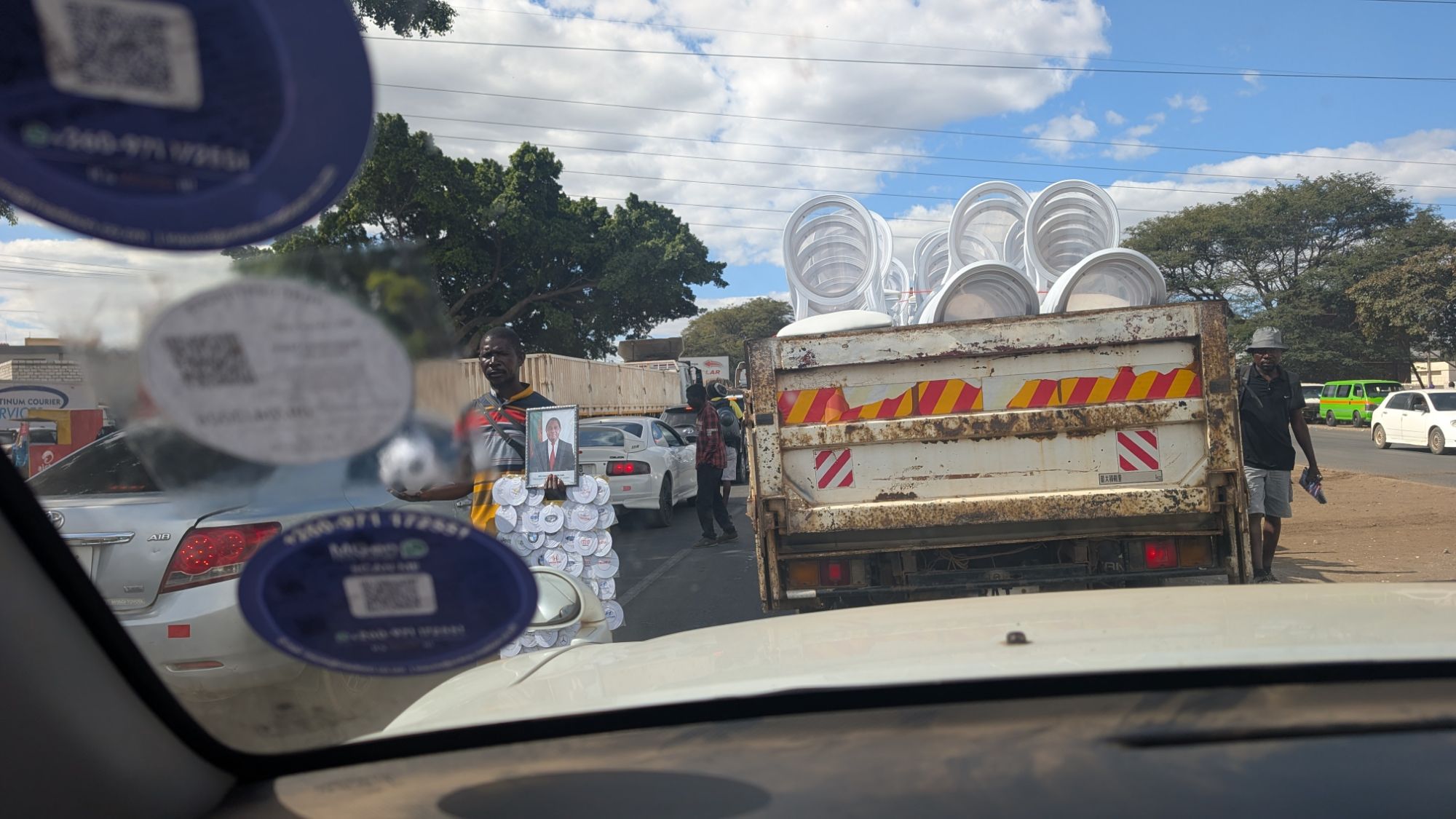
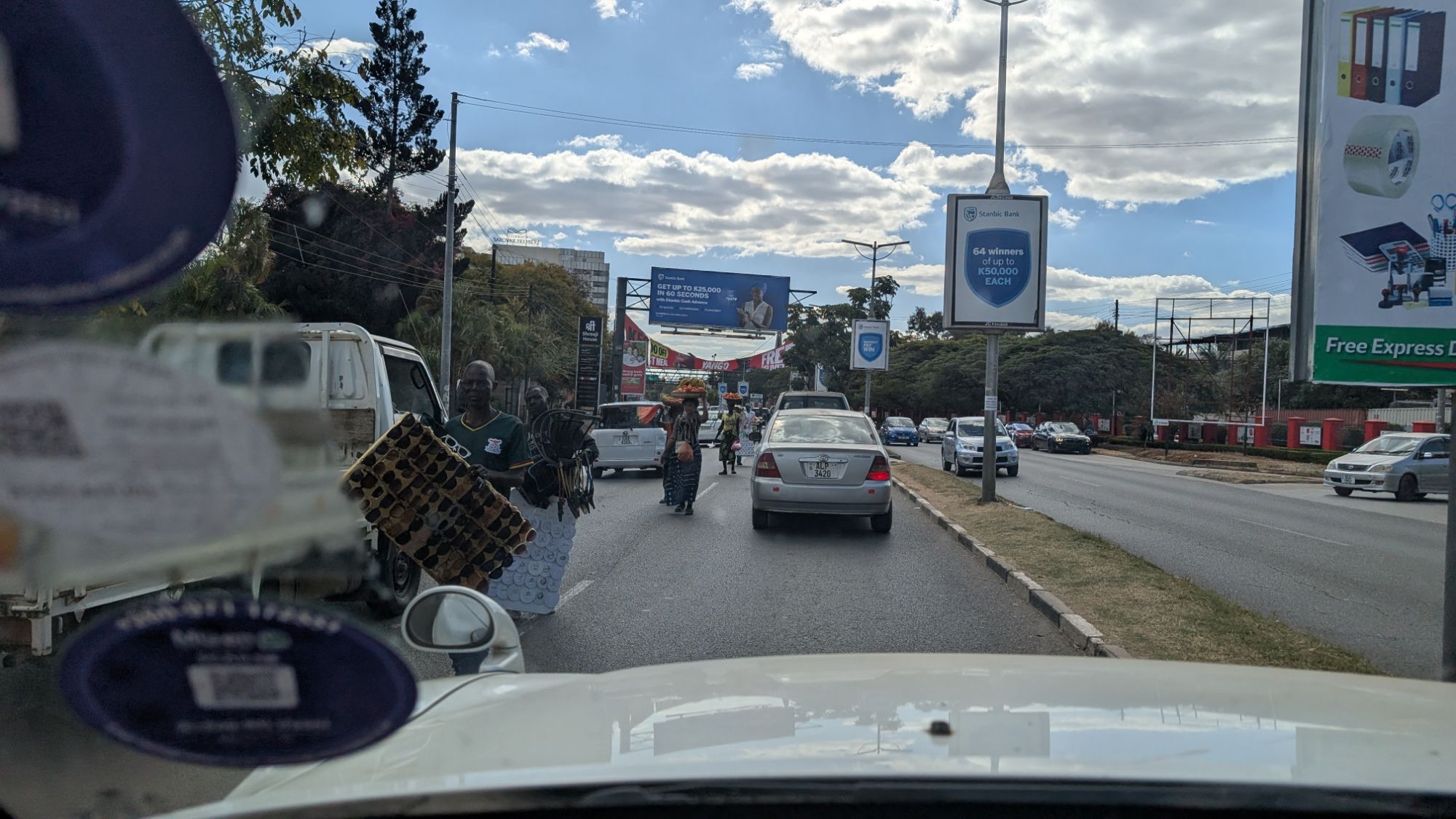
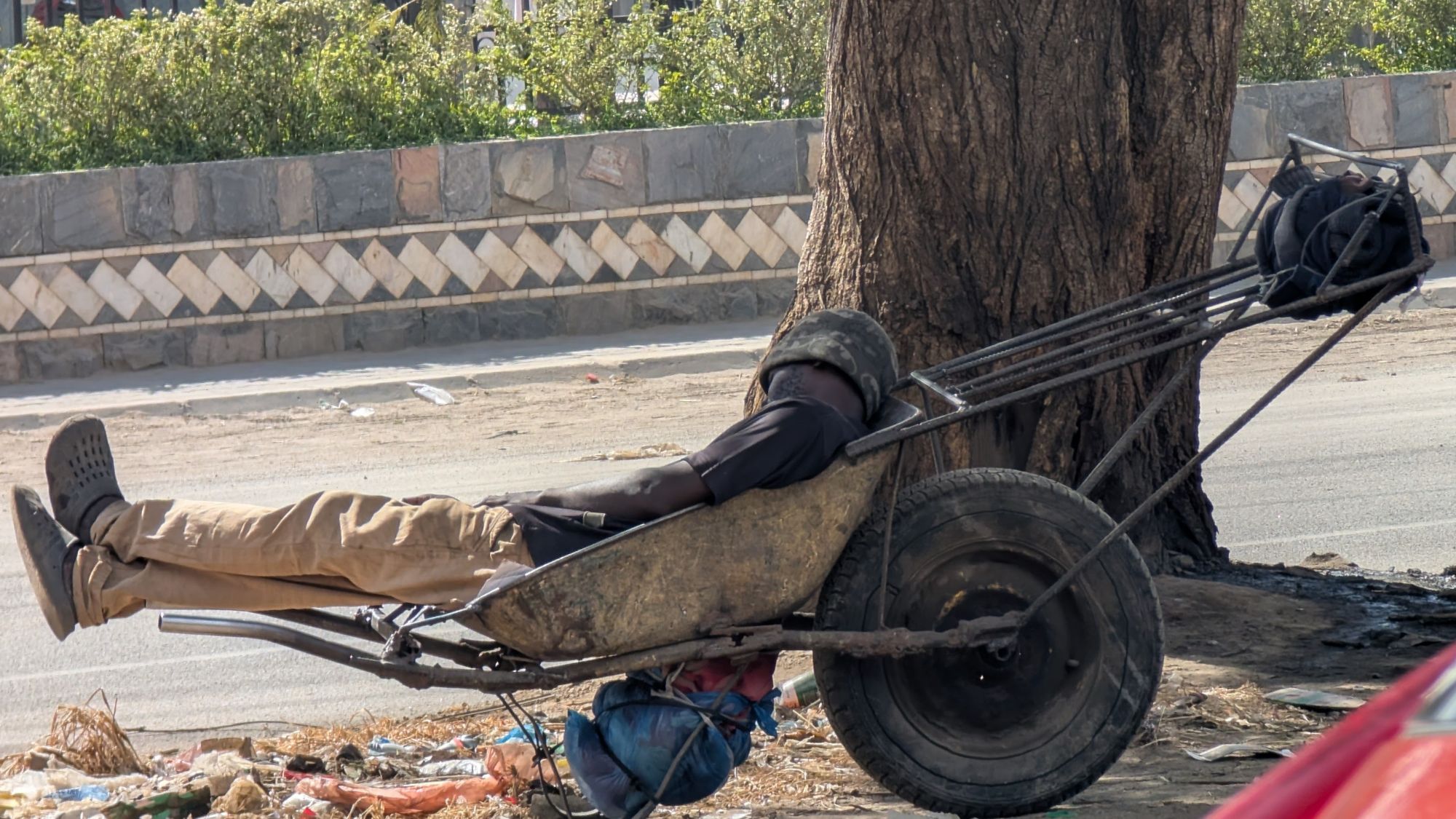
But we eventually arrived in the vicinity of where we wanted to stay. There were plenty of lodges, it was just a matter of visiting each one to choose a comfortable bed. We settled on Chita Lodge, because of the “Authentic African Lodging”! The artwork was beautiful…if only the electricity and water was reliable!
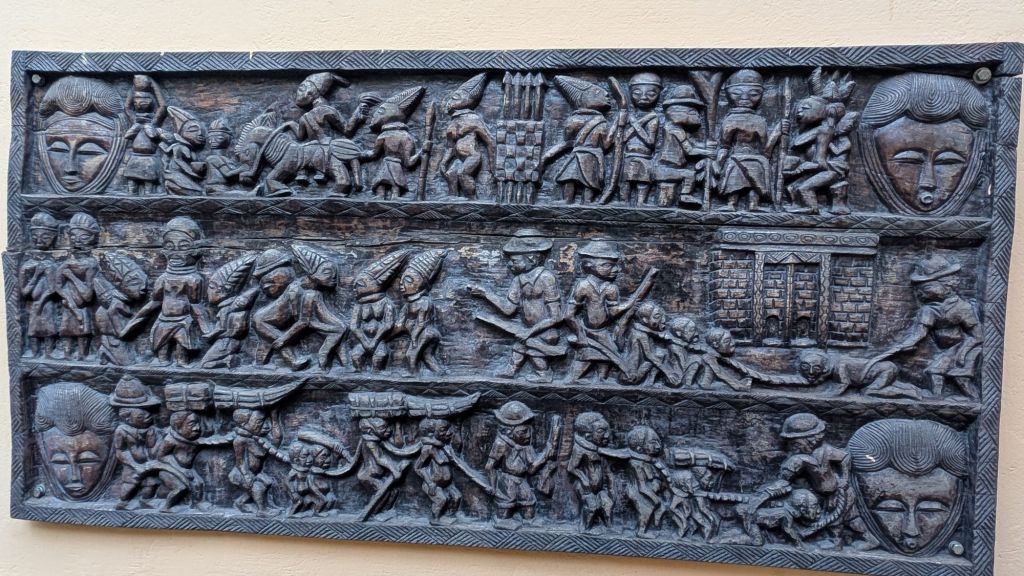
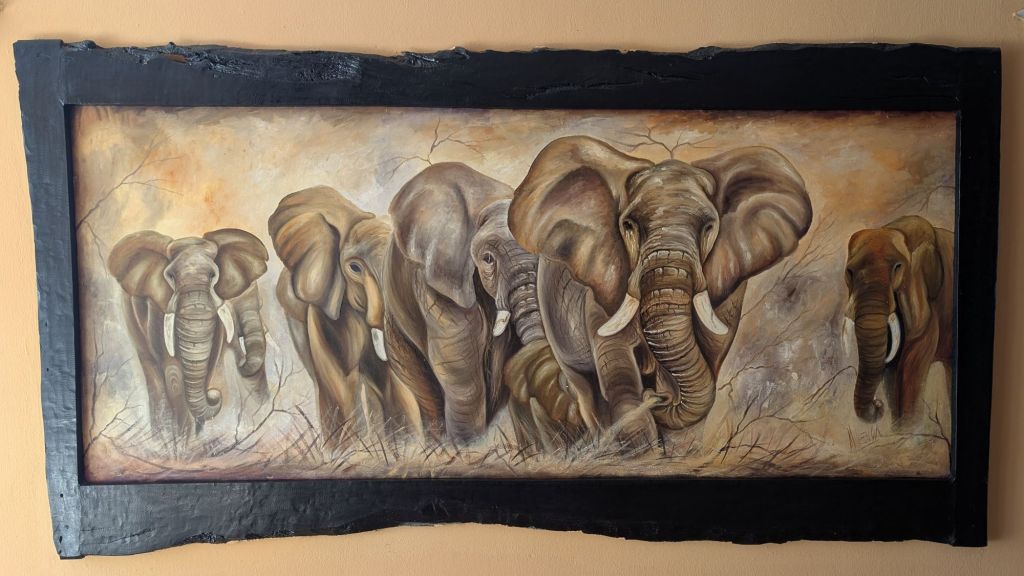

The place is really nice. Hot water when the water works, and good Internet when the electricity is on. We learned last time at the other place, that electricity in Lusaka is intermittent at best. But at least there’s no mold in this place.
Last week we visited the biggest national park in Zambia, Kafue, and so we decided to visit the smallest; Lusaka National Park. It opened in 2015 and is home to over a 1000 species on animals including white rhino, giraffe, eland, hartebeest, zebra, sable, kudu, blue wildebeest, waterbuck, black lechwe, impala, puku, bushbuck, reedbuck, warthog, pangolin, and axis deers. All of them contained within 67.15 km². And I’m not kidding when I tell you that this was the only picture of an animal that we were able to take.
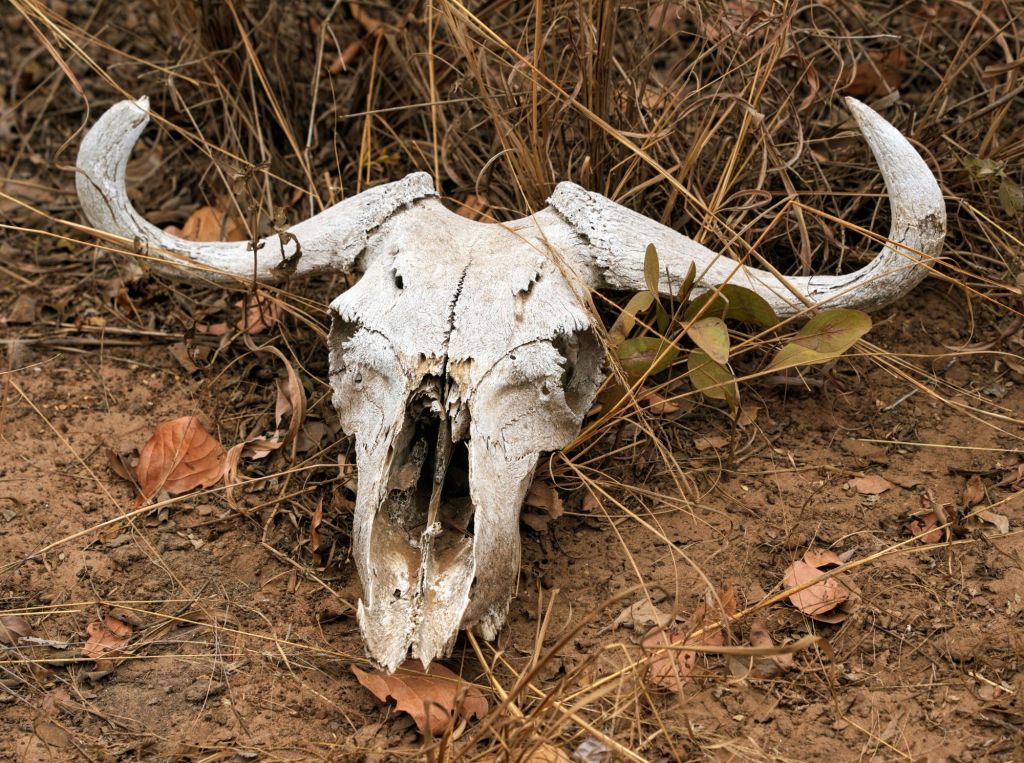
I’m sure that there were animals there, somewhere. We saw antelope, but in the bushes. We saw what we jokingly call THE giraffe, way off in the distance. The only birds I saw were helmeted guinea fowl running away. We were really unlucky. Safaris are hit and miss; sometimes you’re really lucky, and other times not. Although I was disappointed, our experience prompted us to decide to go to Kruger again as we pass through S Africa next week on our way to Mozambique.
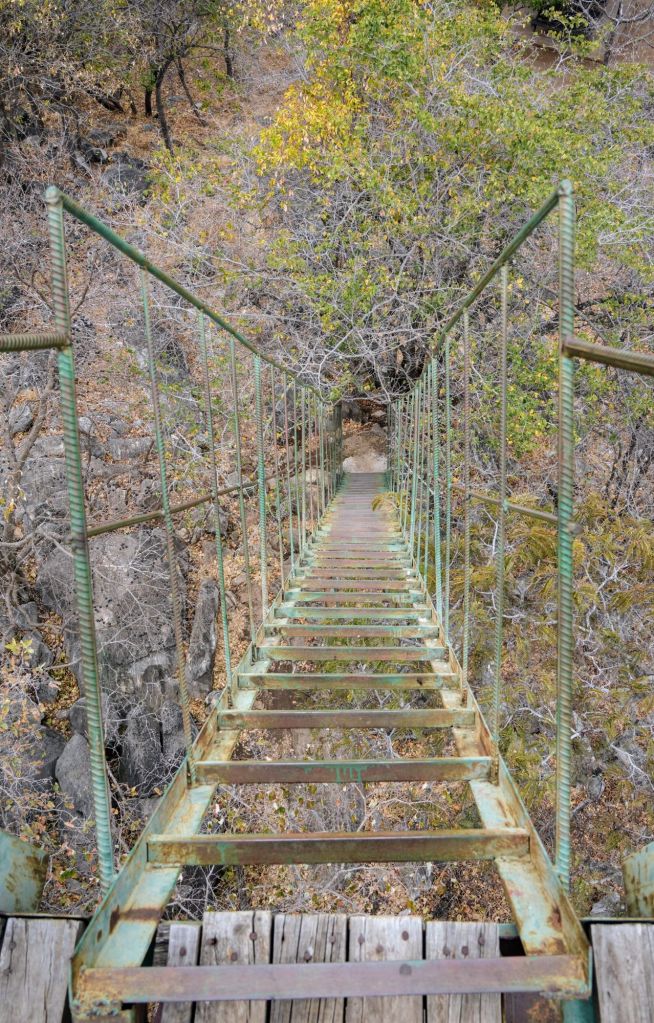
I did get to climb a tower, though.


After returning the car, we walked to a western style, indoor mall. The shops were pretty similar to what you would find at any American mall. Jewelry stores, high-end clothing stores, VR game center, cinema, and an anchor store called Game, which is very similar to a Walmart or Target in the US. The mall did have a lot of people walking through it, which was different than the deserted malls we visited in Maun (Botswana) and Grootfontein (Namibia). Lusaka is certainly trying to westernize with the main roads and shopping experiences, but I think that the city has an incredibly difficult obstacle to overcome with its electrical infrastructure. Beautiful roads become ugly when you have to aggressively manage the constant gridlock from all manor of obstacles. Hopefully that can eventually get that fixed.
Also confusing to me in Africa is the difference in lifestyle between the ‘haves’ and ‘have nots’ And it’s not dictated by color, but by SES (for example, we only saw one white person other than ourselves at the mall). I’m trying to separate race from SES to make sense of what we’ve seen in every African country so far, but I’m not sure I’m succeeding. Or, maybe, these African countries have progressed more than I expected and people have broken free from the shackles of race and swapped them for the shackles of SES.
Making sense of animal behaviors is so much easier!!!


 Designs by Rhia
Leave a reply to Dr. Rhia Cancel reply