Days 41 thru 43
(Dan’s comments are italicized)
We left Bulawayo and headed eastward in our little car, toward Masvingo (the gateway to Great Zimbabwe). It’s a 280 km journey and I was shocked to note that the hills were granite all the way along! It shocks me even more that I’ve driven this road before and either didn’t notice (the arrogance of youth?) or did notice, but forgot (the reality of old-age!) Either way, I’m shocked 😳 😂
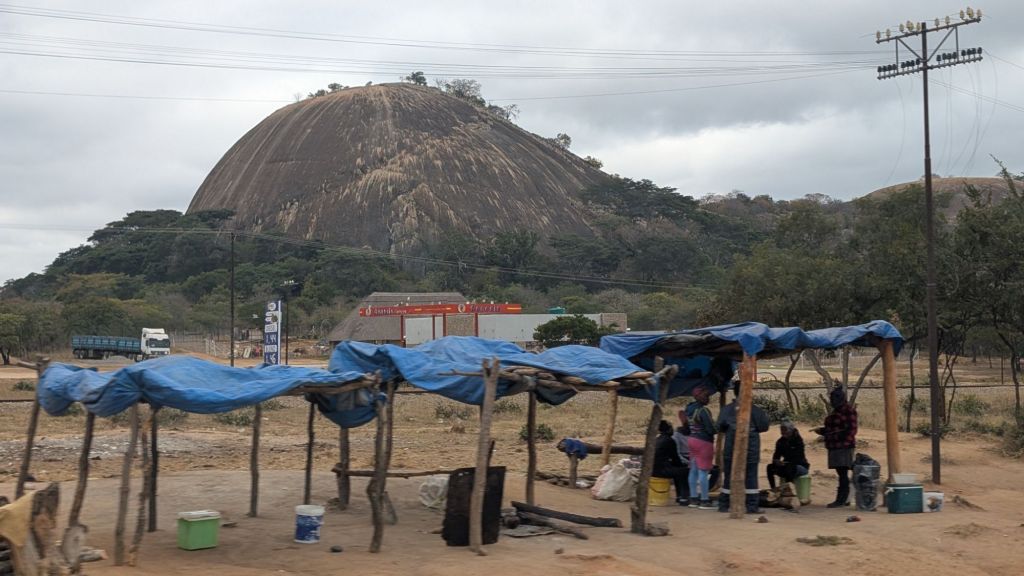
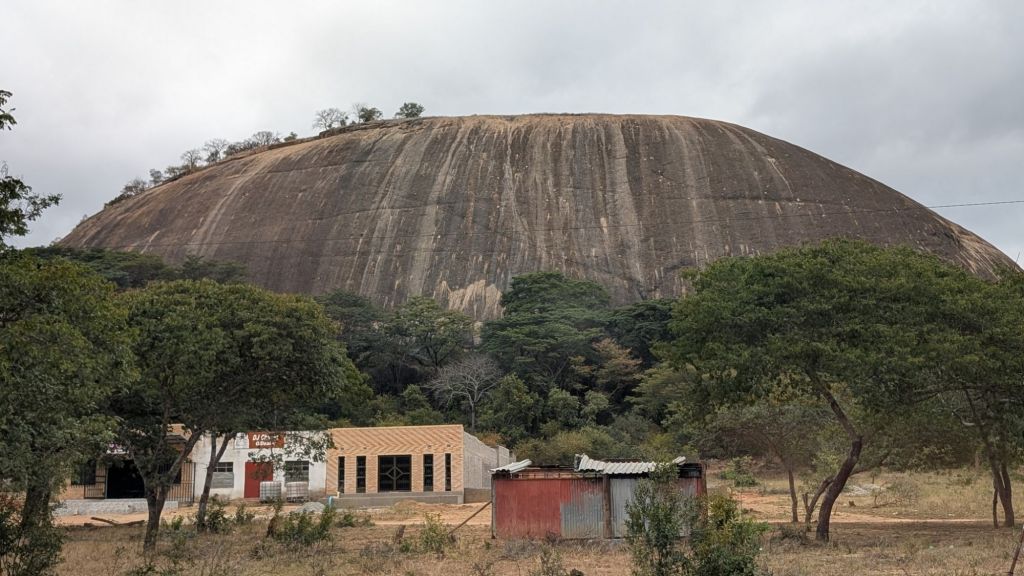
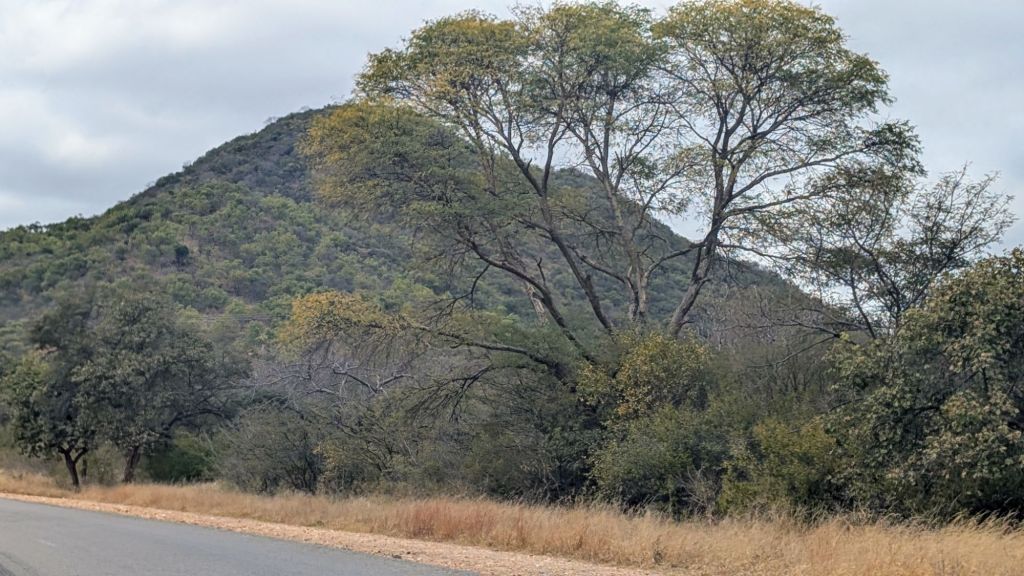
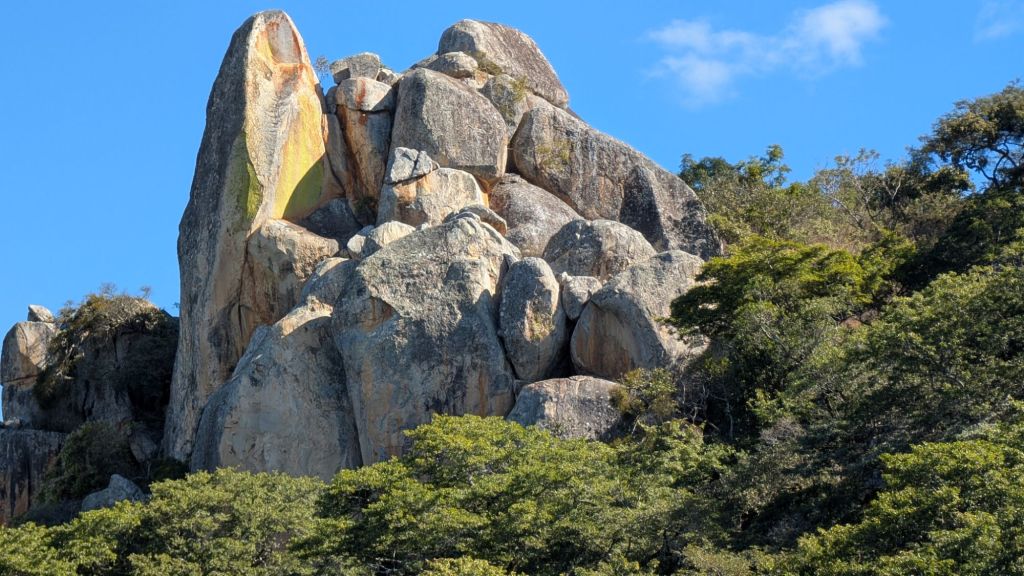
I then went on a quest to learn more about granite (other than knowing how to choose it for the kitchens we remodel). Granite is magma that was formed deep in the earth and cooled slowly. AI overview informed me: “Zimbabwe has numerous granite hills due to its geological history, specifically the presence of ancient granitic intrusions that have been exposed and sculpted by weathering and erosion over millions of years. These granitic formations, often referred to as bornhardts, are the result of deep-seated intrusions that cooled and solidified over time. Subsequent uplift and erosion of the surrounding rock have revealed these resistant granite formations, resulting in the characteristic landscapes of rounded hills, kopjes (small hills), and balancing rocks seen across the country.” Wow!
As is our wont, we aren’t staying in a posh place in Masvingo; experiencing the culture is as important to us as us seeing the sights. We’ve been in town for 3 days by now and have yet to see another white person! But we’re not daft enough to believe we’re getting the full authentic experience; for that, we’d have to sell penny candies (or whatever) on the street to try to make enough money to feed our families. For example, we had a lovely breakfast at this cafe:
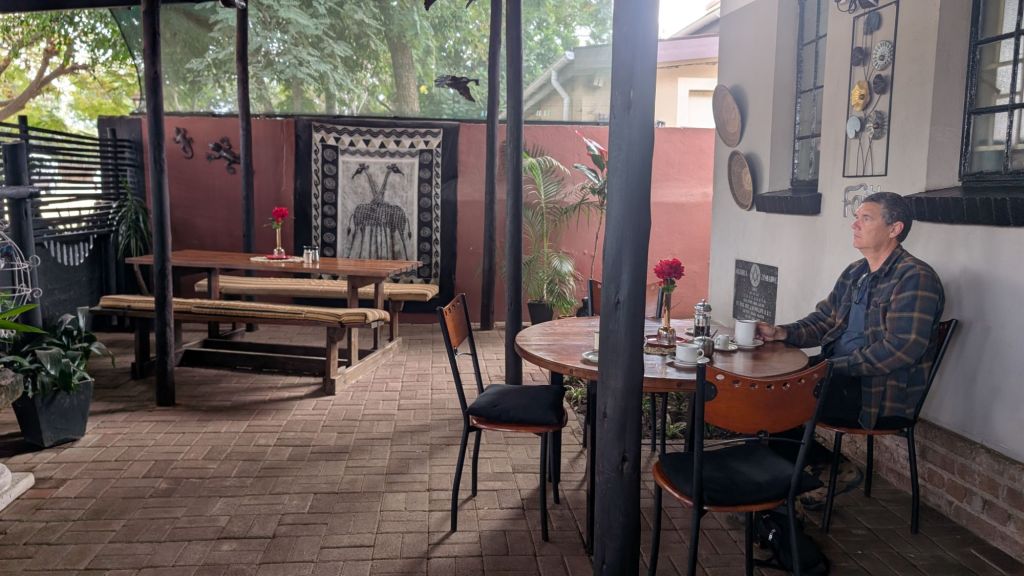
…then walked around town.
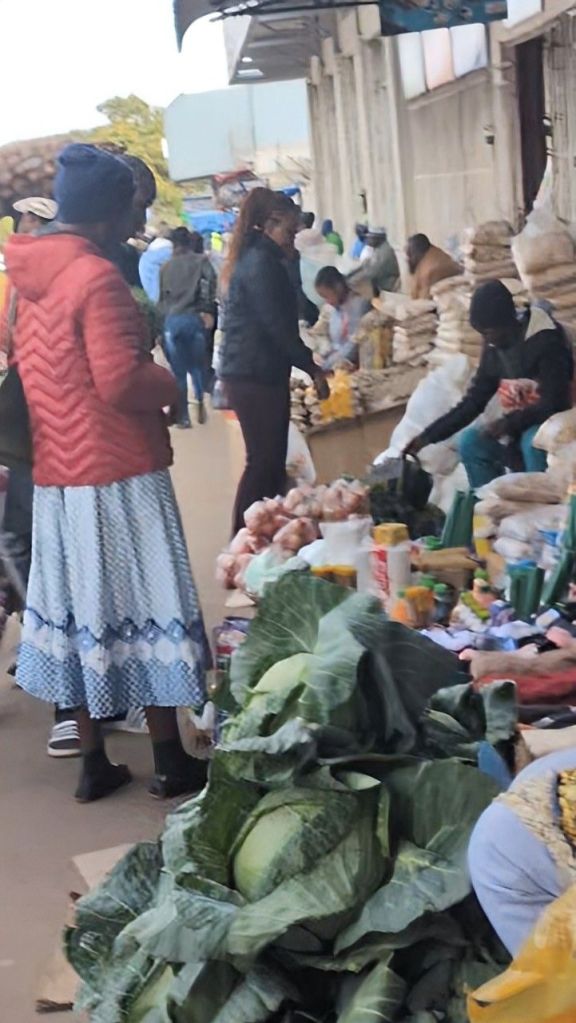
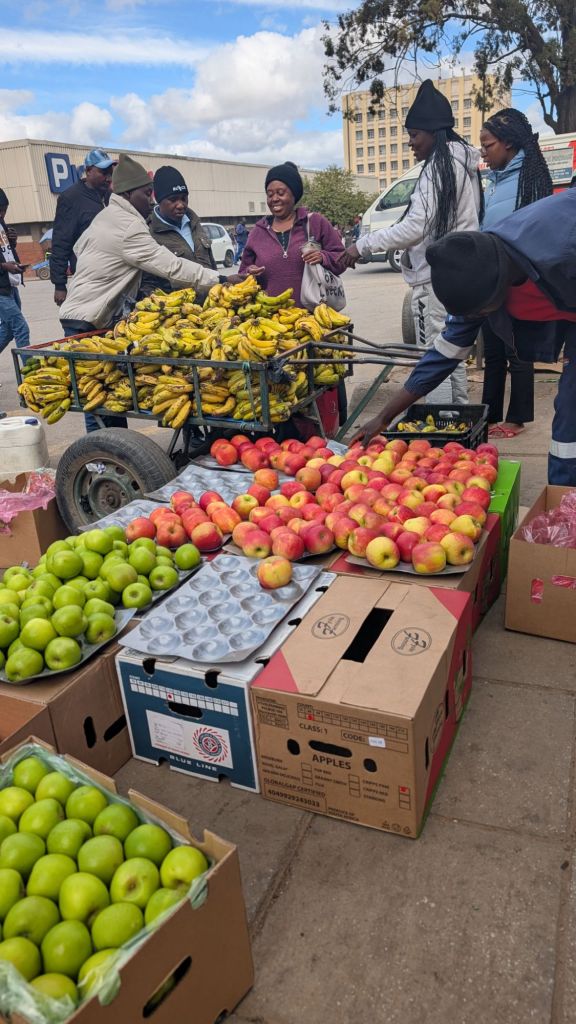
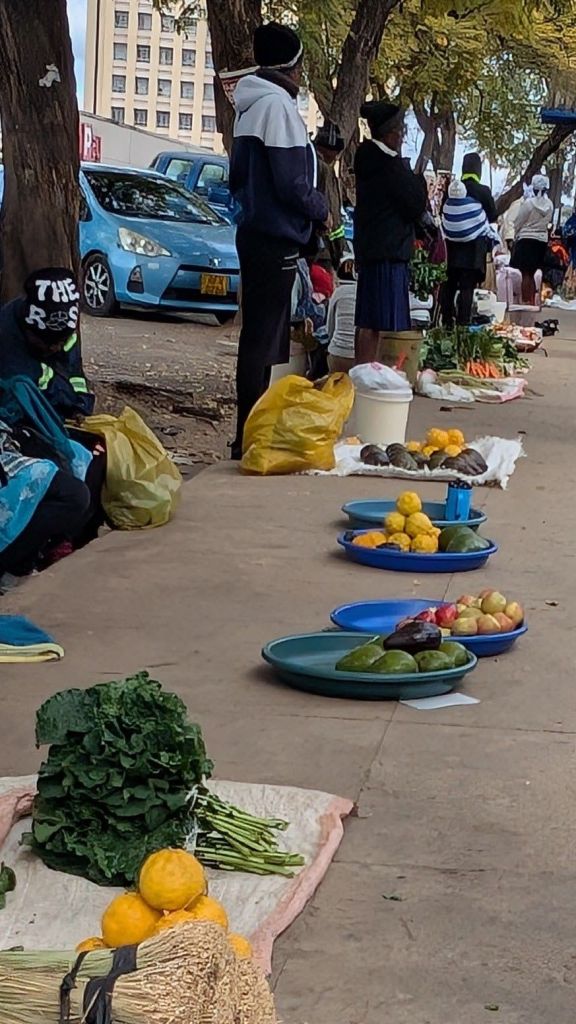
Yesterday, we bought $2 worth of candy from a lady; today when we walked past her, she broke out in a smile and said, “Oh, it’s my big spender!” So we bought another dollar’s worth of candy!! This sounds like an anecdote, but the reality crashed into me hard when I saw the sincerity in her eyes. I really was her big spender at $2!!! It brought me to tears, and I have reflected hard on that interaction.
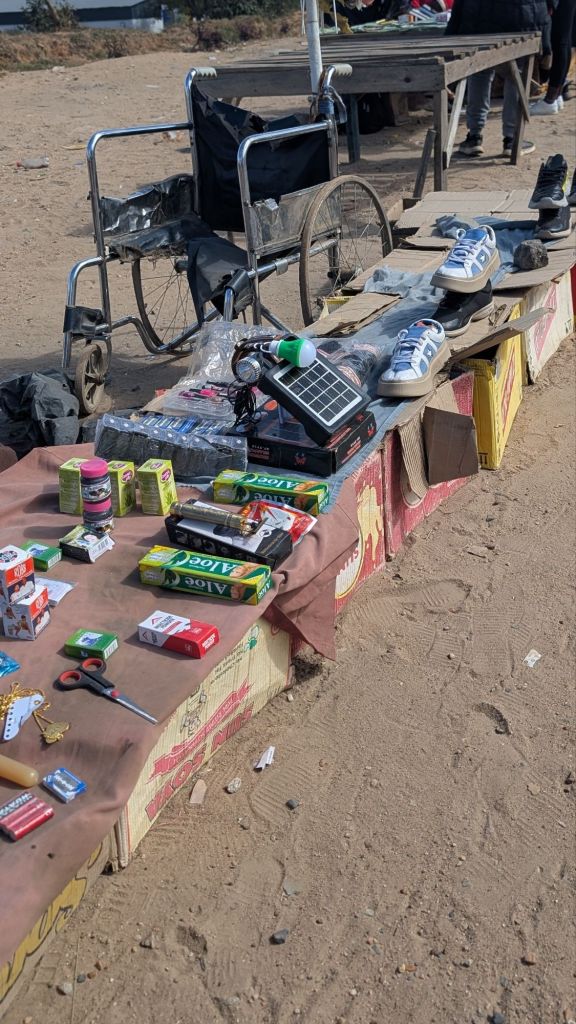
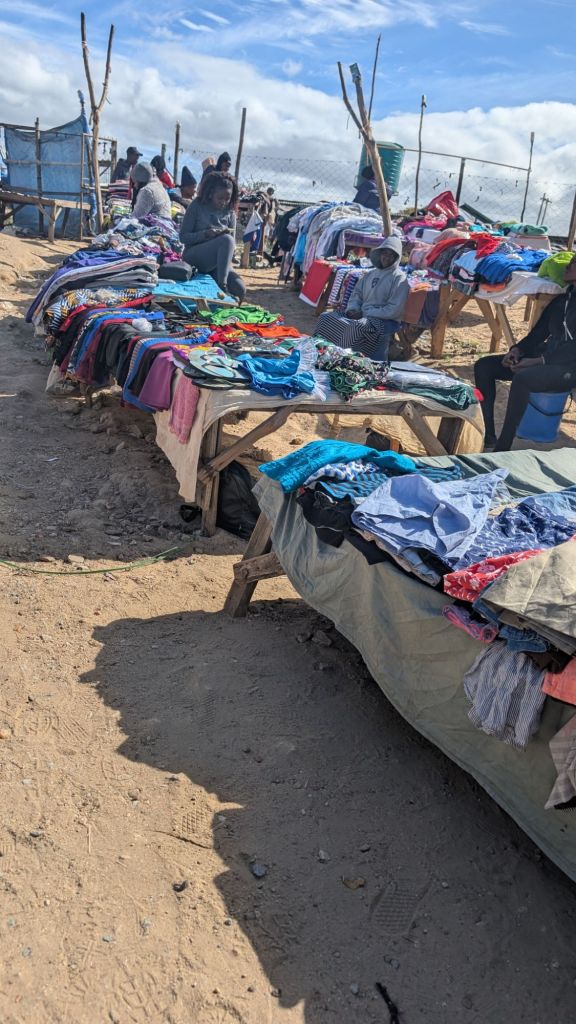
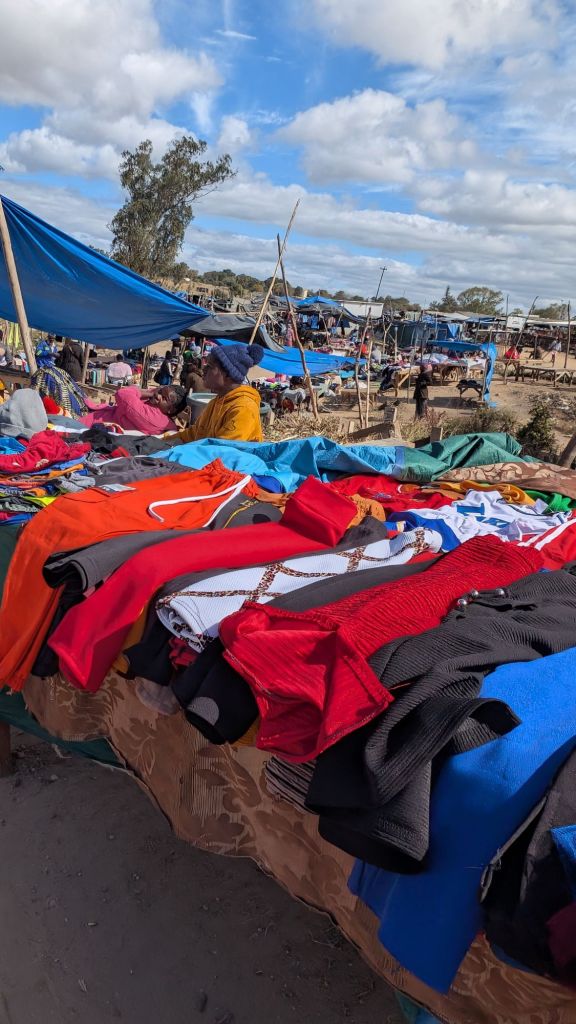
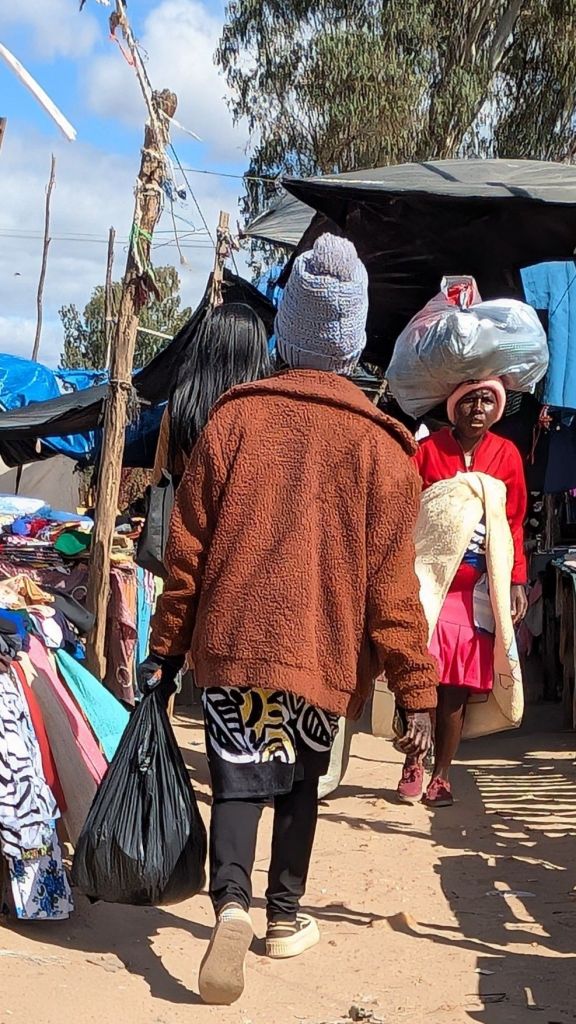
We tried to find an art gallery (Google Maps showed an art gallery on the corner of a street, but that shop now contains a walk in dentist office) but found this market instead; stall after stall selling the same Dollar Tree stuff and used clothes! It was quite overwhelming. You could tell that we were a bit of a curiosity to the people but, as always, they were polite and friendly. I am having a little bit of a problem with double takes. I know I’m out of place simply by walking around (white people drive), but the constant affirmation of not just being started at once, but twice makes me more self conscious.

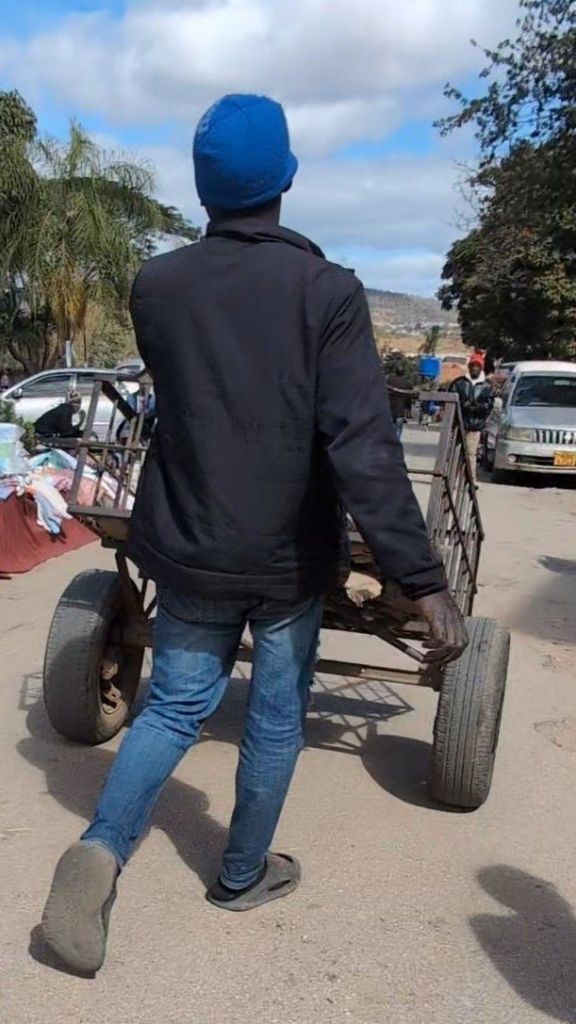
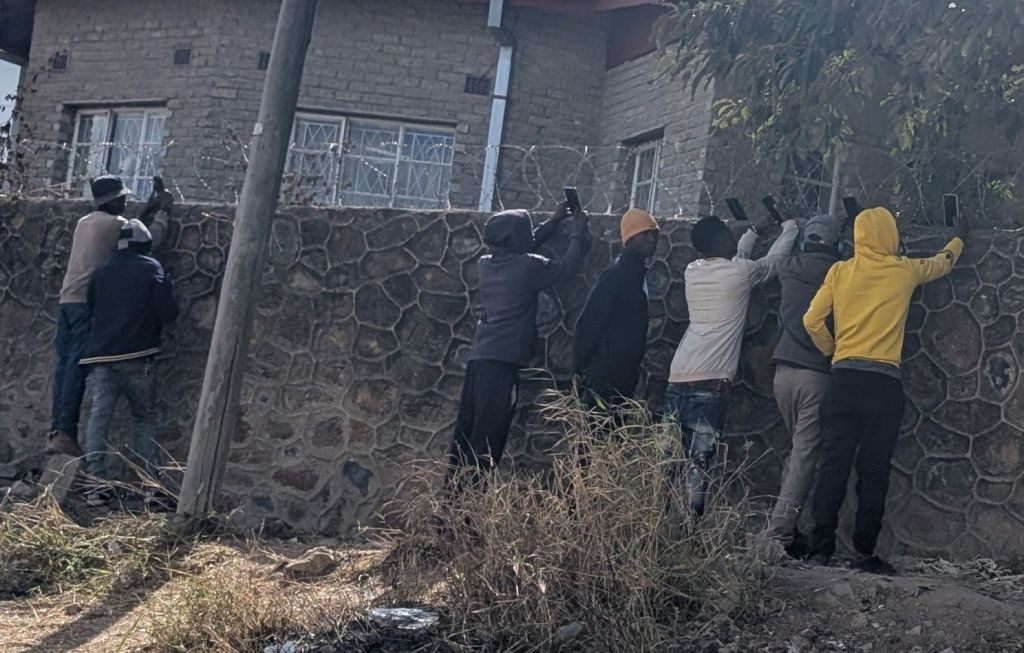
We finally found an art gallery but they wouldn’t let us in without an appointment so we gave up on it and went to a park instead.
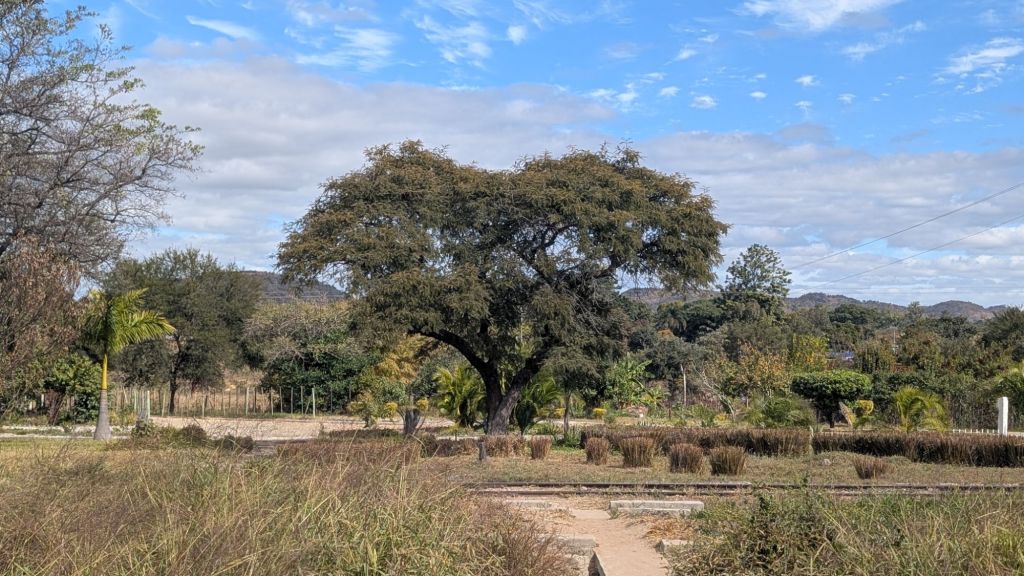
In the park, an old steam train was proudly displayed.
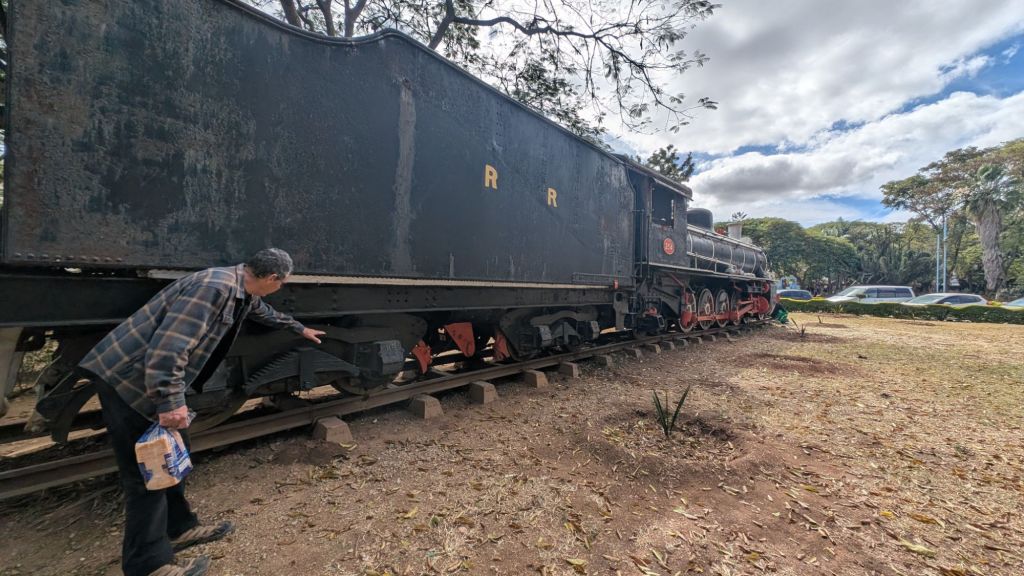
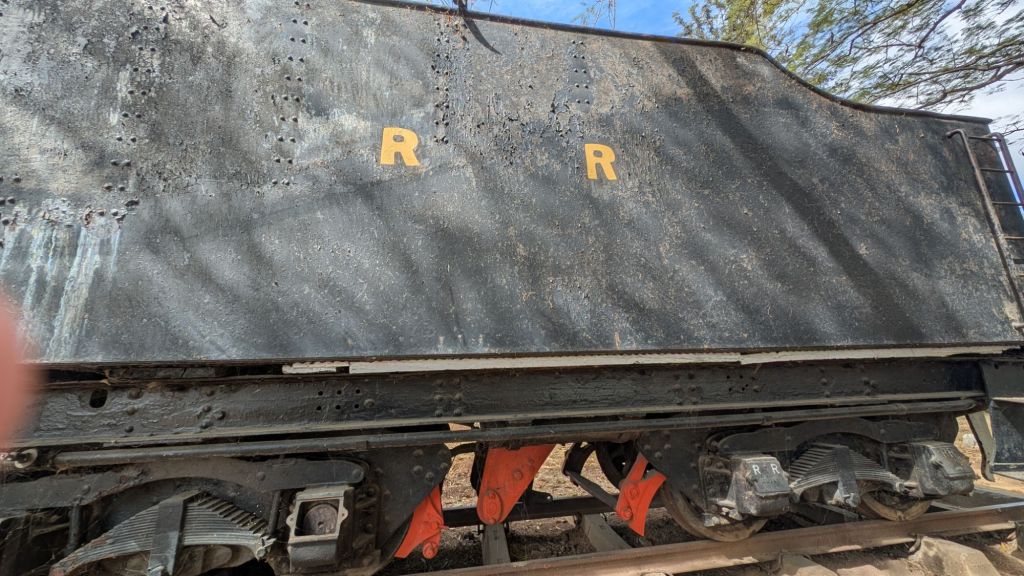
And speaking of Rhodesia, Zambia and Zimbabwe (together) used to be Rhodesia (named after Cecil Rhodes). Later, Zambia became Northern Rhodesia and Zimbabwe became Southern Rhodesia. When Southern Rhodesia gained independence in 1980, the name was changed to Zimbabwe. That name was chosen because of one of the sights here in Masvingo: Great Zimbabwe.
Great Zimbabwe is an ancient city built 800-1,000 years ago by the ancestors of the Shona people. It was an important, wealthy city because it was on the trade route. The name Zimbabwe comes from the Shona words Dzimbe dza Mabwe ( meaning ‘houses of stone); a very fitting name when you see the remains of this ancient city.
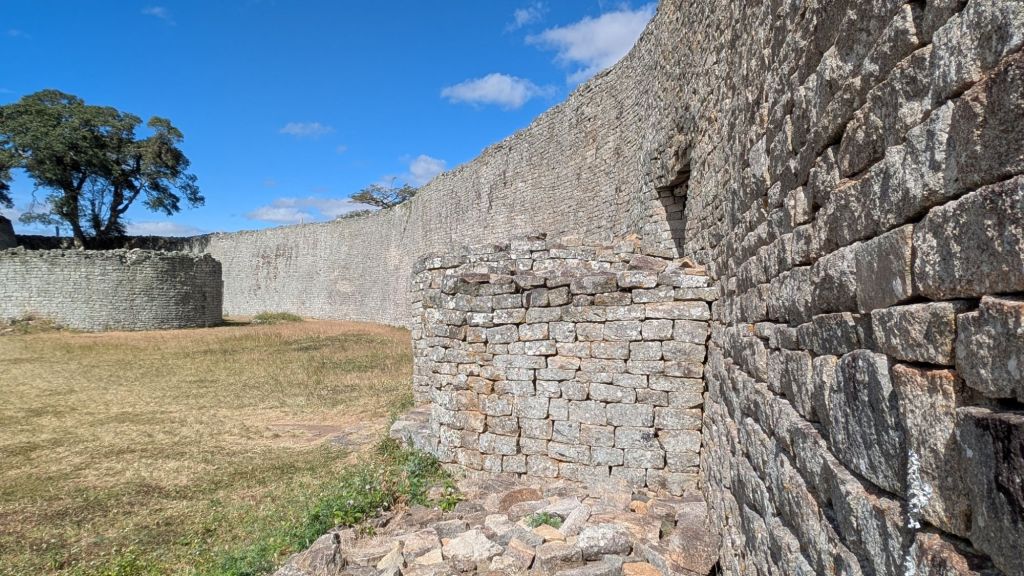
What makes these remains most compelling is that there’s not a drop of concrete used to secure the stones in place; it’s all dry stacking!! I’m impressed in Wales when I see dry-stacked farm walls separating fields so imagine how awe-inspiring I find these walls (some of which still stand at 36′ (11 meters!) This is the biggest stone structure in sub-Saharan Africa, second only to the Great Pyramids in Africa.

We chose to go to the Hill complex first. This is where kings and their priests lived…though why kings always seem to live atop a steep hill is confusing to me! There are two ways to climb up; the modern way (which is longer but easier) and the ancient way. Dan chose the ancient way 🤔😳😵💫
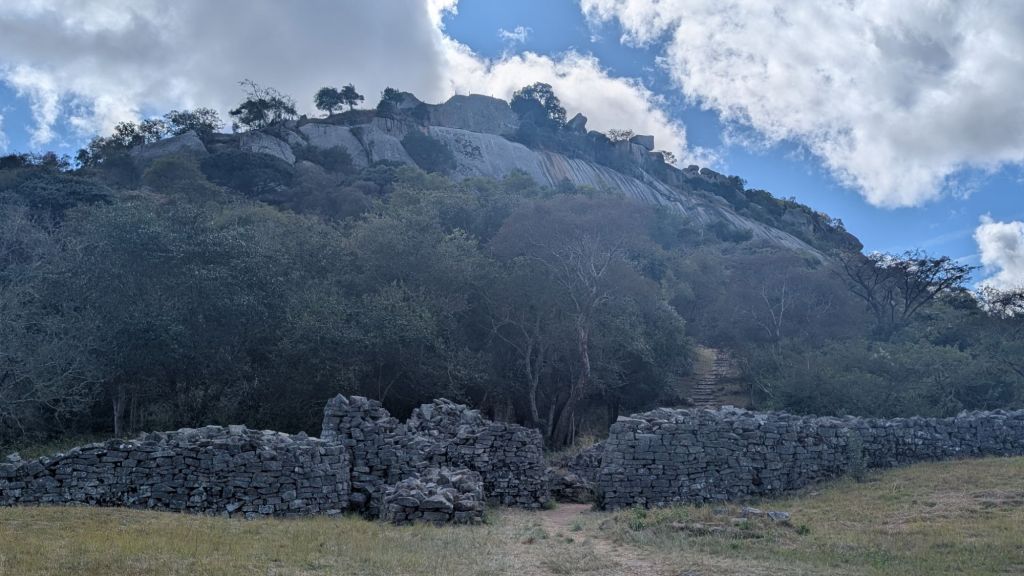
It was steep…!!!
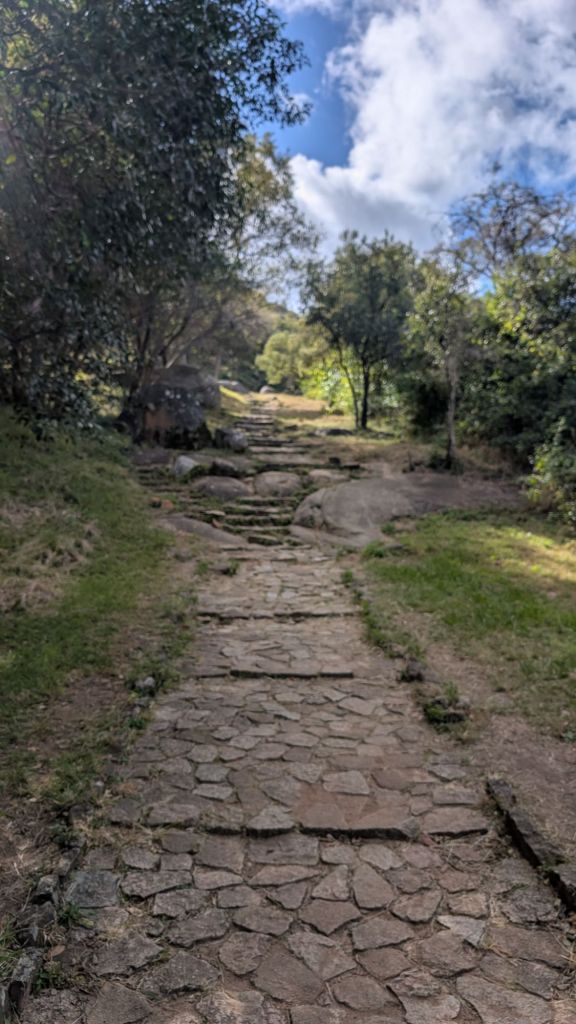
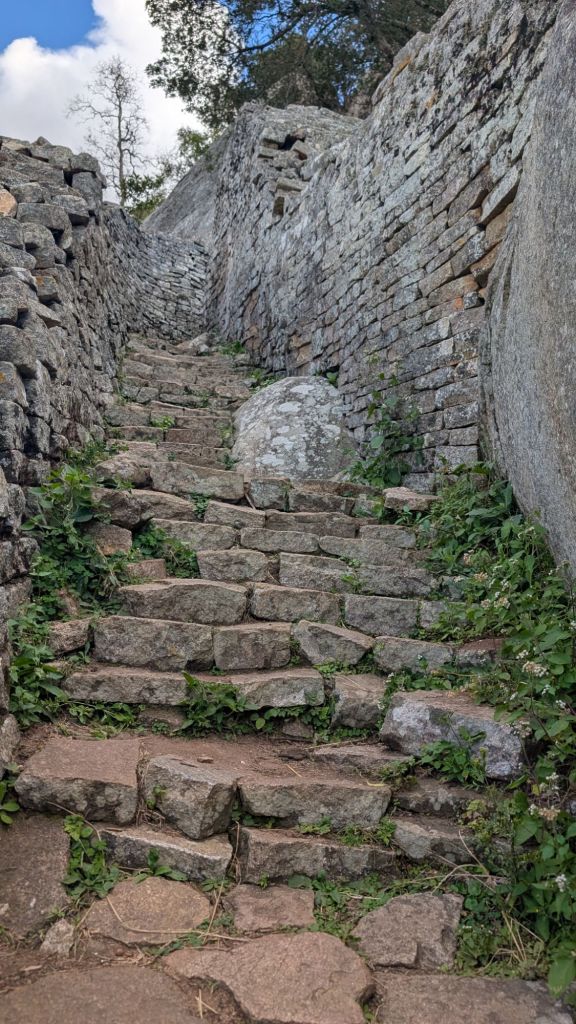
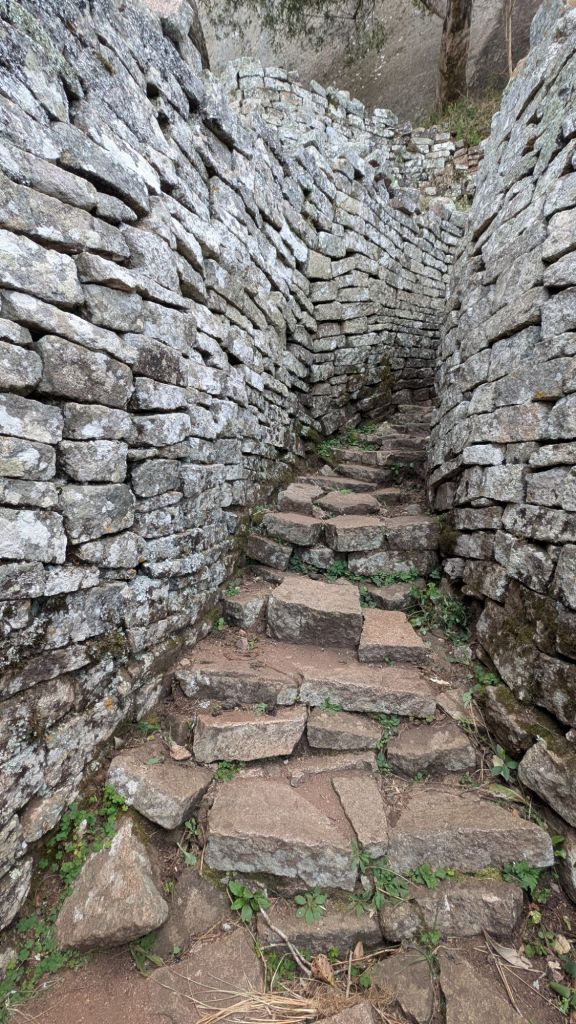
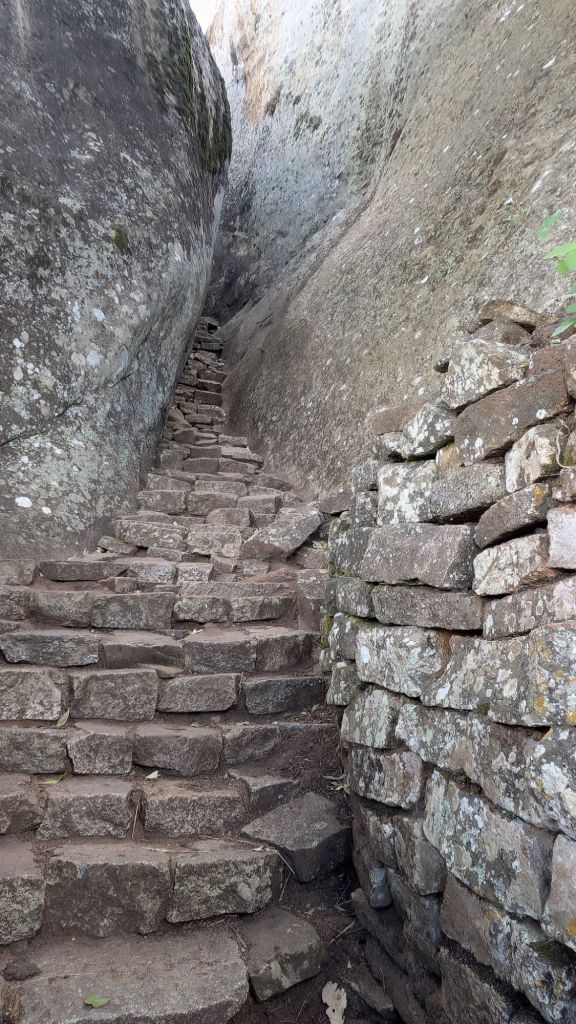
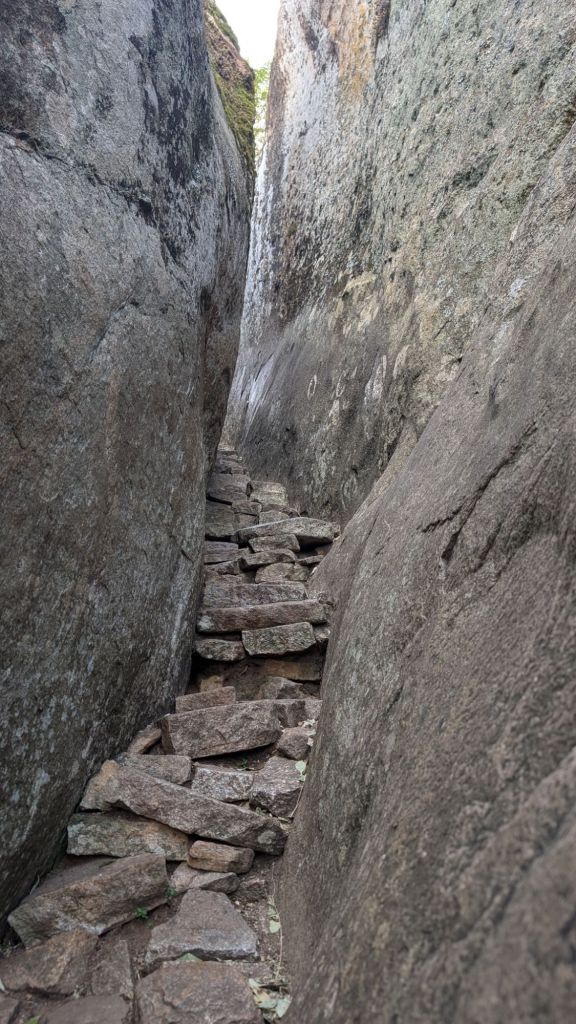
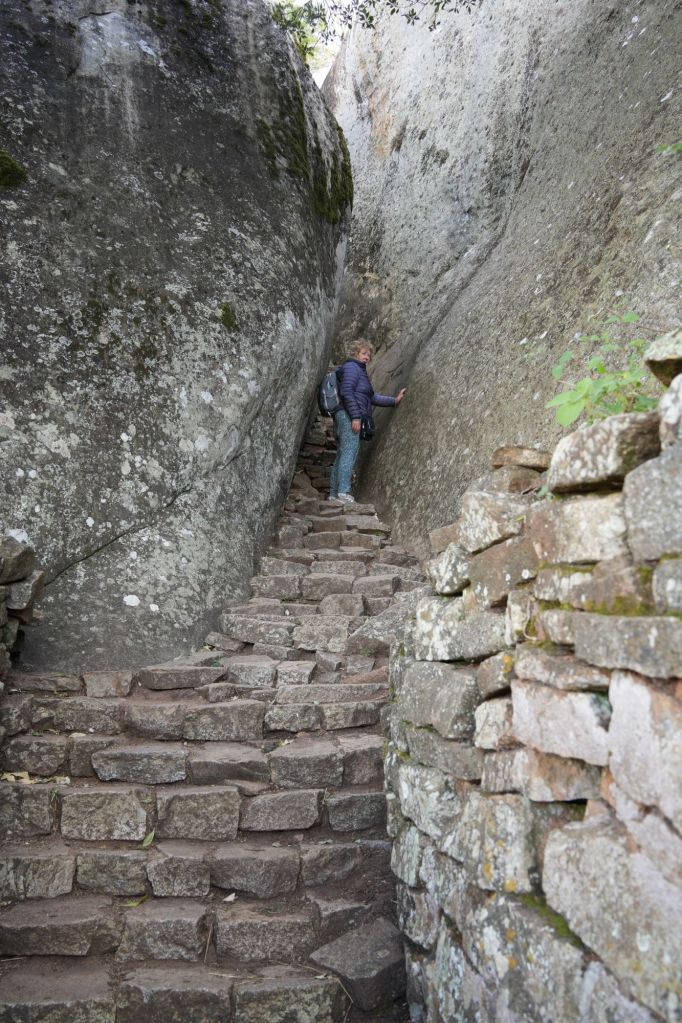
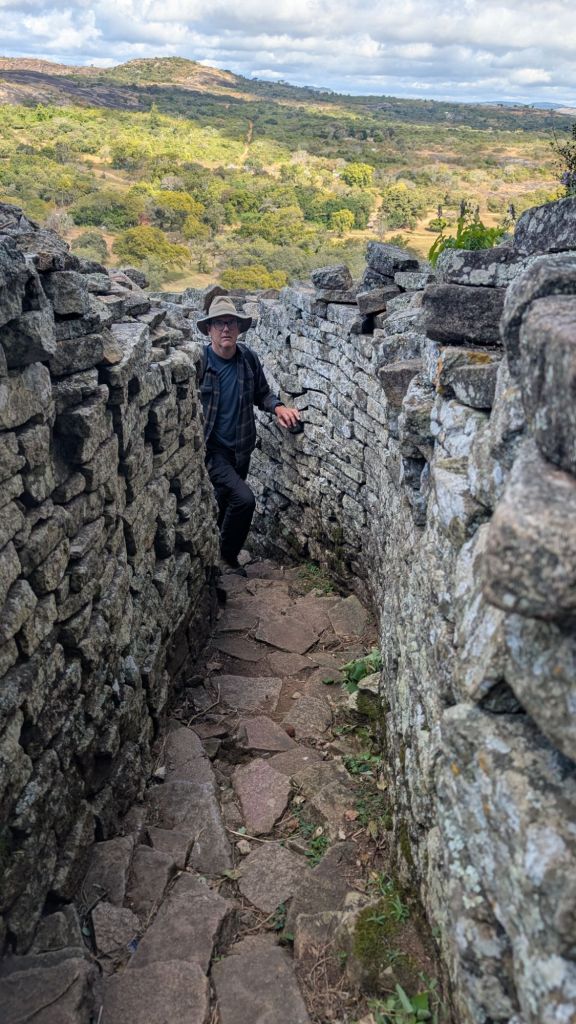
Thank goodness there was a beautiful view so you could rest by surreptitiously ‘looking at the view’.
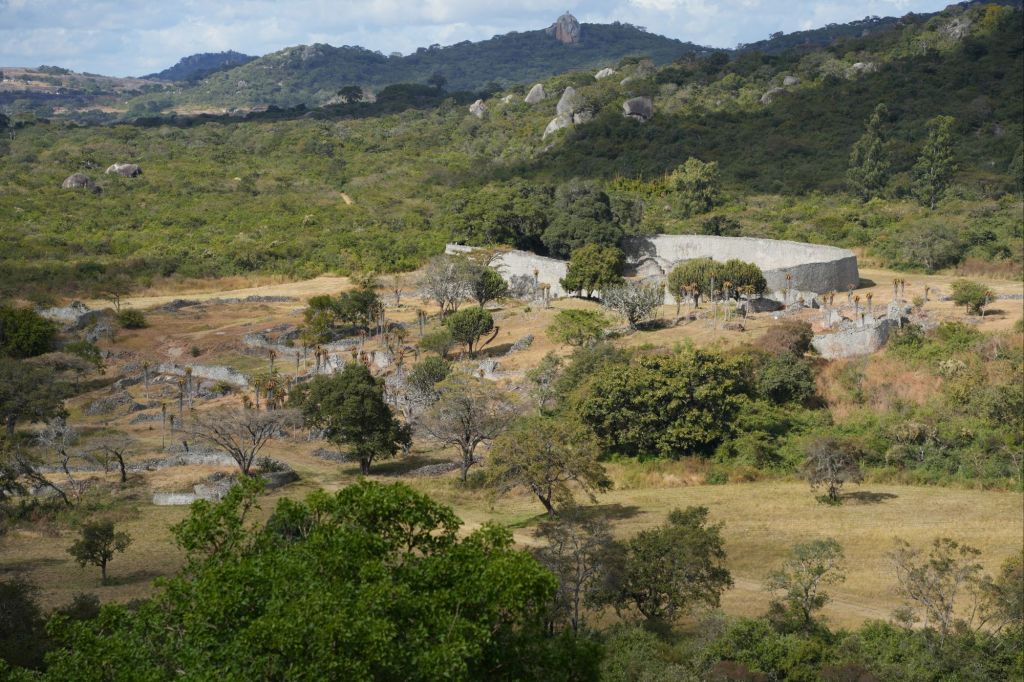
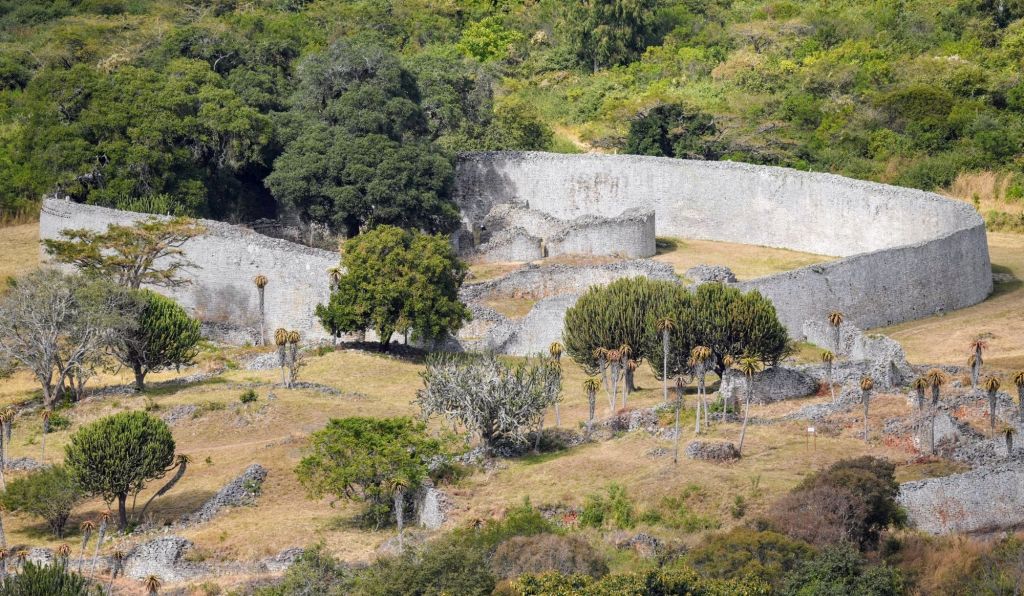
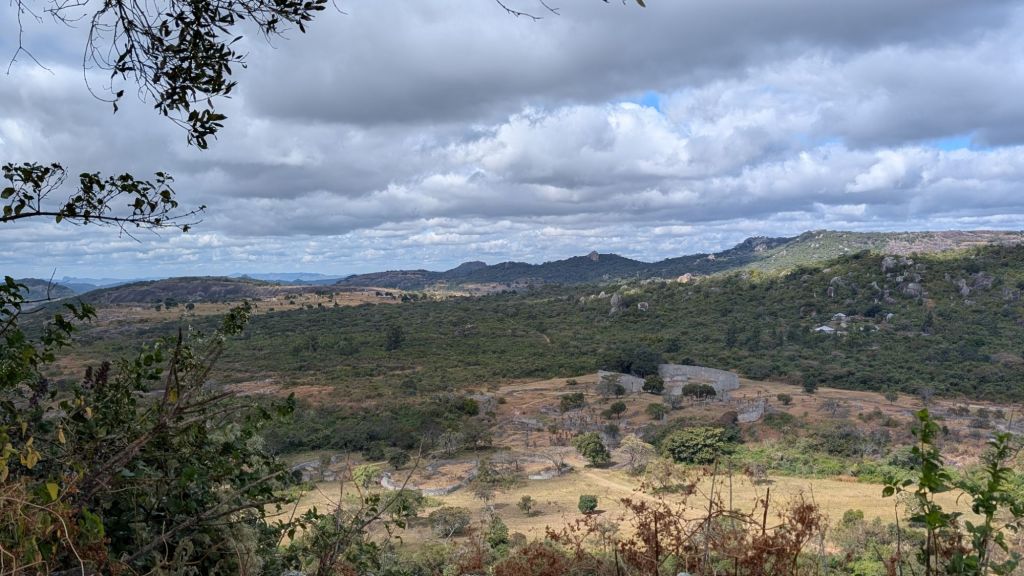
The skill it took to build this complex is mind-blowing! Dry stacking to fit around giant granite boulders is no mean feat!
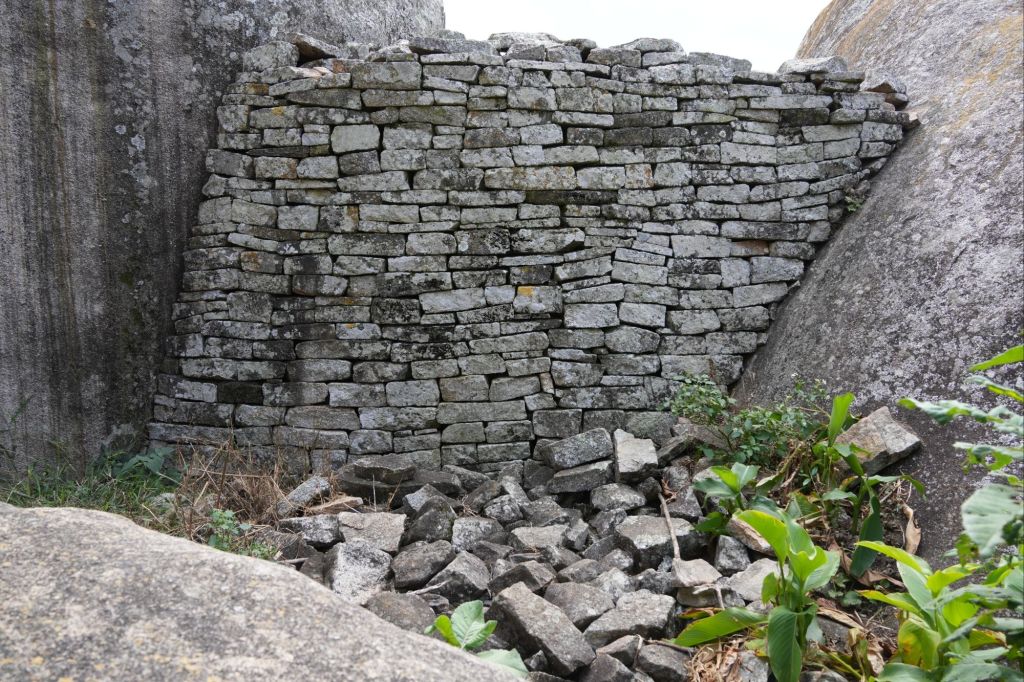
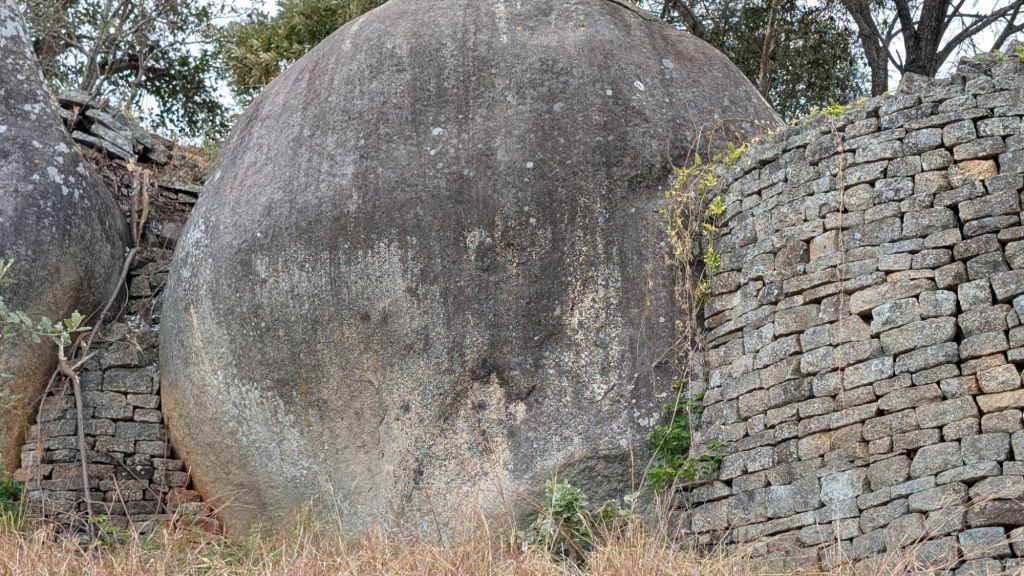

This must have been absolutely mind-blowing when it was built. And how many granite stones were carried up that treacherous, steep path is anyone’s guess.
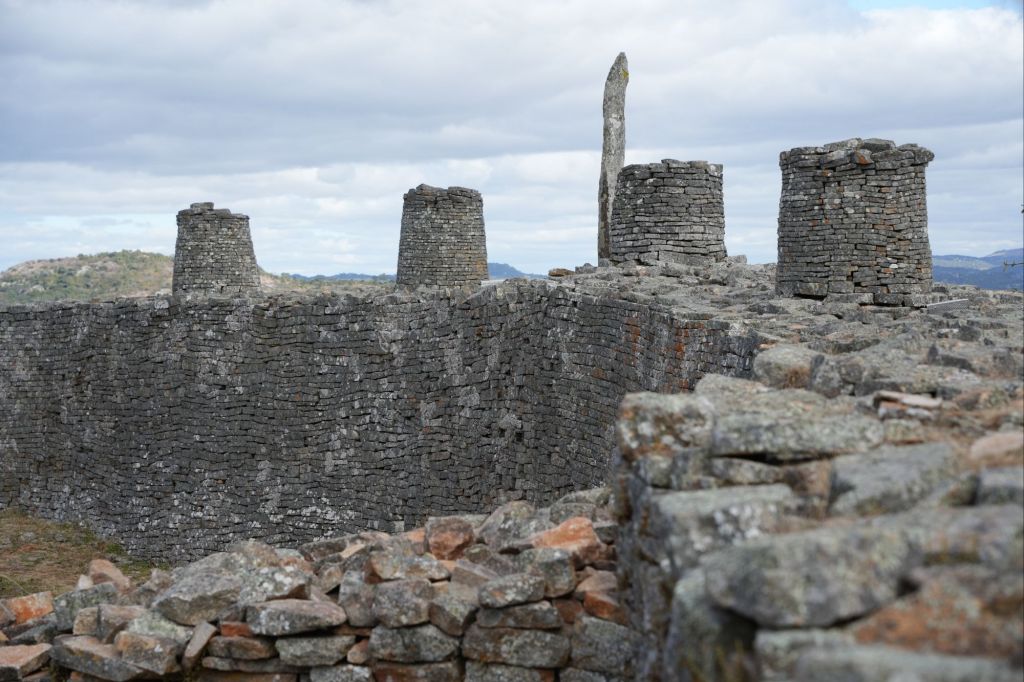
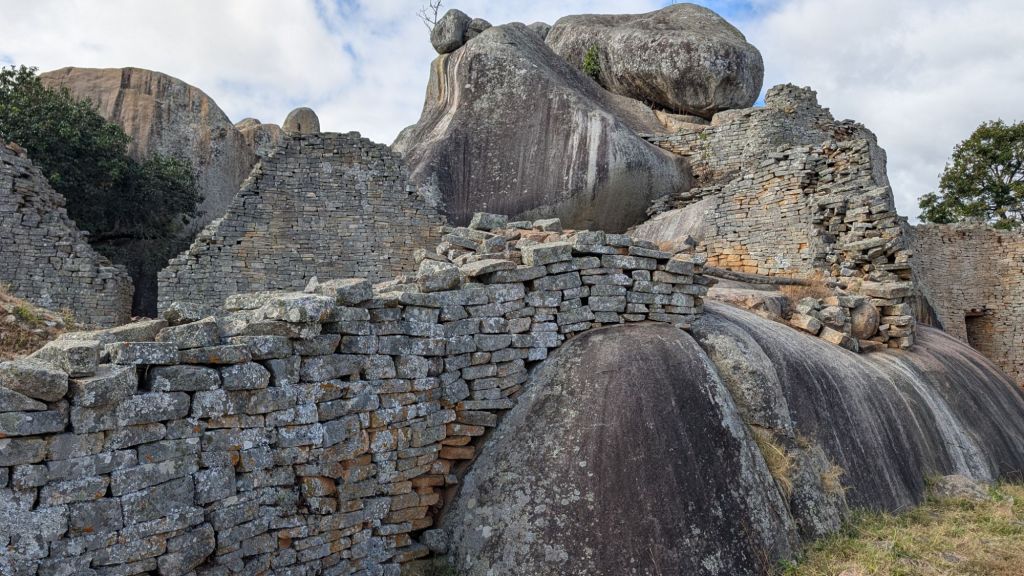
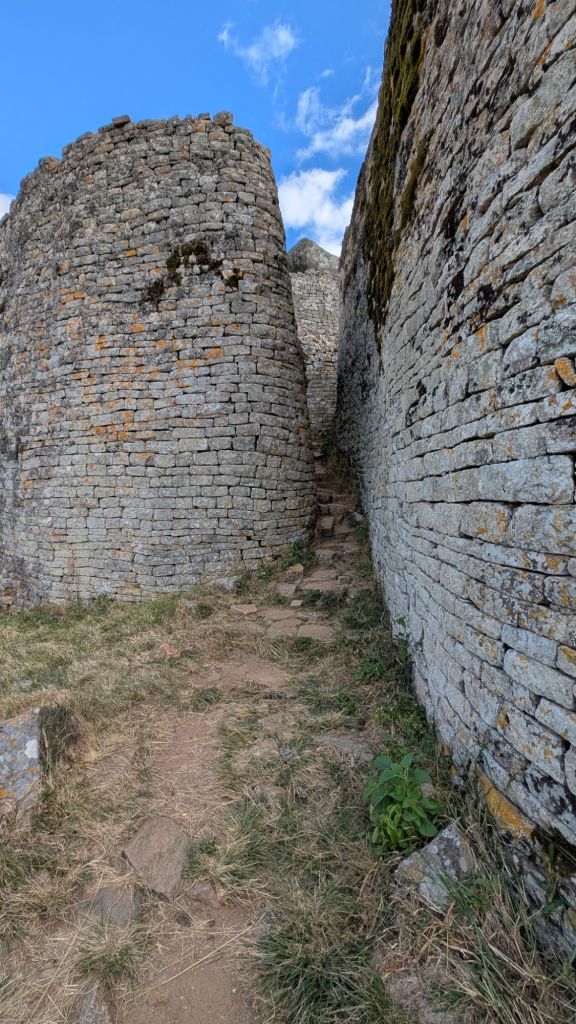
The whole place was ethereal and deeply spiritual; a place where culture, spirit, and ingenuity was carved into the landscape.
And we still had the Great Enclosure (where the important women and their children lived) to see. But first, we had to walk down. As my legs were already a bit wobbly, we chose to go down the modern route!
The Great Enclosure was…great. Truly great! This is the bit I remember most from when I was last here (38 years ago, when my legs weren’t wobbly at all after the climb!)
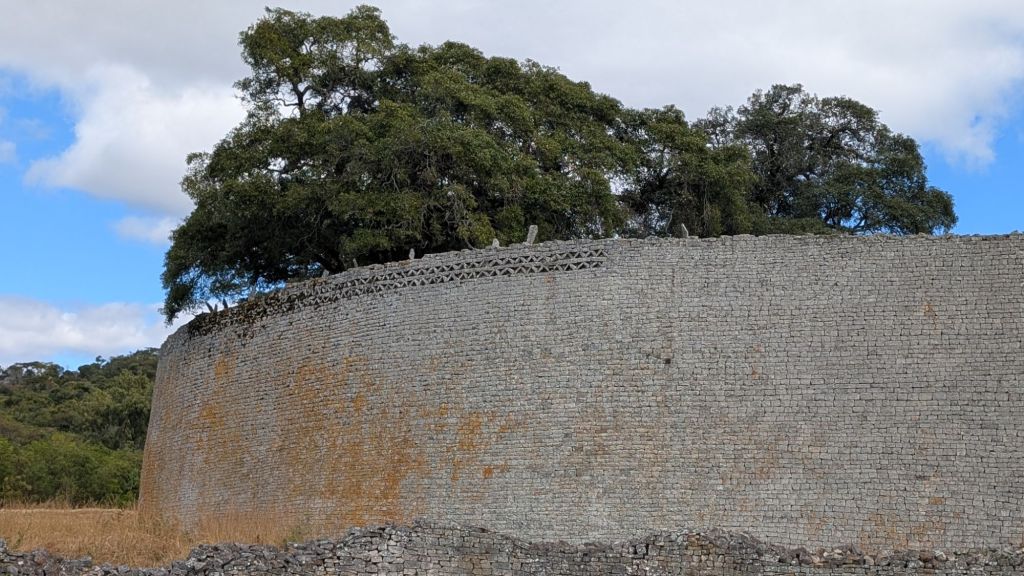
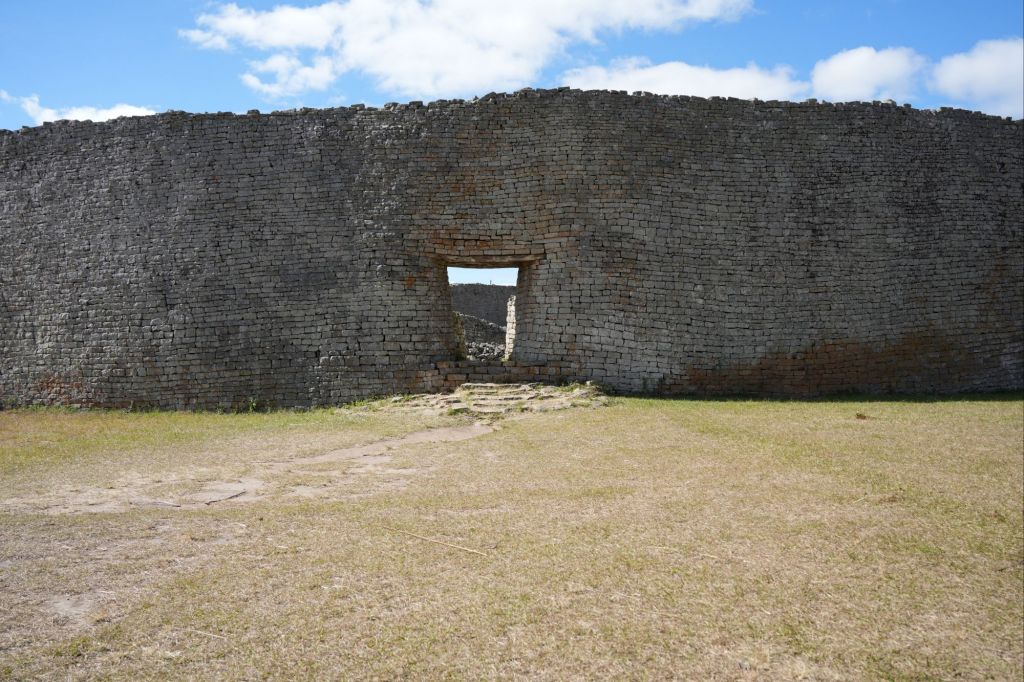
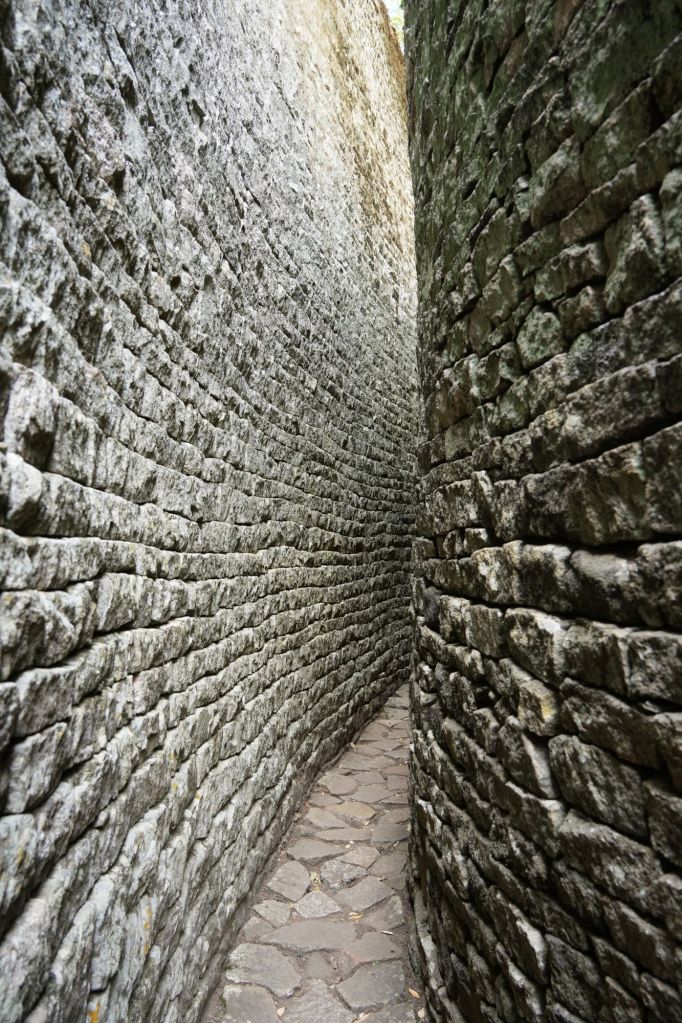
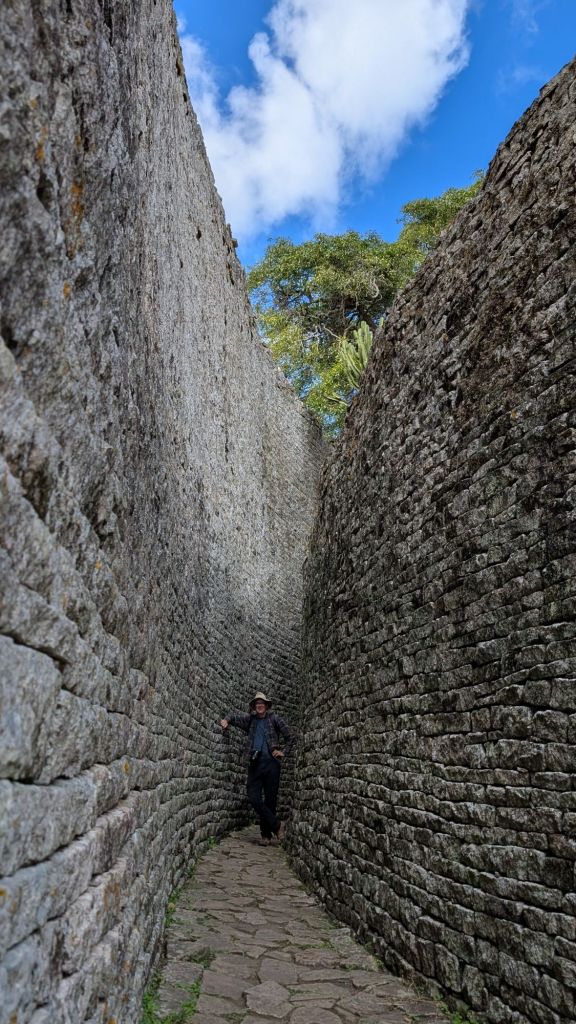
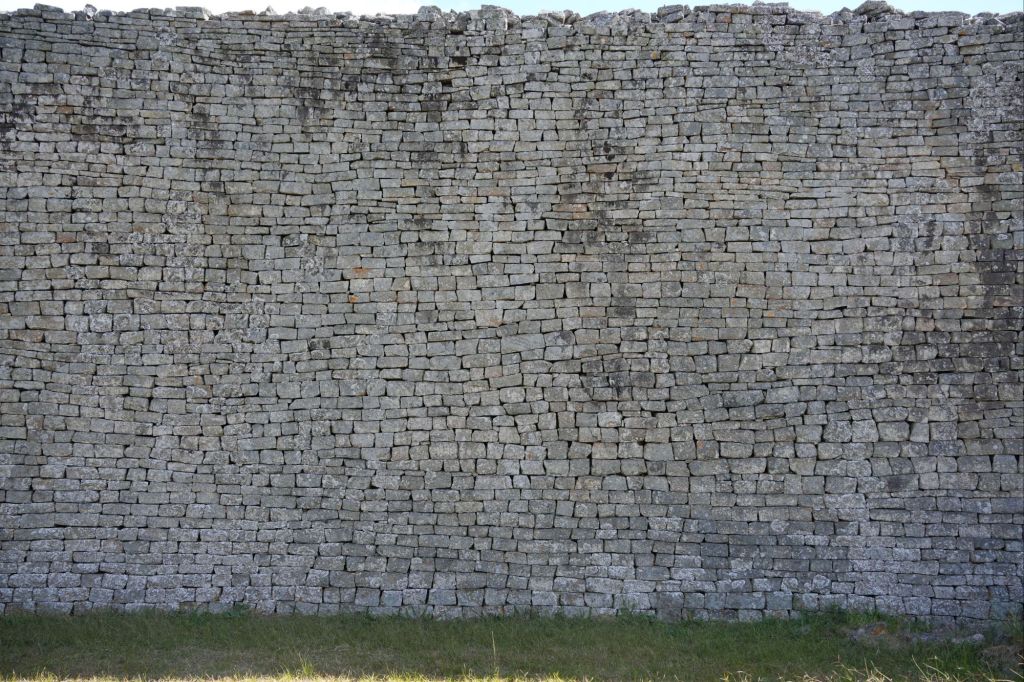
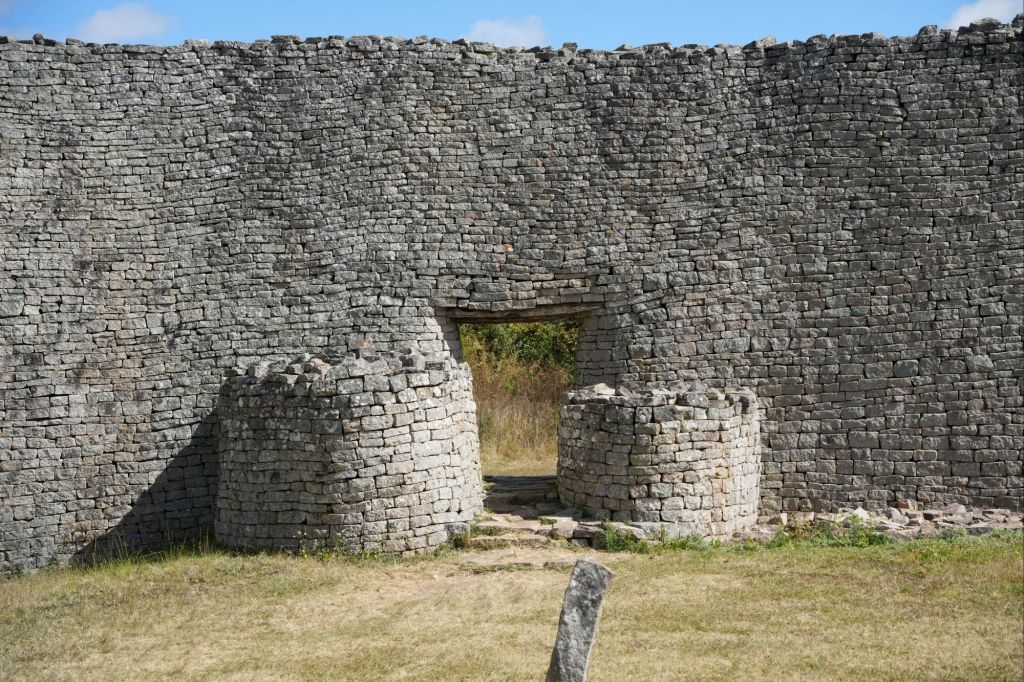
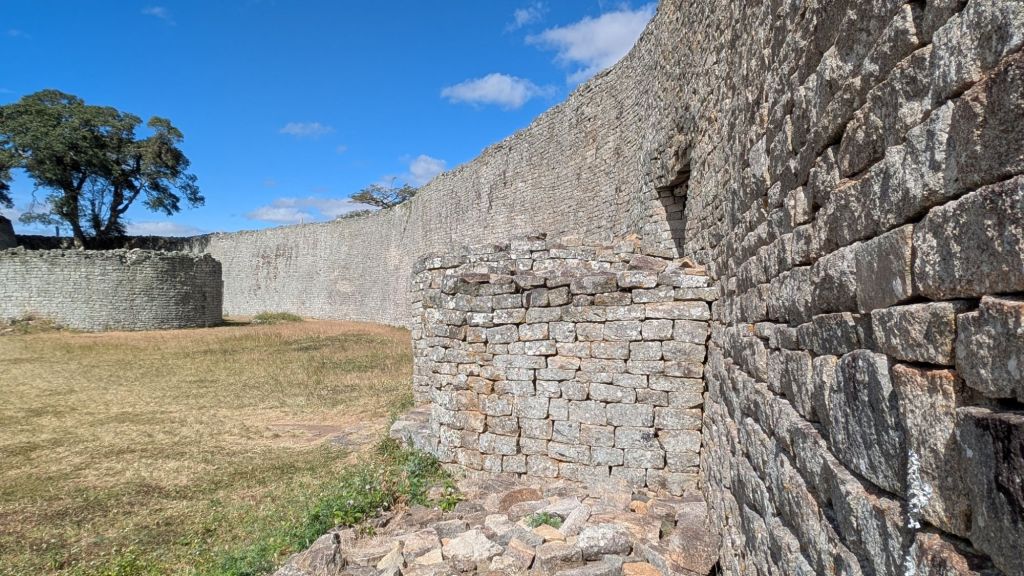
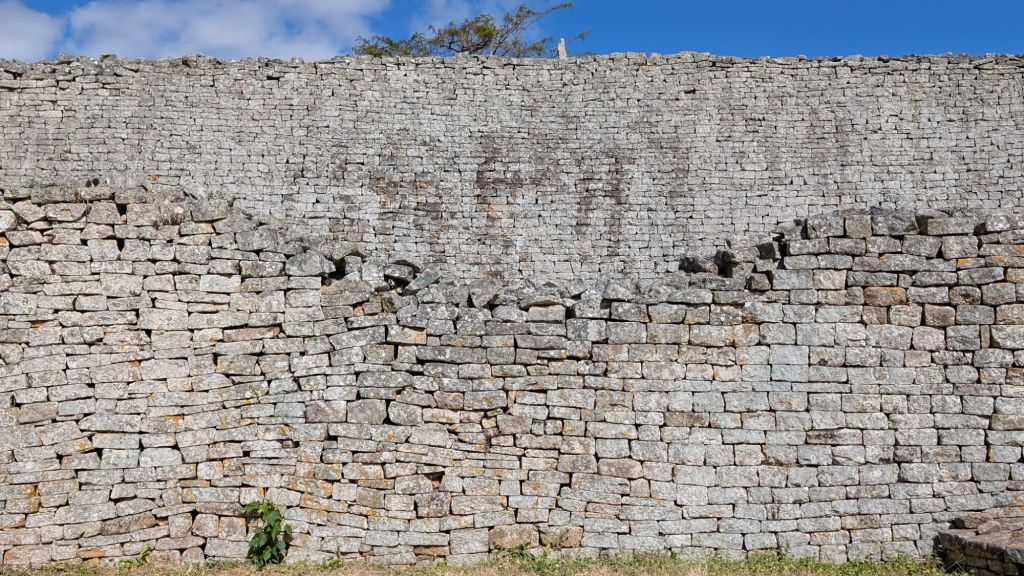
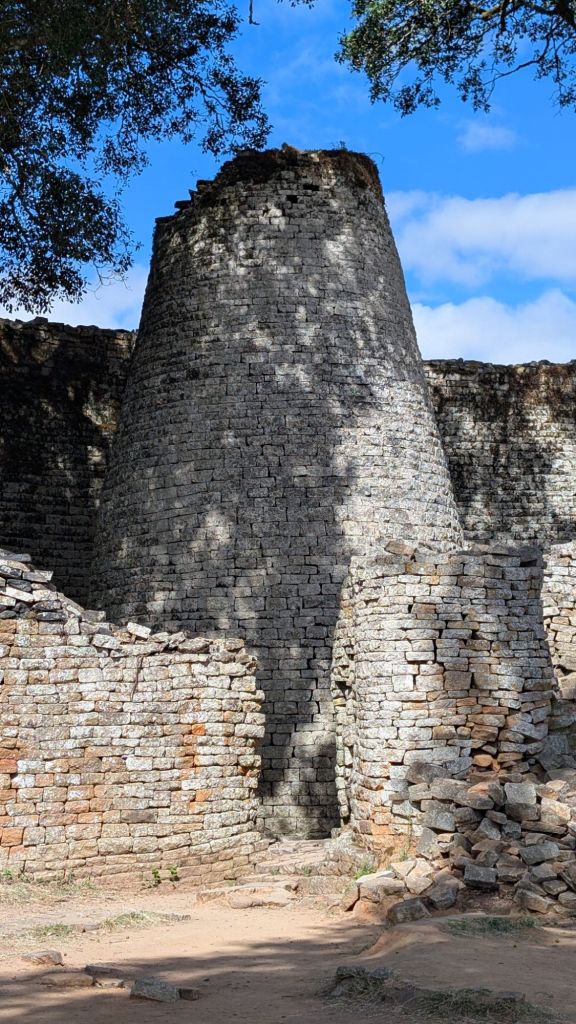
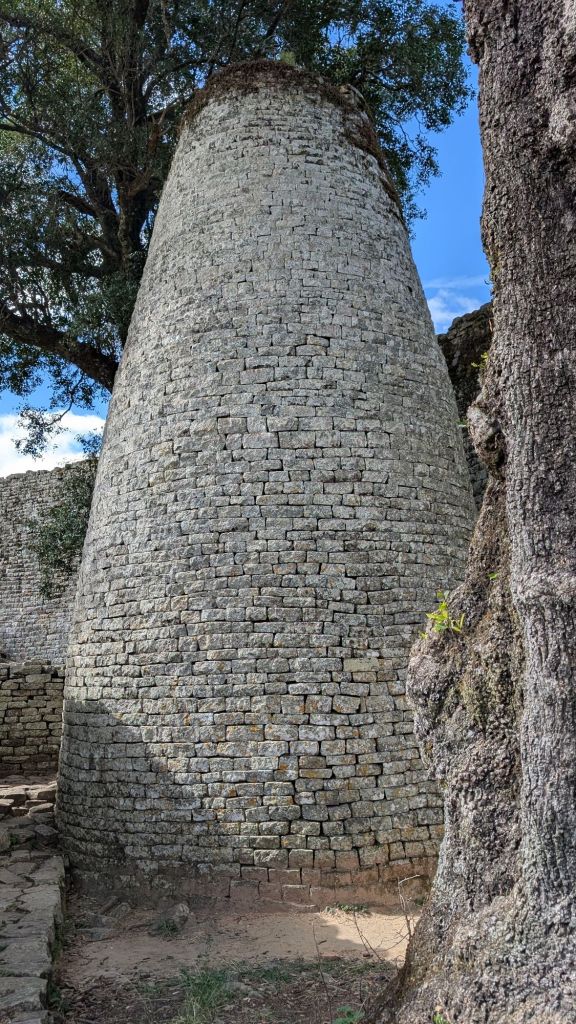
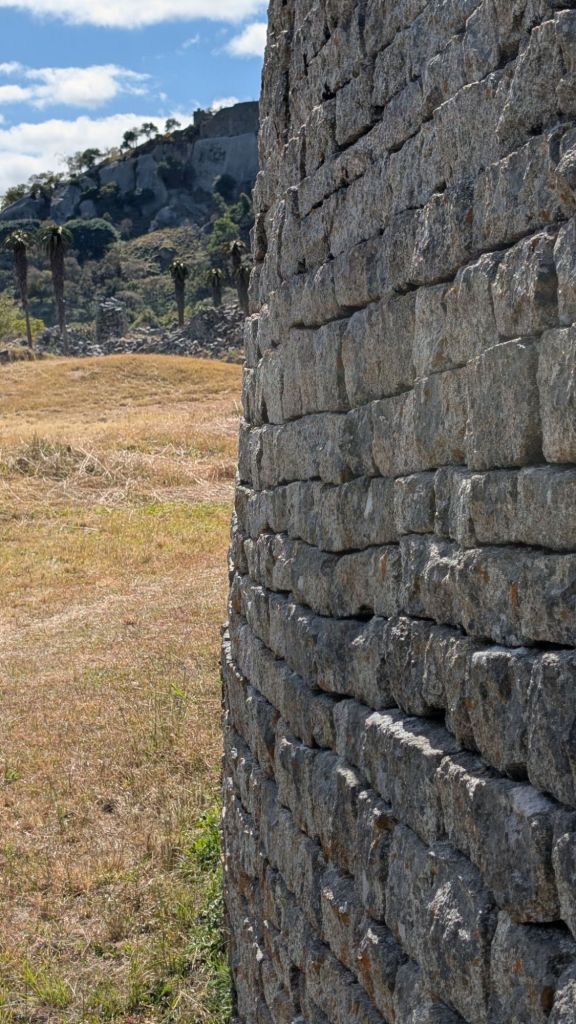
Today, these structures appear on flags, currency, and as symbols of African pride and heritage.
To end the day off, we drove over the dam at Lake Kyle (now Lake Mutirikwi). There, a vendor begged me to buy something as he was trying to raise money for his children’s tuition; he said they HAVE to learn to read if they are to have a chance in life. I HAVE to do something!
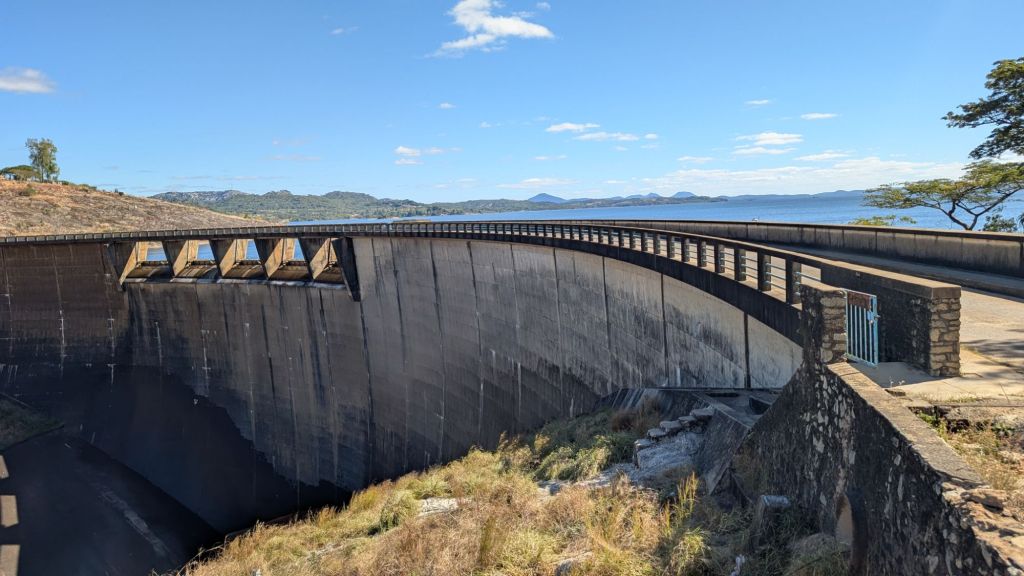
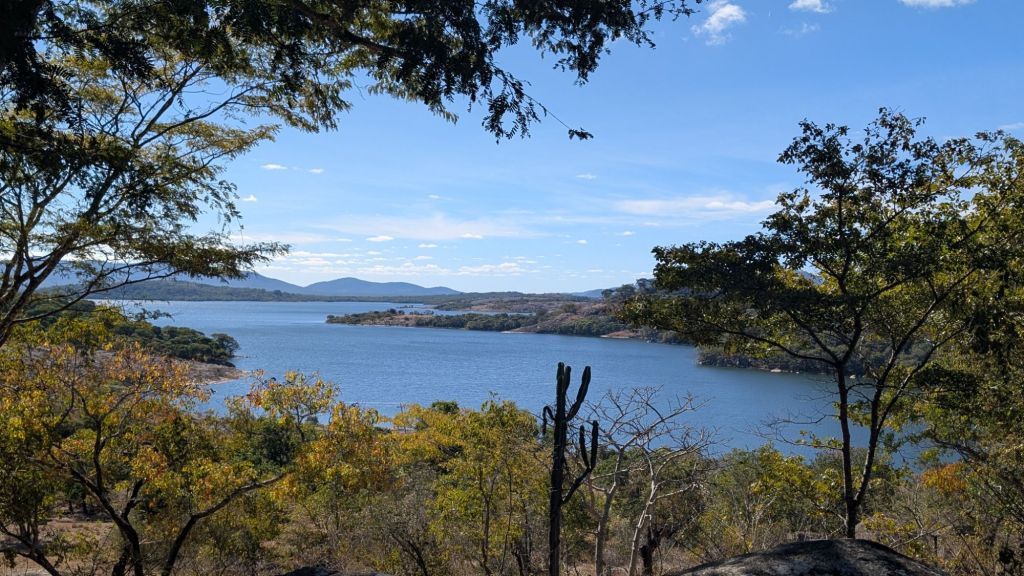
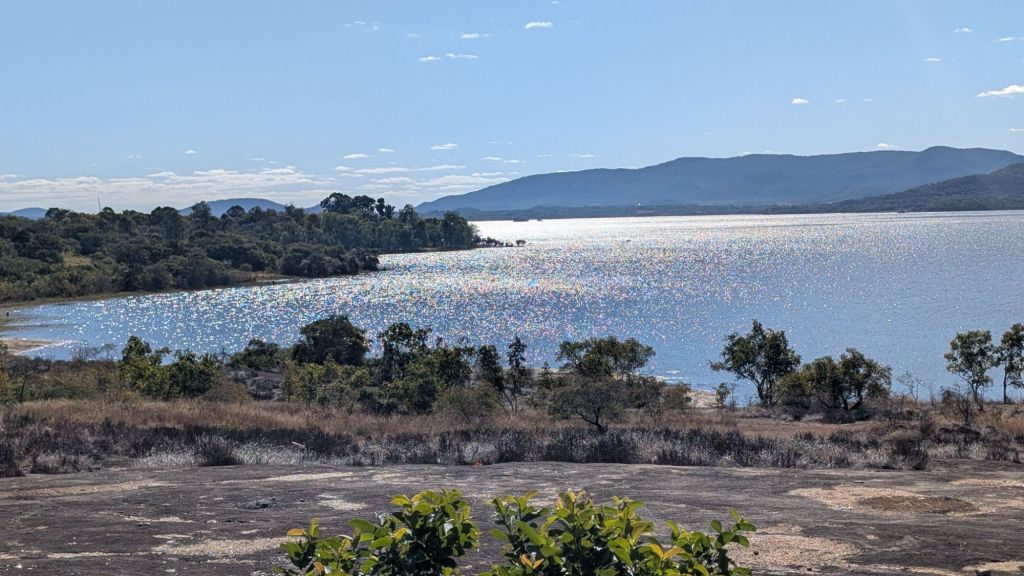
It was a beautiful end to an inspiring day; a day that began by tearing at our souls (as this is the seventh anniversary of Rachael’s death), and ended by piecing some semblance of our souls back together. For me, Great Zimbabwe was on my list of places to visit in Africa, and I am so glad to have seen it. This complex took centuries to build, and people still lived there in the 16th century! The fact that these walls still stand is a testament to the craftsmanship and skill of the builders. I looked at a pile of granite stones, and realized that I could not even start to pile them into a semblance of a wall. And I don’t think I have enough time on this earth to learn.


 Designs by Rhia
Leave a reply to Constance Dent Cancel reply