Days 104 thru 107
(Rhia’s comments are italicized)
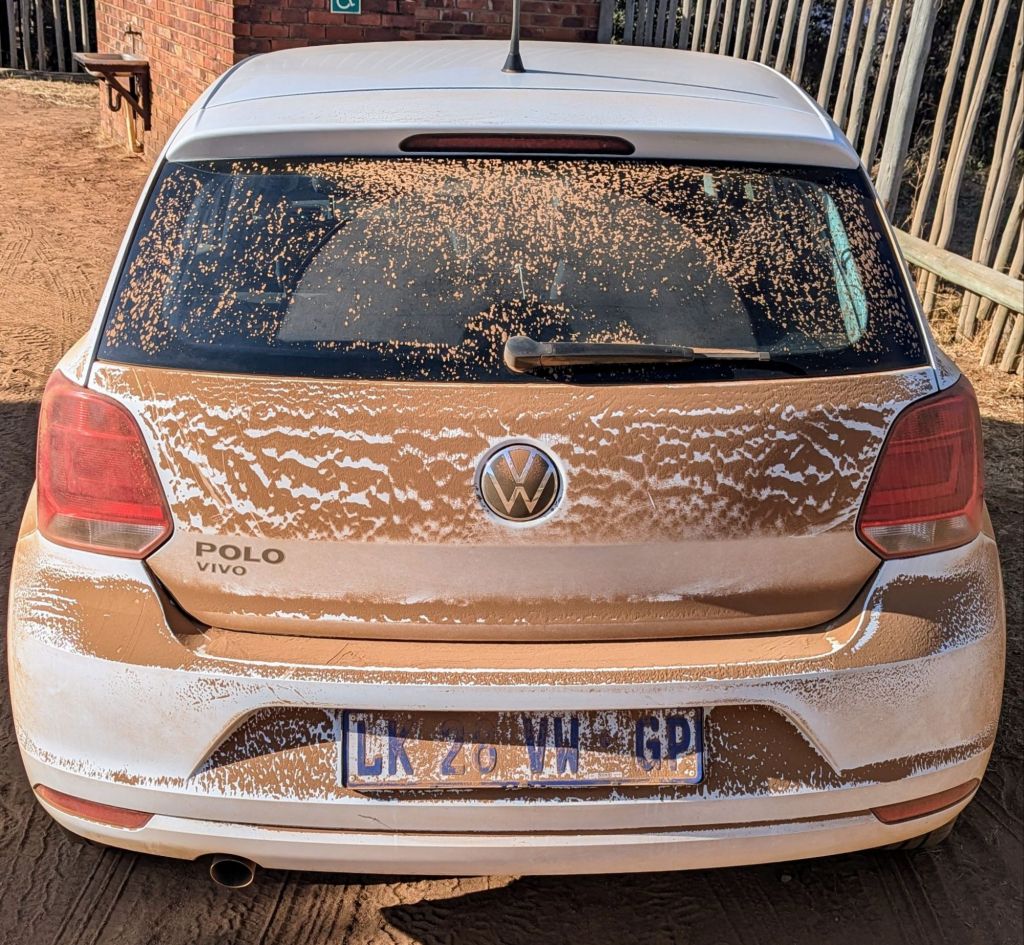
The journey back into Johannesburg aka. Joburg aka. Jossie, was quite uneventful. We rented a place in an affluent area called Rosebank (in true ‘us’ fashion, we rented the worst place in a nice area; this meant we were safe but only paying about $25 a night! However, I must admit that the bed was hard and lumpy; probably the worst bed of the whole trip. But did I mention it was cheap??), and then drove to the airport to return the rental car 😢. The VW was a good car that traveled along a lot of harrowing dirt roads but got us back safe and sound. She will be missed.
With our car gone, we now had to navigate the obstacles of public transport, like figuring out prices, routes, safety, and convenience. We discovered a ride share service called Bolt, a competitor to Uber, so we downloaded the app and ordered a ride back to Rosebank. Our driver’s name was Faizel, and he was a student finishing his masters in medical device engineering. He had just turned 25, and was in the process of applying for a residency to complete his degree. He was an extremely friendly and intelligent young man, and I would hope to get him again if we use Bolt again.
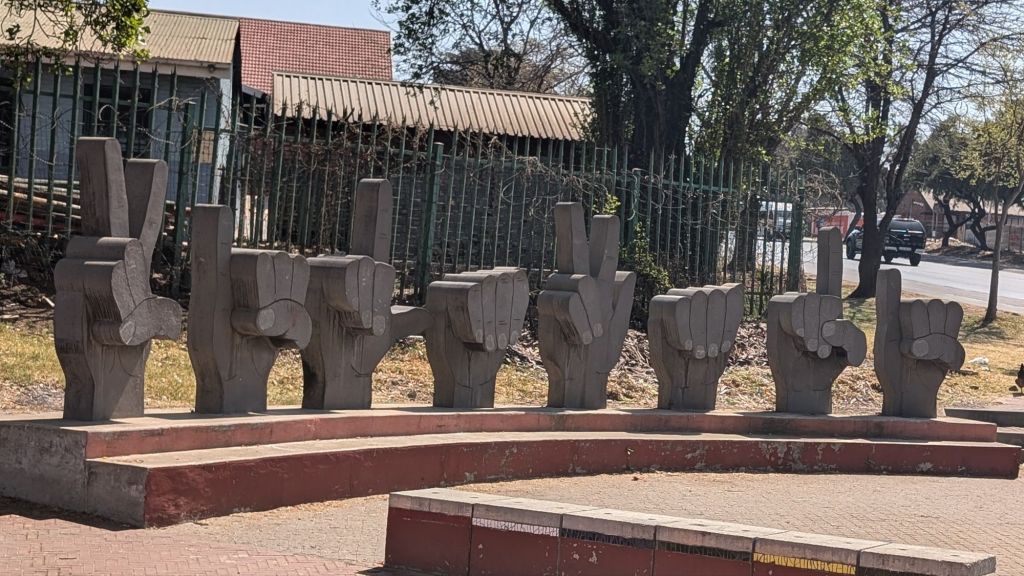
We chose Rosebank as our base because of its location to the gautrain (rail service), the City Sightseeing Bus, and because it was recommended by locals. We had arrived on a Saturday, and, thinking that all museums in Africa are closed on weekends, we had planned to do the sightseeing bus tour on Monday. But Rhia did this thing called ‘research’, and found that the Apartheid Museum was closed on Monday and Tuesday, our last two days in South Africa, so we needed to replan and do the bus the next day. I must admit that we’ve had the worst luck with museums in Africa (except for the one in Durban)! It got to the stage where, even though we could have attempted to go to a museum today (our last day in Africa), we both thought ‘Nah, there’s no point!’ 😂
The City Sightseeing Bus is a hop-on hop-off bus that also offers an audio tour that describes the city as you pass by the landmarks on the route. It travels in a loop around Joburg and stops at 12 locations. We were only interested in getting off at two locations, the Apartheid Museum and Soweto.
I’m glad that we opted to take the bus tour instead of a Bolt to get us to the Apartheid Museum because the audio tour was extremely informative. First off, geographically, Joburg was built in an awful location. It is located at an elevation of 5,700 ft., and unlike almost every city in the world, it does not have direct access to any river, lake, or ocean. They have to import water from almost 100 miles away. With a population of 5.6 million people, it is the largest city in the world with these geological challenges. The only reason the city exists is because of the discovery of gold in 1886.
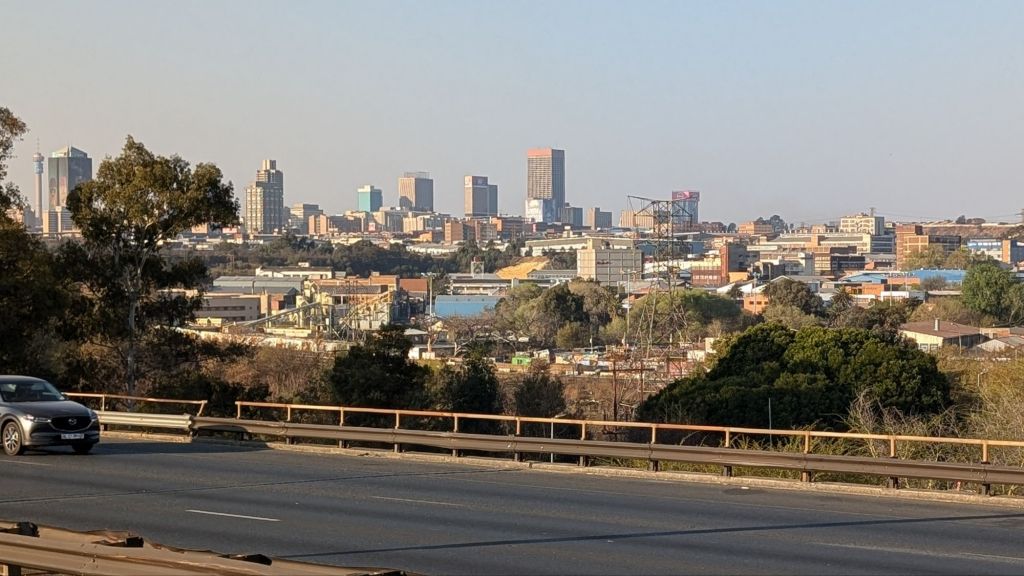
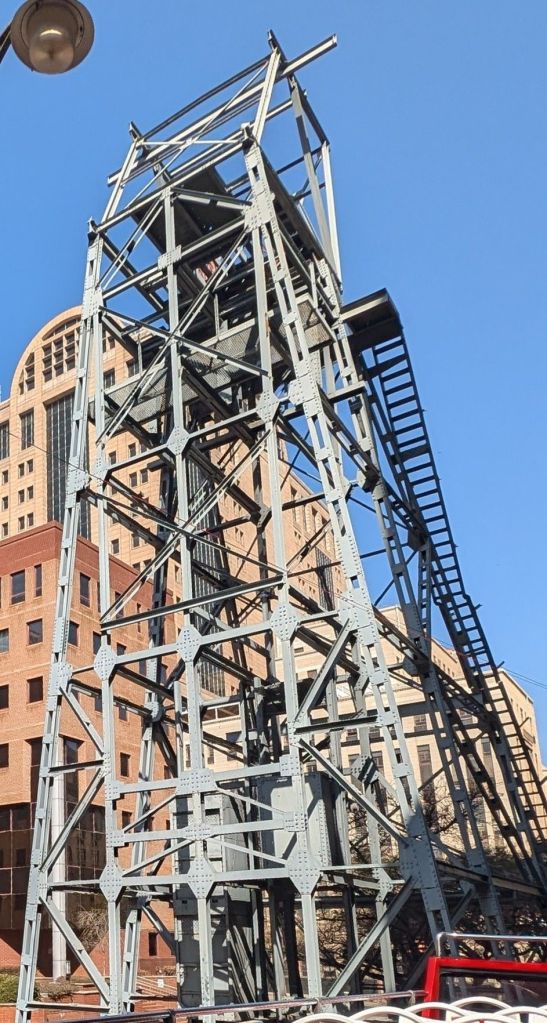
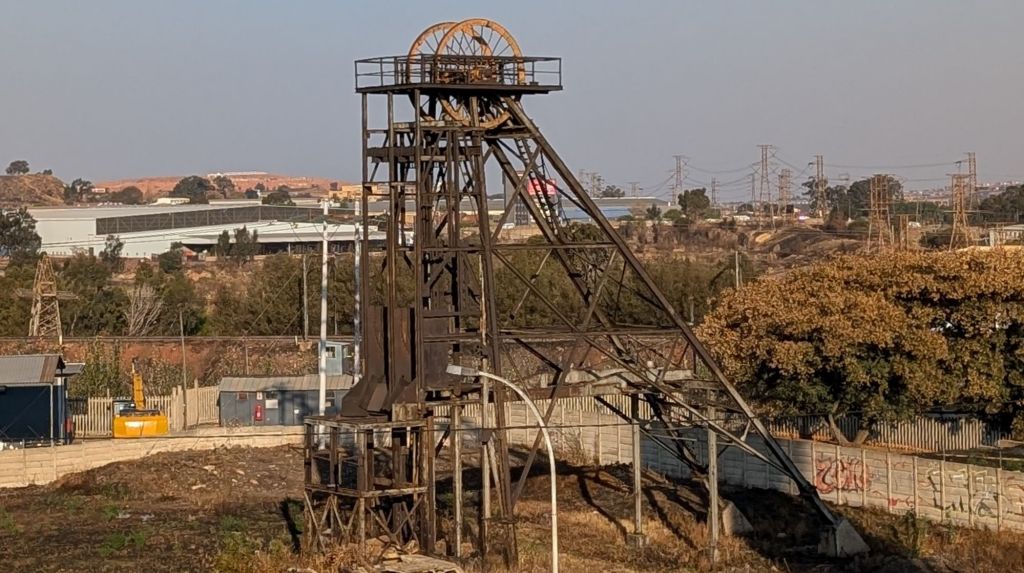
The founders of the city expected the gold boom to be short lived and that the city would fade away, so there was little in the way of urban planning. This led to infrastructure creation that prioritized construction to affluent areas. Electricity was installed in the affluent areas before water and sewage were installed for the working class neighborhoods. Roads were built too small. Because of this, the Downtown area, known as the Commercial Business District (CBD), had ill-suited utilities, small roads, and overall bad design. In the 1980s and 90s, businesses and the stock market trade center abandoned the CBD. Downtown Johannesburg became a destitute area of crumbling buildings and crime. We have been told by many individuals throughout Africa to avoid visiting the CBD because of the risk of being robbed. So we stayed on the bus and just toured it. There are attempts to rebuild, but from what I saw on the tour, it wasn’t much.
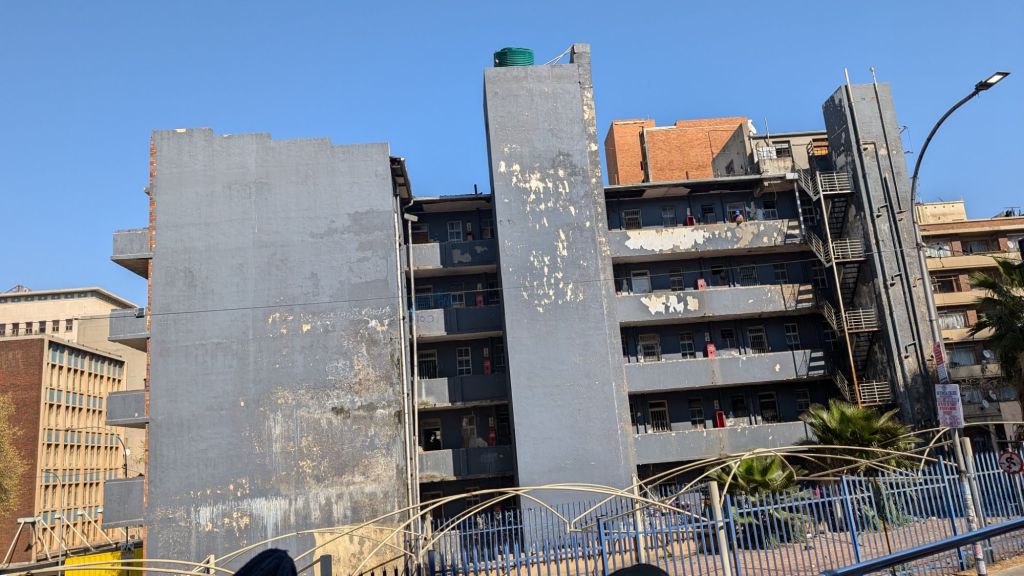
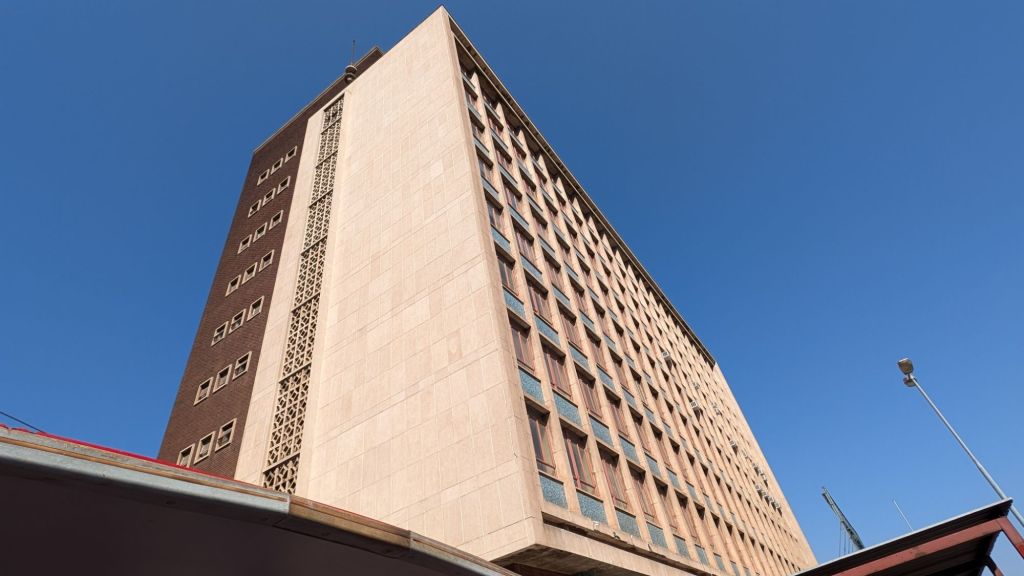
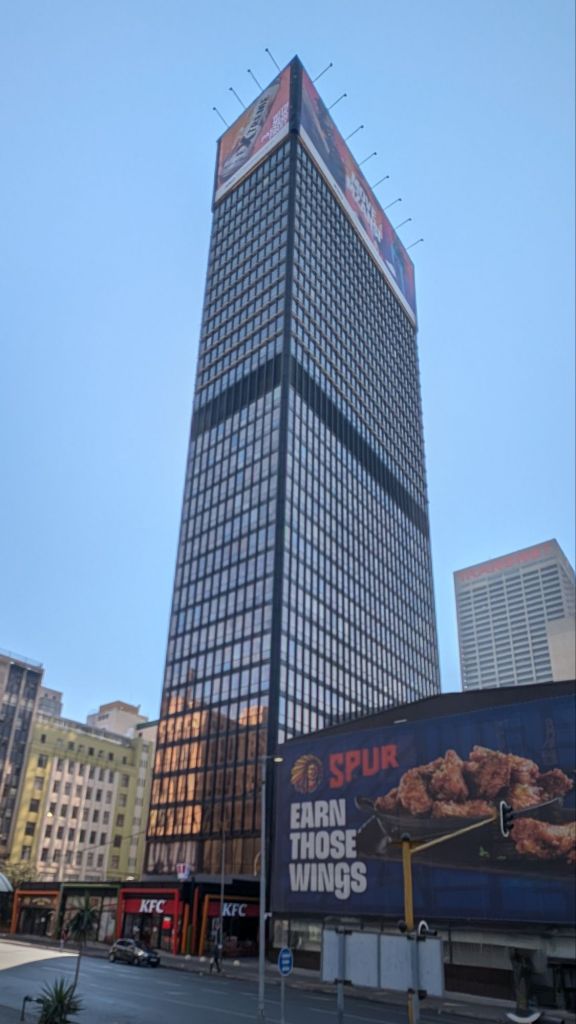
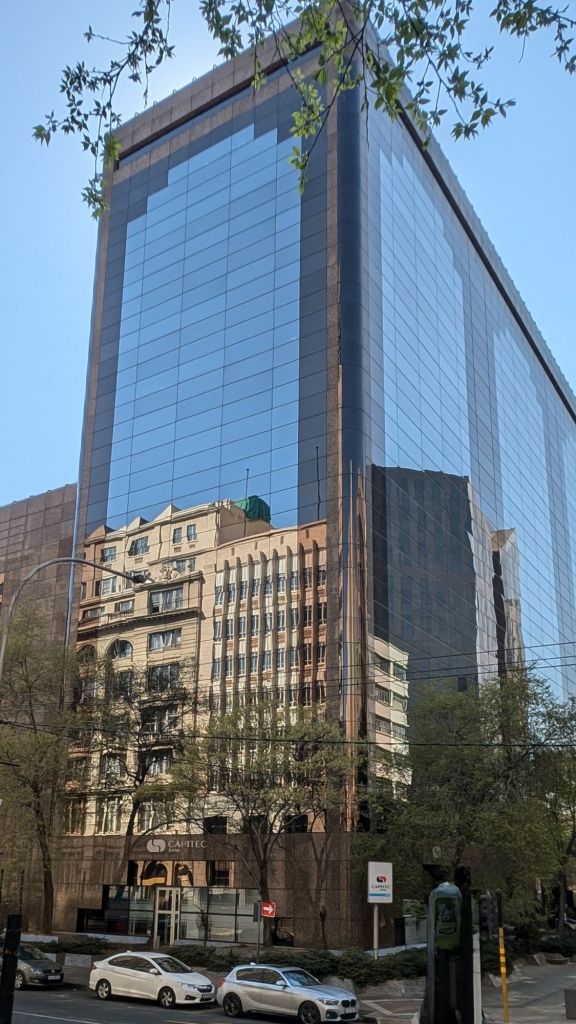
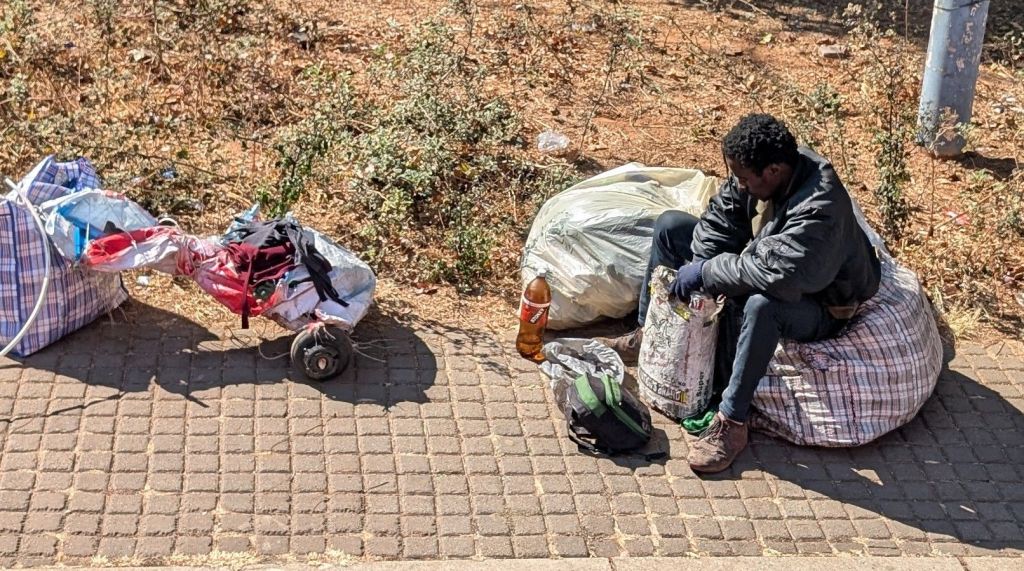
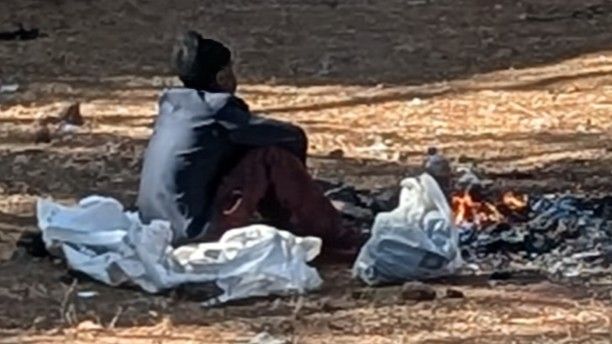
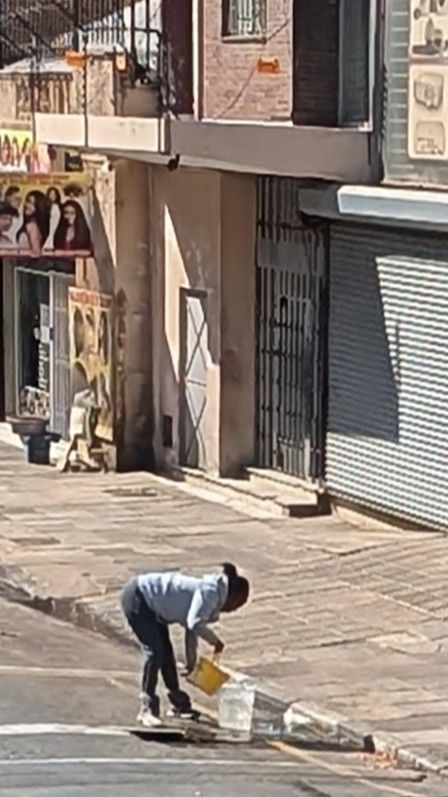
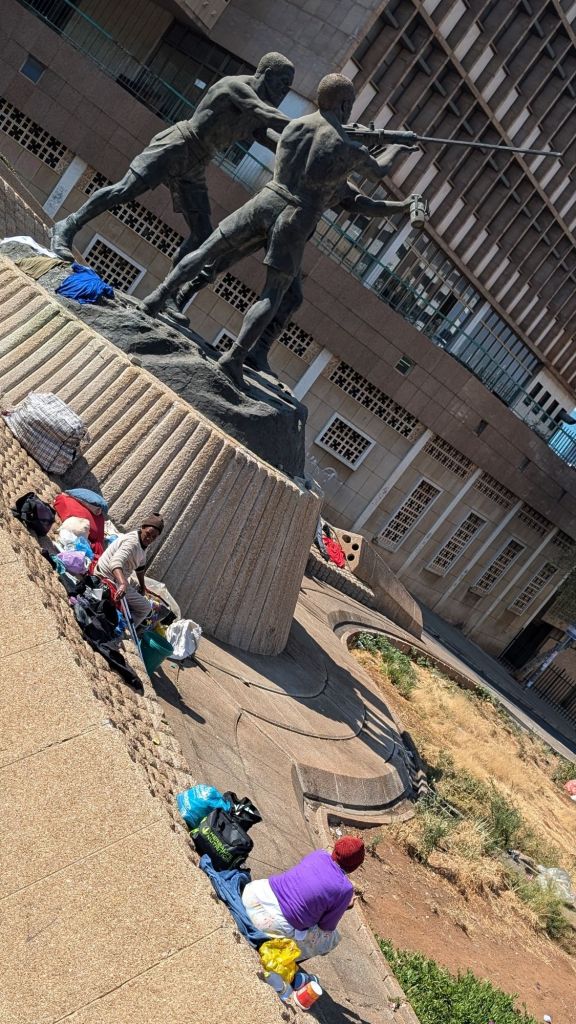
Some of these buildings give an incorrect impression of downtown; there were some lovely buildings, but there were more run-down ones. And poverty and homelessness was rife.
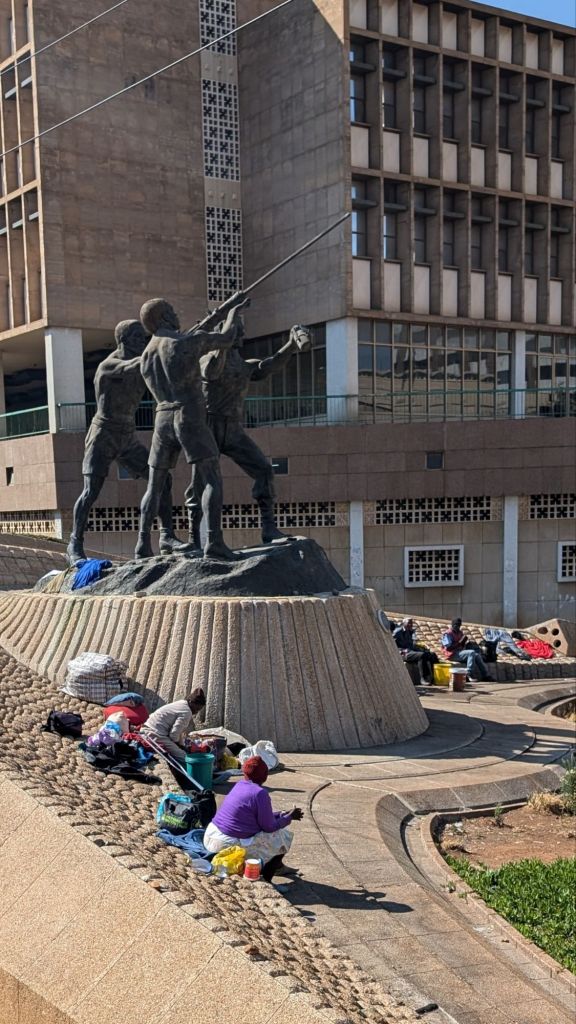
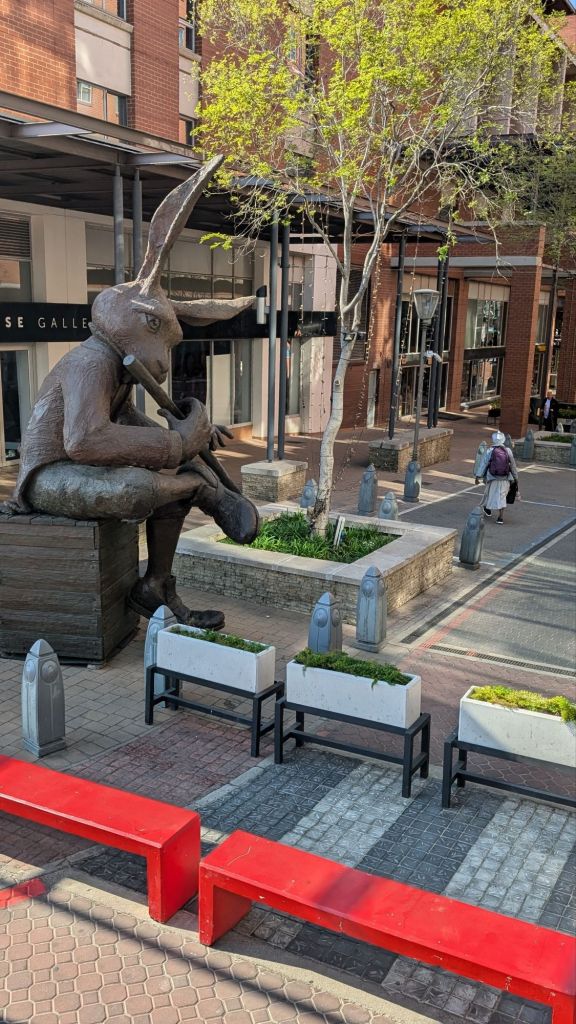
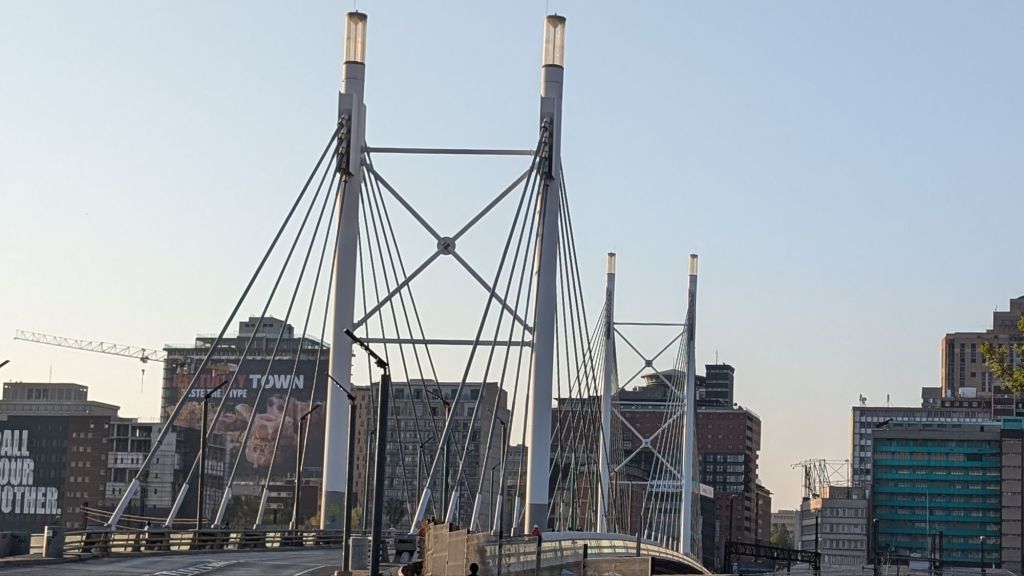
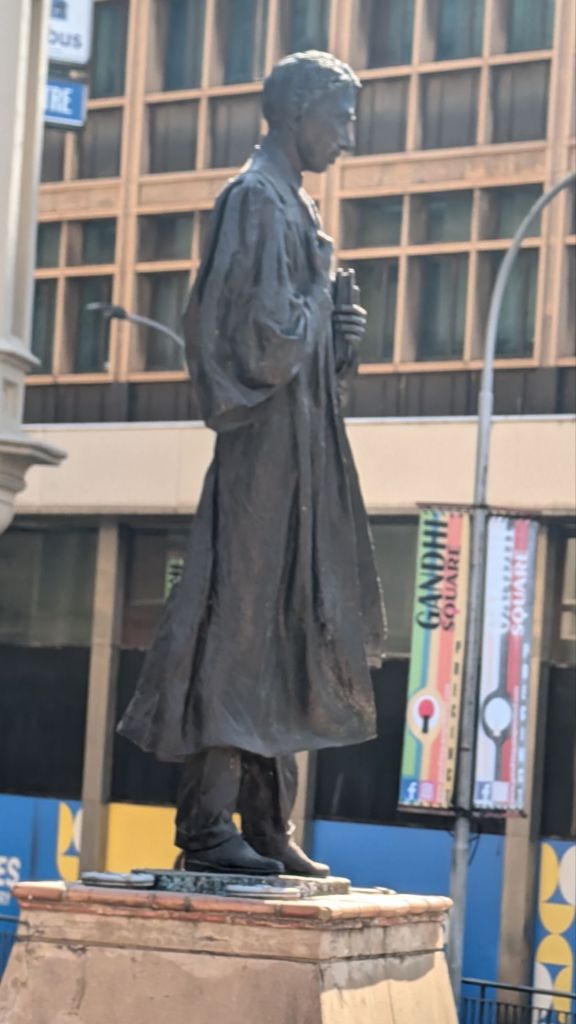
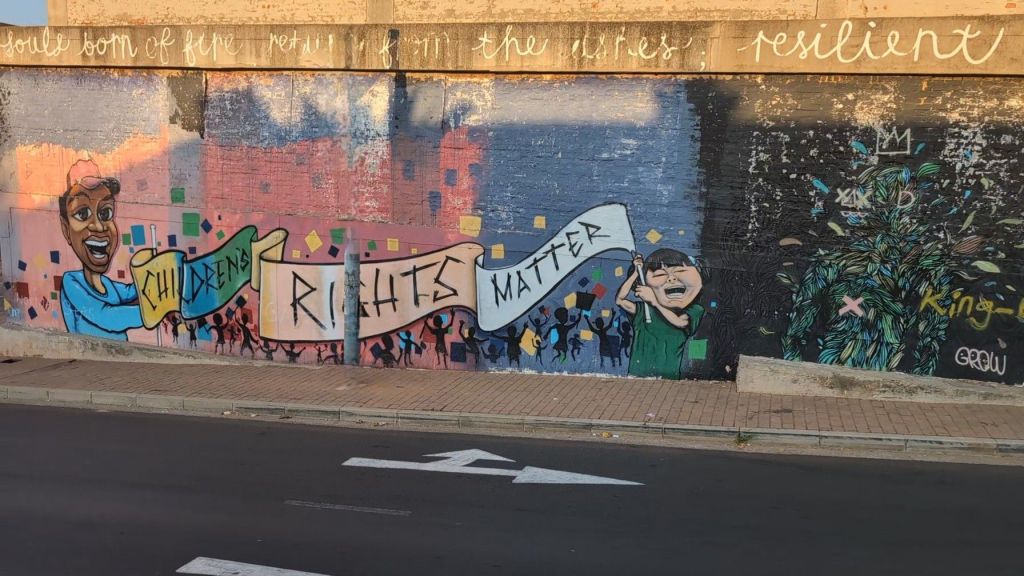
But the street art in the CBD was very special.
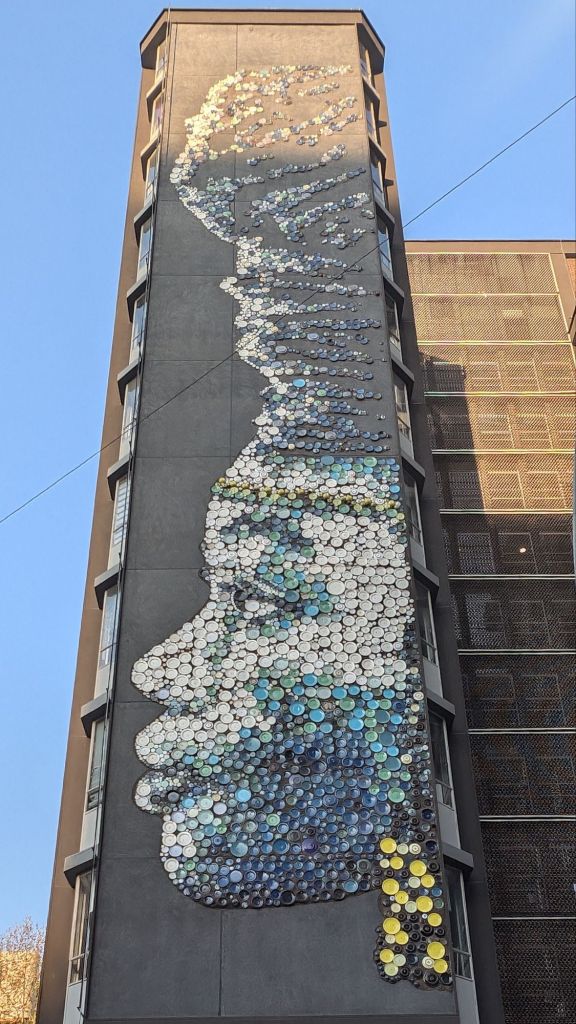
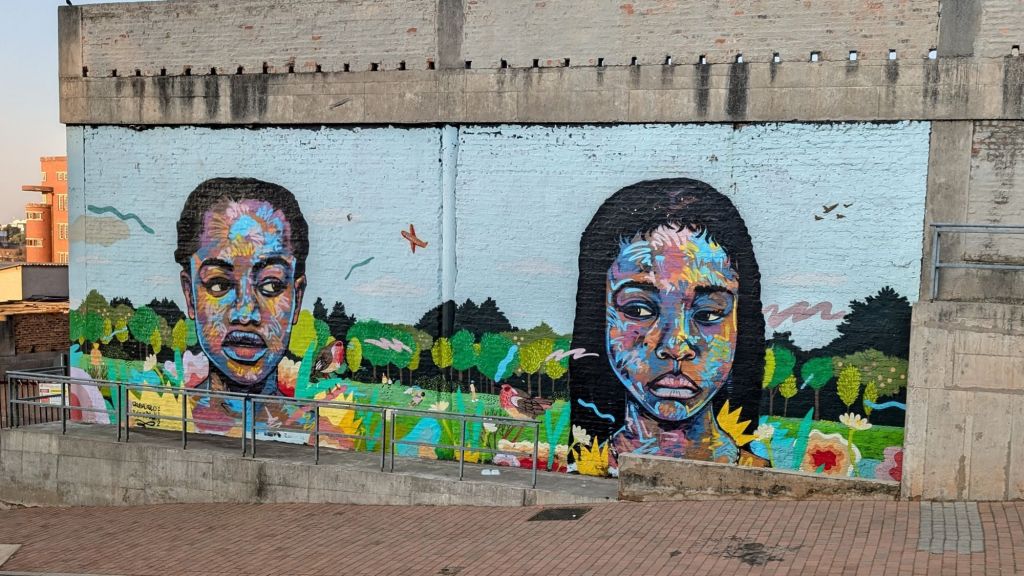
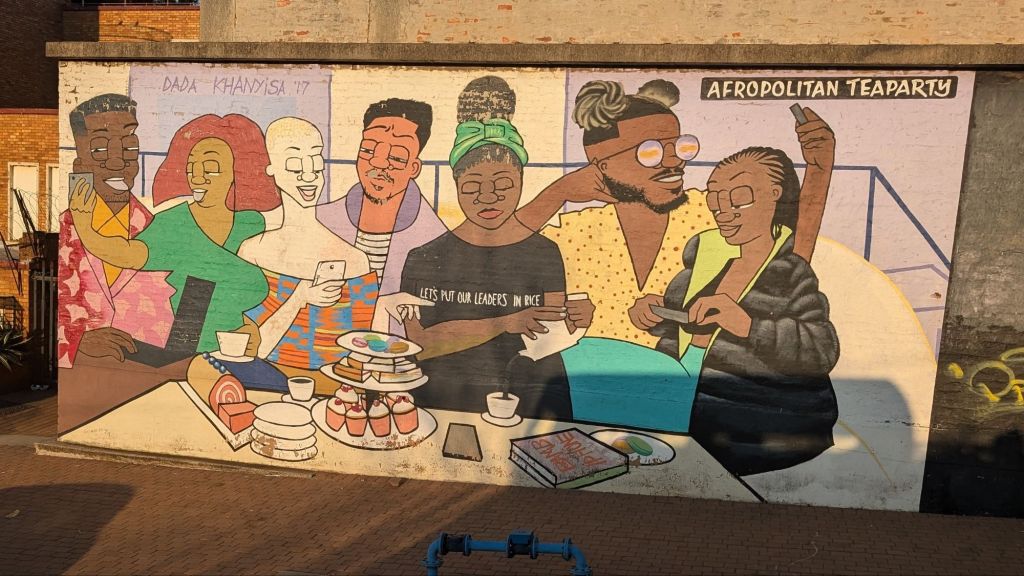
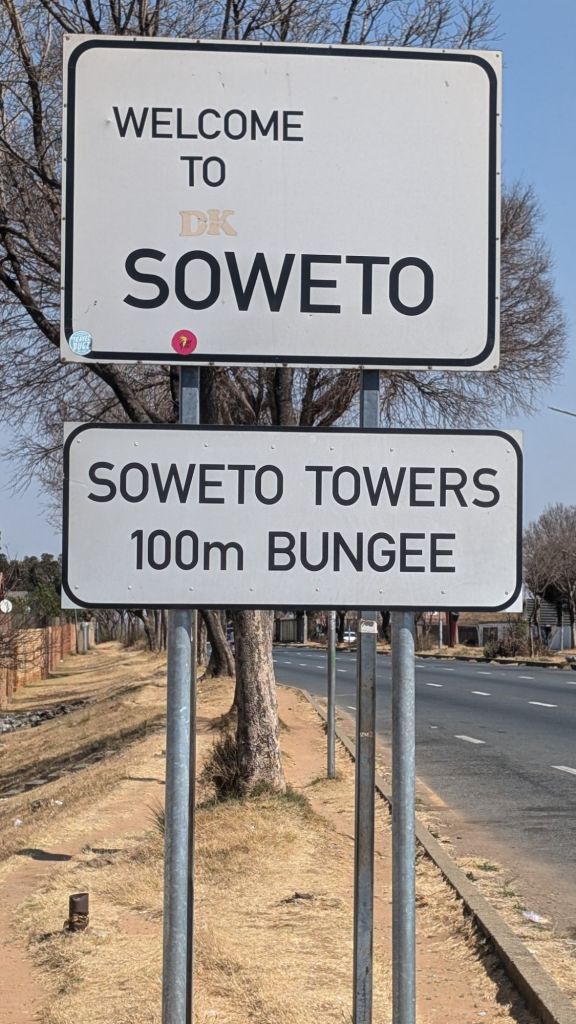
We got off the bus near the museum, but had opted to do a side tour through Soweto on a different bus. Soweto (South Western Townships) is a very significant area for the battle of freedom from apartheid. It was created in the 1930s when the White government started separating Blacks from Whites, creating black “townships”.
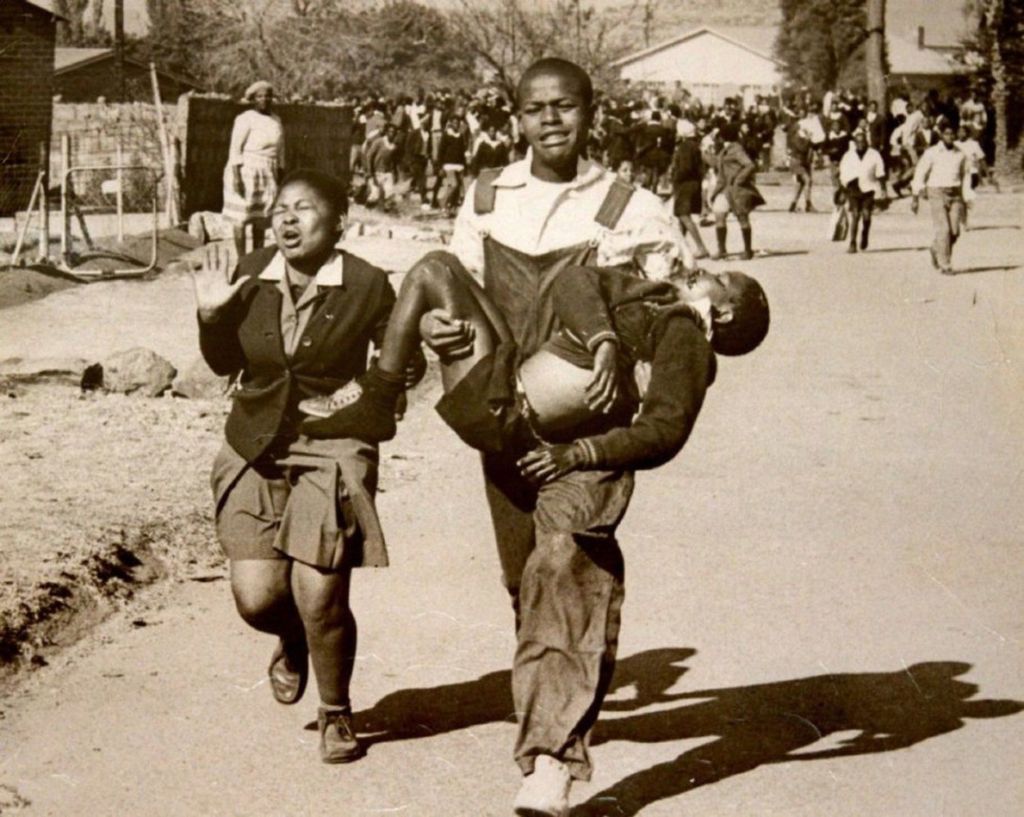
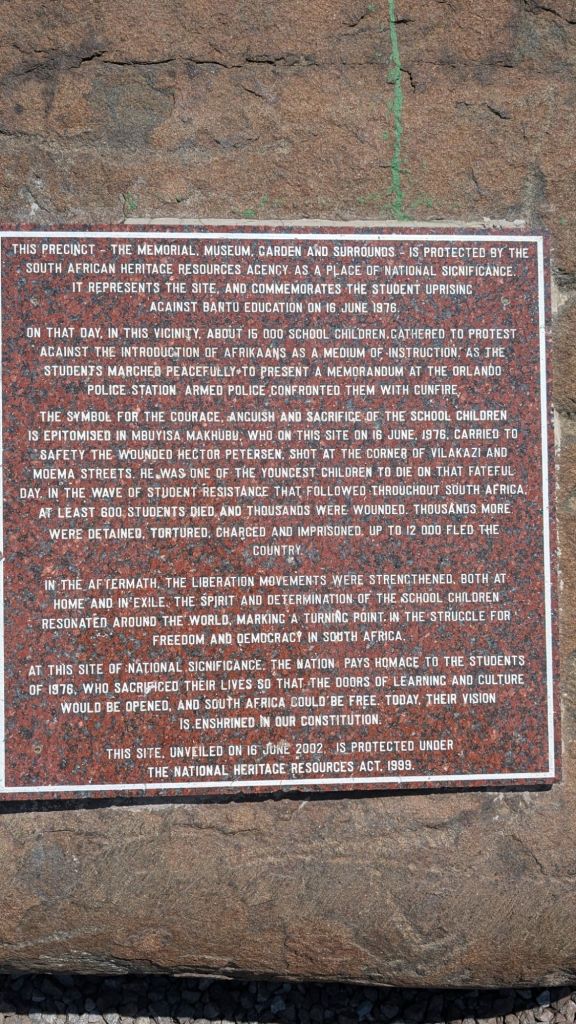
In 1976, things changed in the fight for freedom from oppression. Up until then, protests were peaceful. But on June 16, 1976, a peaceful student- protest (8-17 year olds marching to protest a recent educational change making Afrikaans the language to be used in all schools), violence erupted. A policeman set his dog on some students; the students threw stones at the dog and, ultimately, killed it. The police then opened fire which resulted in Hector Pieterson, a 12 year old student, being killed. Ultimately, these student protests would result in 176 students being killed and more than 1,000 injured. These student protests also resulted in the end of peaceful demonstrations and the start of a much more violent plan.
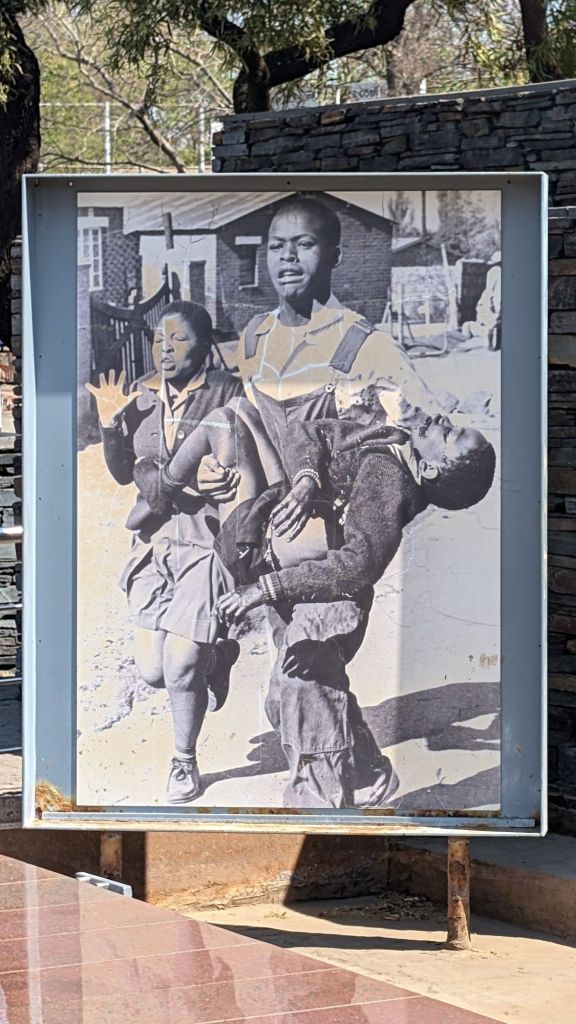
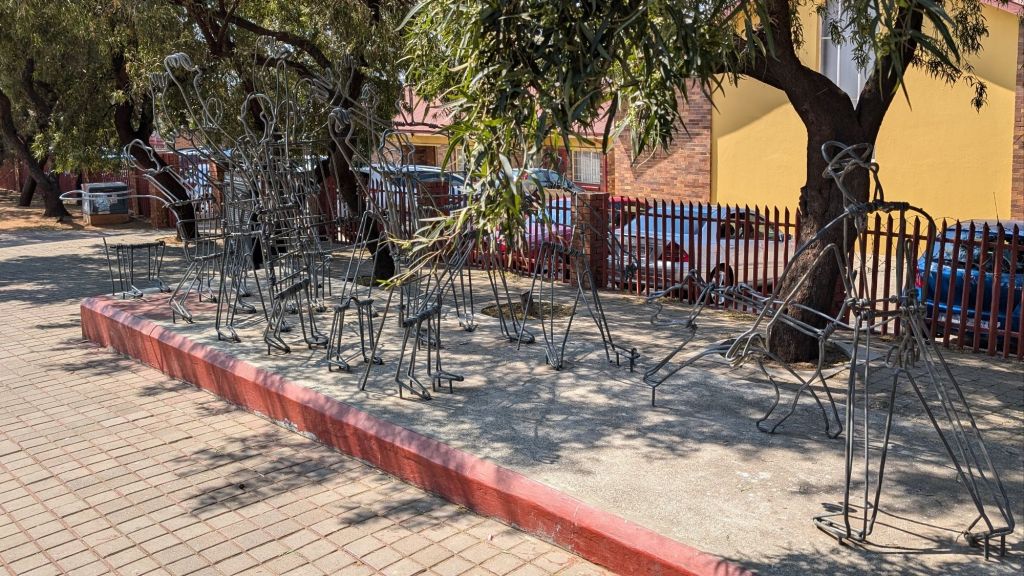
A memorial was erected on the site where Hector Pieterson was killed. The somberness of the memorial was palpable, and I got very choked up. Hector’s sister still visits the memorial most days; sadly, we missed her as she had been there earlier in the day.

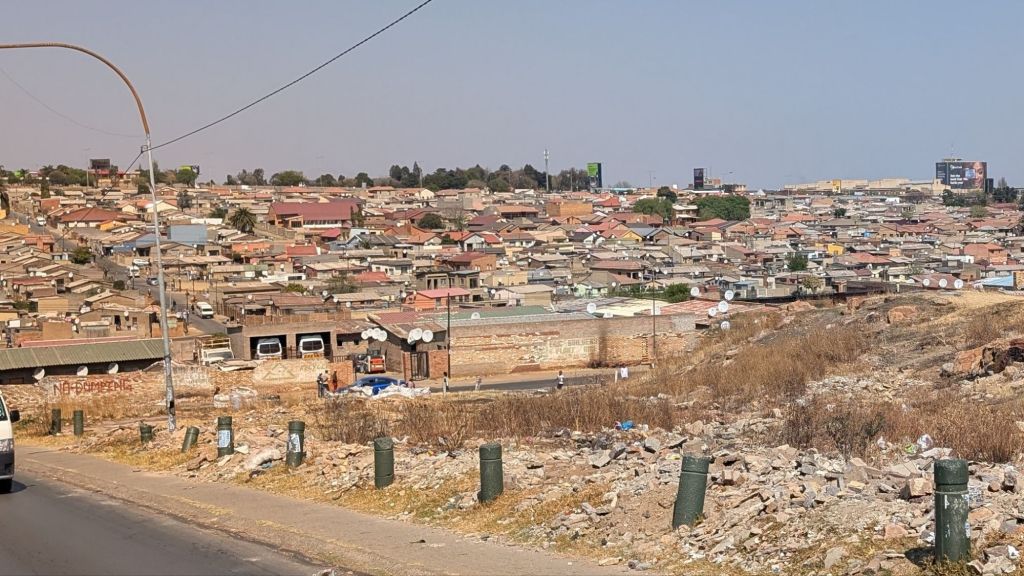
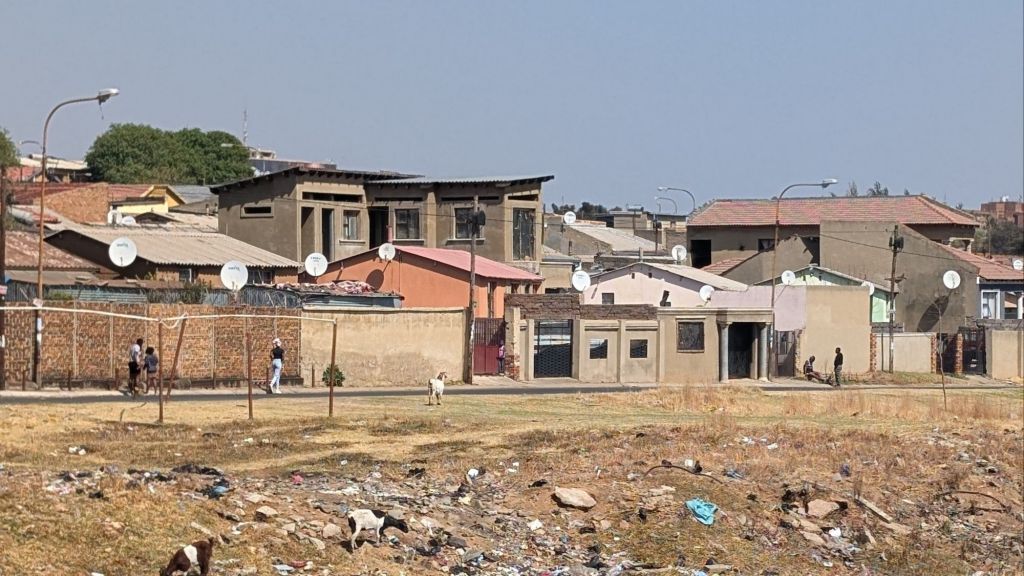
When one searches the Internet for Soweto, one gets a deluge of images of shantytowns. This is what I was expecting to see as we toured through the townships. And I saw them; but I also saw nicer neighborhoods! Wealth disparity is as evident in Soweto as it has been throughout our travels. But there is a lot of investment going into improving the area. It is speculated that in 20 years, all shantytowns in Soweto will have been removed. I’m not so certain as this isn’t a Soweto problem, a Joburg problem, a S. Africa problem, or even an African problem; it’s a world problem that’s, seemingly, getting worse. But wealth disparity itself isn’t the problem in my opinion, as that’s just the result of educational, health-care, economic etc. disparity. Some people are always going to be more motivated and committed to success than others so disparity will always exist. Perhaps the real danger is in OPPORTUNITY-disparity.

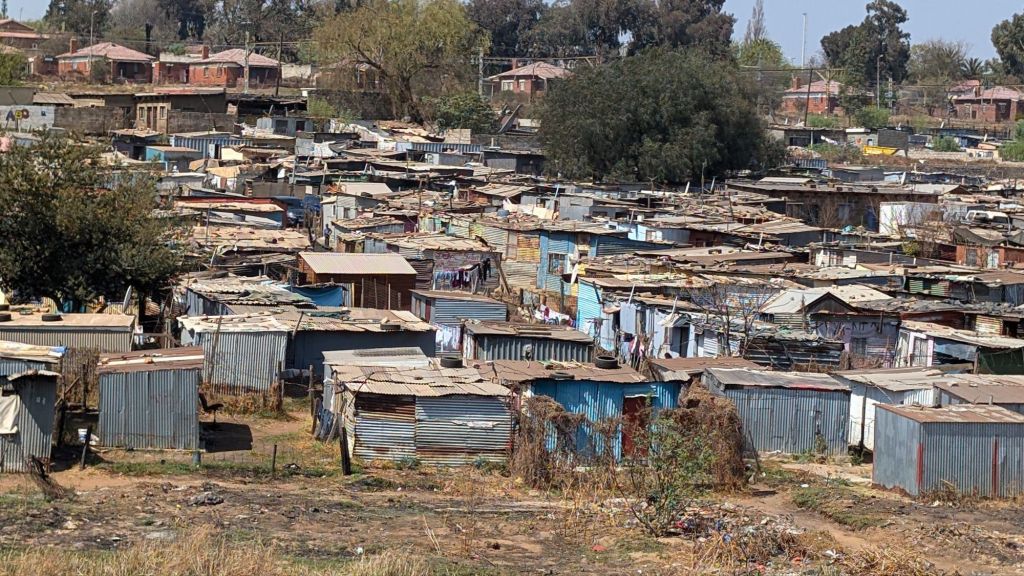
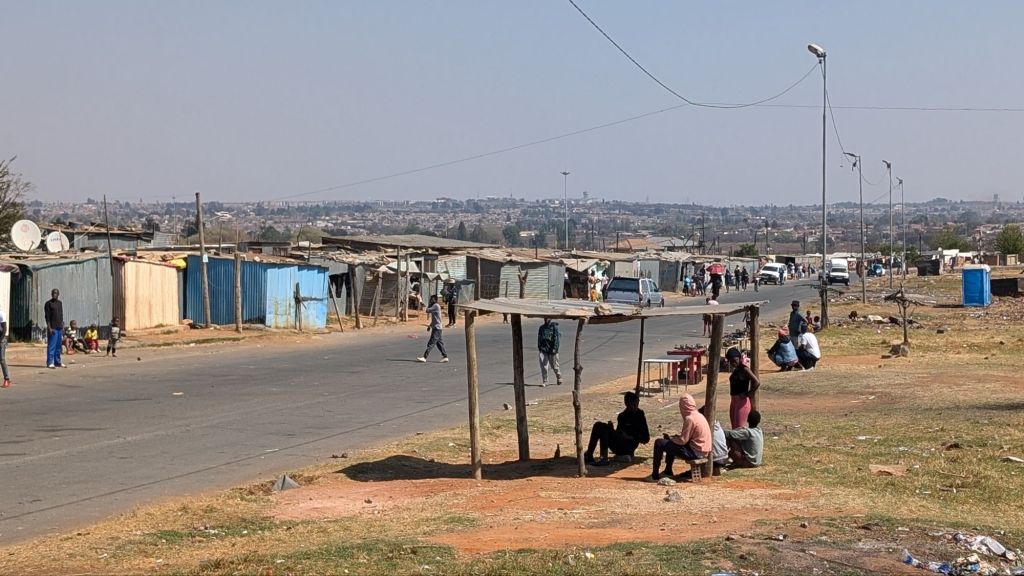
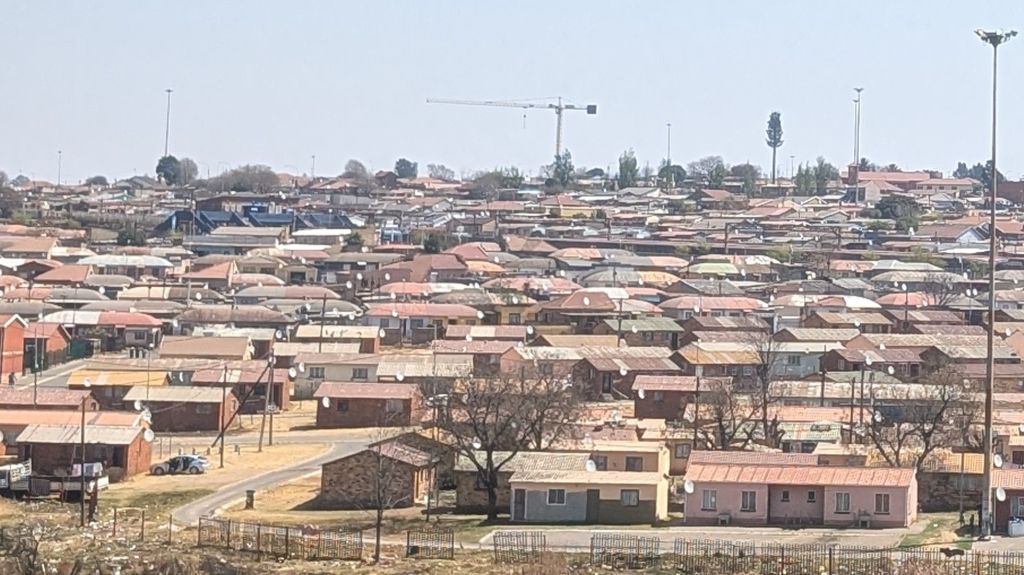
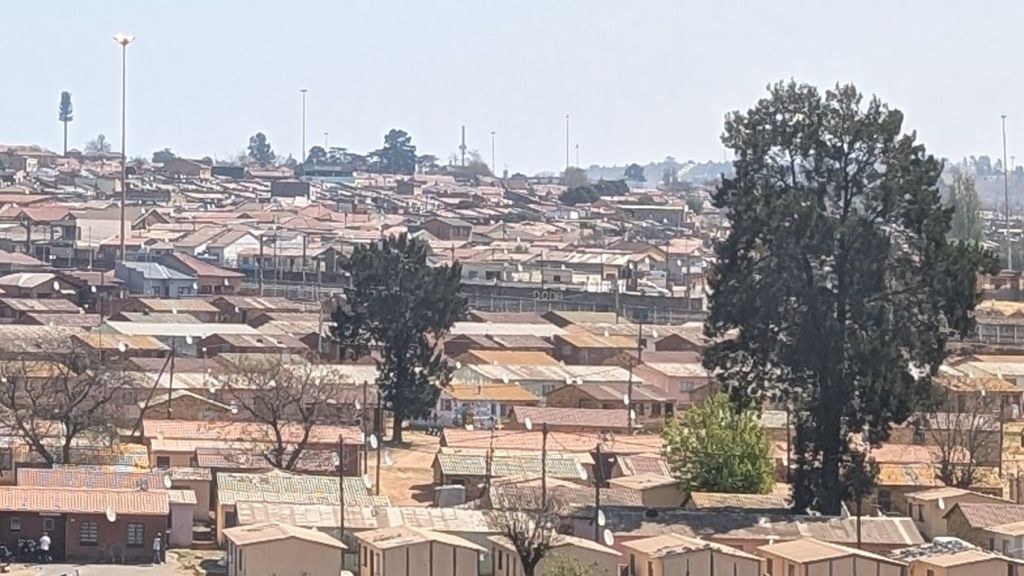
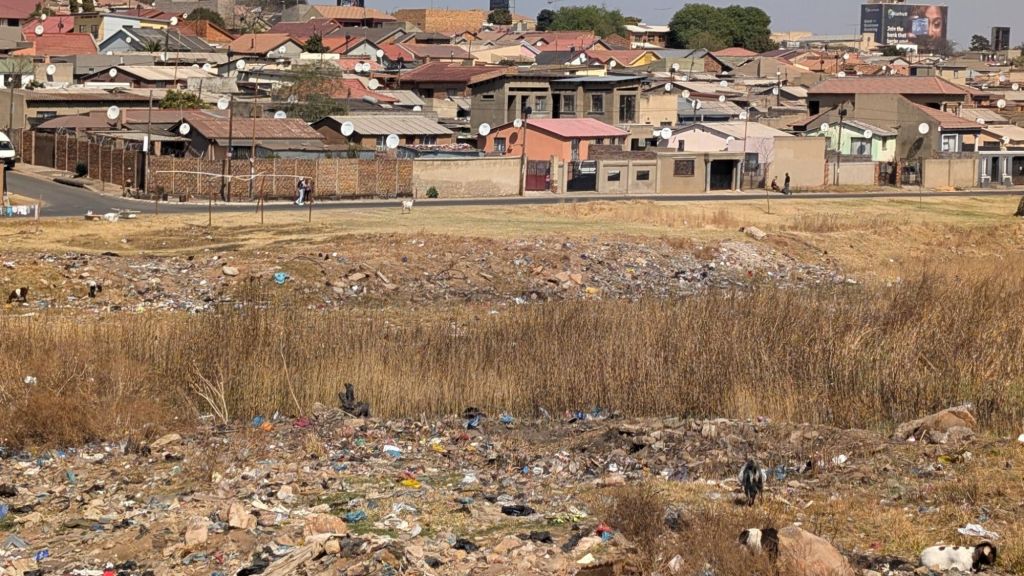
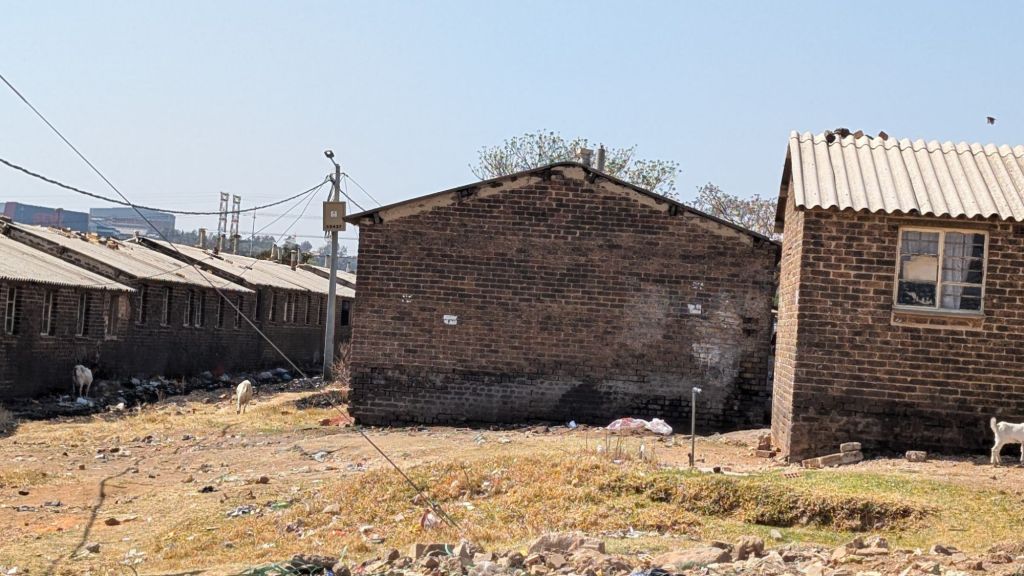
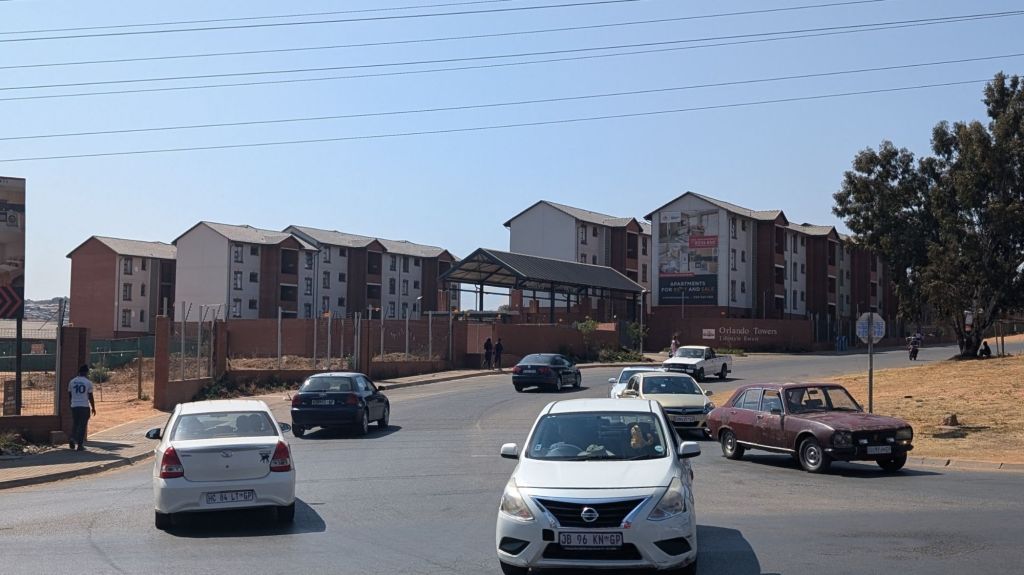
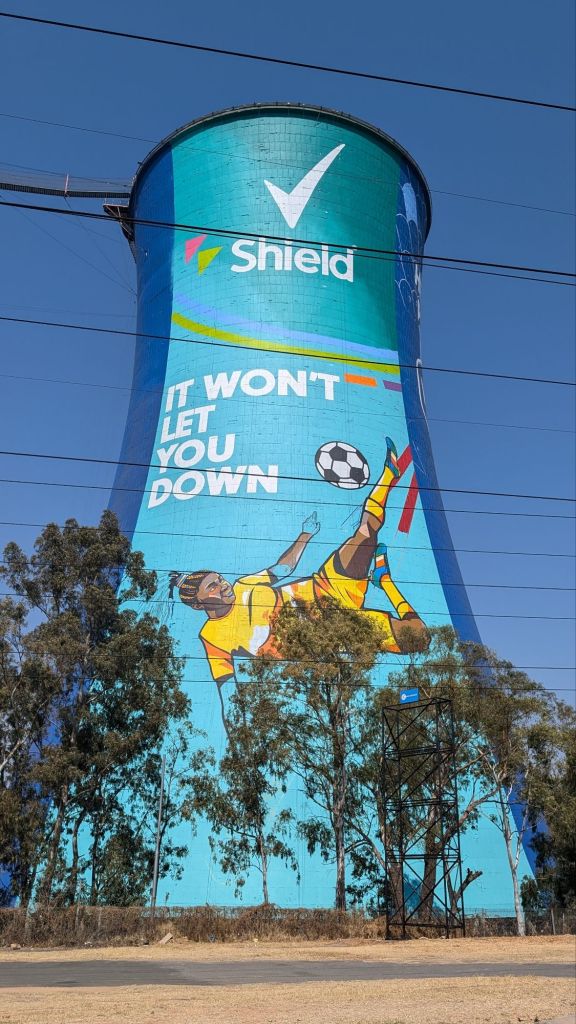
Soweto is constantly improving. It is the location of the third largest hospital in the world (over 2 km long), the 4th largest stadium, and a couple of 30 story smoke stacks

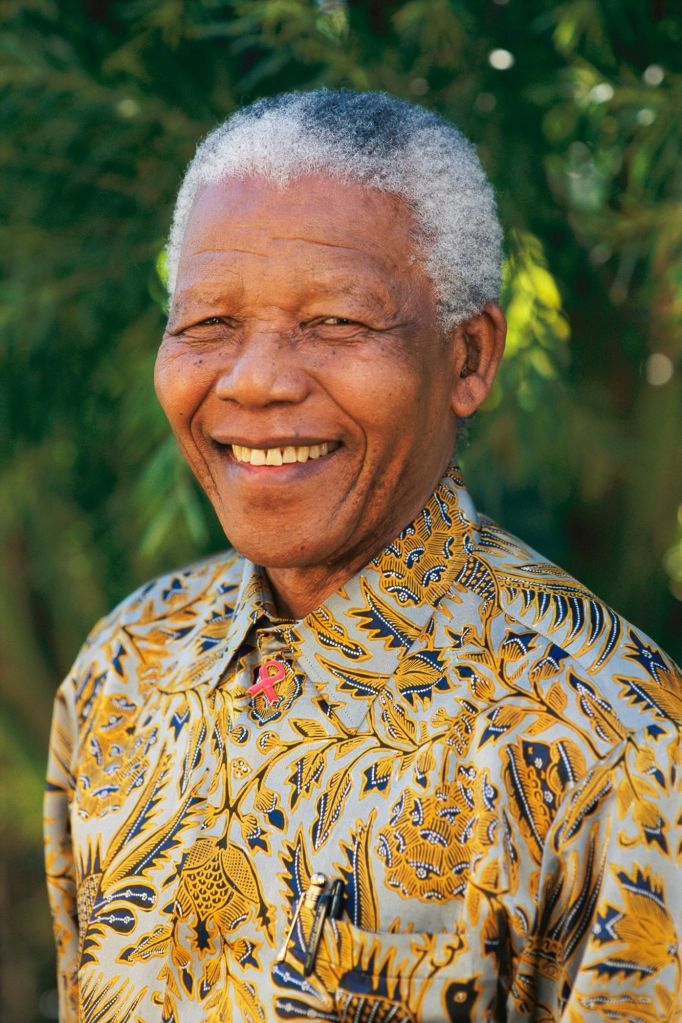
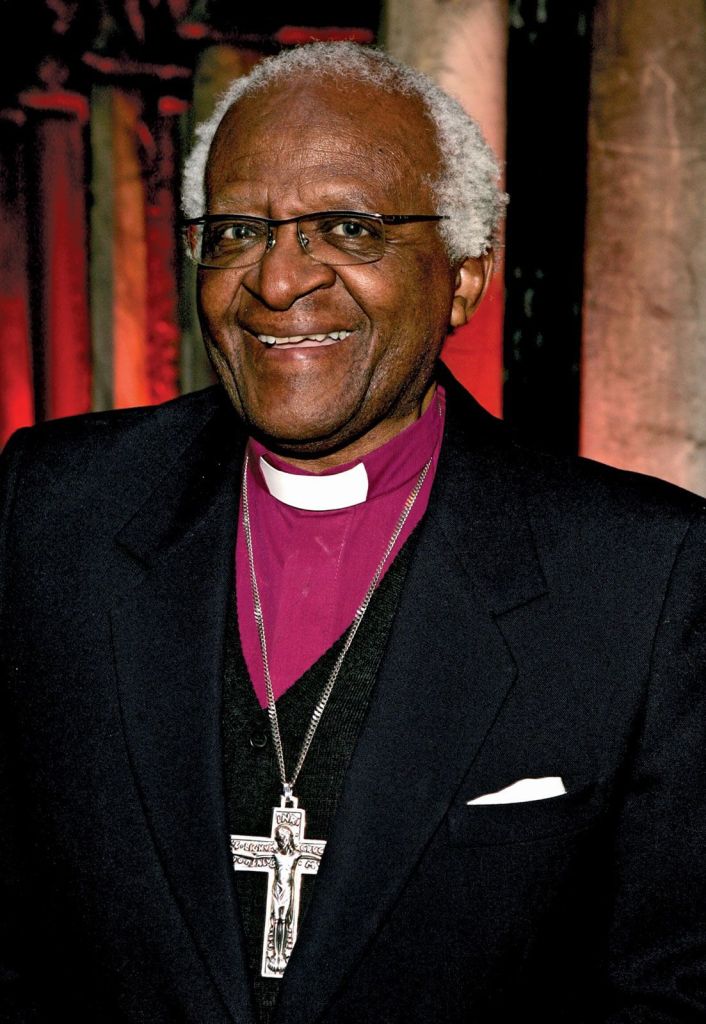
Soweto was also the home to both Nelson Mandela, and Reverend Desmond Tutu. Both of them actually lived on the same street but not at the same time, though they spent one night together on this street the day Mandela got out of prison.
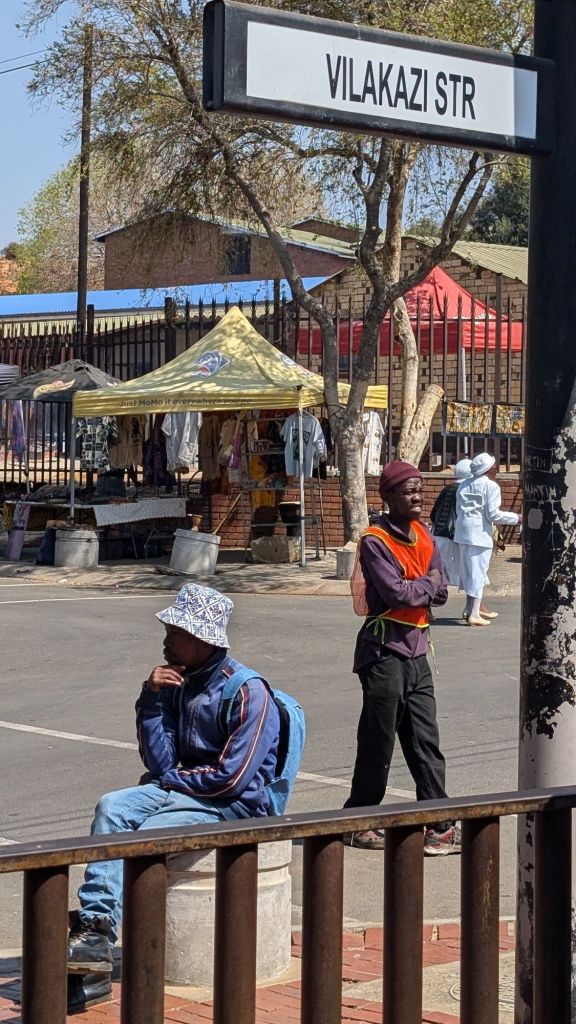
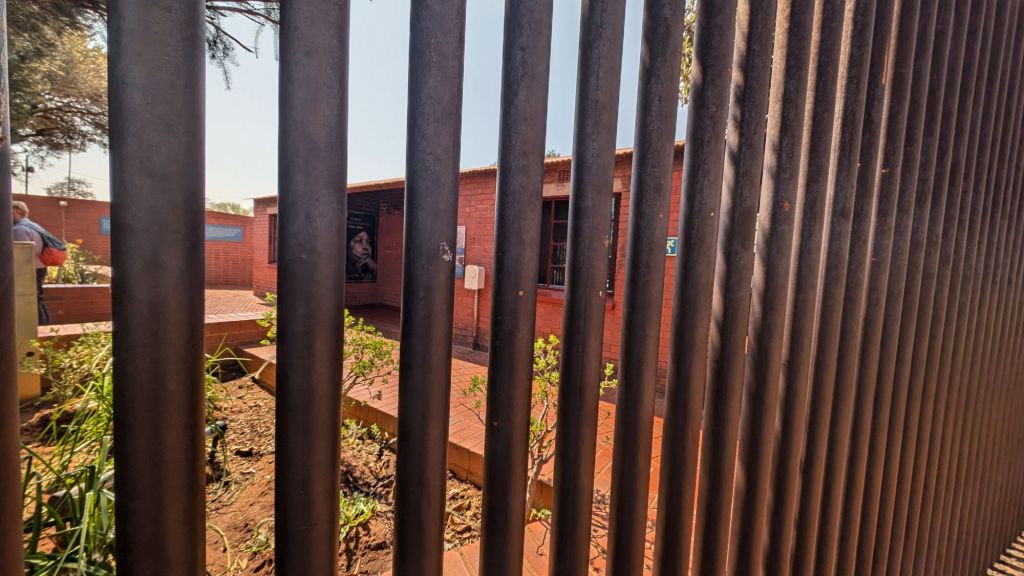
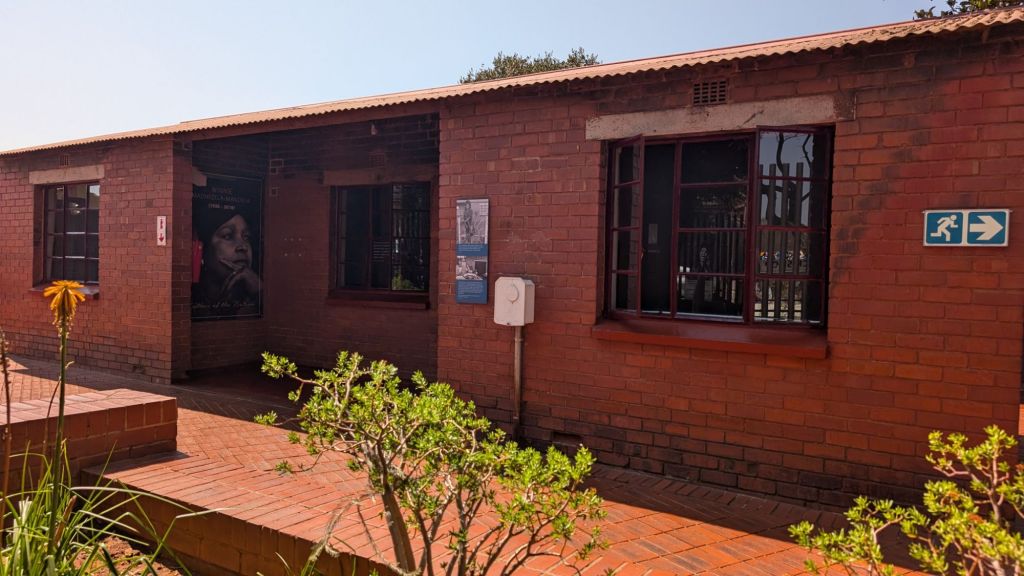
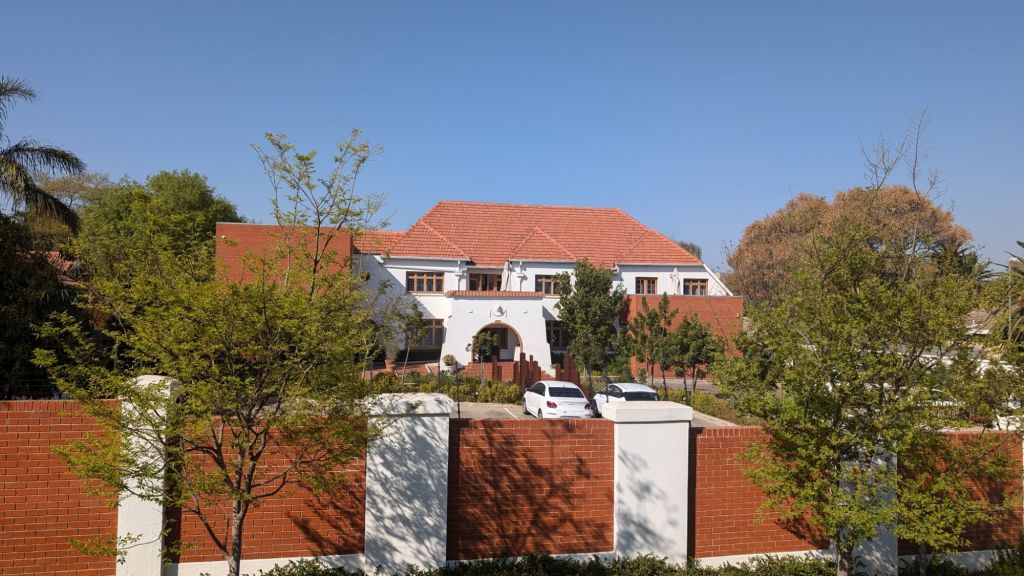
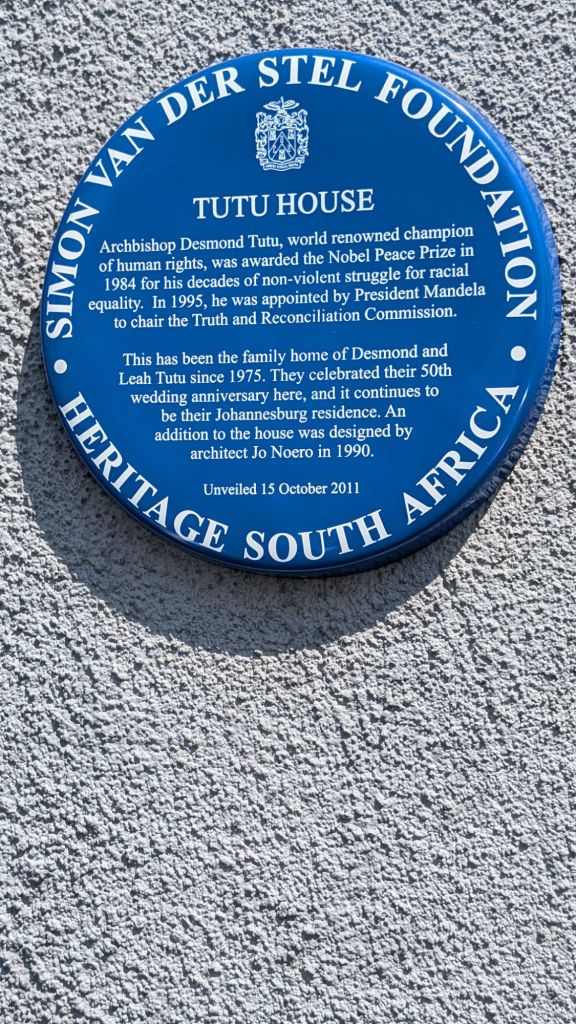
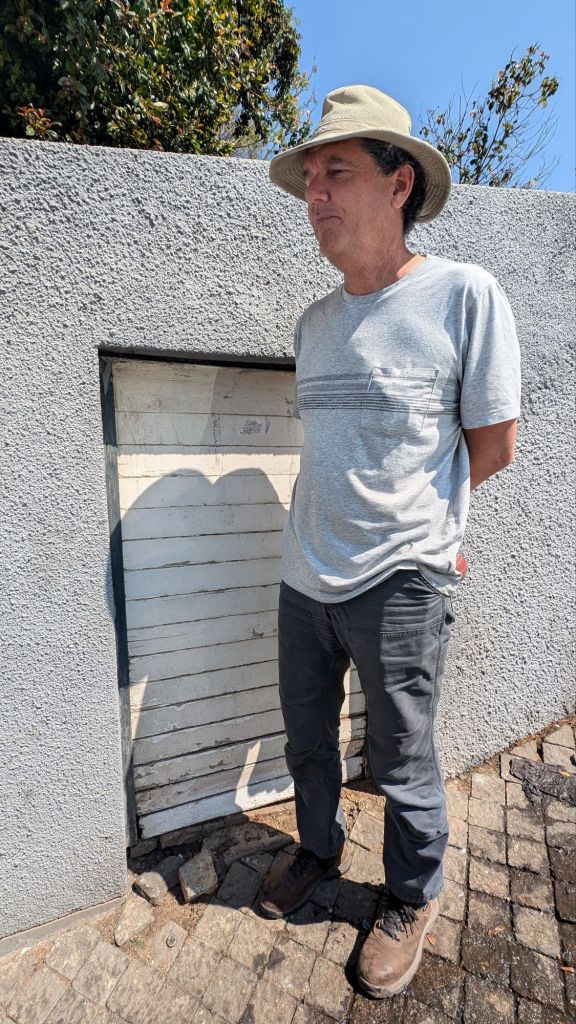
The story of these two men far exceeds the capacity of this blog, but their role in the abolishing of apartheid is crucial in understanding this historical event. Their great importance was explained at the Apartheid Museum.
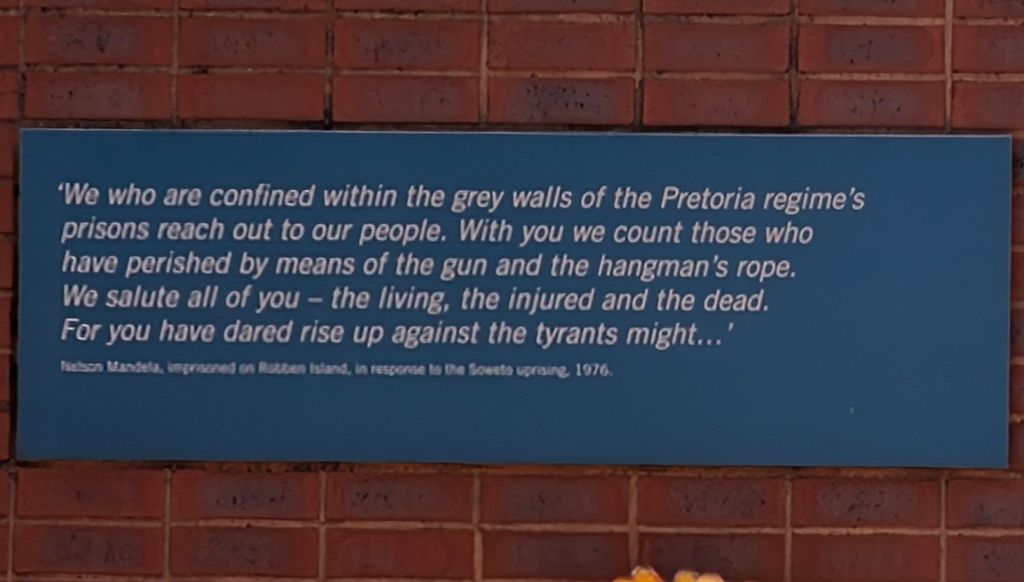
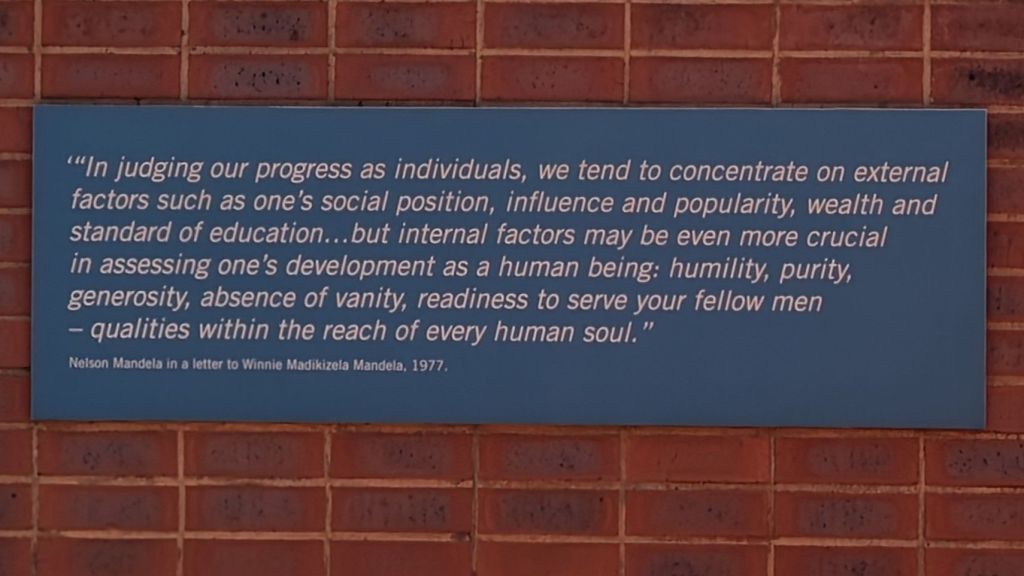
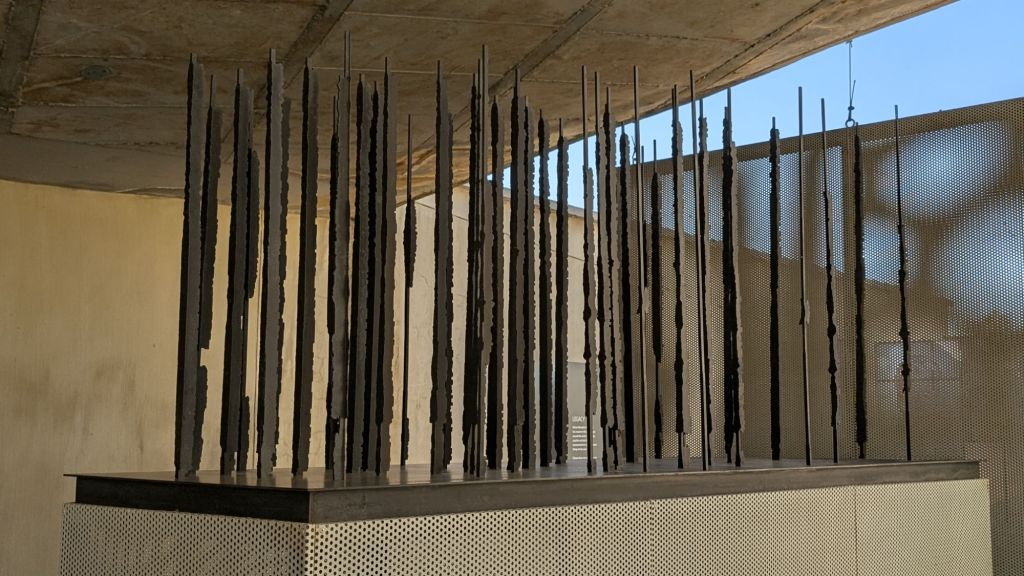
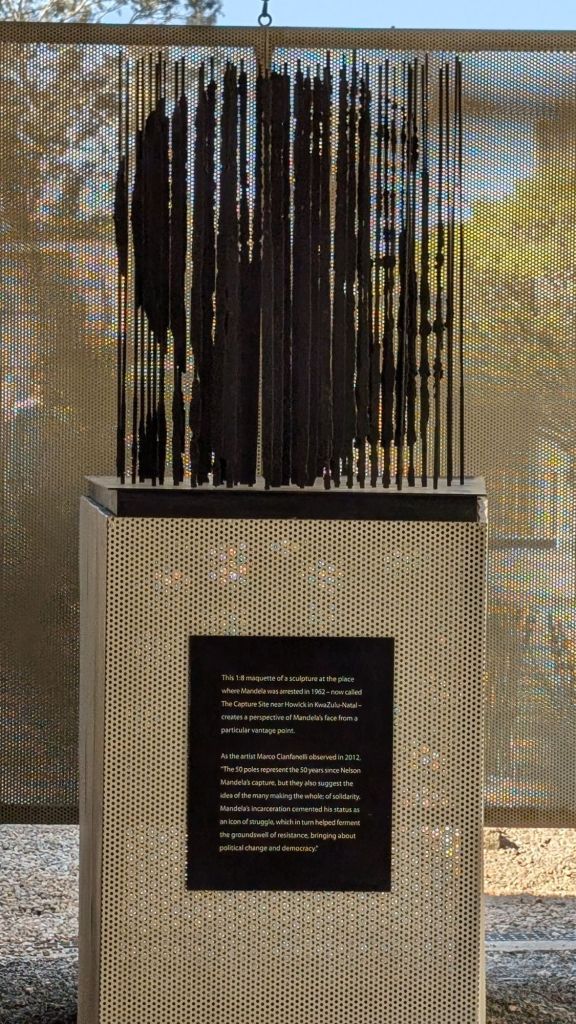
Unfortunately, we only had 2.5 hours to visit the museum before the last bus pickup, and had to skip some. The museum had a whole exhibit dedicated to Nelson Mandela. In brief, he was an anti-apartheid activist and president of the ANC beginning in the 1940s. He was frequently arrested throughout the 1950s and early 60s for seditious activities in his efforts to abolish apartheid. Although initially committed to non-violent protest, he co-founded the militant uMkhonto we Sizwe in 1961 after the Sharpeville massacre and led a sabotage campaign against the apartheid government. He was arrested and imprisoned in 1962, and, following the Rivonia Trial, was sentenced to life imprisonment for conspiring to overthrow the state. Amid growing domestic and international pressure and fears of racial civil war, President F. W. de Klerk released him in 1990. Mandela and de Klerk led efforts to negotiate an end to apartheid, which resulted in the 1994 multiracial general election in which Mandela led the ANC to victory and became president.
There was a smaller exhibit dedicated to the Reverend Desmond Tutu. Basically, he was a South African Anglican bishop and theologian, known for his work as an anti-apartheid and human rights activist. He was Bishop of Johannesburg from 1985 to 1986 and then Archbishop of Cape Town from 1986 to 1996, in both cases being the first Black African to hold the position. After President F. W. de Klerk released the anti-apartheid activist Nelson Mandela from prison in 1990 and the pair led negotiations to end apartheid and introduce multi-racial democracy, Tutu assisted as a mediator between rival black factions. After the 1994 general election was won by Mandela, Tutu was selected to chair the Truth and Reconciliation Commission to investigate past human rights abuses committed by both pro and anti-apartheid groups.
After these two exhibits, we were left with 1.25 hours to complete the rest of the museum (which normally takes over 2 hours). There was a LOT of reading involved, and I found myself reading gradually reading only the headlines as I advanced through the exhibit.
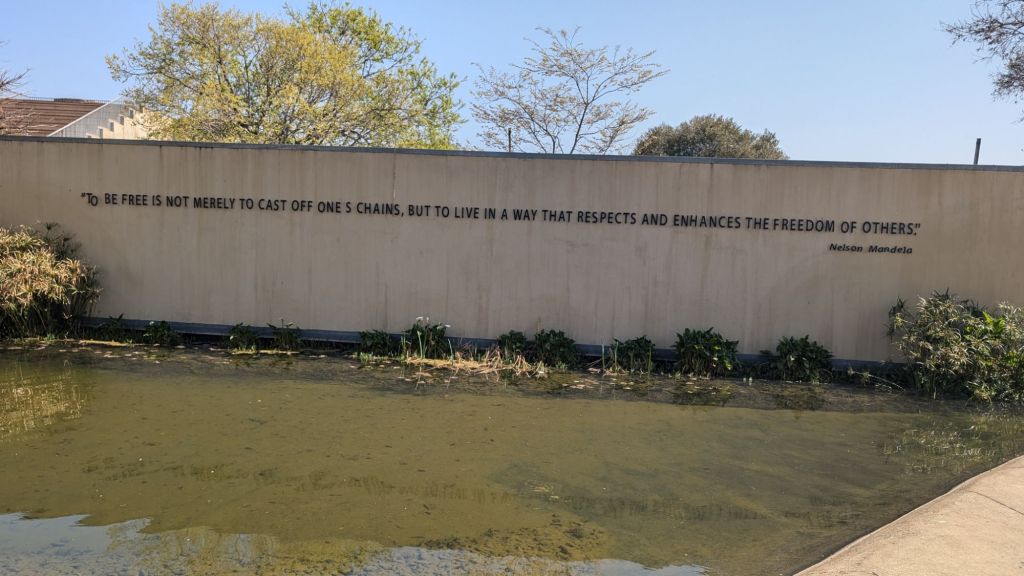
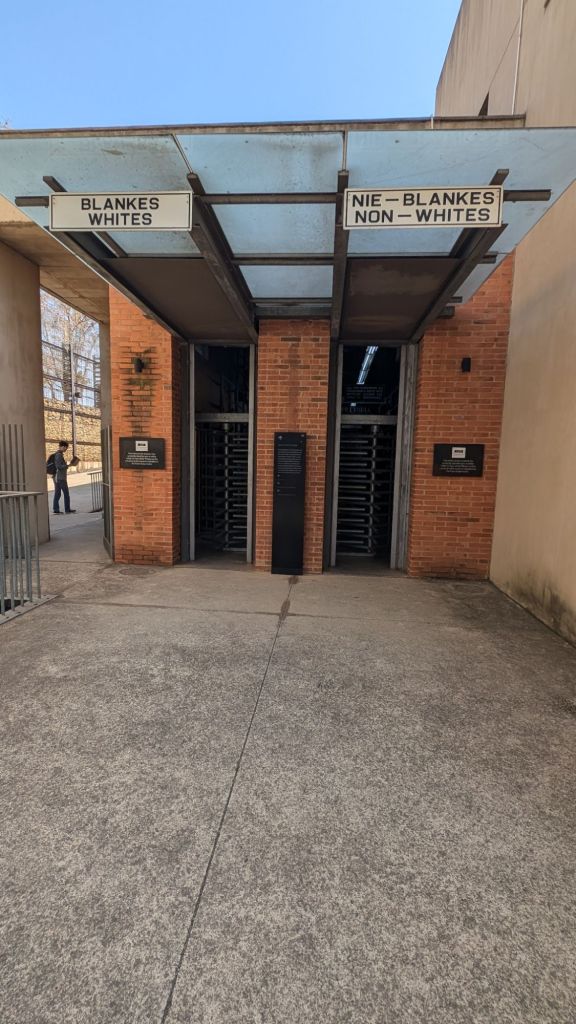
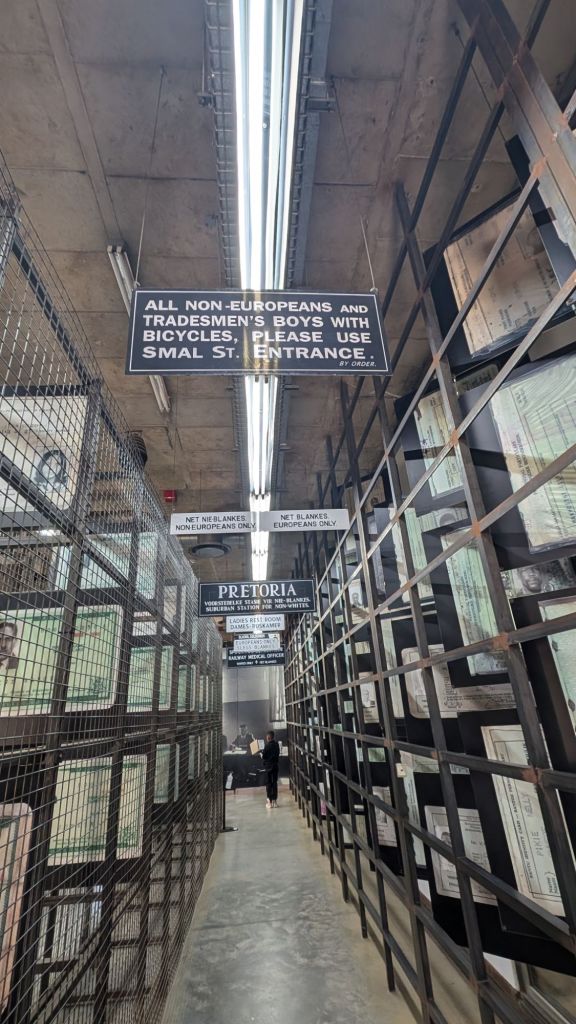
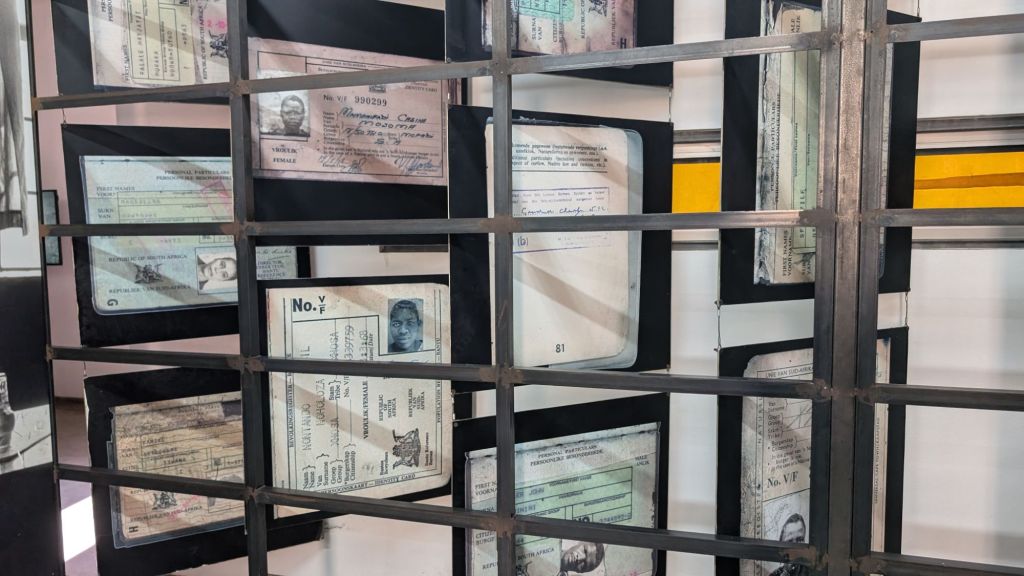
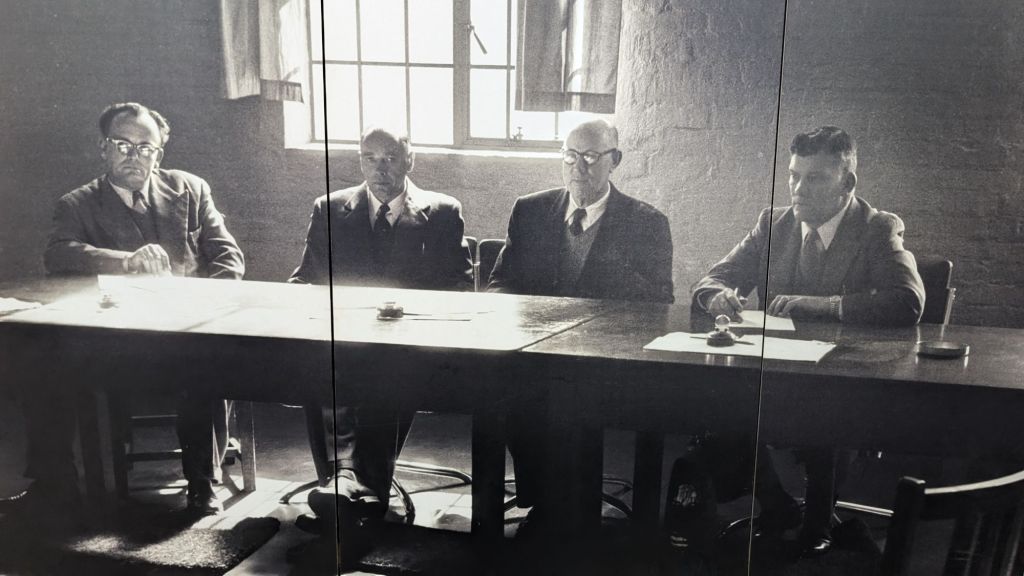
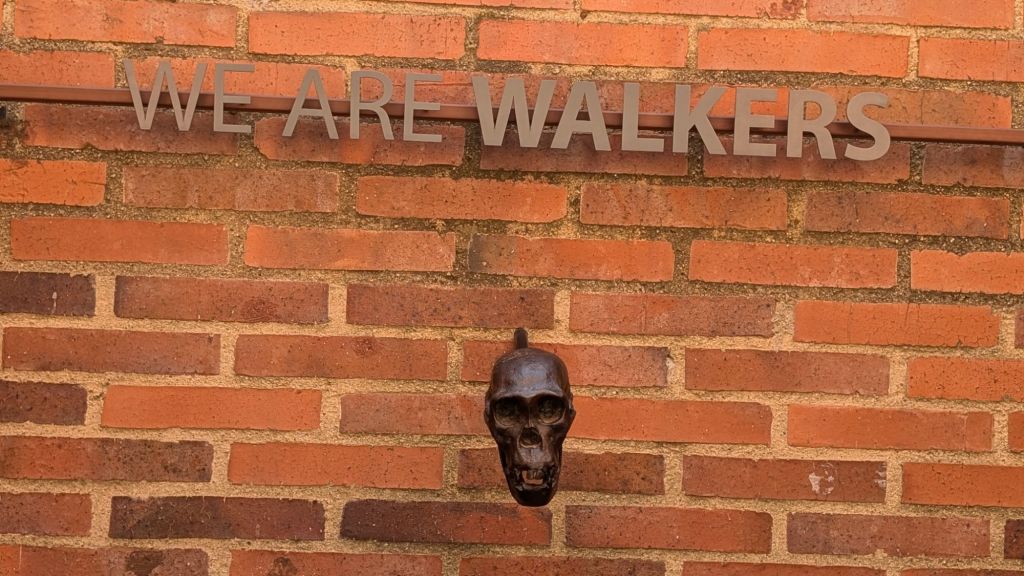
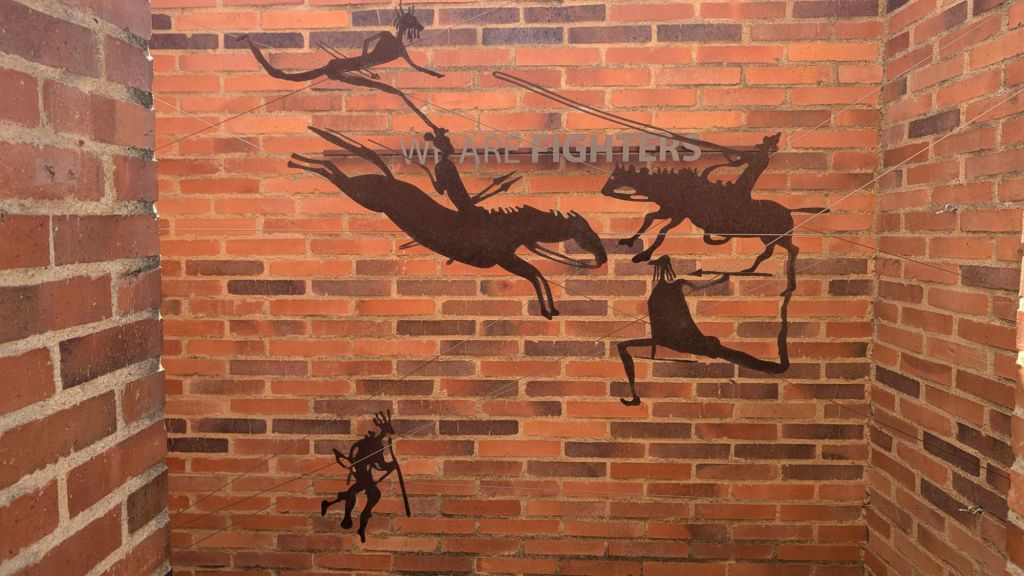
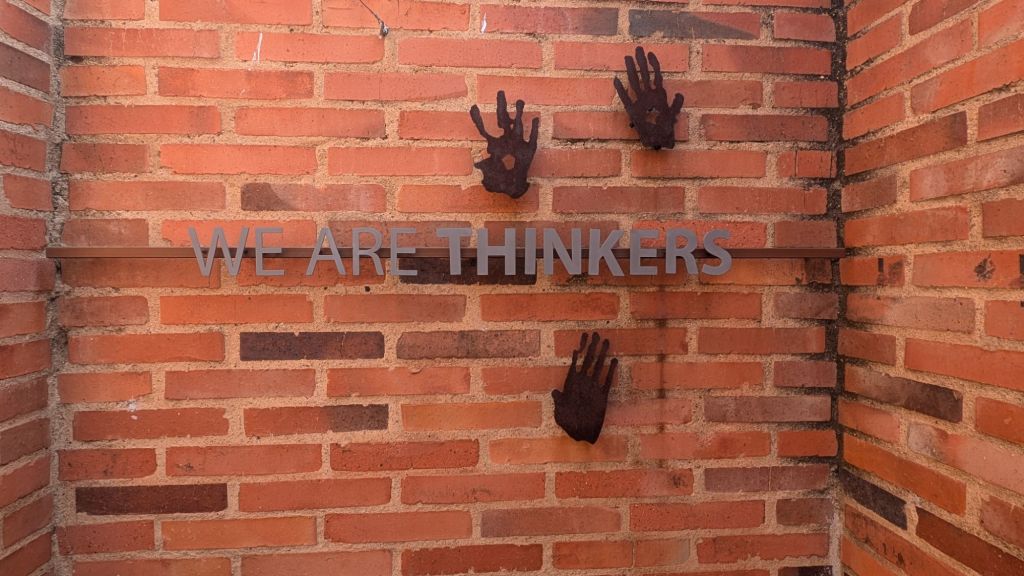
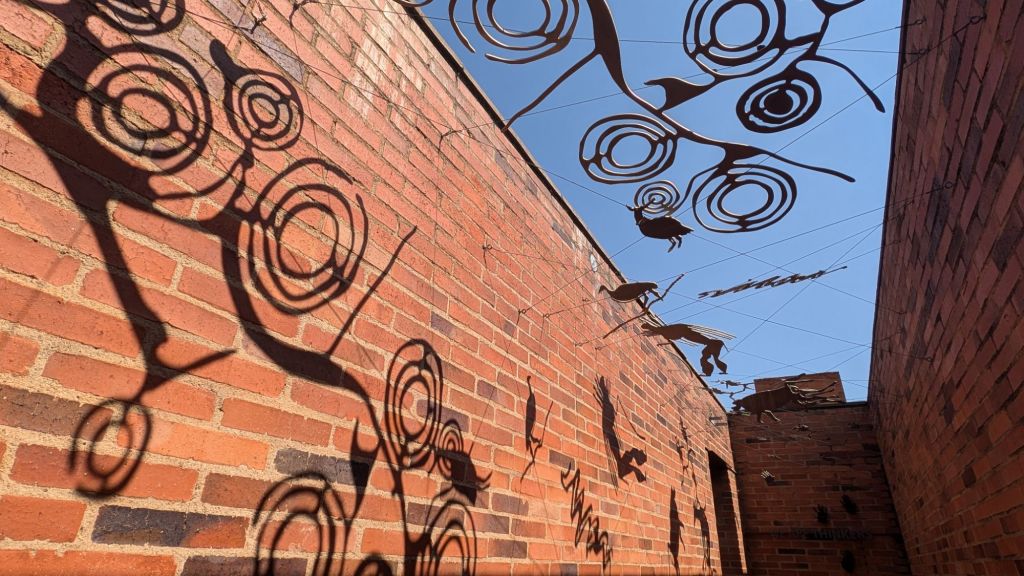
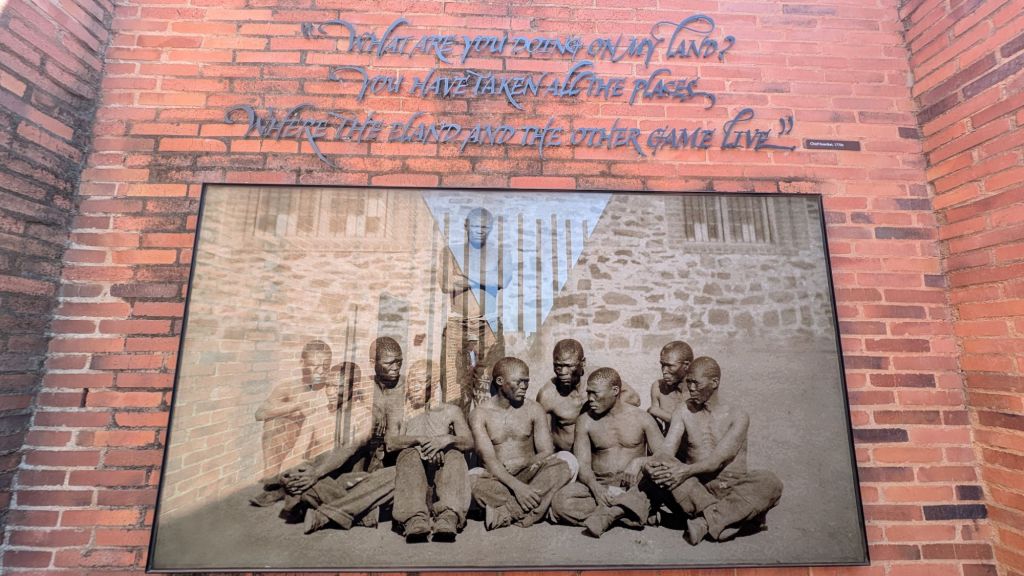
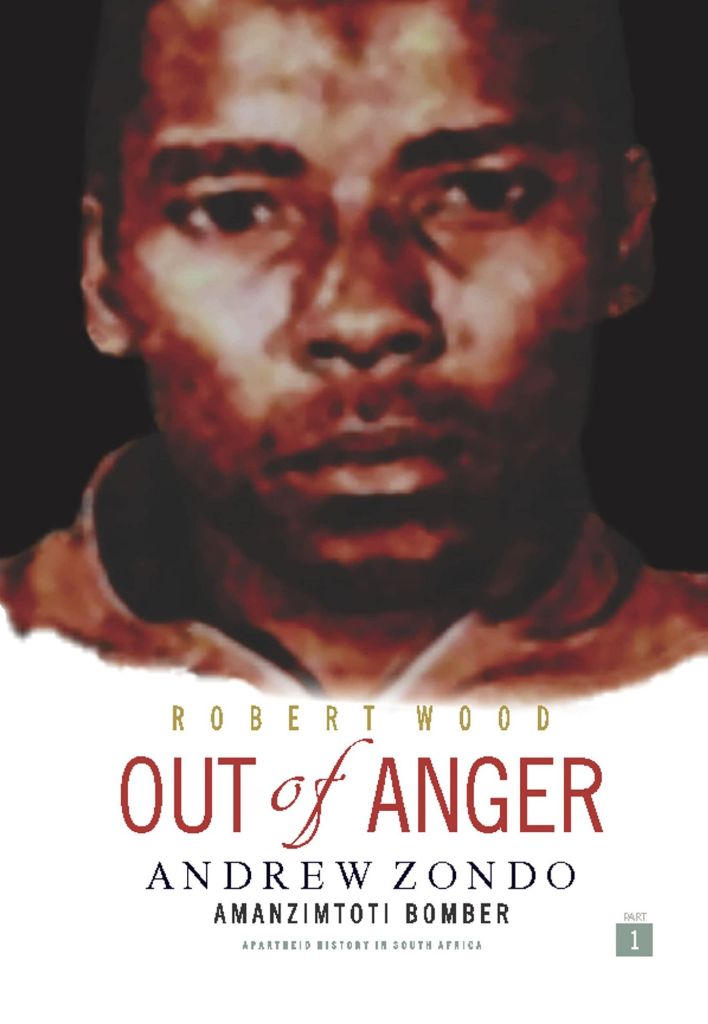
The gravity of the ordeal that black South Africans endured was absolutely tragic. And listening to and reading about the reasoning from the men in the oppressive regime was scary. They believed that what they were doing was righteous. They believed that they were teaching the blacks how to work in a ‘European society’. But what I ultimately have seen through my travels, is that Apartheid still exists in everything but name. The people that ruled in that regime are still alive today. The separation still exists, except now it can be described as ‘economic diversity’. The destitute are described as ‘street entrepreneurs’. The Apartheid Museum did a great job of describing history, but we had to cut it short because we ran out of time. To make up for it, I am reading Out of Anger: Andrew Zondo – Amanzimtoti Bomber, by Robert Wood, to continue my education about Apartheid.
My favorite book about Africa is The Africans by David Lamb. It’s a geo-political journey of sub-Saharan Africa; and even though it’s old, the story of the continent still stands.

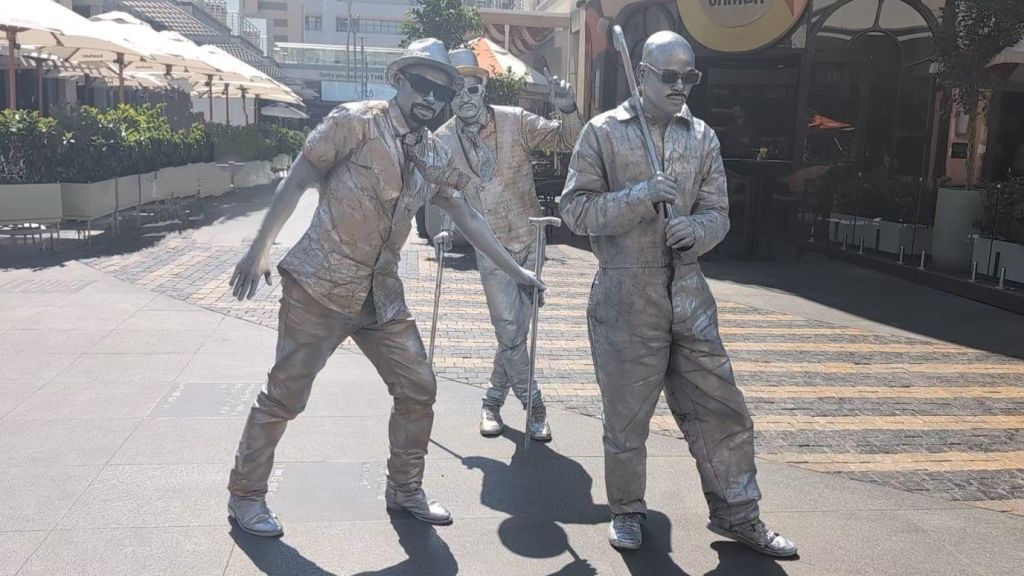
Our last days have been spent walking around Rosebank Mall, and just talking about our plans after we return home.
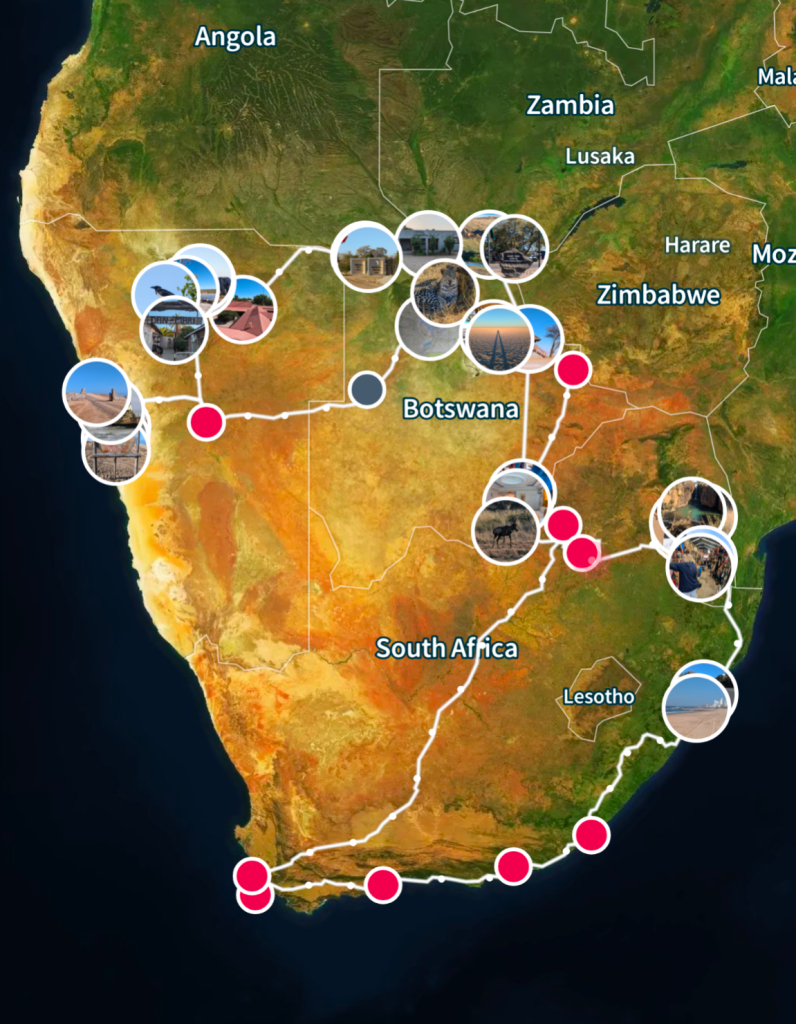
We have been away for 107 days. We have driven over 8000 miles, through five different African countries. We have experienced dozens of different cultures. We have visited 8 different National Parks and embarked on numerous safaris. We have met hundreds of wonderful people from all over the world. And for the grand finale, we have a long flight home! 😔 And all I have to say is ‘Africa, I shall return!’
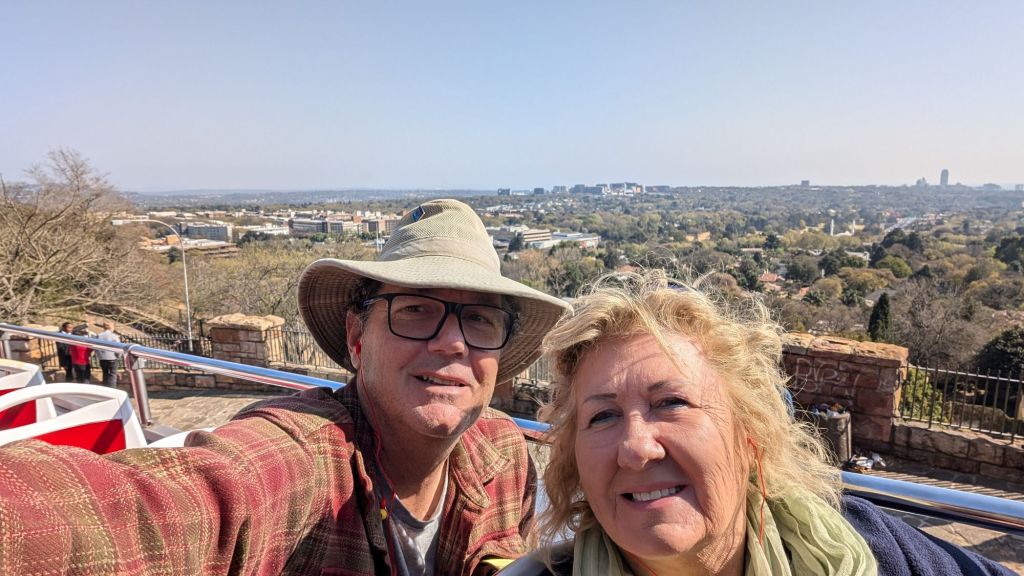
I have loved this continent since I first set foot in Sub-Sahara Africa in 1986. But there’s something about S Africa that’s a bit cattywampus for me. And so, I end my blog journey with a photo deliberately taken at an angle to make us feel queasy. And now, to bed on this amazing continent for the last time…at least for a while!


 Designs by Rhia
Leave a reply to Dr. Rhia Cancel reply