Days 33 and 34
(Rhia’s comments are italicized)
First off, Naples is bigger than I expected.
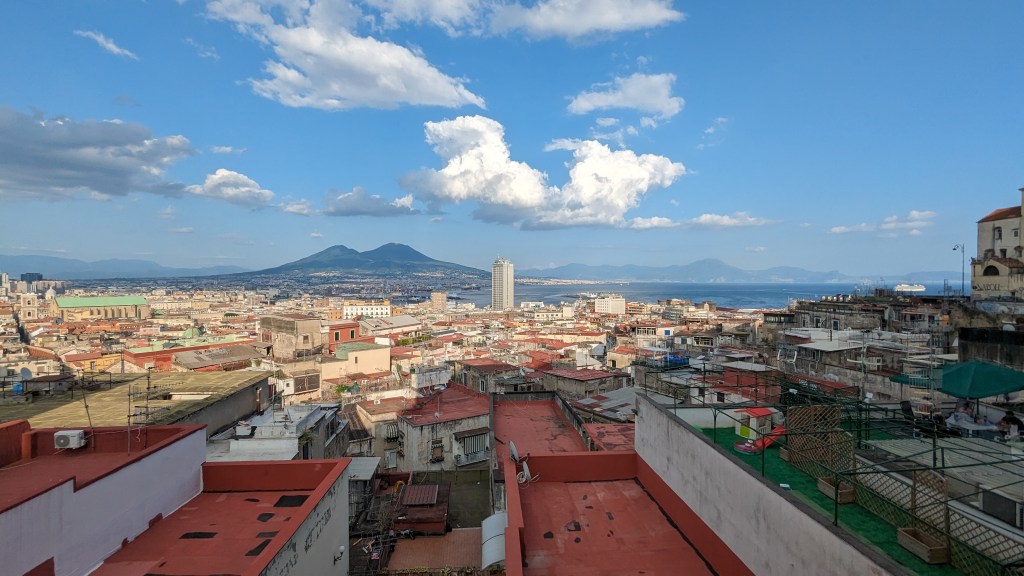
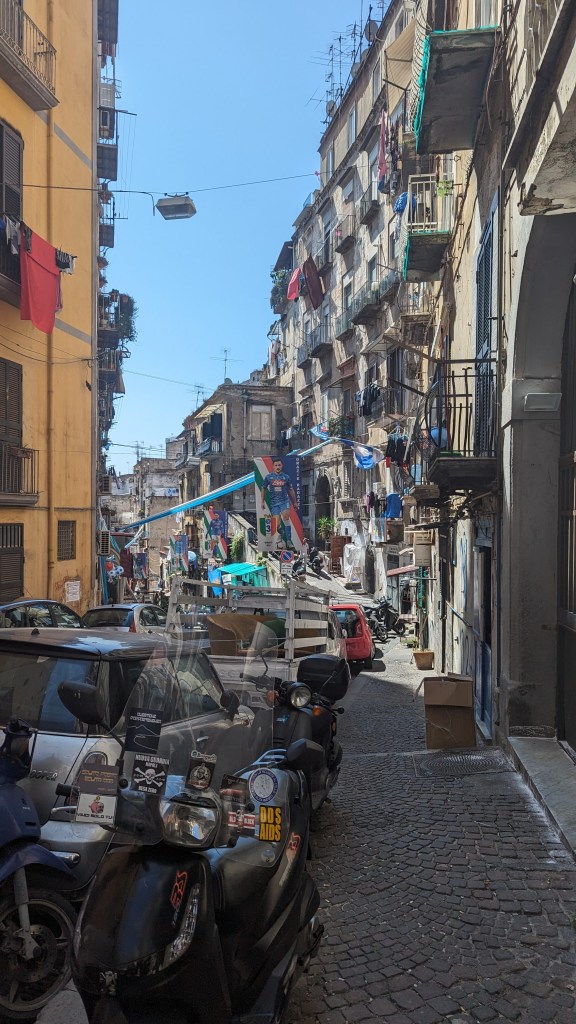
And the motor cycle drivers here are absolutely crazy. There is barely enough room on these medieval lanes for cars to drive. Yet the motorbikes will pass on the left or right (often at the same time) at double the speed of traffic. They also, as a whole, don’t obey traffic lights. Add to that the sidewalks are used as additional living and parking space. We found ourselves needing to face these drivers head on in the streets. Personally, I’m not a fan. 😂 Being from Europe, I understand weaving in and out of traffic a bit more so it doesn’t freak me out 😂 Dan’s commented more than once, ‘In America this is called jaywalking!’ I don’t think we’re in America anymore, Toto 😂
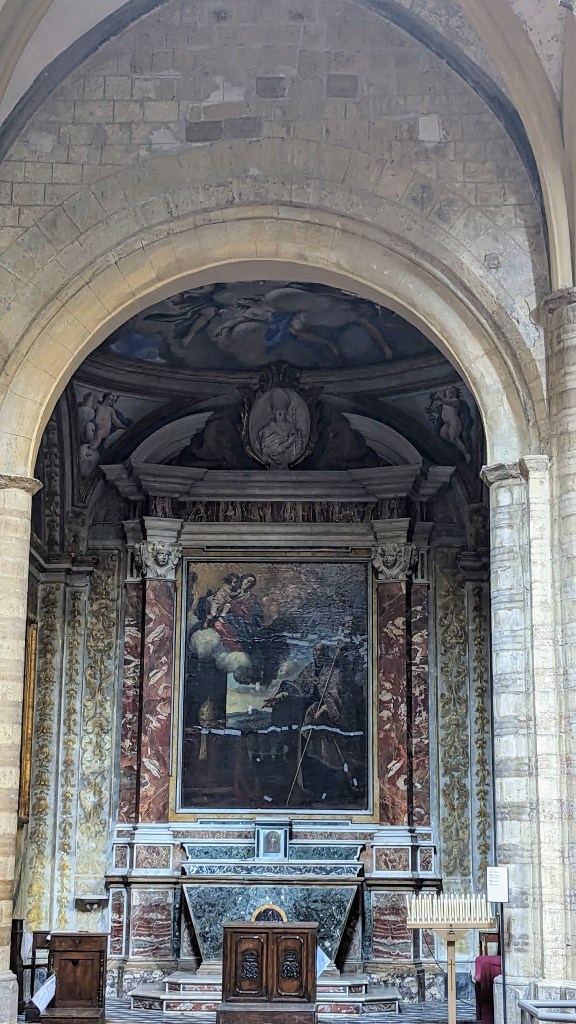
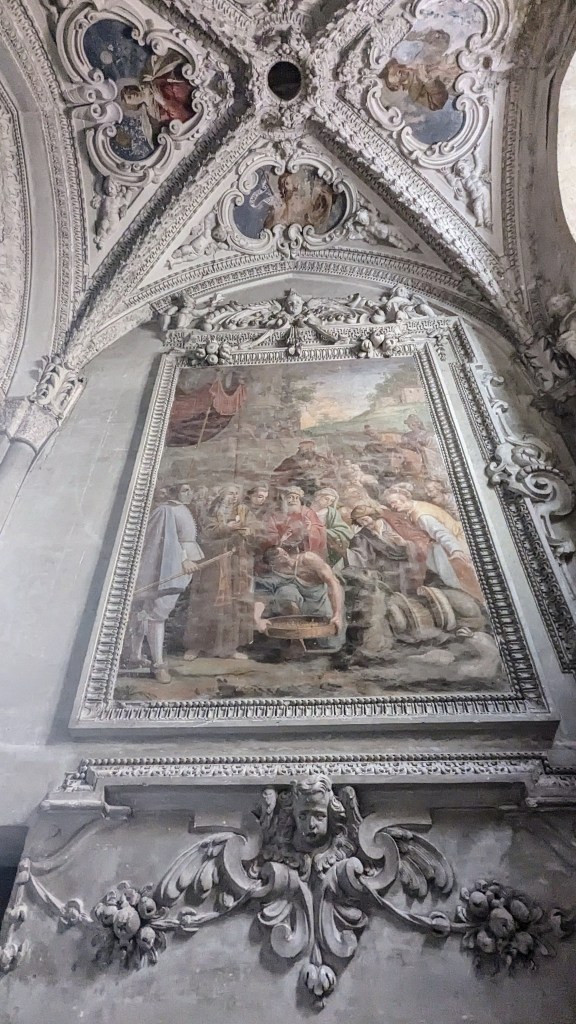
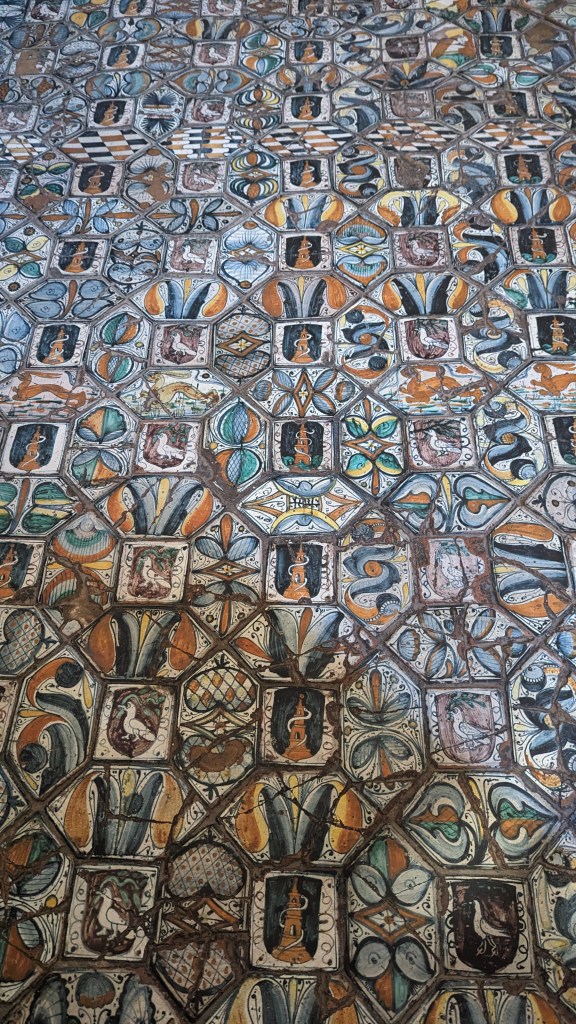
But we braved the streets, eager to get below them to the underground city of Naples. But before getting there, we found a Jesuit church that had beautiful paintings.

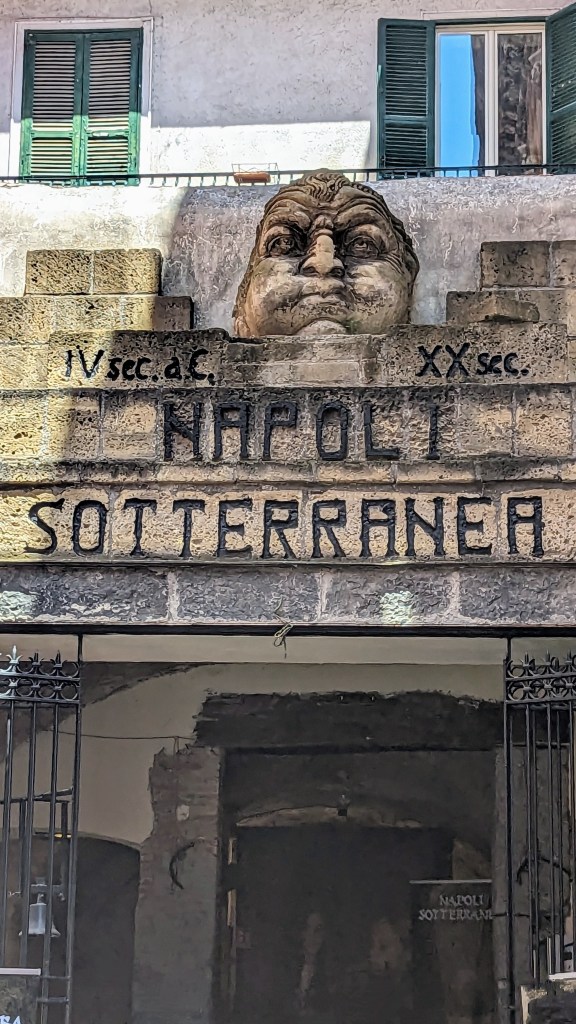
Underground, what started out 5000 years ago as a rock quarry to mine the volcanic stone to build Naples, got turned into a Roman aqueduct that brought water from 70 km away to every house in the city. This aquifer operated until the great cholera epidemic of 1880 when it was shut down to be repurposed as an air raid shelter during WWII.
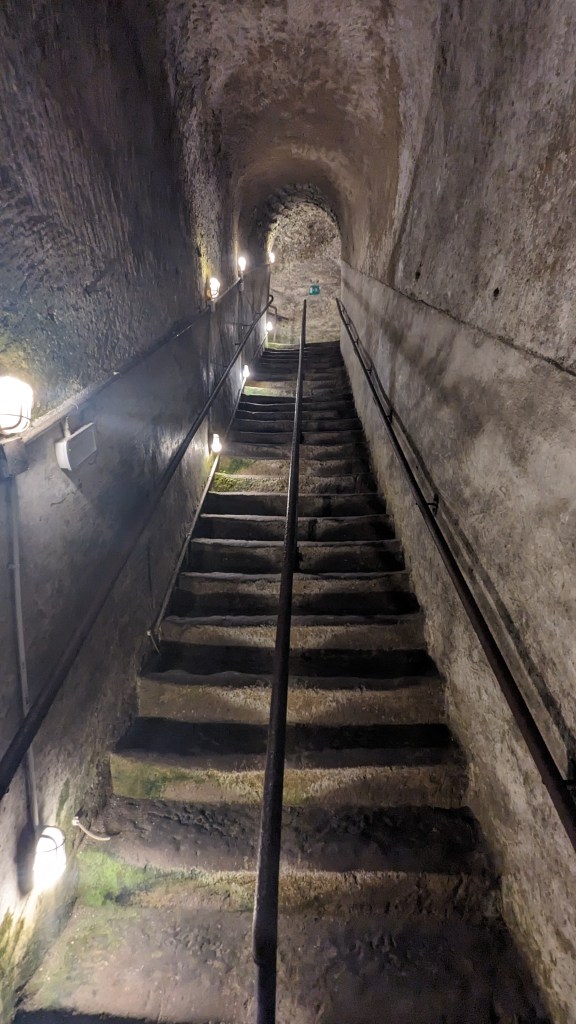
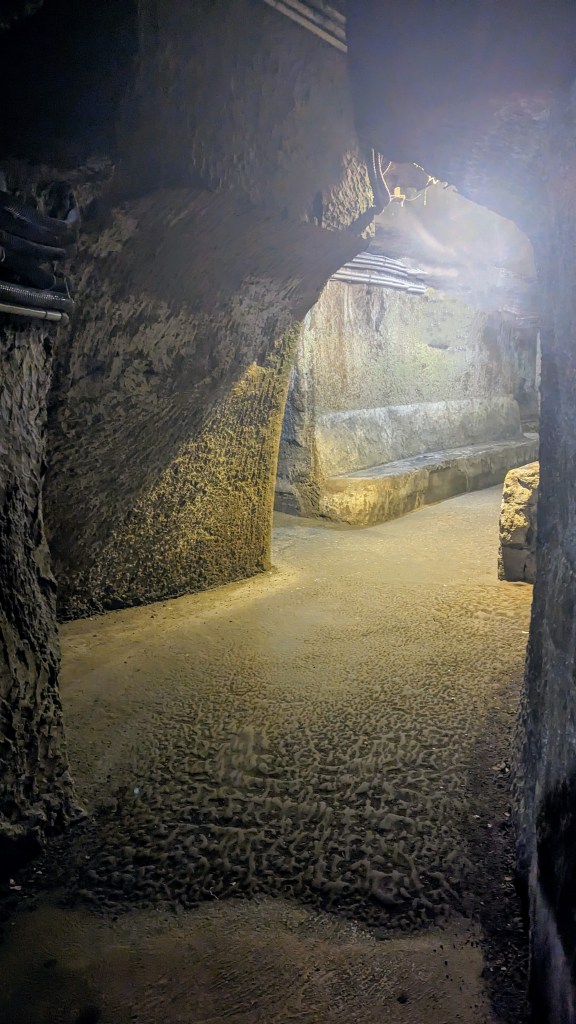
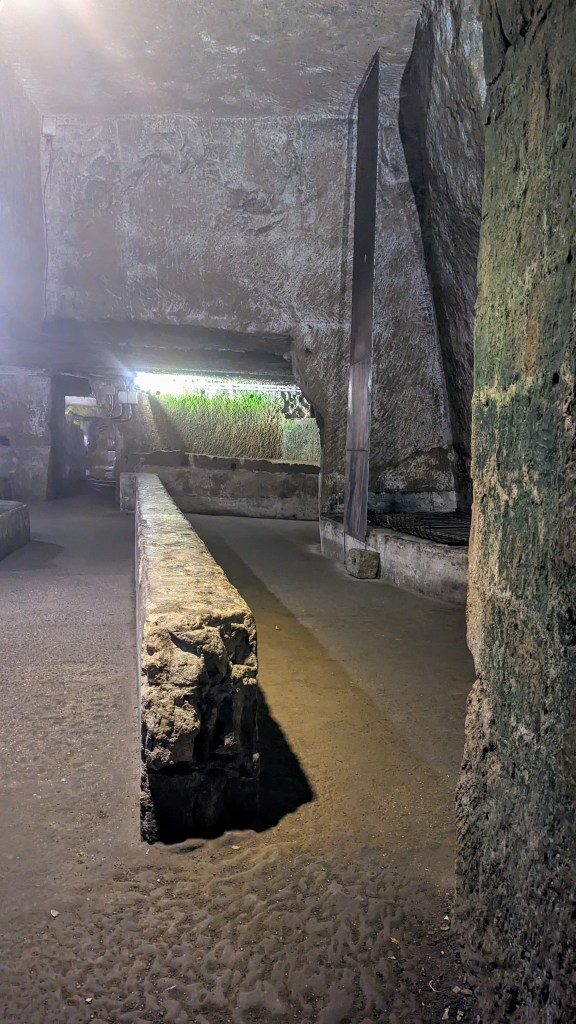
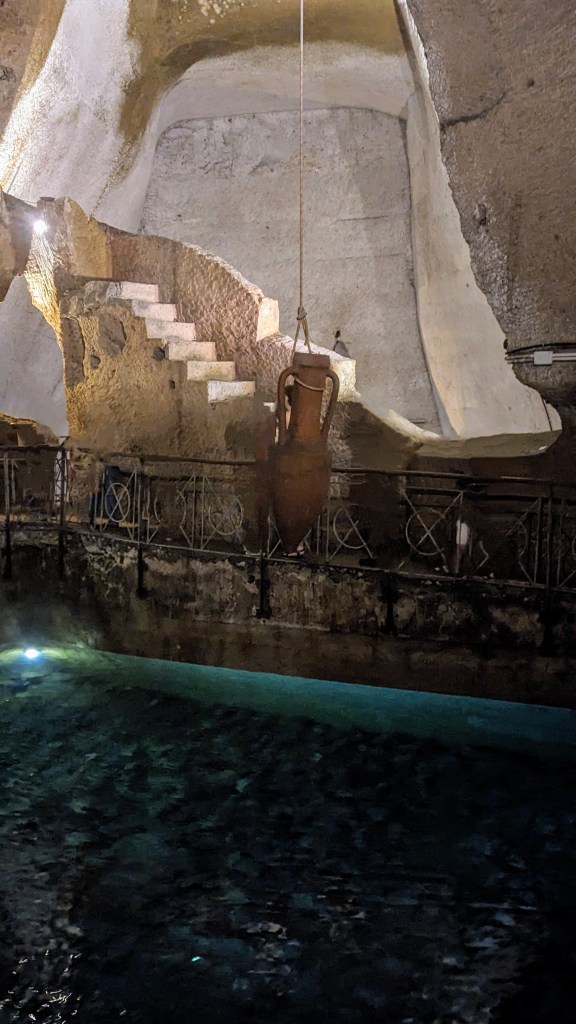
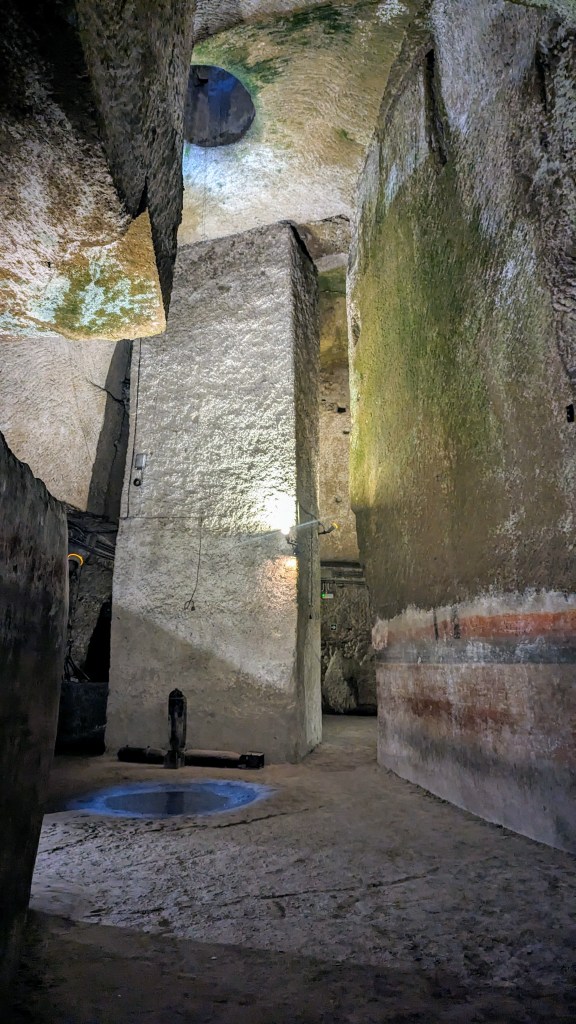
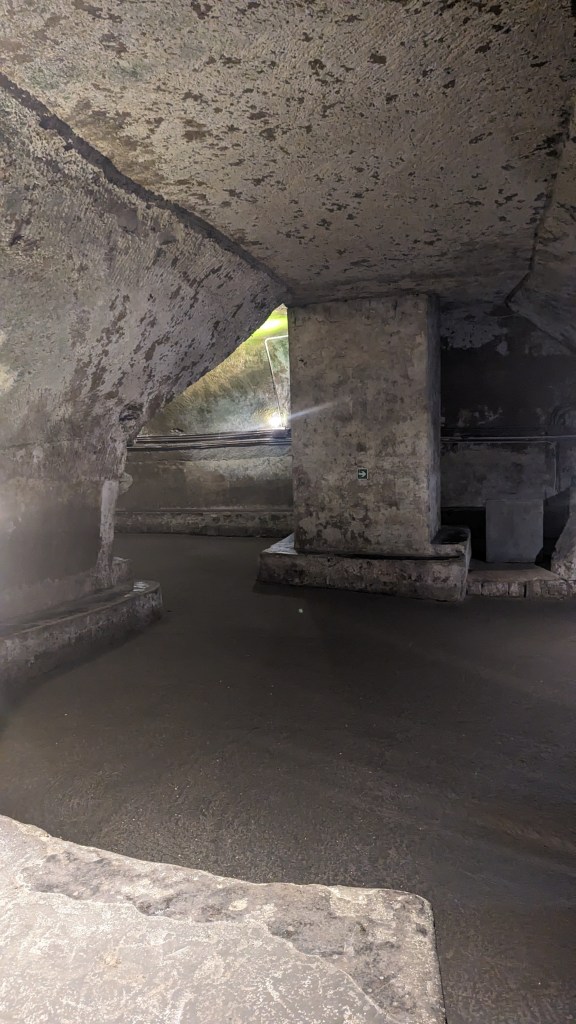
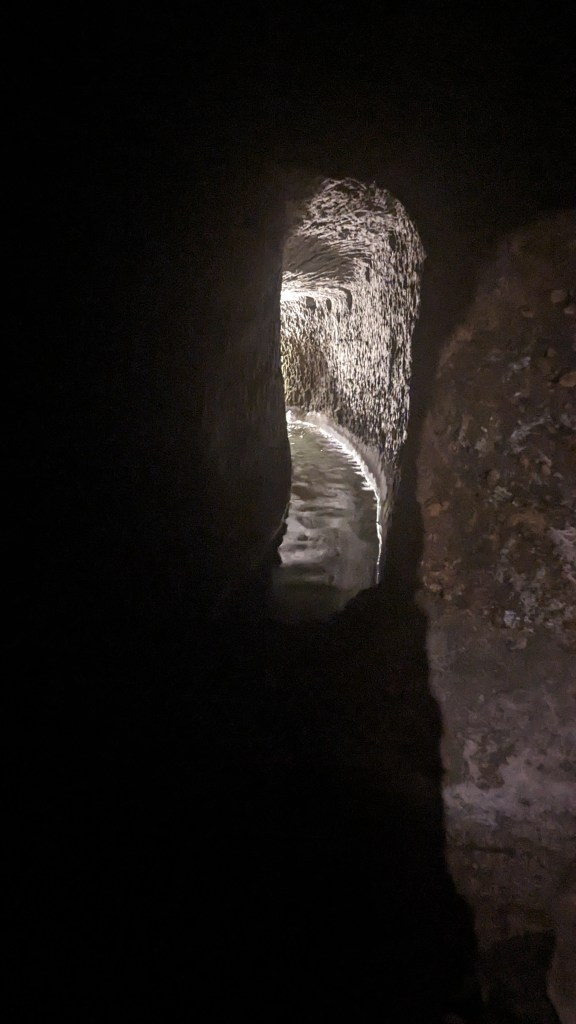

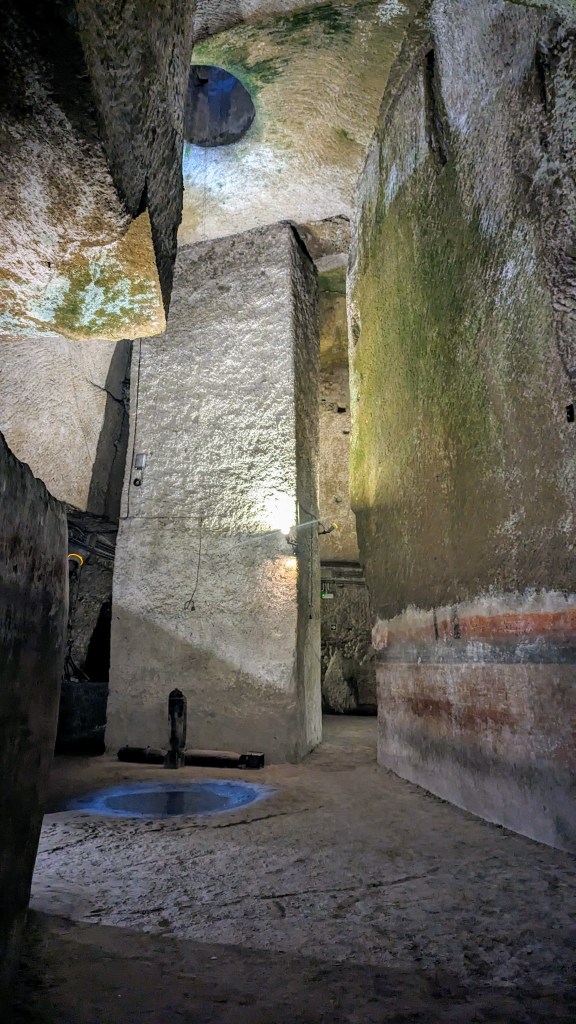


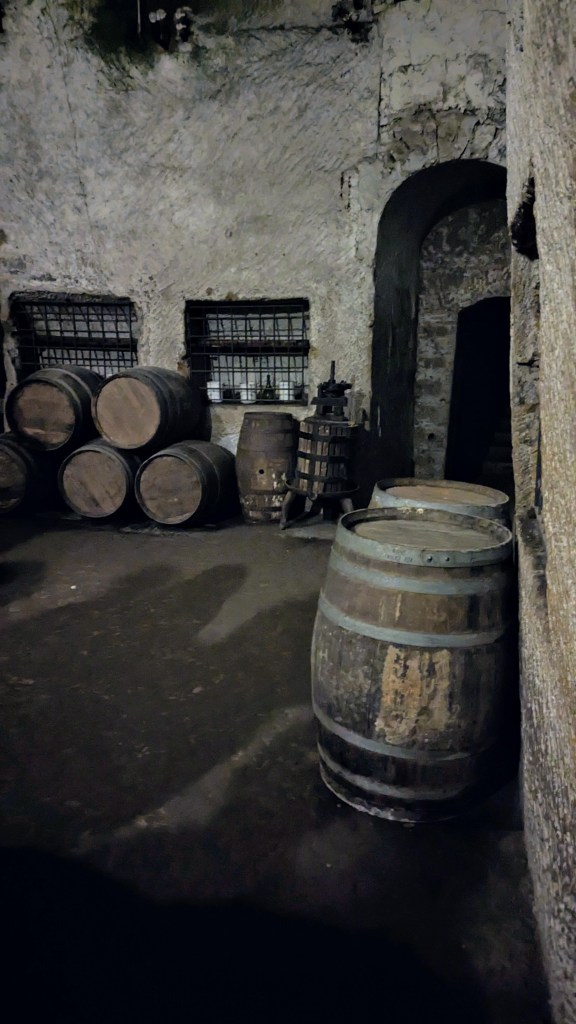
As necessary as it was, the ne’r-do-wells of the city used these tunnels for nefarious deeds. Because these tunnels were connected to every house, thieves would use them to sneak in and steal. Some houses would even make secret entrances to the subterranean levels below to store illegal goods. Even a monastery used it to store wine.
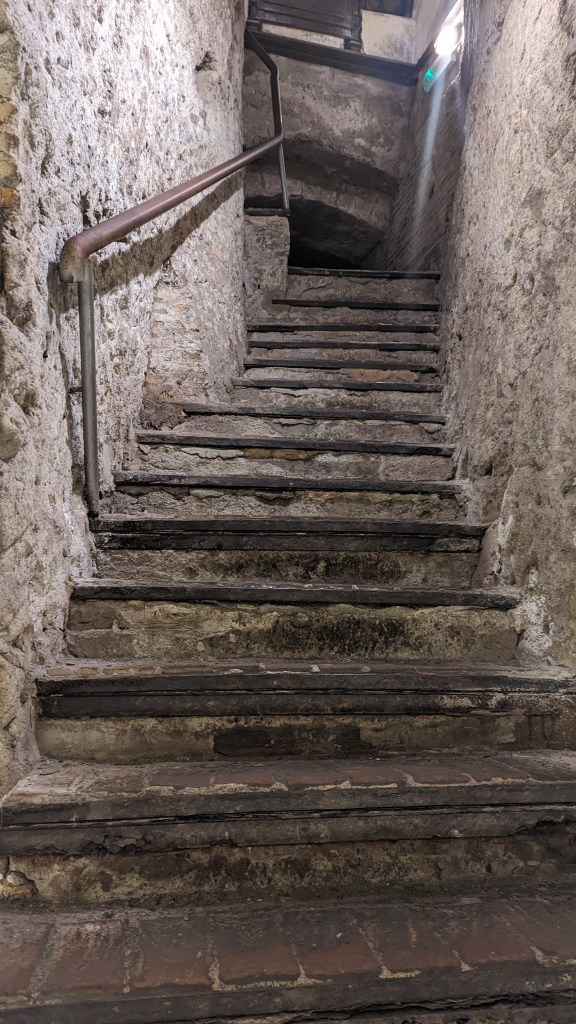
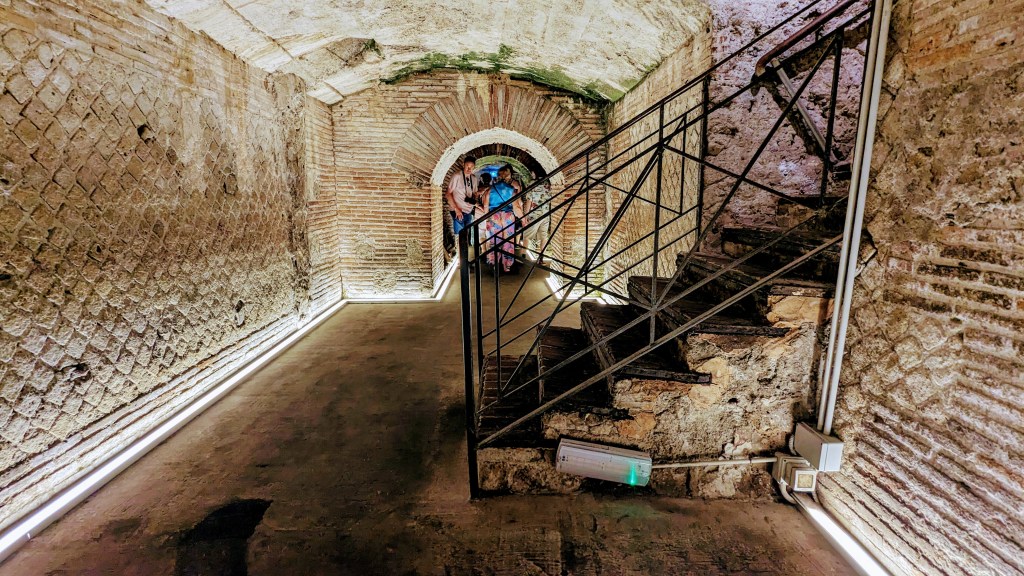
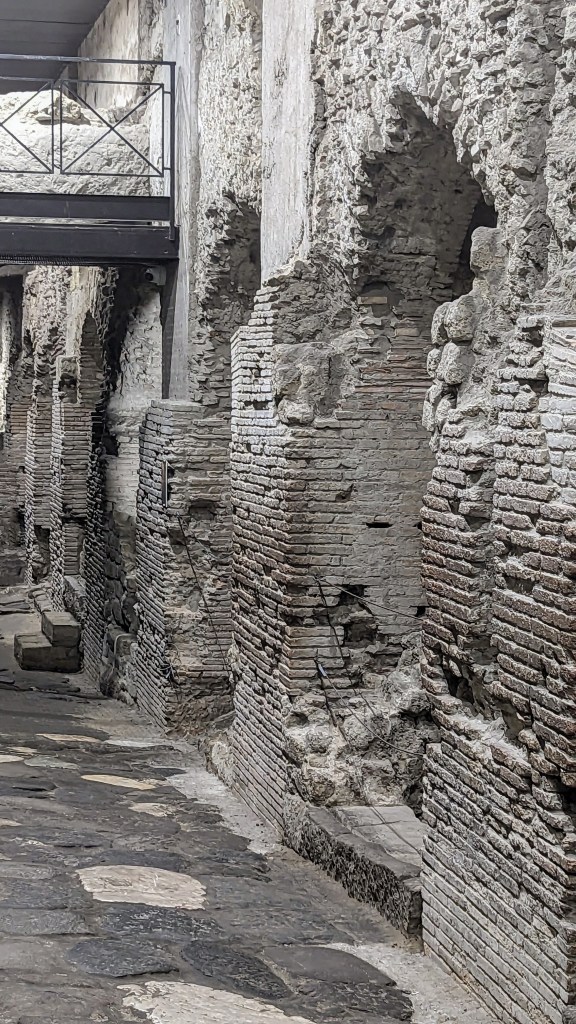
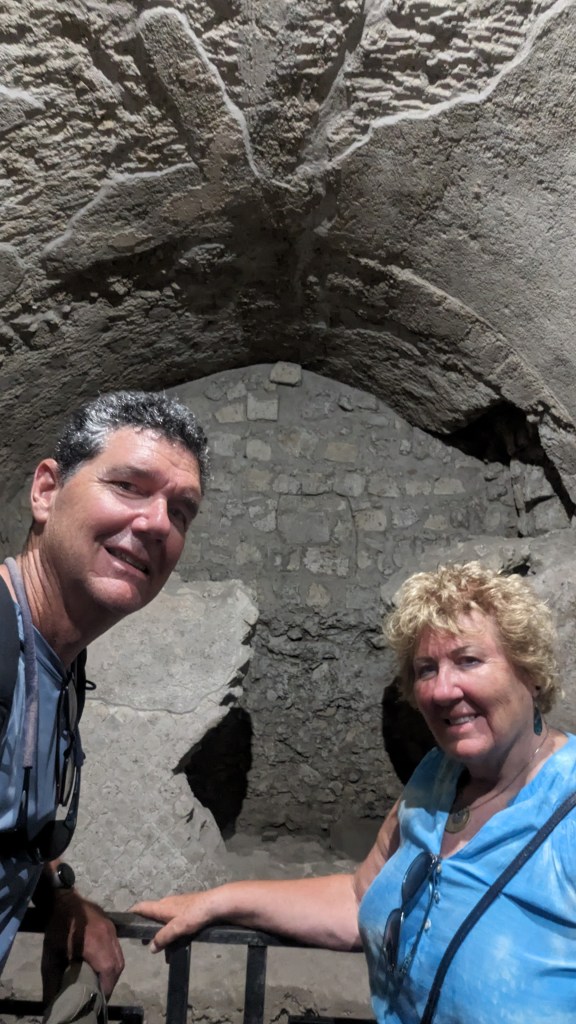
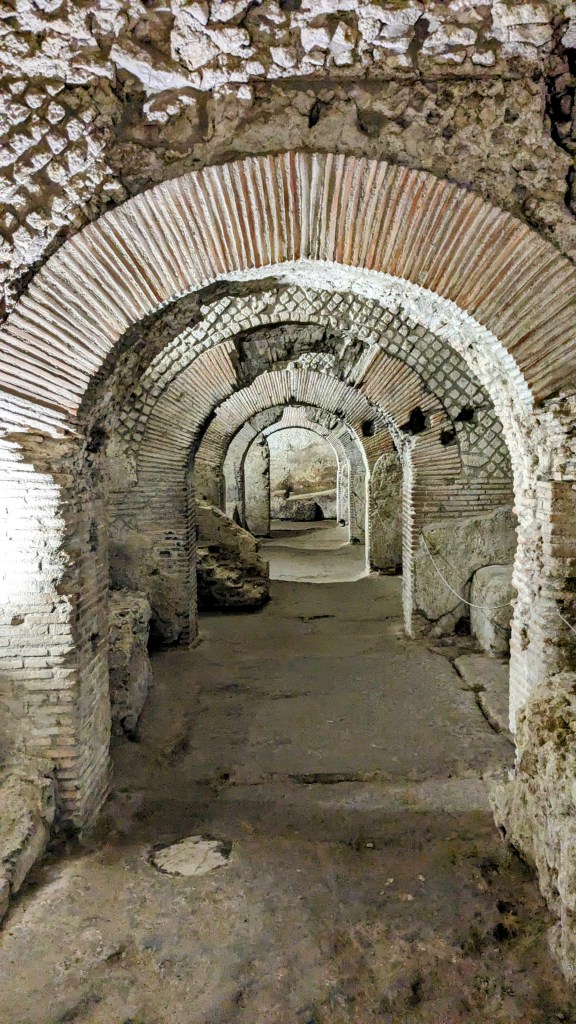
We also visited an active archeological site that was uncovering an underground city. So far, they have uncovered a market, a church, and schuela.
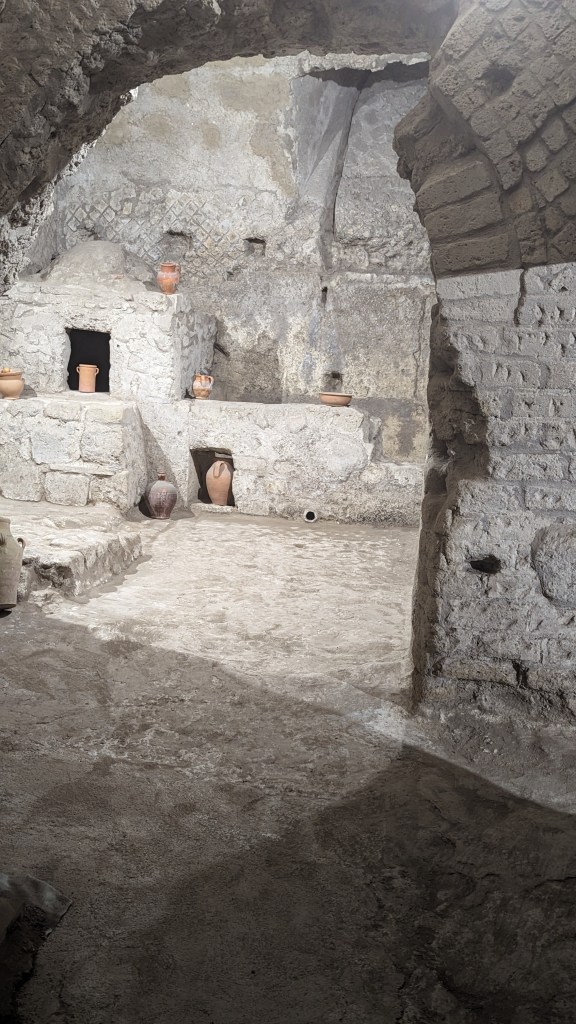
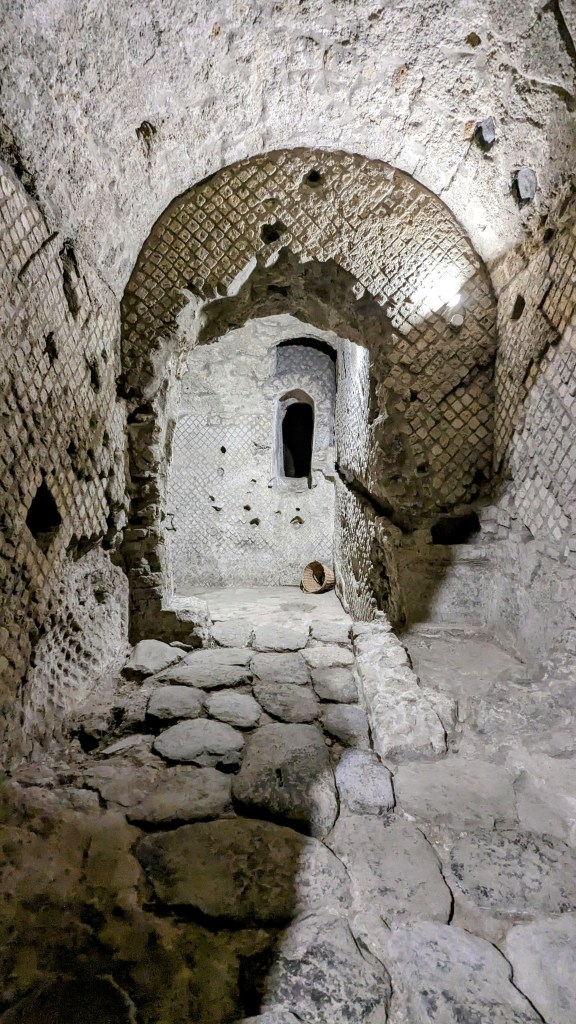
But the preservation of these ruins was nothing compared to Herculaneum. Buried in a pyroclastic flow from the eruption of Mount Vesuvius in 79 AD, this site’s excavation is ongoing. The hot ash preserved even the organic materials of the town.
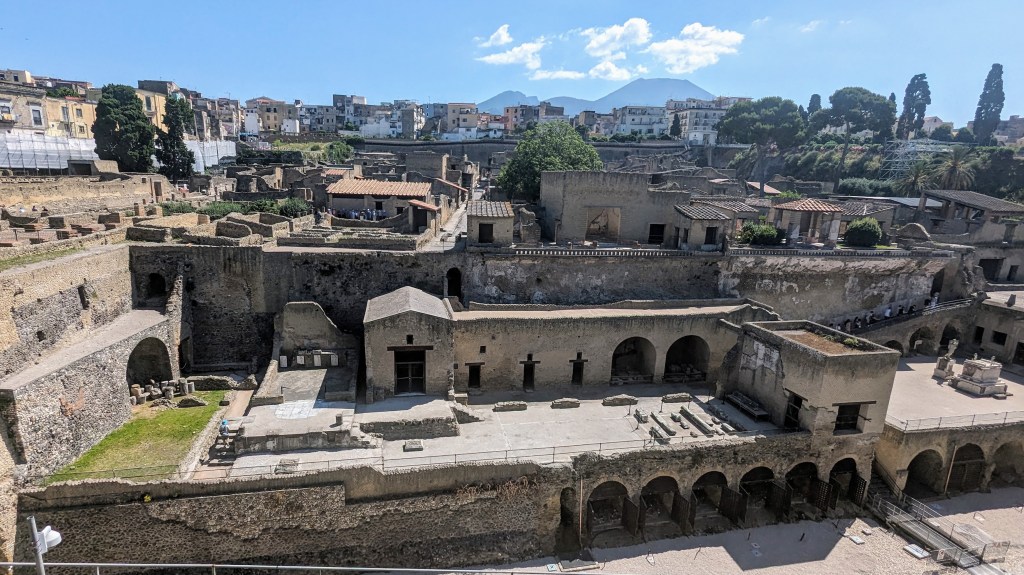
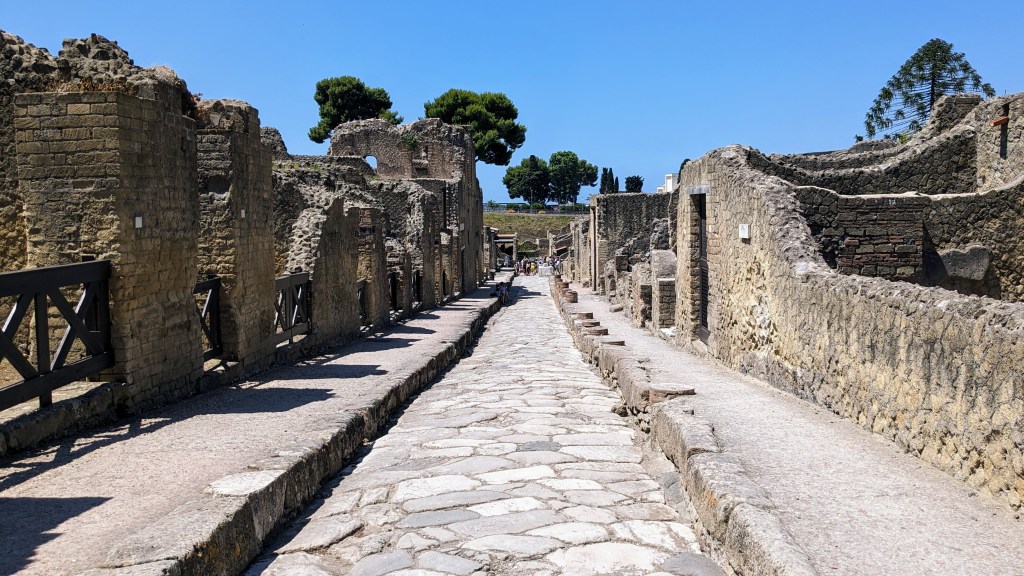
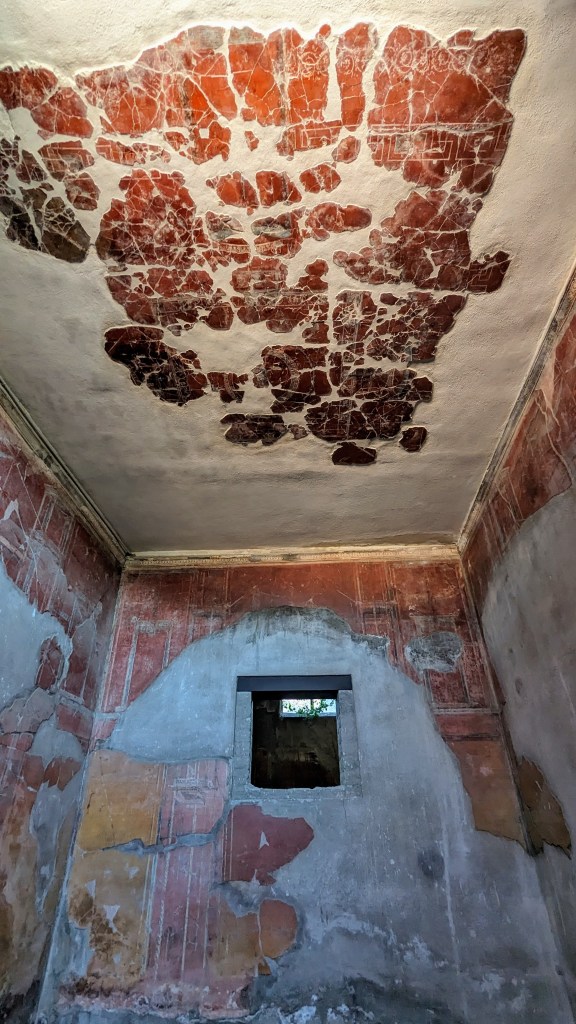
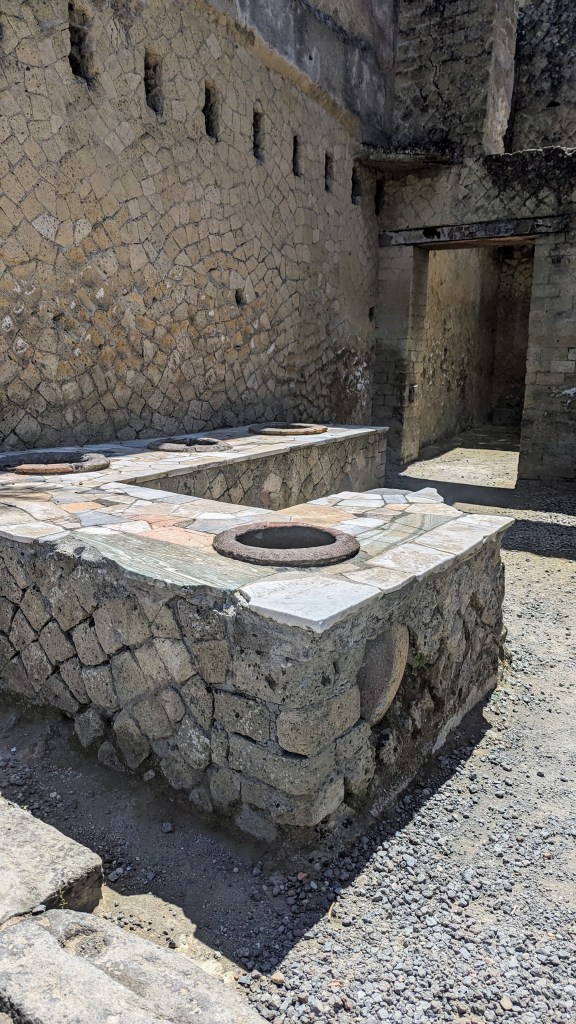
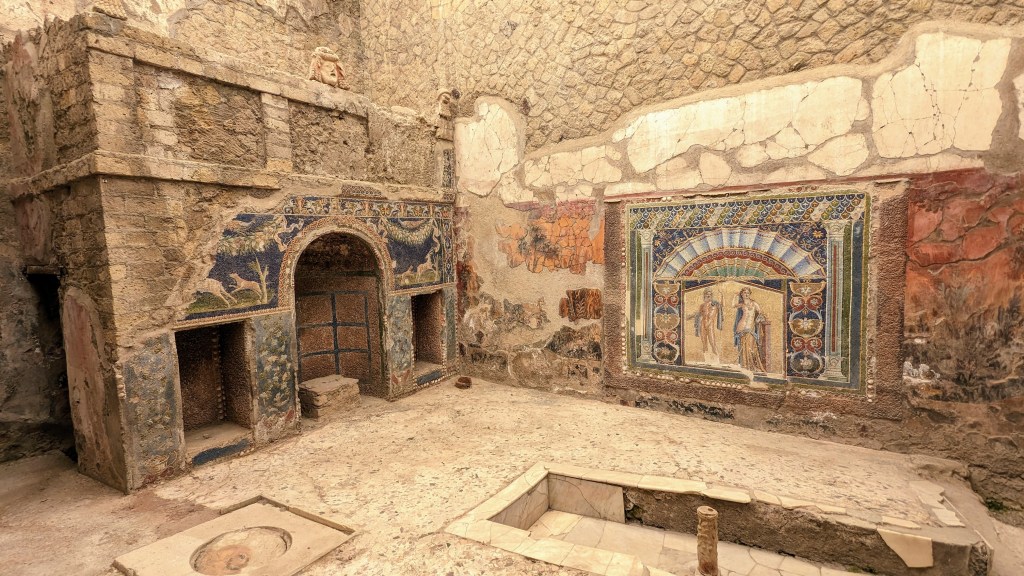

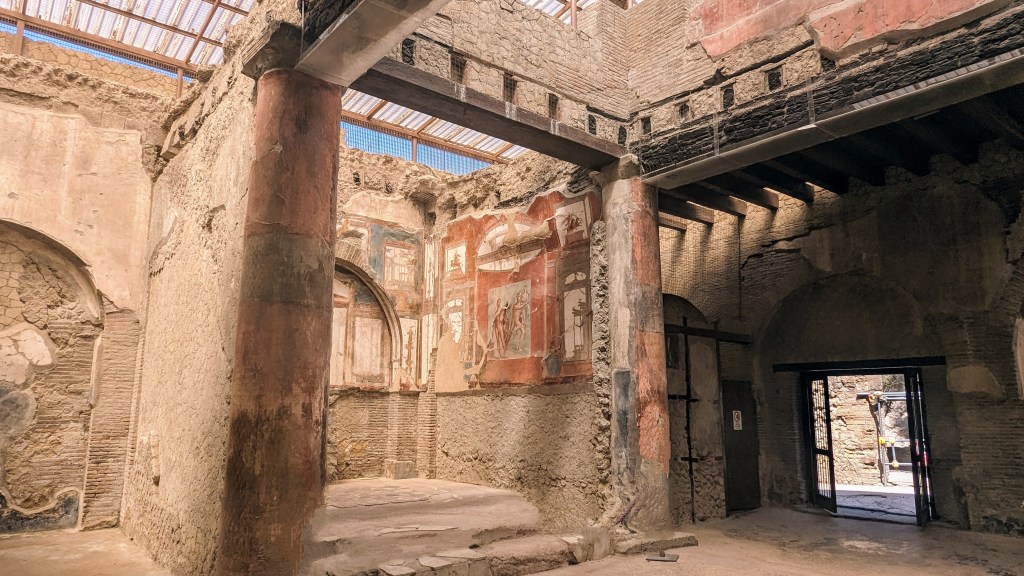
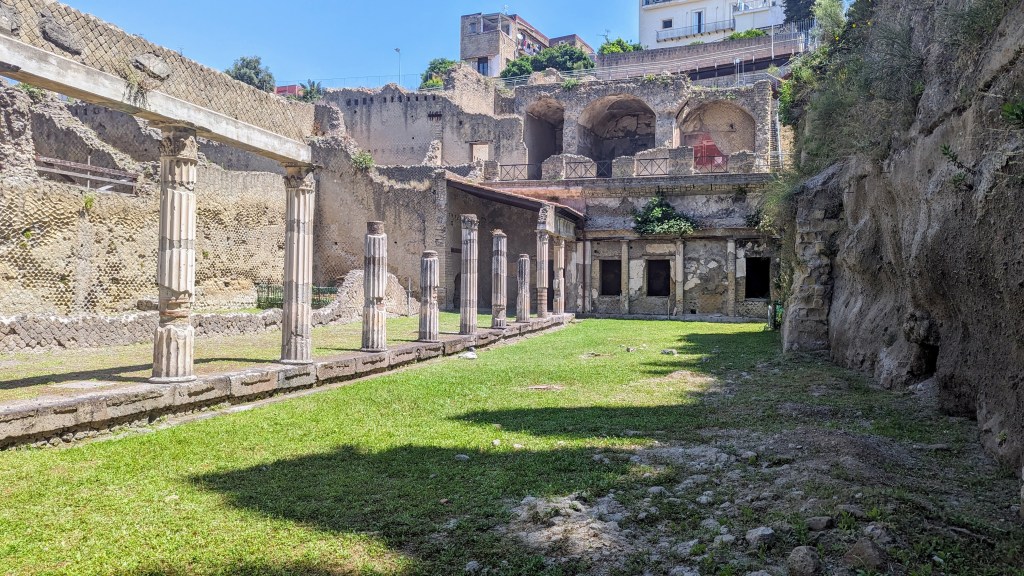
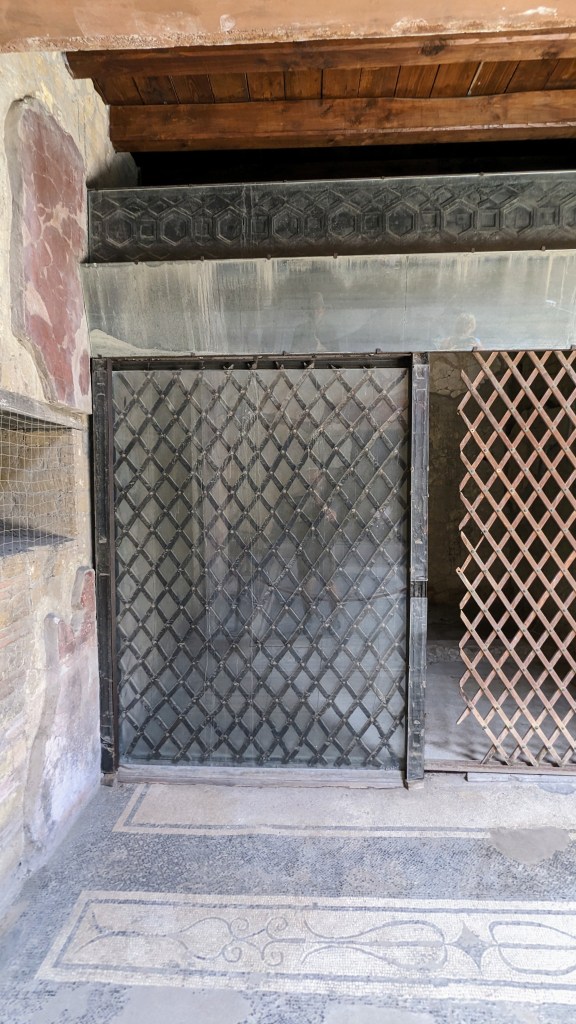
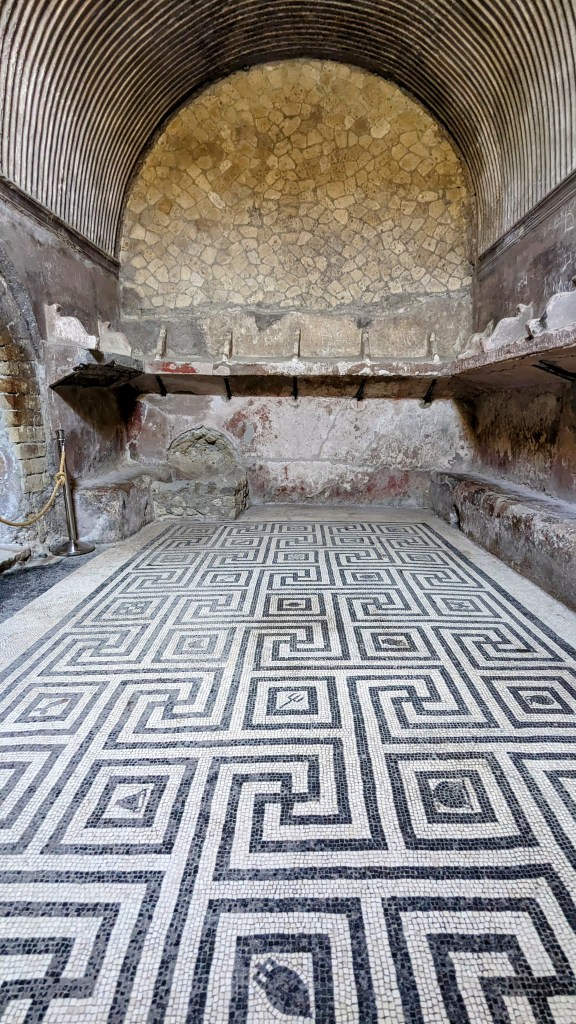
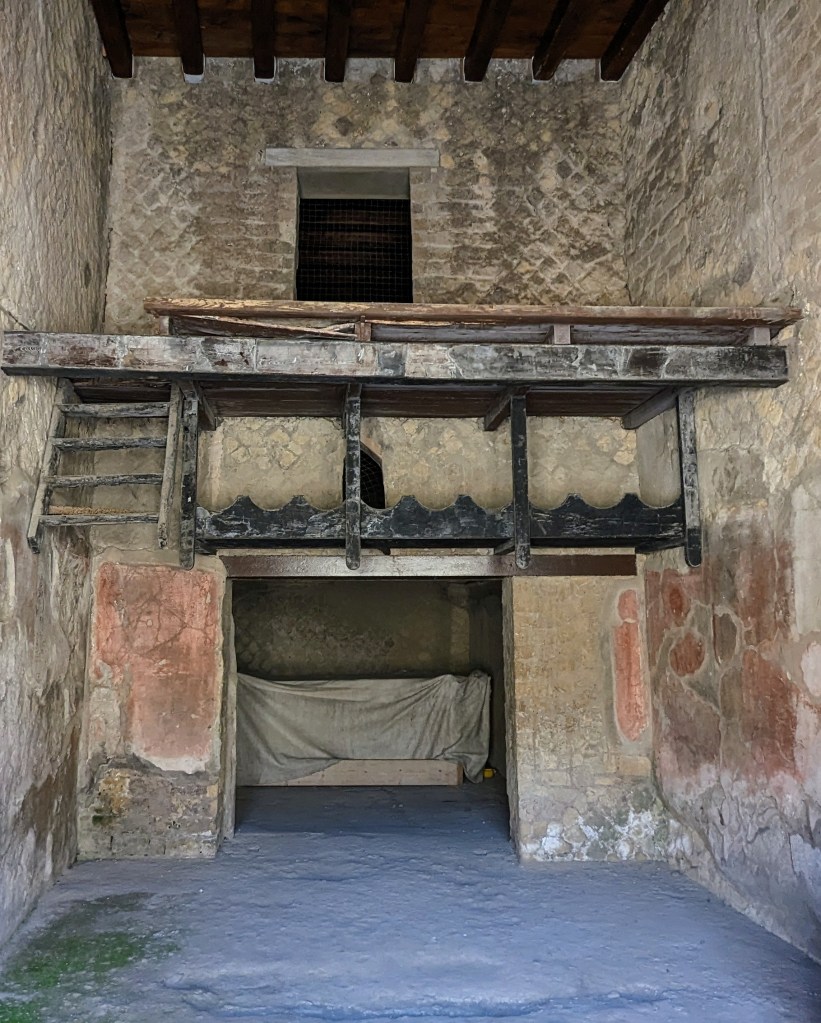
It fascinates me to actually see what ancient Rome was really like. Herculaneum is not just some stone skeletons and partial concrete piles, with written descriptions and hand drawn placards of a site. This place shows the care, planning and finish that the people built into their communities 2 millennia ago. 👍💕
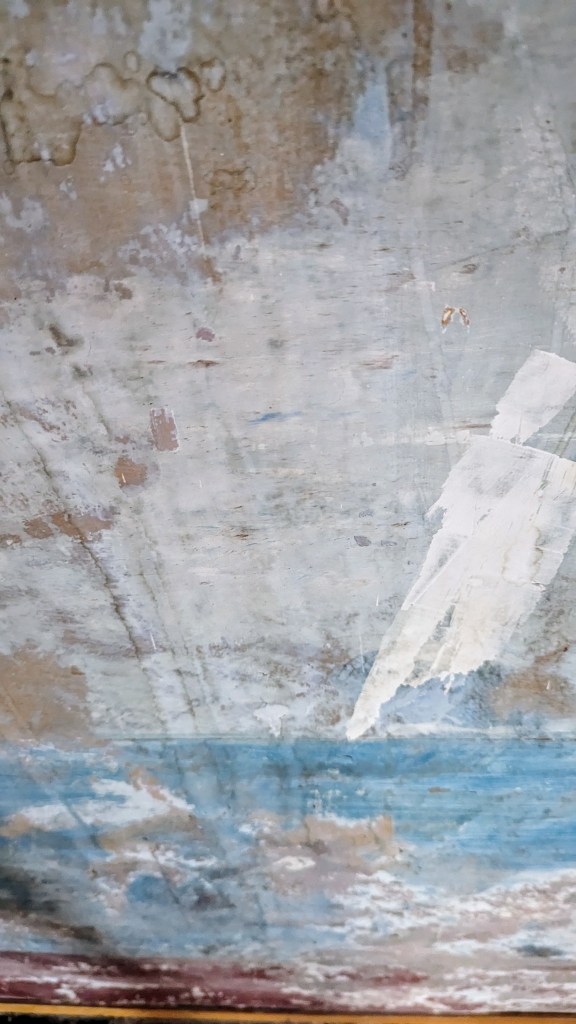
I was most moved by the paintings that still had vivid colors, the mosaic features and the mosaic floors…in situ!! To stand on the mosaic floors and see how beautifully decorated the houses were, touched my soul. There was something very ethereal about the whole experience.
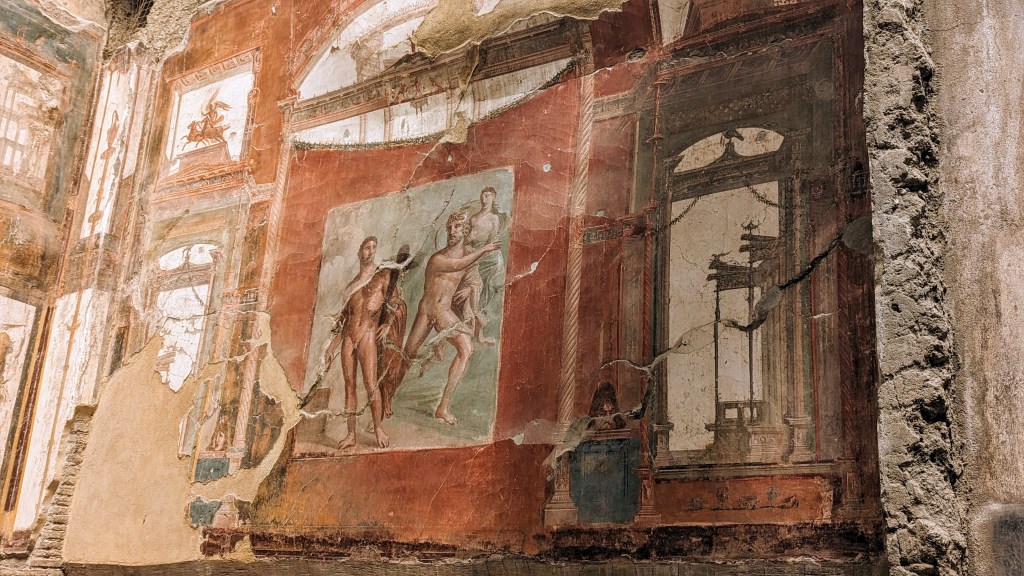
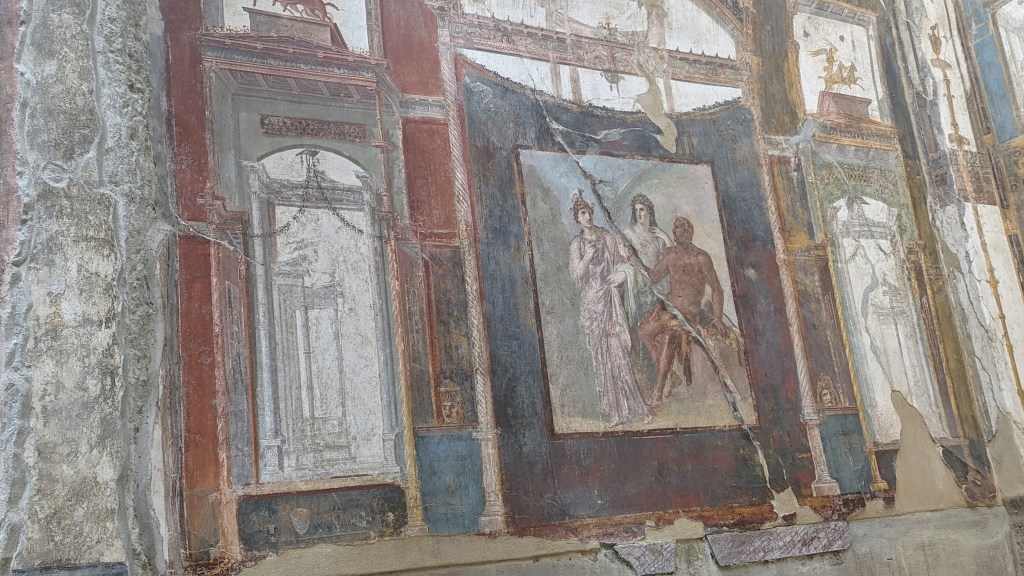
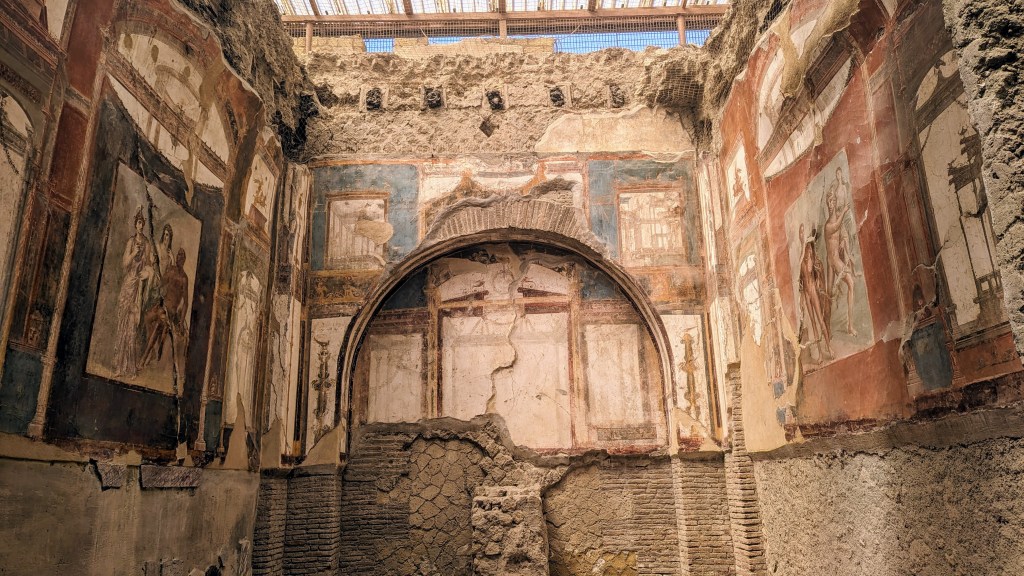
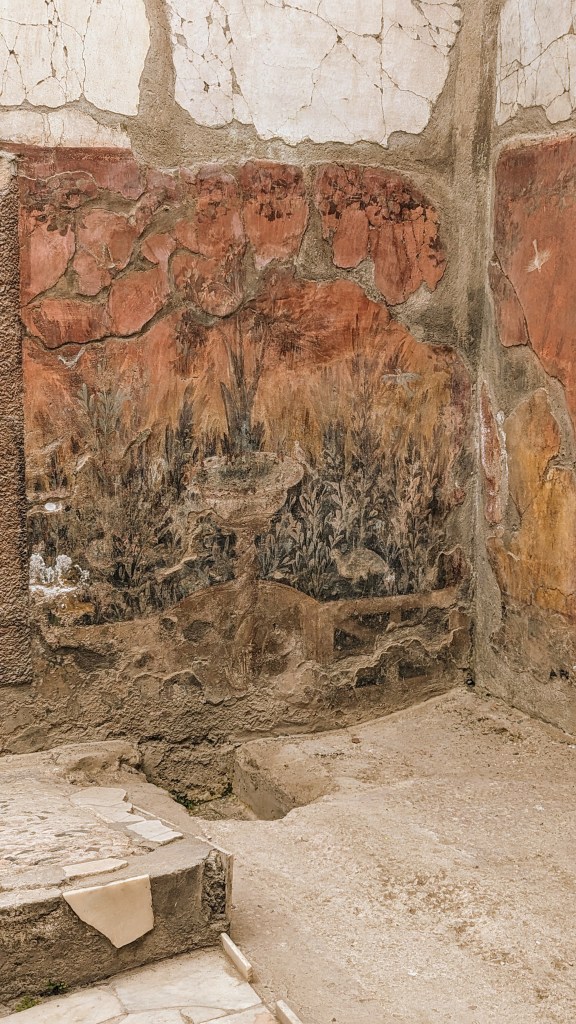
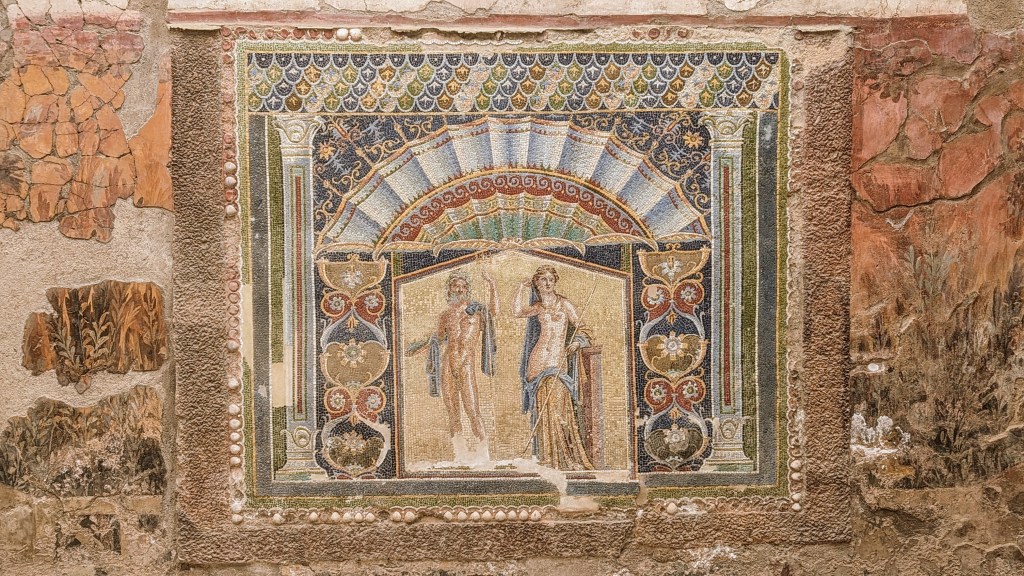
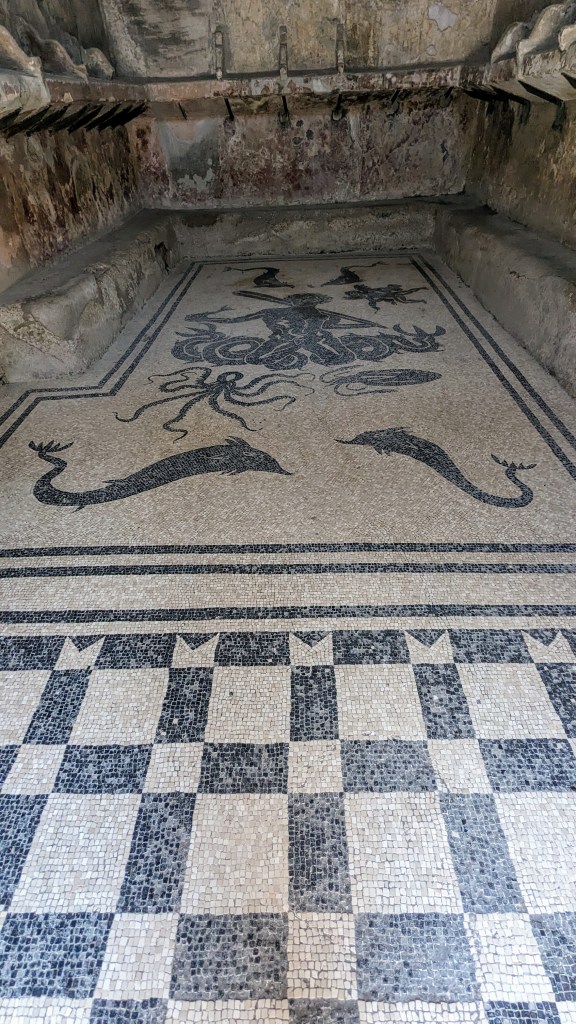
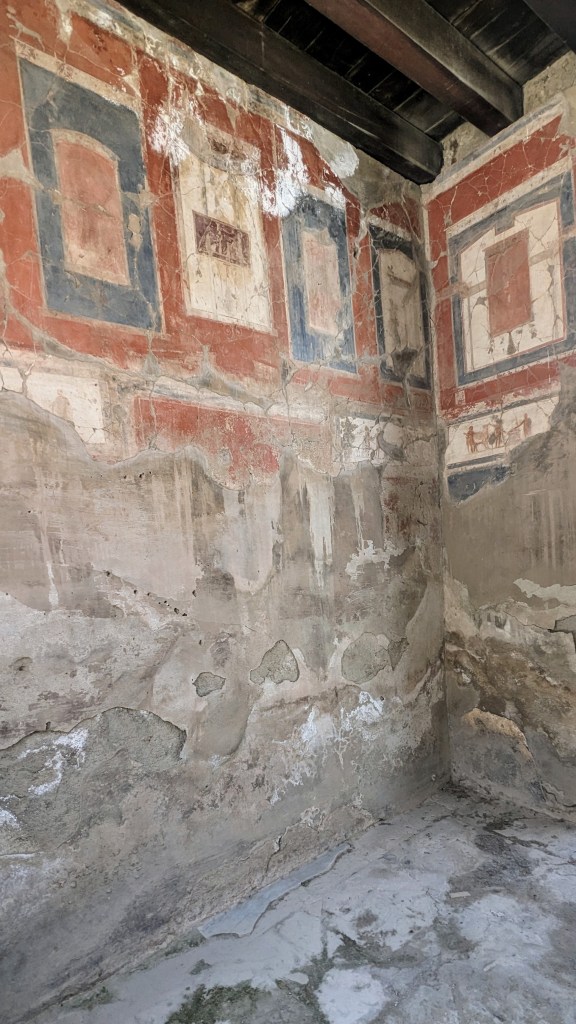


Museums are great, but seeing things in situ… priceless!


 Designs by Rhia
Leave a reply to Dr. Rhia Cancel reply