Days 29 and 30
(Dan’s comments are italicized)
What a fantastic couple of days!
Swakupmund was definitely the place to stay as it’s quaint and within easy reach of other places. It has some beautiful, old buildings…and everyone knows how I love old houses!
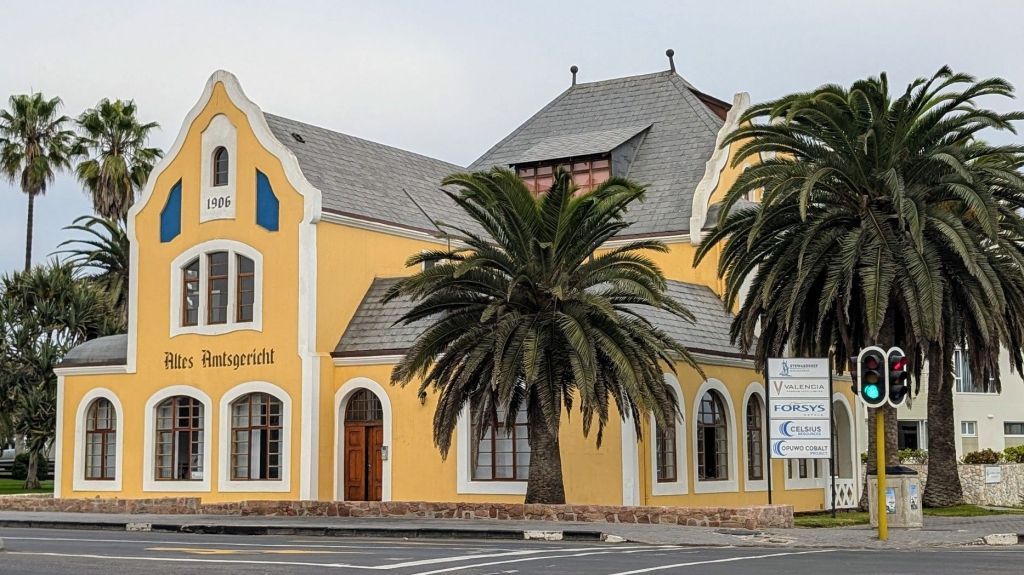

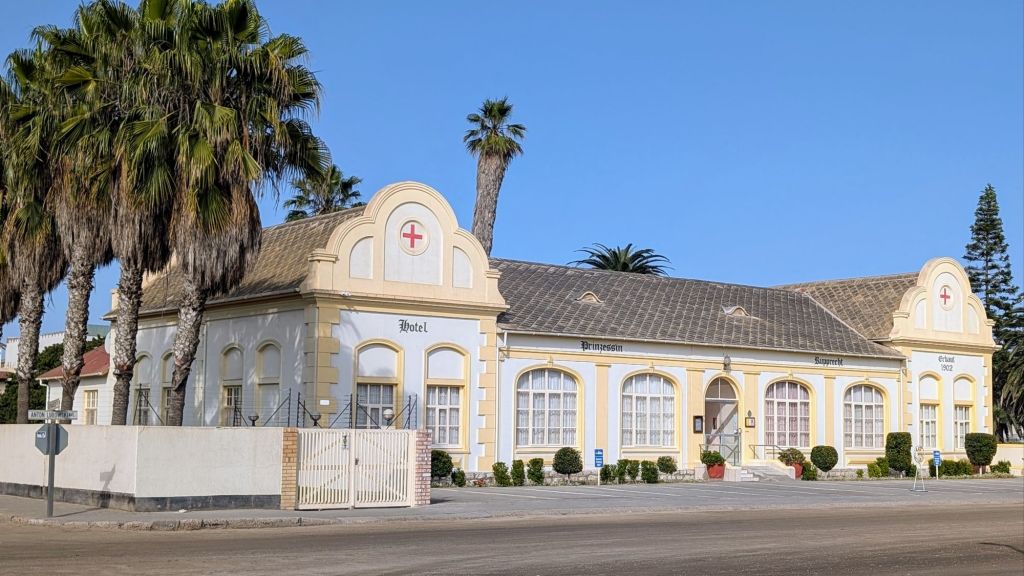
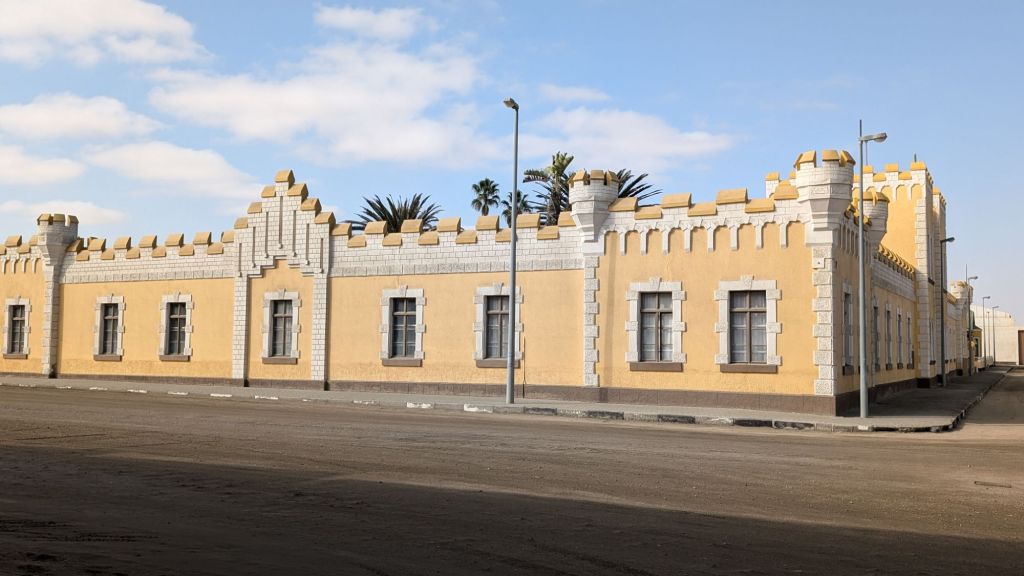
We also learned something about a couple of buildings we shared in the last post: The building (below) was built in 1802 as a hospital and the castle-looking building was the barracks for the military. At some point, the Red Cross took over the buildings. The barracks are now used as a youth camp and the hospital as a (very-tastefully-refurbished) hotel and retirement home. Much of the original architecture remains, including the wide doors (for gurneys) and the wooden floor…which makes one wonder somewhat about the old operating room being used as a dining room 😱. There is a 2014 show called The Knock that takes place at an old turn of the century hospital, and this building resembled some of the sets on that show, only with a dining table standing in for an operating table.
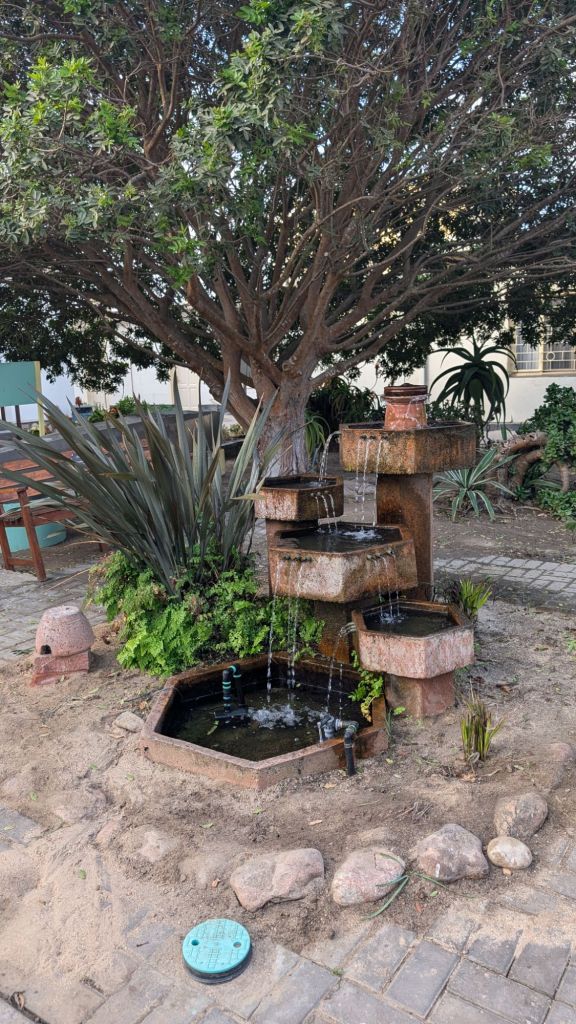
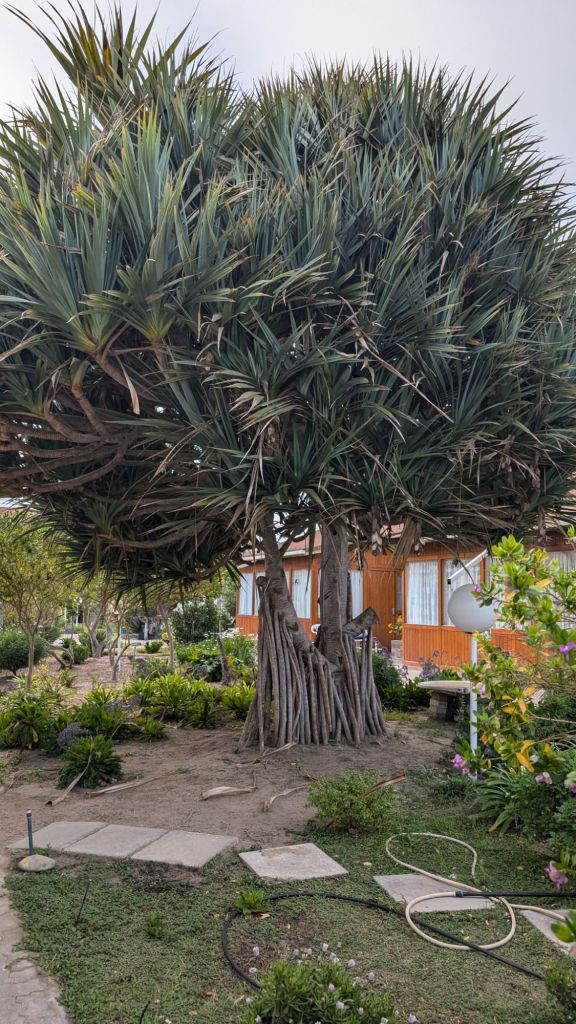
The gardens were beautiful; we had the opportunity to speak with one of the residents who was thrilled that he was allowed to grow his own sunflowers!
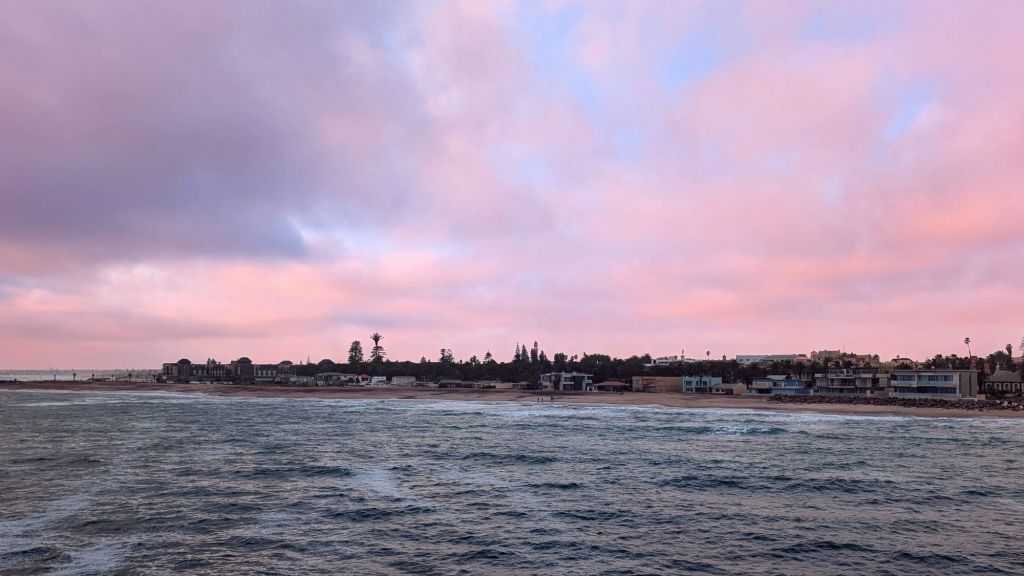
Sunsets have been lovely here too. It truly makes me question why we don’t live by the ocean!
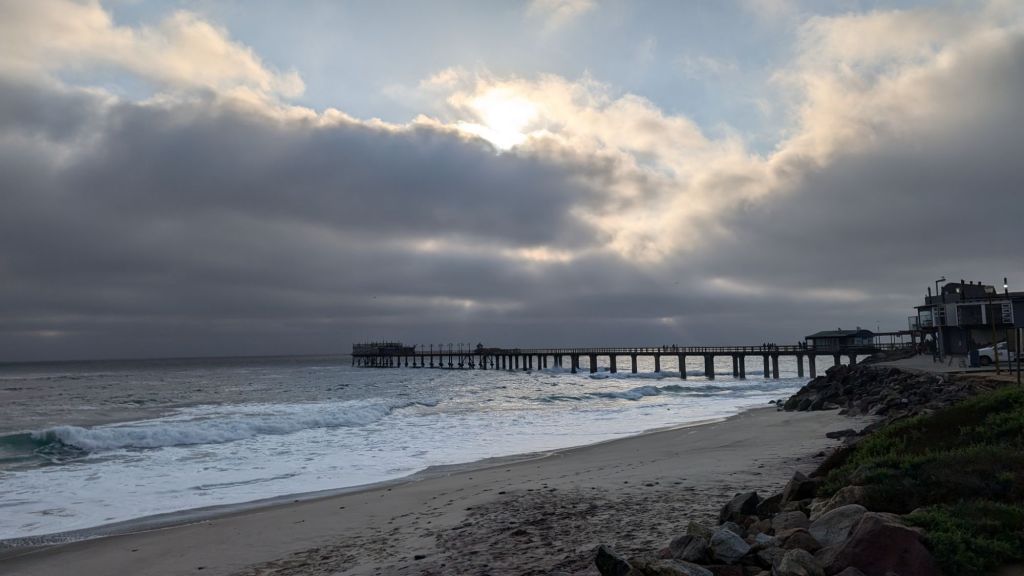
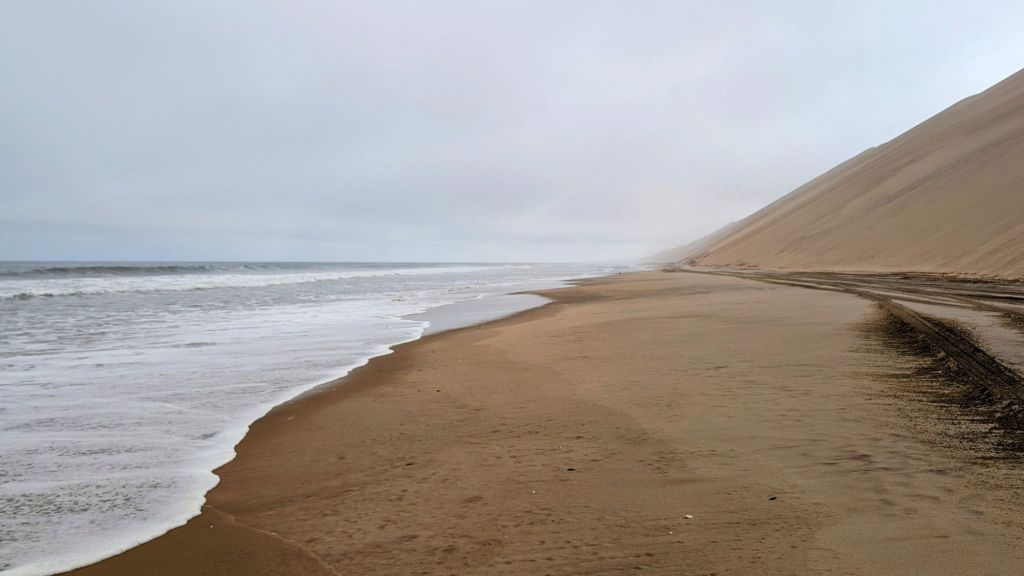
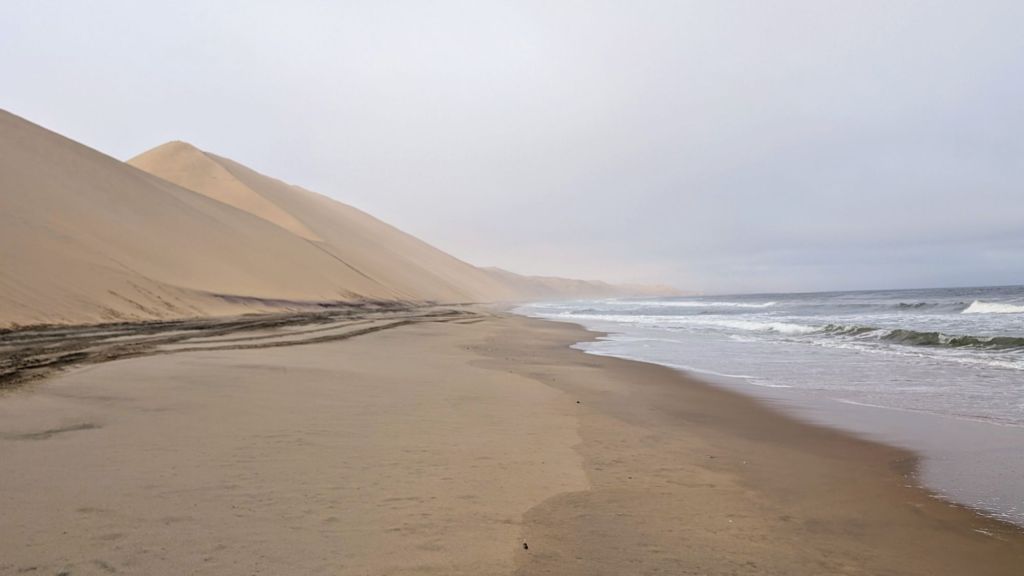
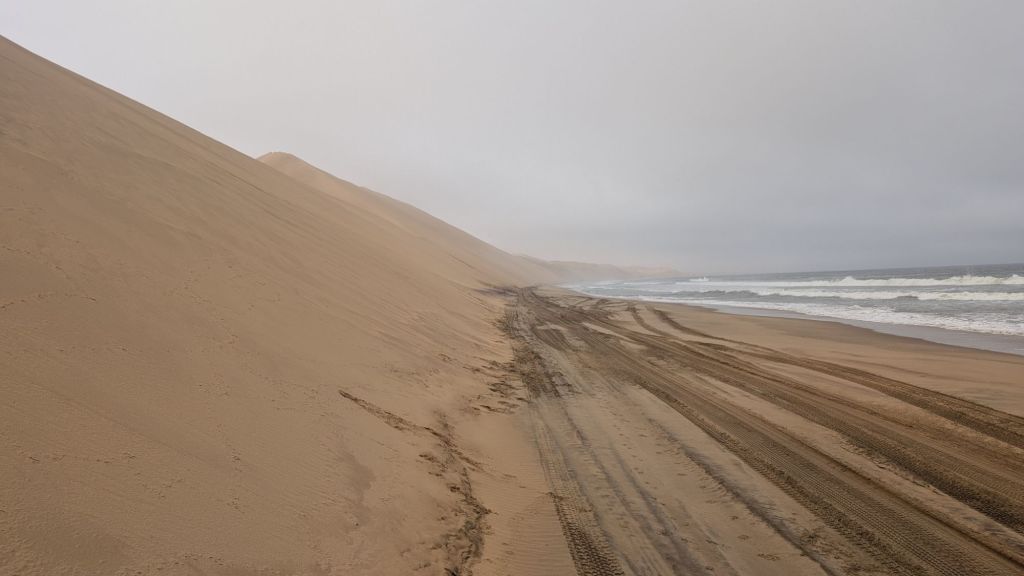
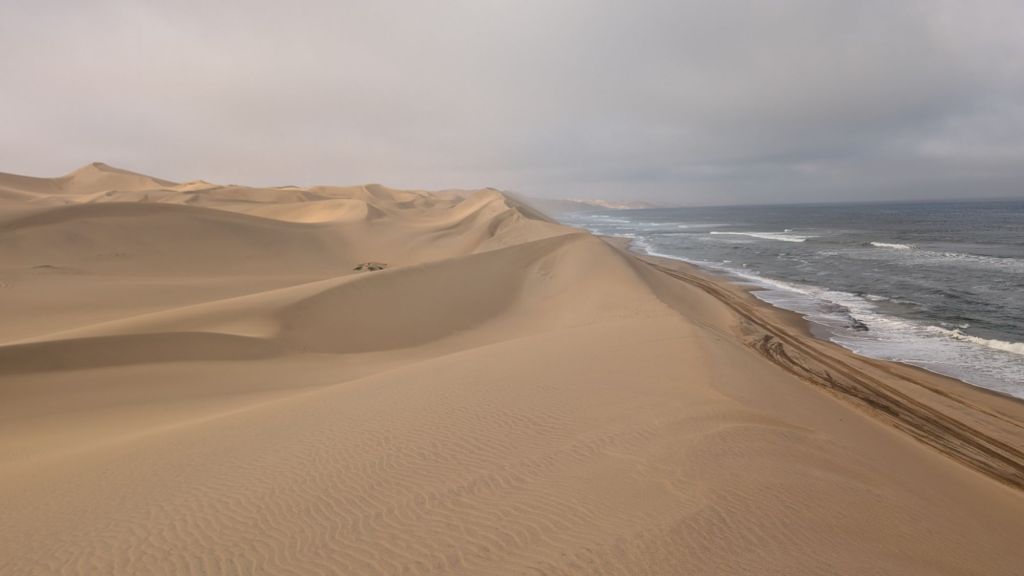
But on to Sandwich Bay. Sandwich Bay is famous for being where the desert meets the ocean. This confused me a bit as I’ve lived in Kuwait (desert) and been to the beach there (meets the ocean), so I wondered what the big deal was!
Little did I know.
The day started off early so we started off enjoying the sunrise.
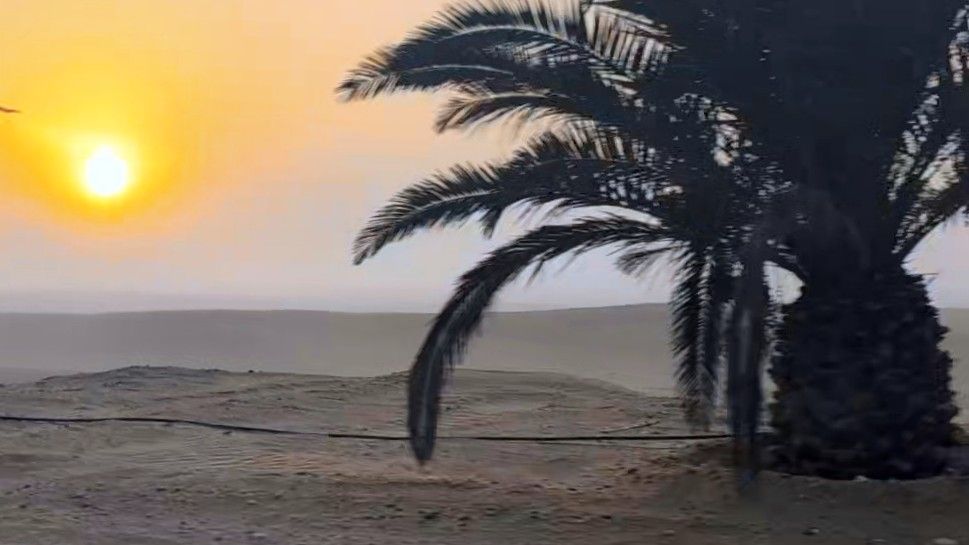
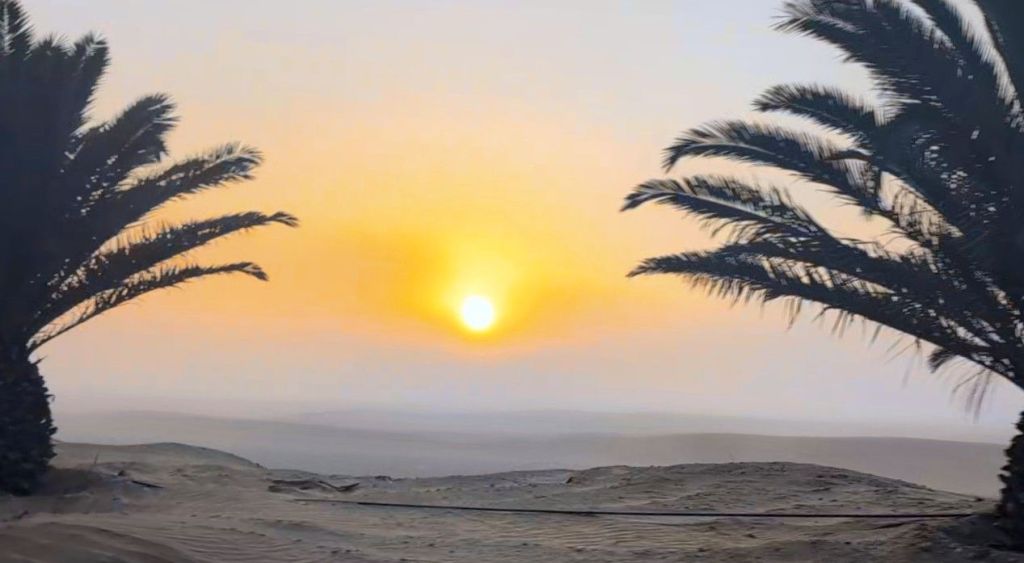

Sandwich Bay lies south of Walvis Bay, and can only be reached by a 4×4, so we booked a tour to get us down there. The drive took us past The Lagoon, and we stopped there so the driver could deflate the tires ready for the off-road journey. The flamingos seemed to have multiplied overnight and must have spent all night eating pink things as their color looked spectacular!
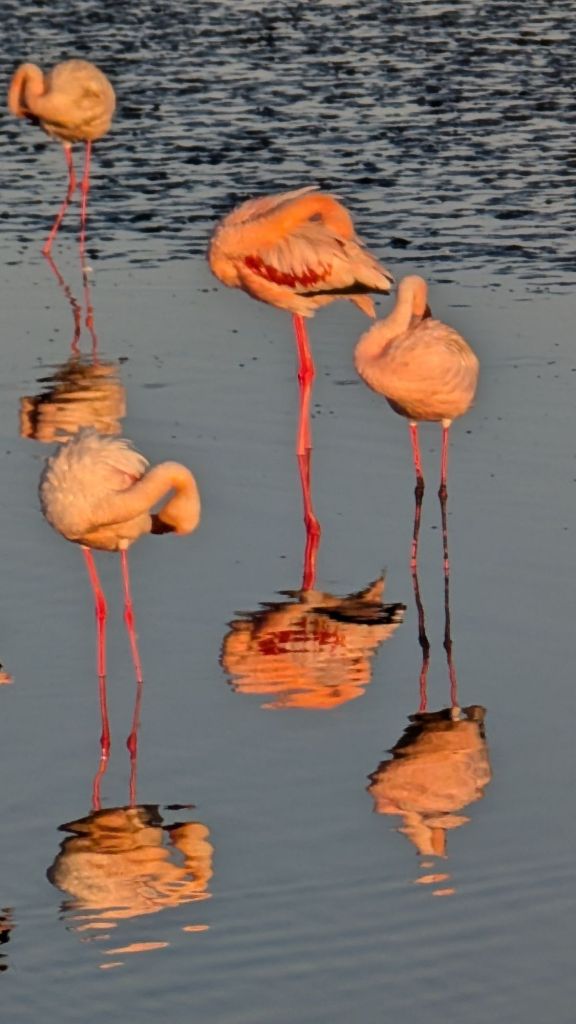
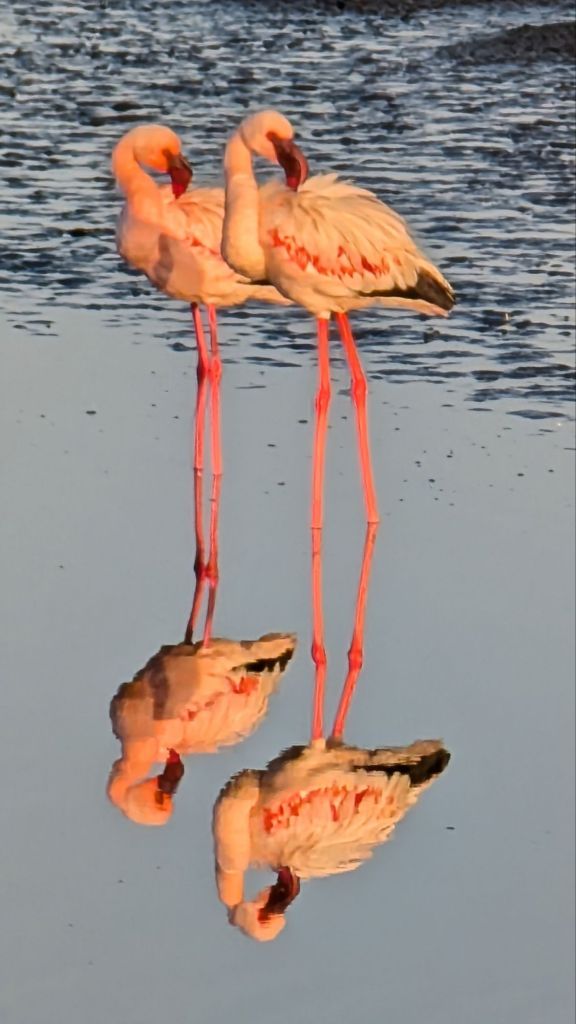
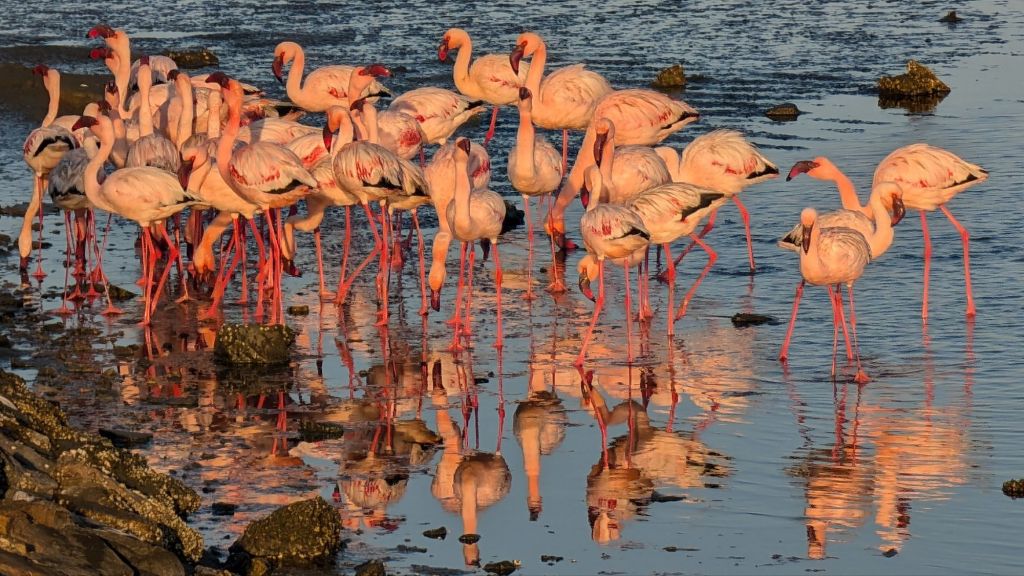
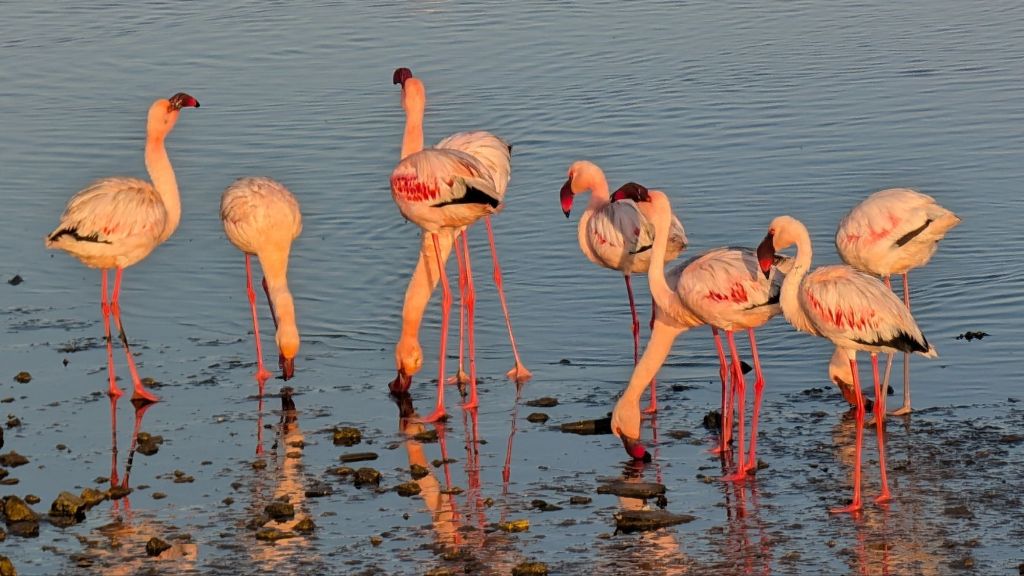
I thought that flamingos got their pink color by eating shrimp, but we were told that these became pinker as they ate more of the pink algae that colored the water around here.
I’ve never given salt much thought in my life (though I’ve been to salt pans in Uganda) but probably should. Some of the salt pans around here have twice the amount of salt that’s in the ocean…and it’s a big business here!
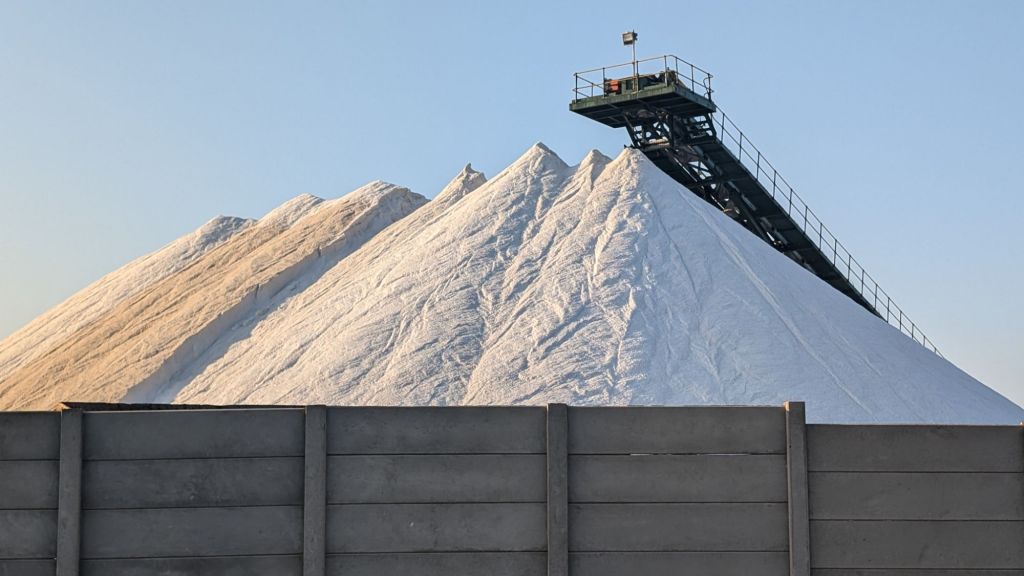
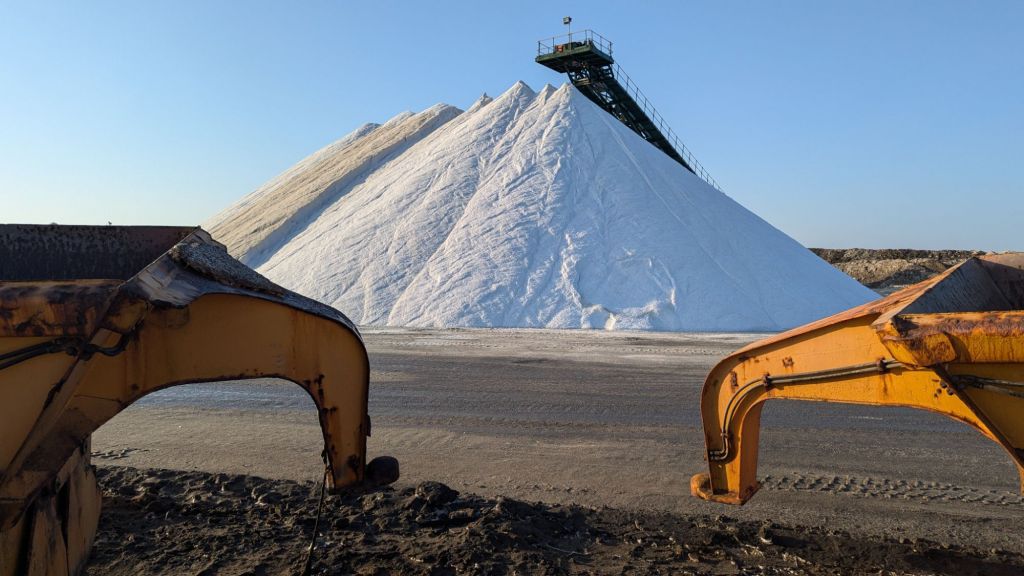
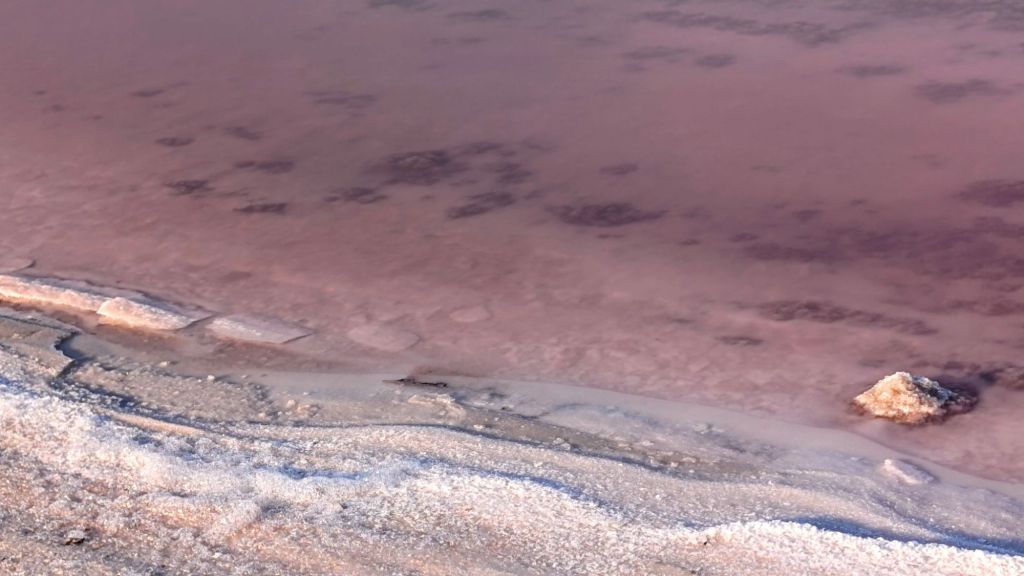
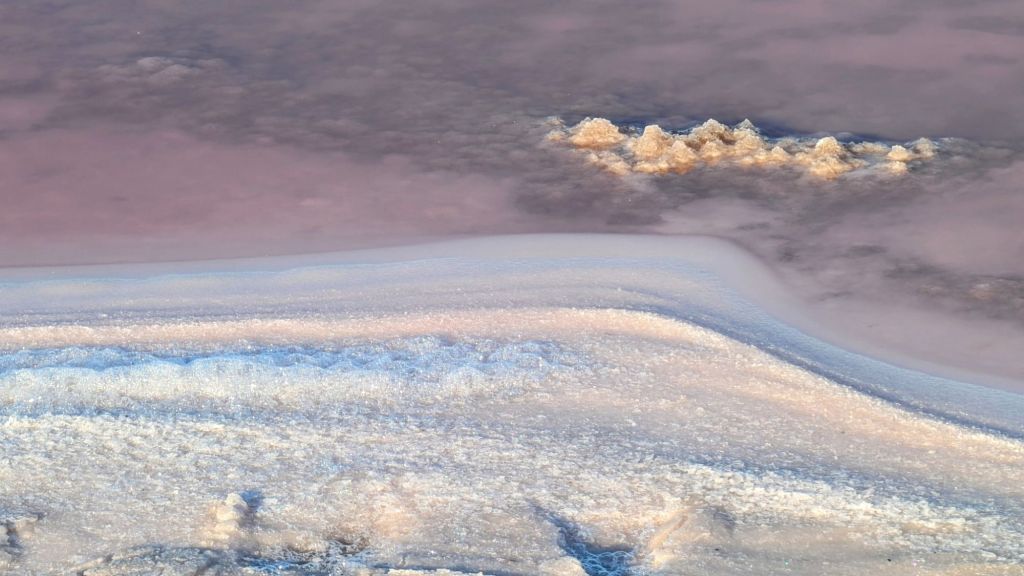
We learned that flamingos can drink salt water because they have a gland that acts as an extra set of kidneys to expel the salt from their bodies! They can also sneeze salt! Who knew that flamingos had their own personal, in-built, de-salination plant?!

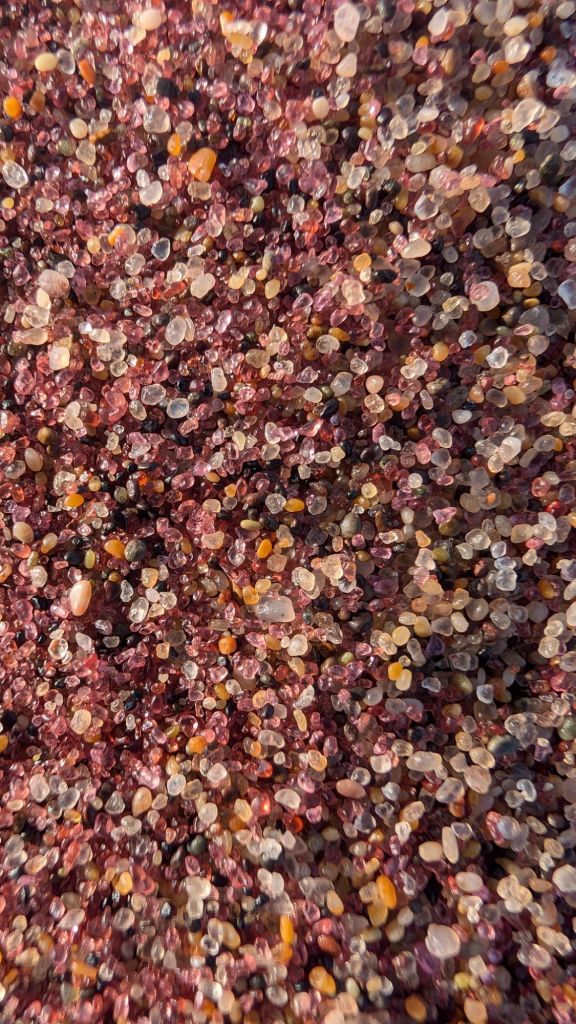
As most of you know by now, I love architectural lines so, when we stopped to look closely at some sand, I couldn’t help myself! We had stopped so that our driver could faff about digging for a transparent gecko that lives in these dunes. Unfortunately, he never found one 😥
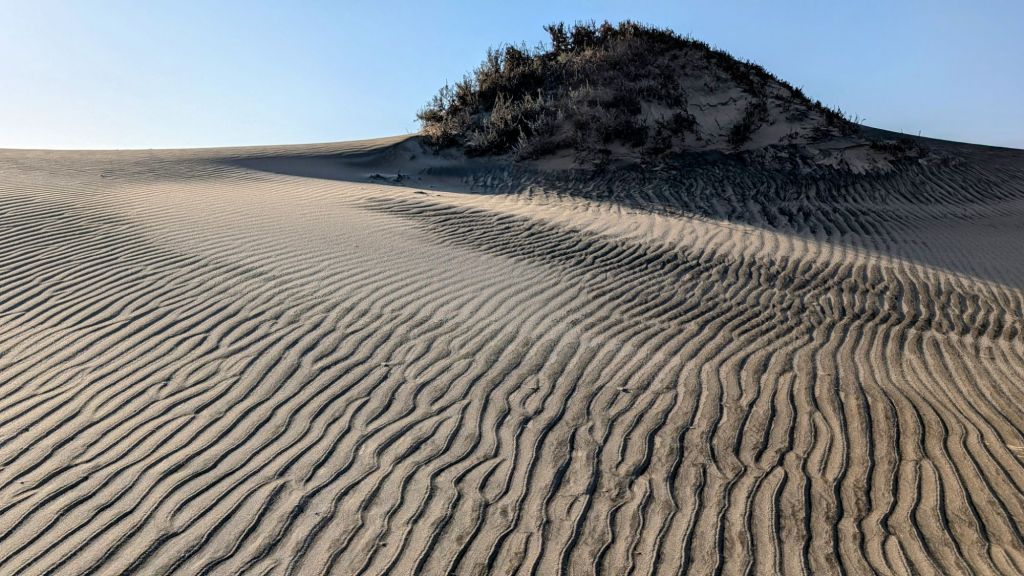

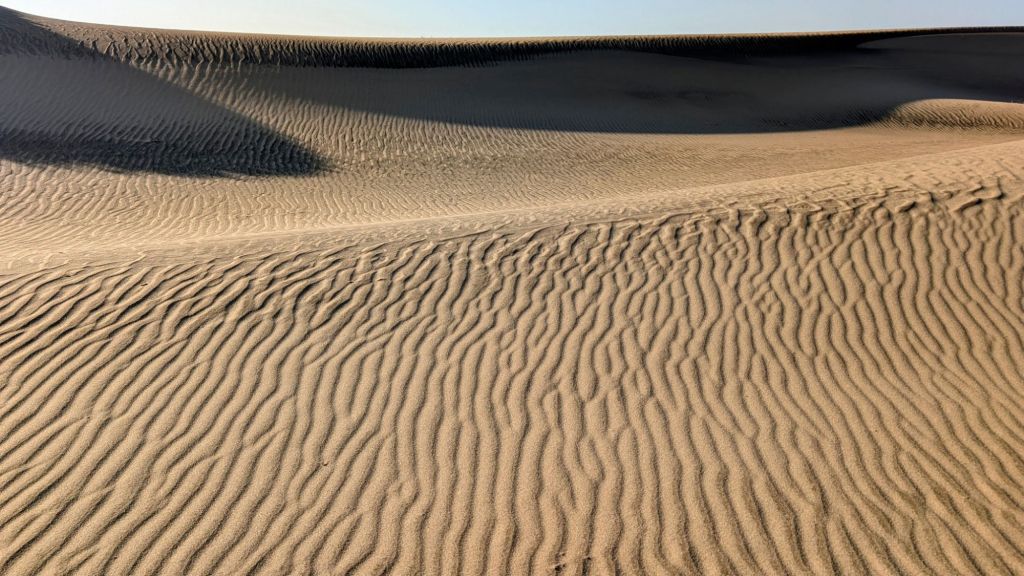
You may be wondering why we stopped to take a closer look at sand. We were too; that is until we saw this…

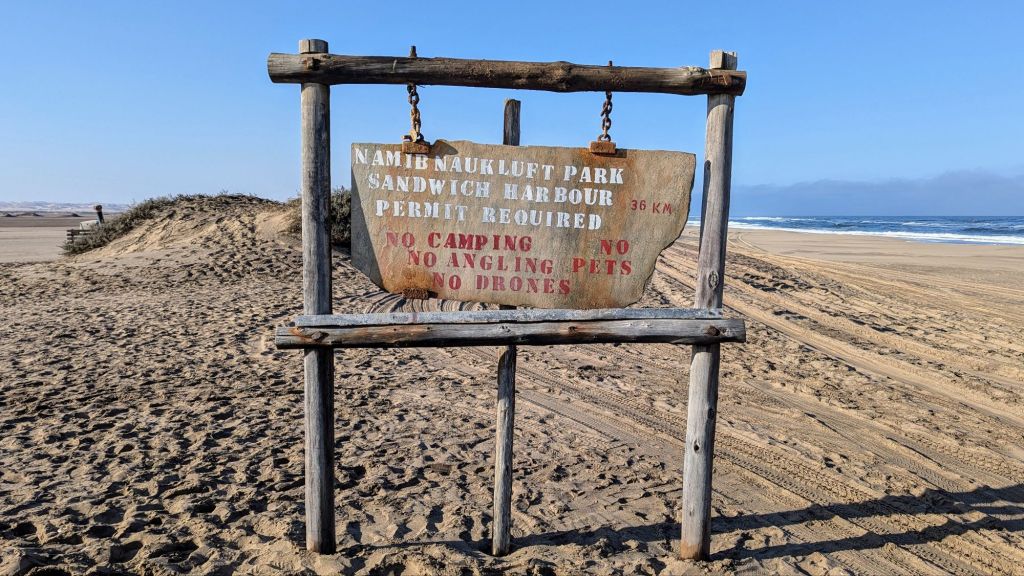
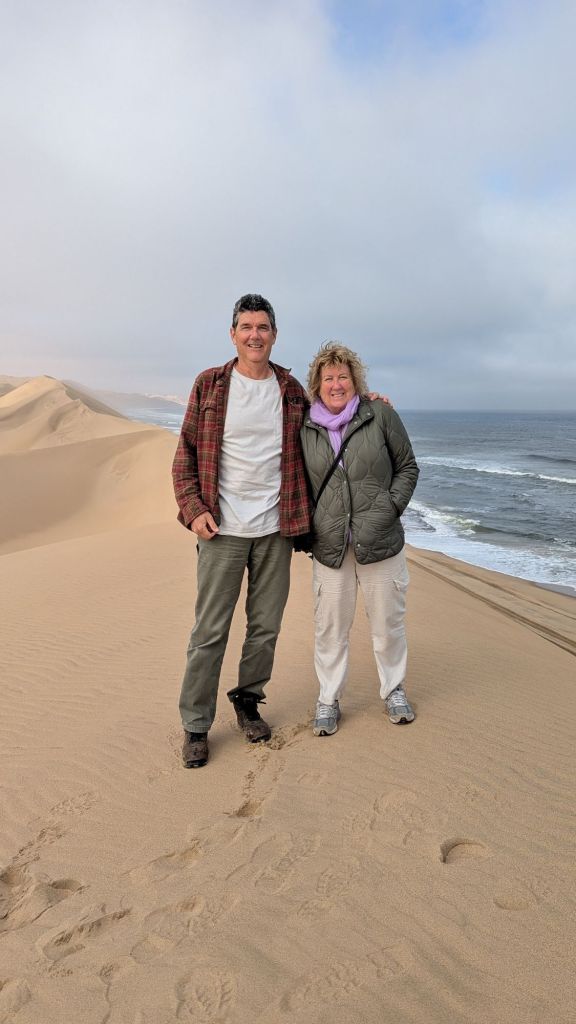
As remarkable as all this was, the main event was definitely ‘where the desert meets the ocean!’ It was breathtaking…and nothing like I’d seen in Kuwait! I remember being shown a reel-to-reel movie in my grade school cafeteria that detailed the deserts of Africa. They showed the spectacular scenes of the huge sands dunes dropping off directly into the ocean. We never actually got to Sandwich Bay because the tide was coming in and blocked out path 😭
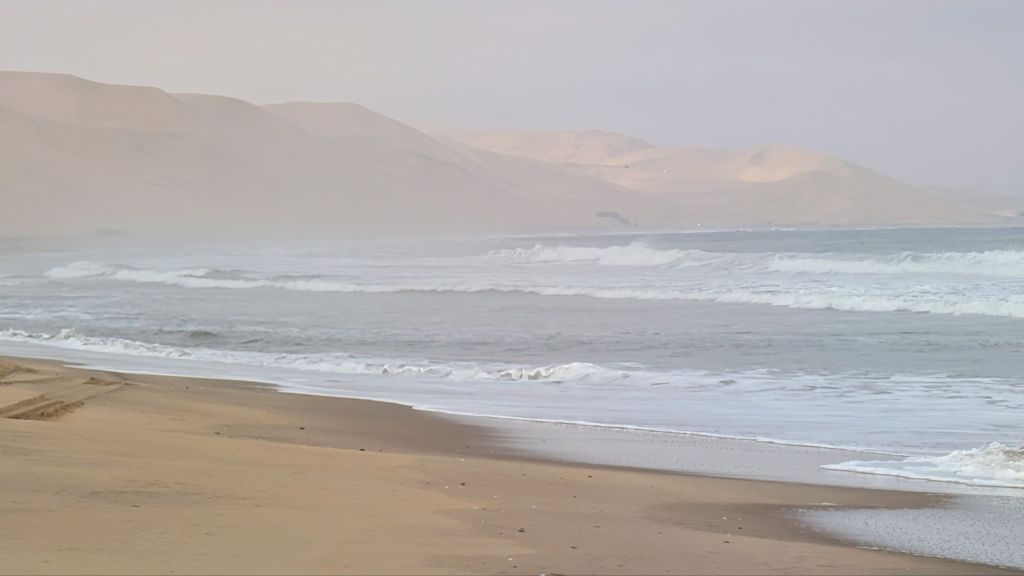
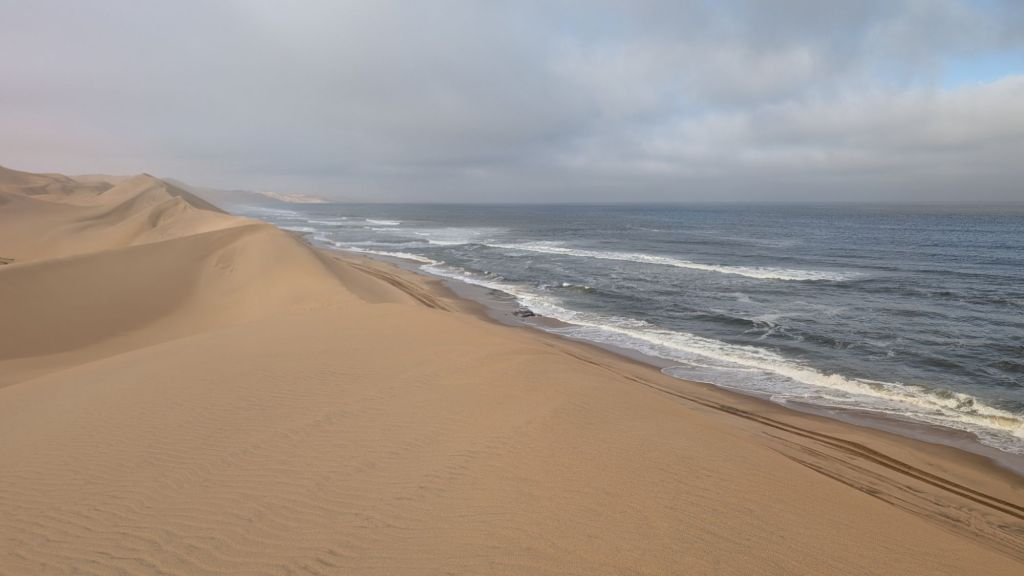
To our delight, we learned that springbok, ostrich, black-backed jackal, and hyena have adapted to living in this environment.
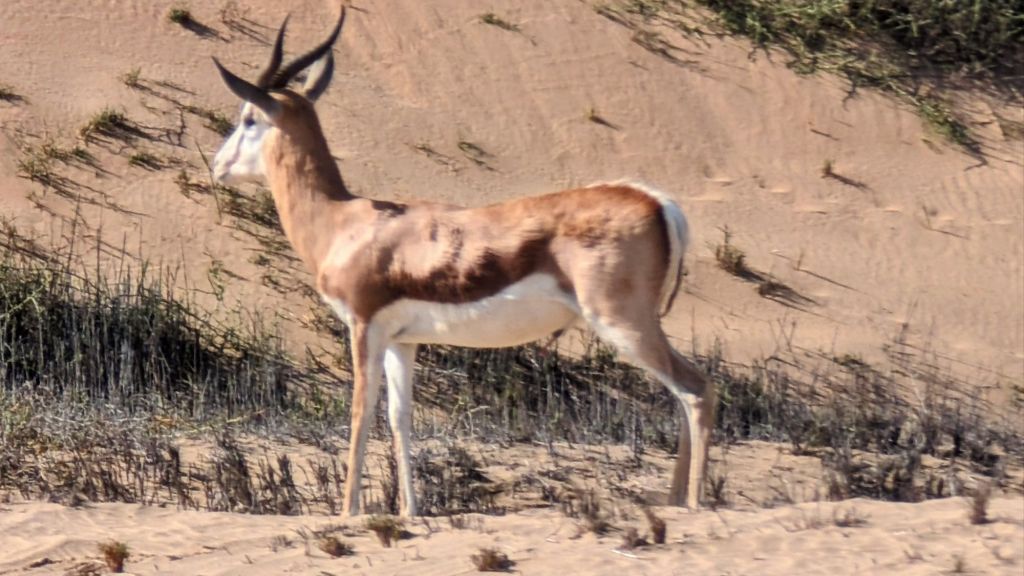
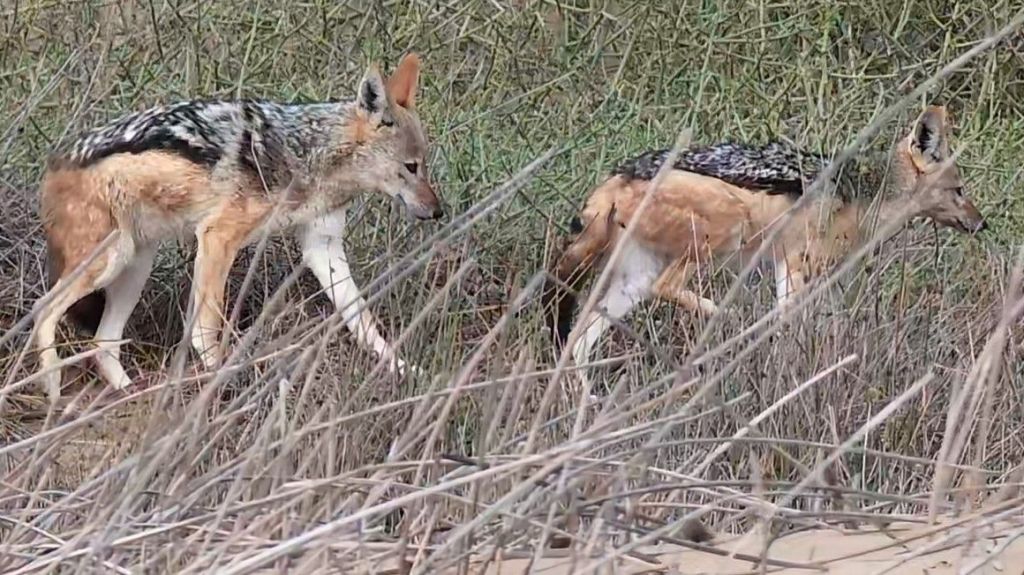
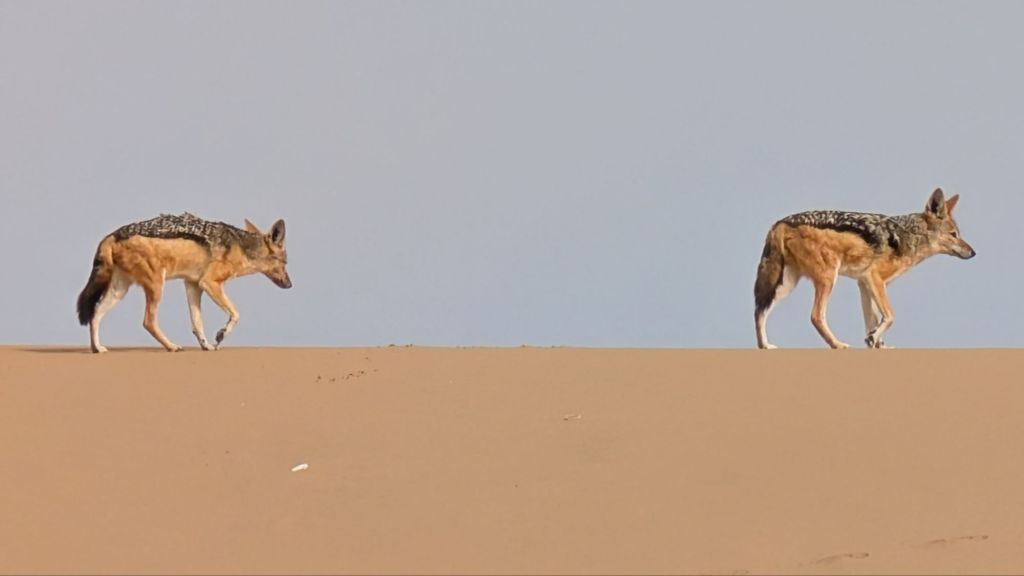
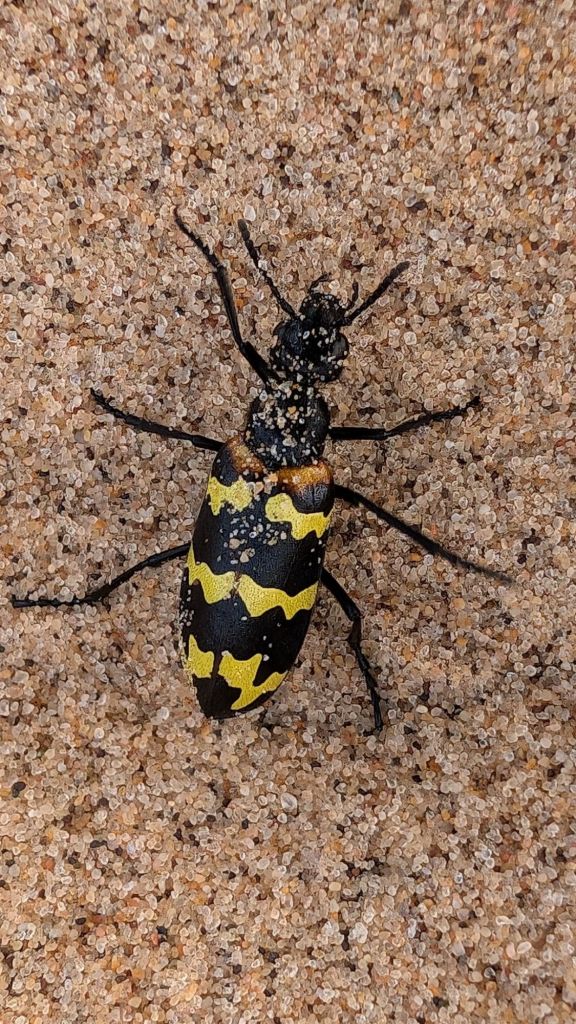
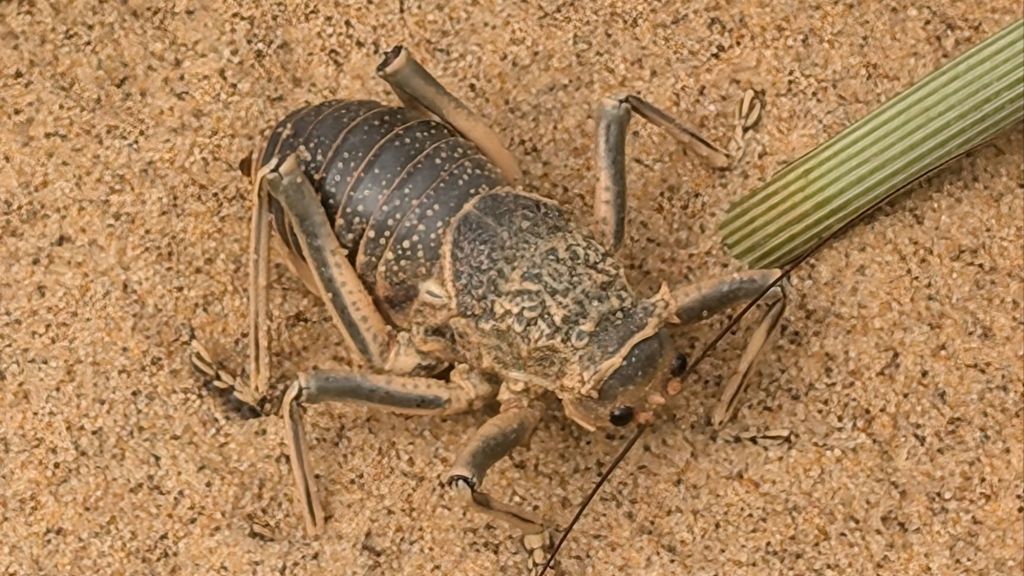
It never ceases to amaze me how much is going on beyond our line of sight. It’s incredibly humbling!
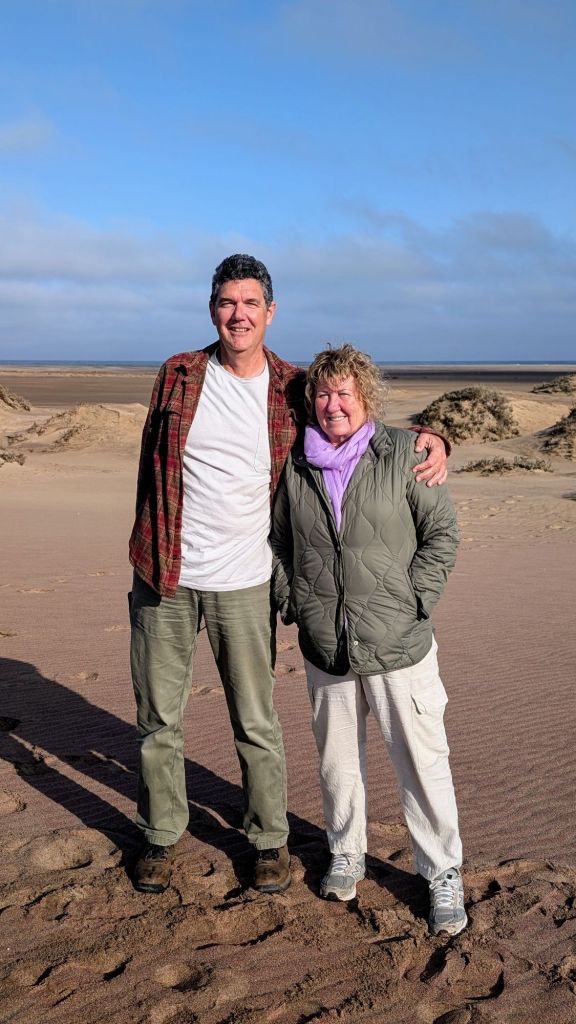
Our next excursion was to Cape Cross to see the world’s second-largest seal nursery. On the way, we stopped to see an old shipwreck whose only crew now was the birds. Cape Cross is part of the Skeleton Coast, named for the amount of whale and animal bones that can be found along the hundreds of miles of coast line. This section of the ocean was huge for the whaling trade in the middle 19th century well into the 20th century. It is now also the home to numerous shipwrecks, but it was the bones that gave this coast its nickname.
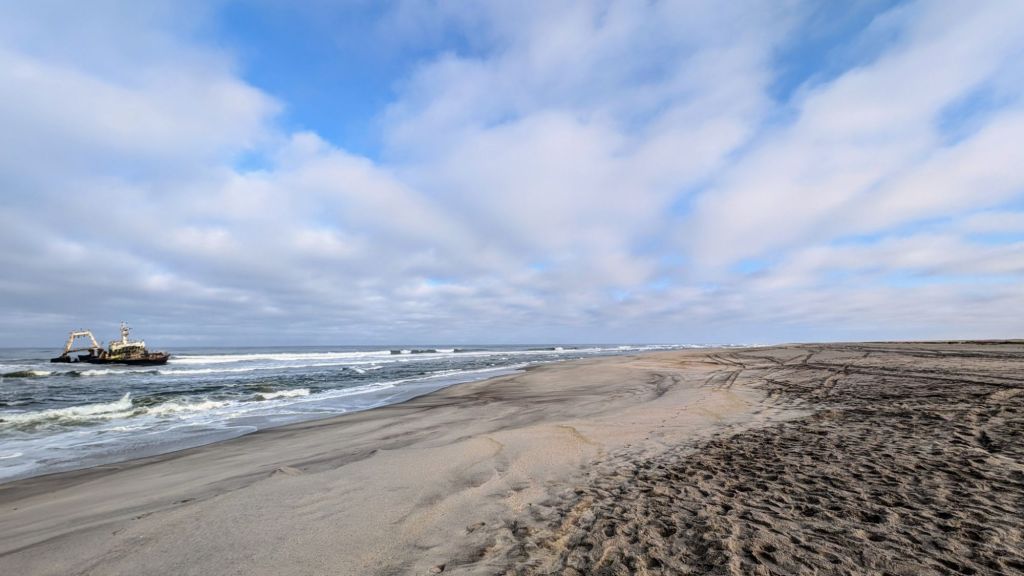
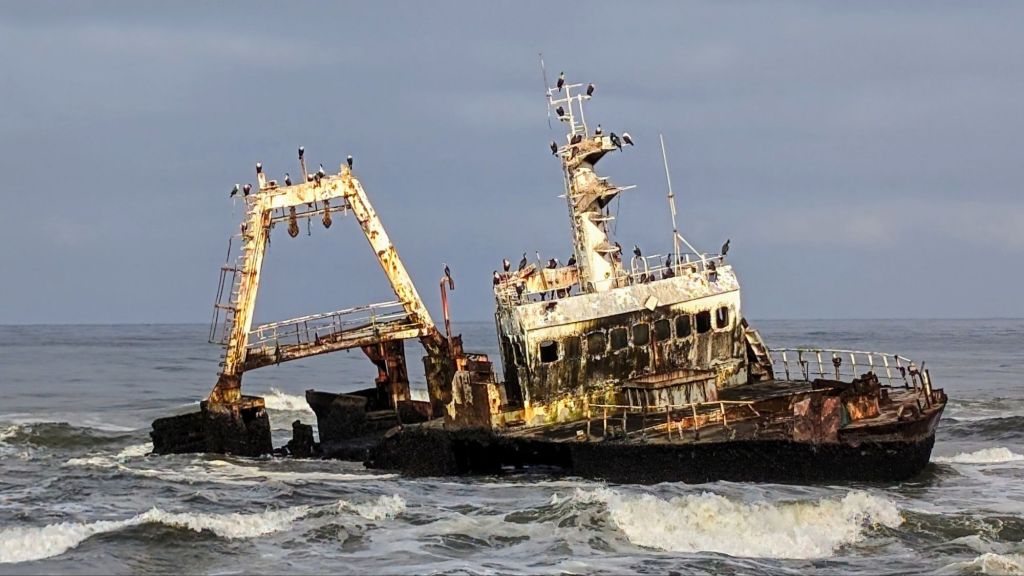
We saw a new road sign…this time warning about hyenas.

And we passed scores of ‘stores’ selling salt crystals on the honor system.
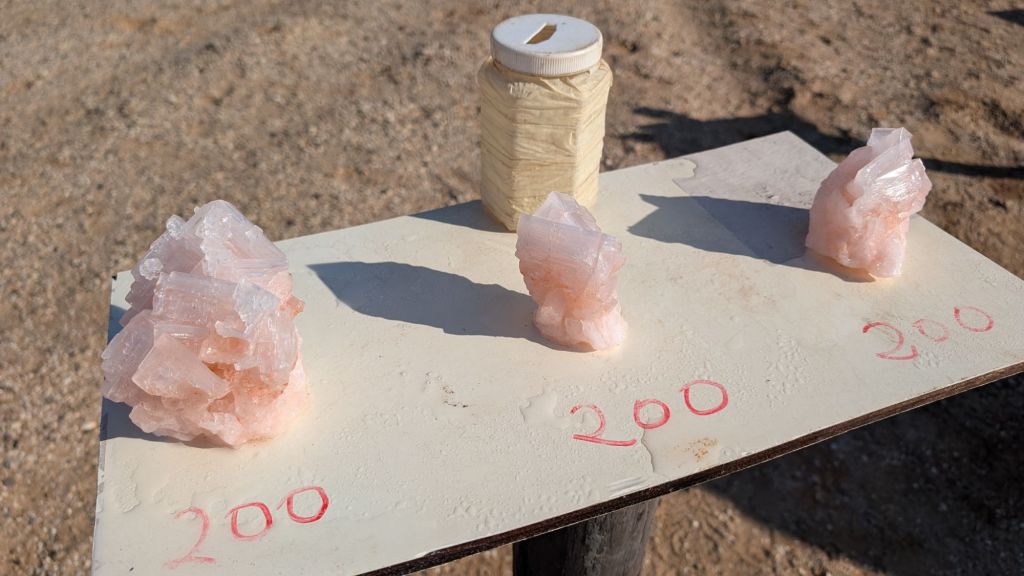
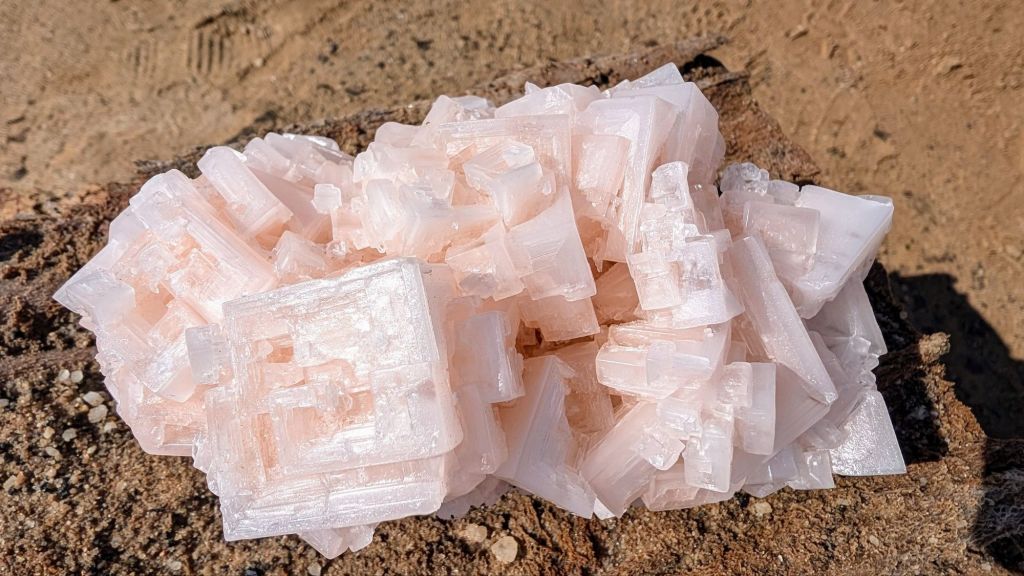
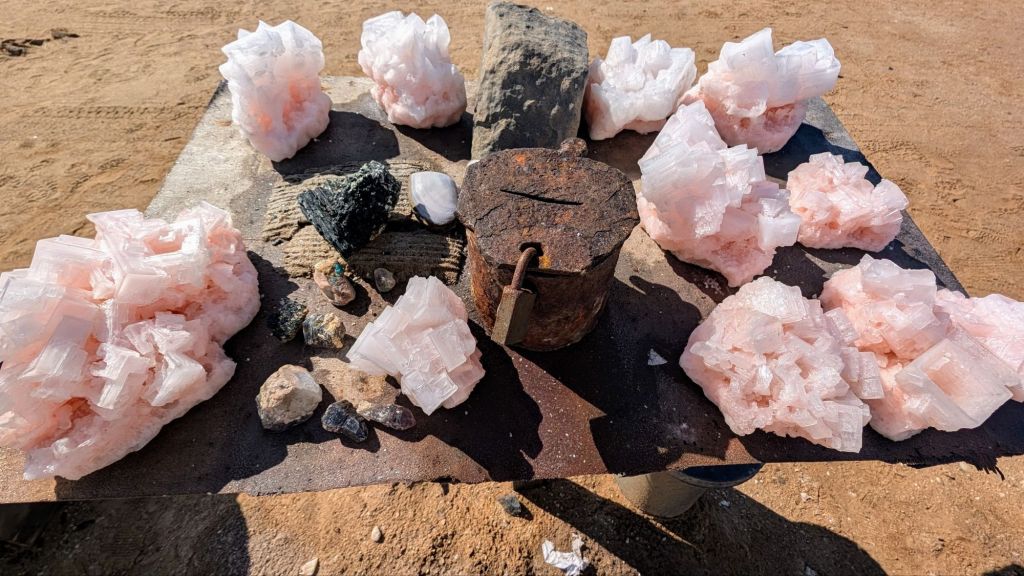
These ‘stores’ were in the middle of nowhere…
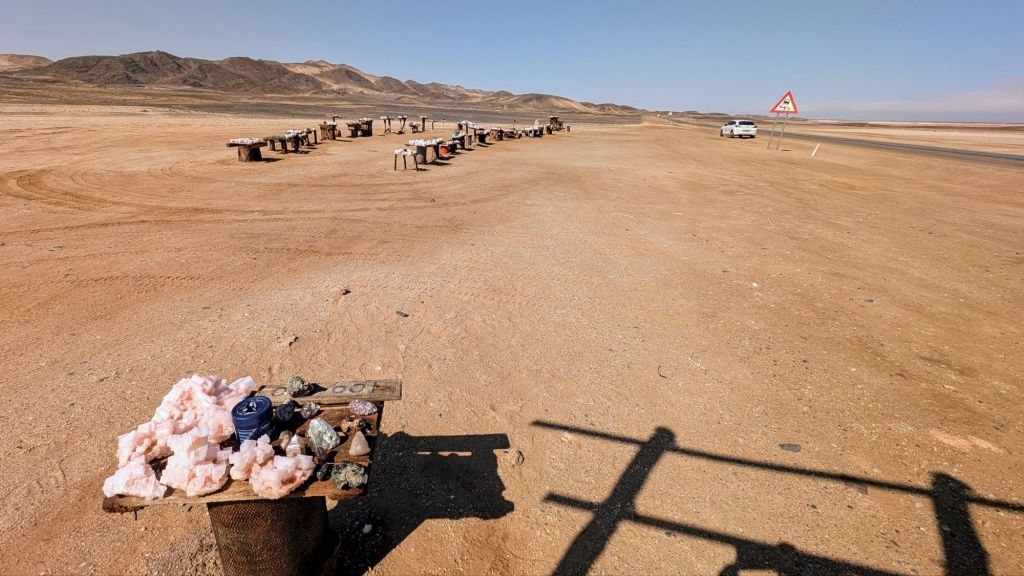
.. literally…
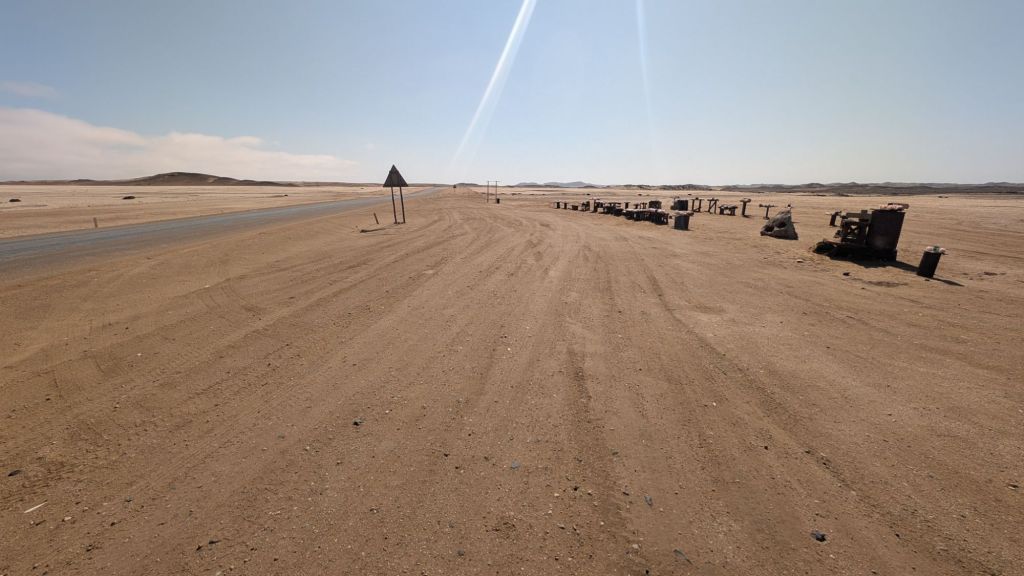
…nowhere!
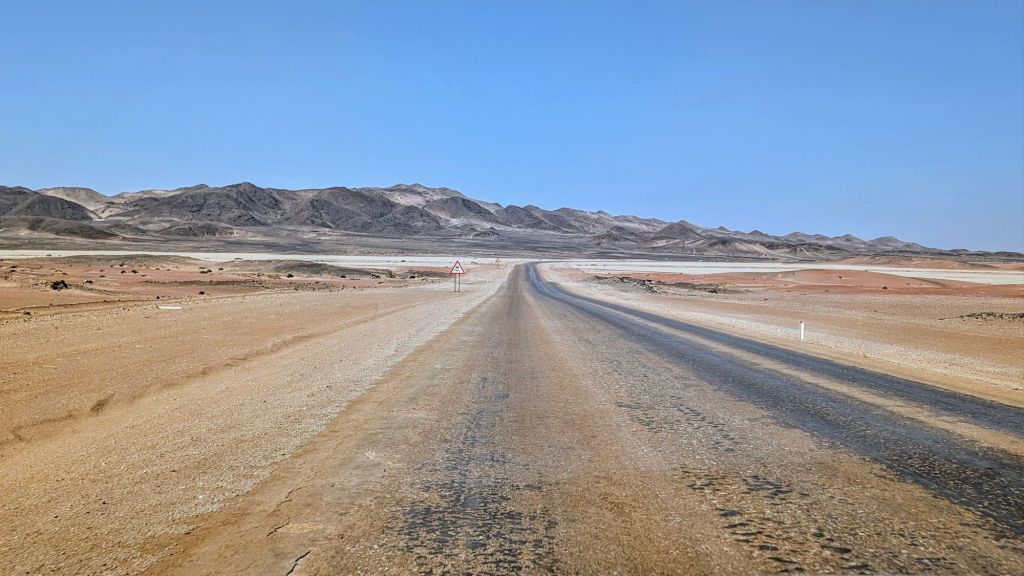
Sometimes I’d love to see inside the brain of the person who came up with certain ideas 😂
And then, we were at the seals! Just a quick sidenote; no photo can begin to show how overwhelming the sheer number of seals was. And it certainly doesn’t give the scratch -and-sniff experience I’d love to share. These photos will have to suffice!
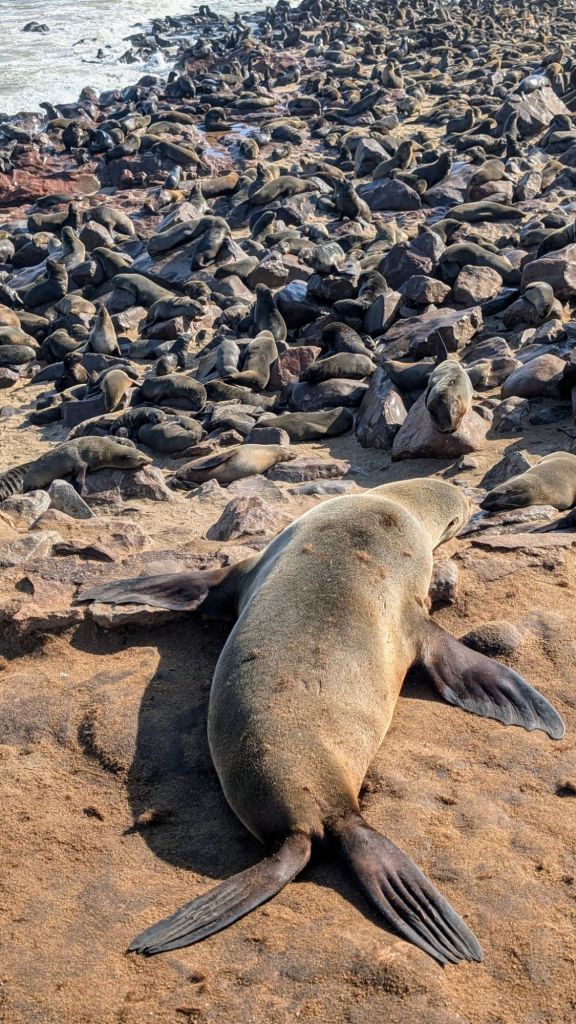
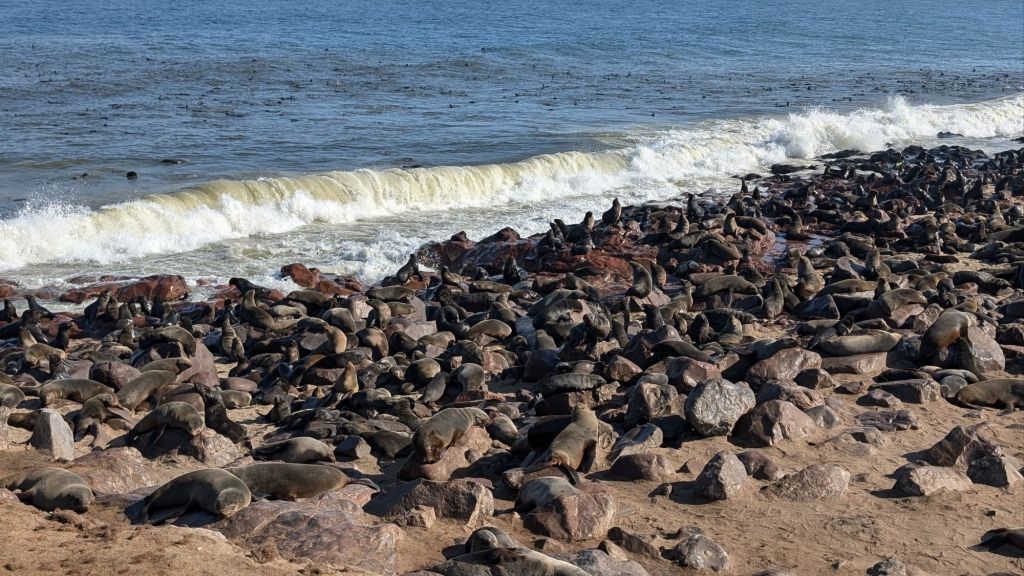
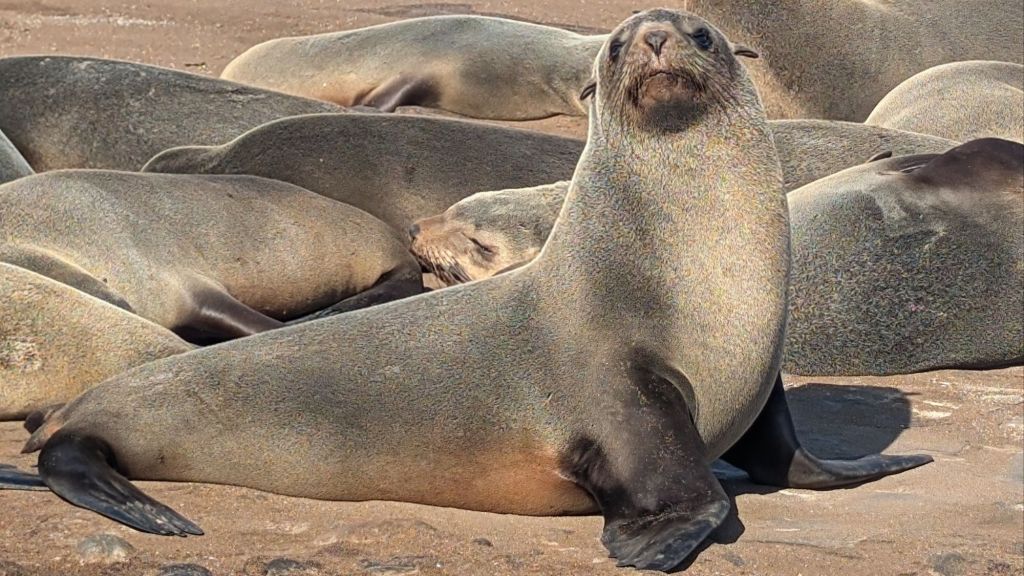
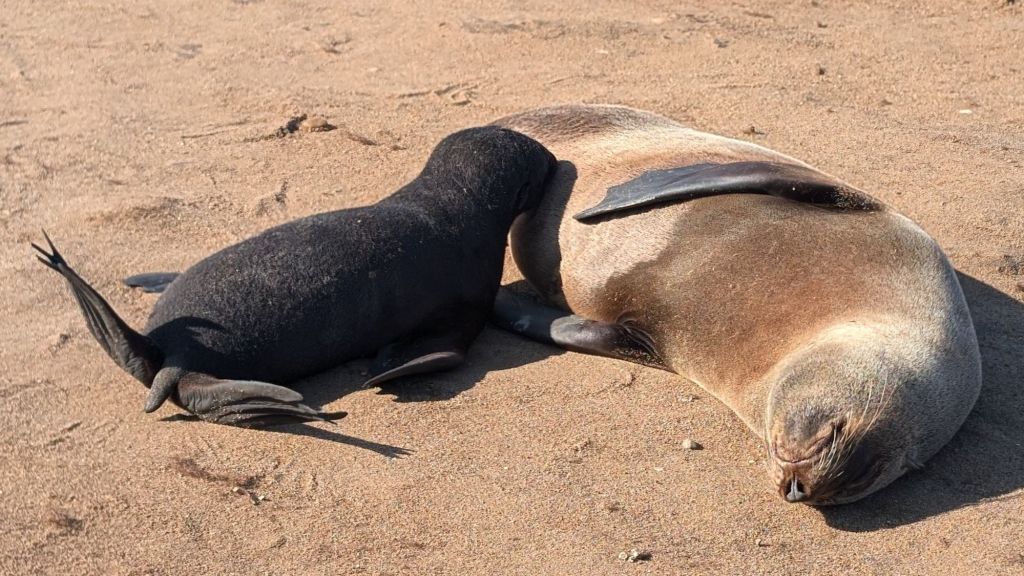
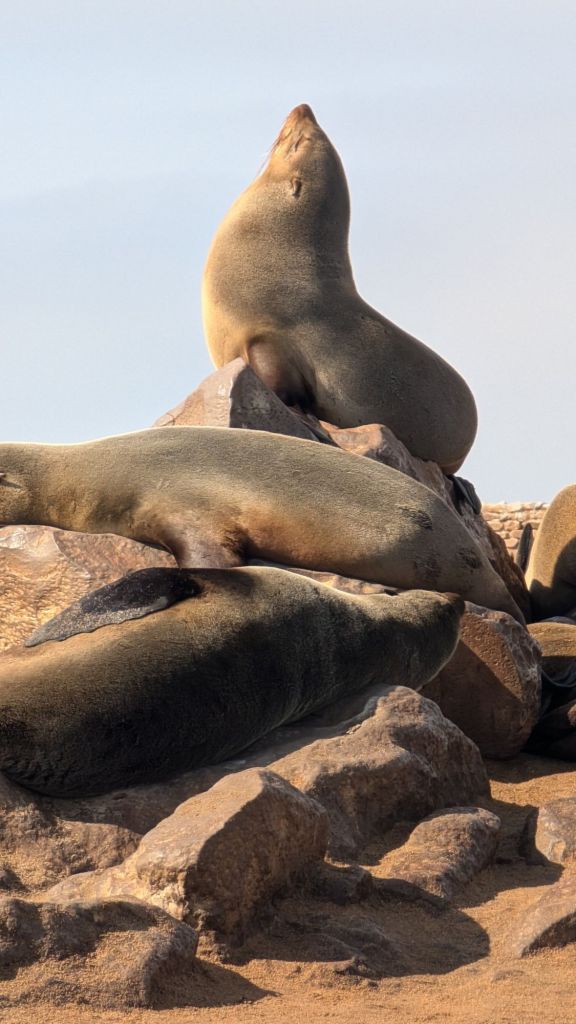

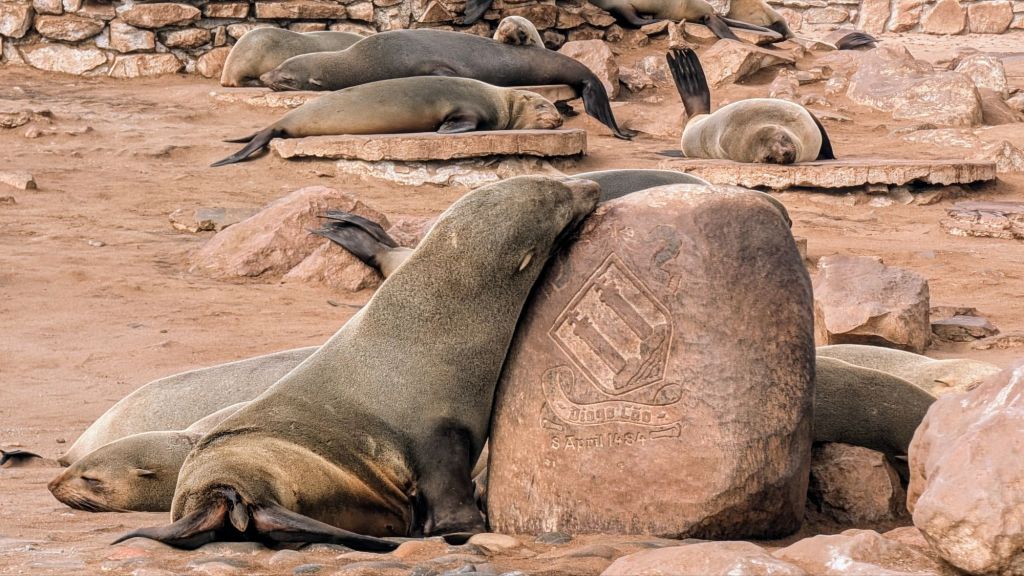
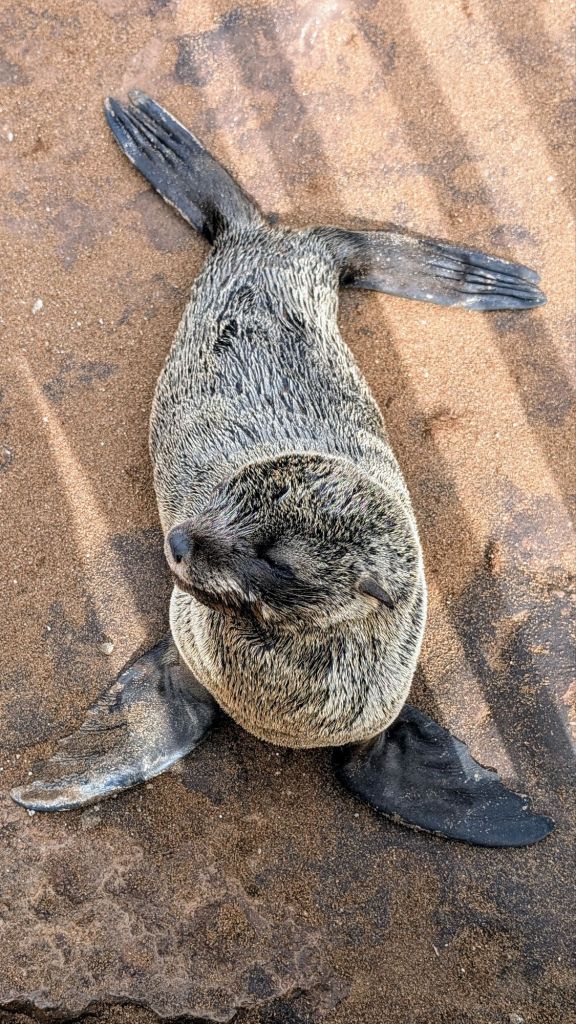
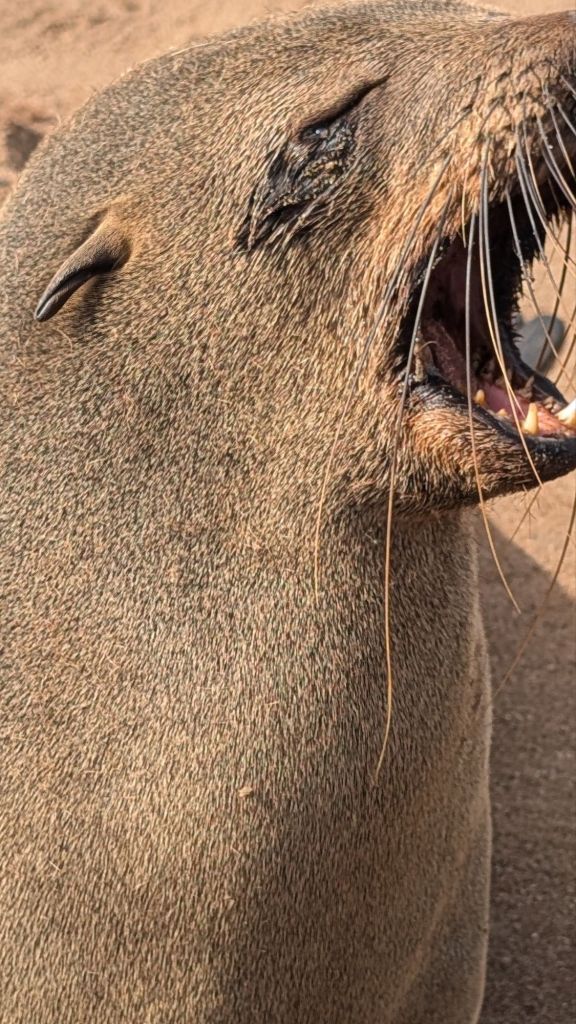
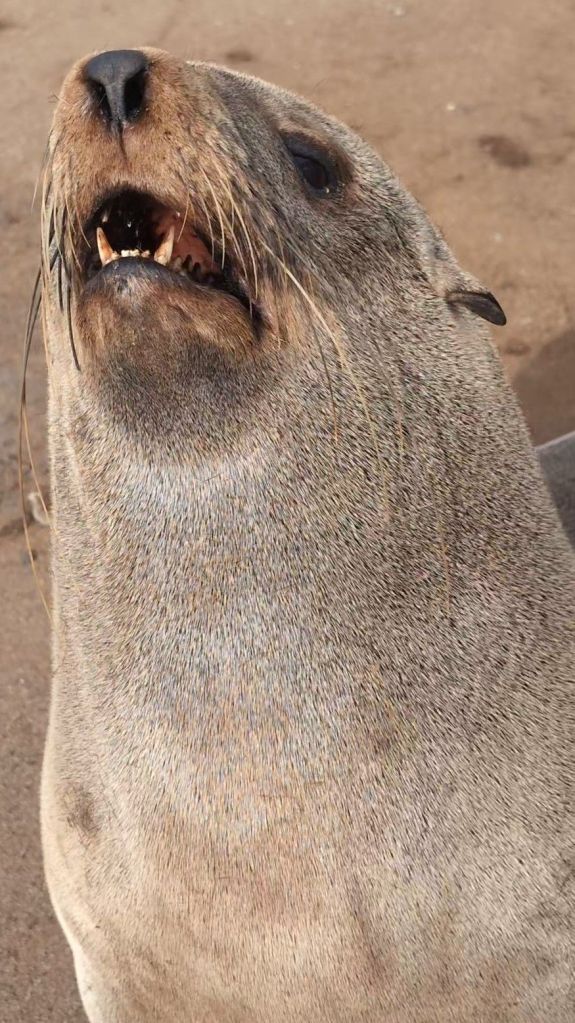
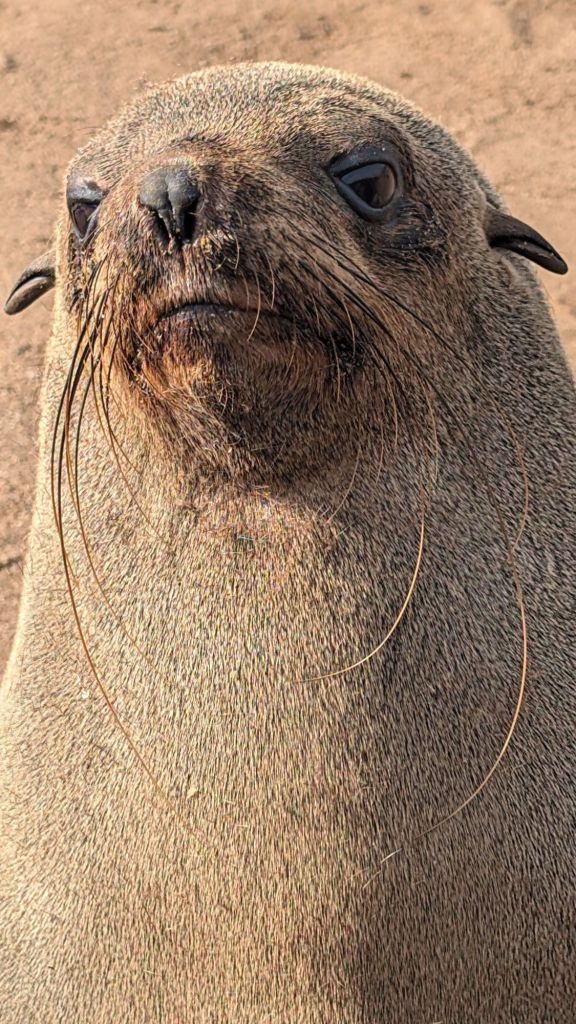
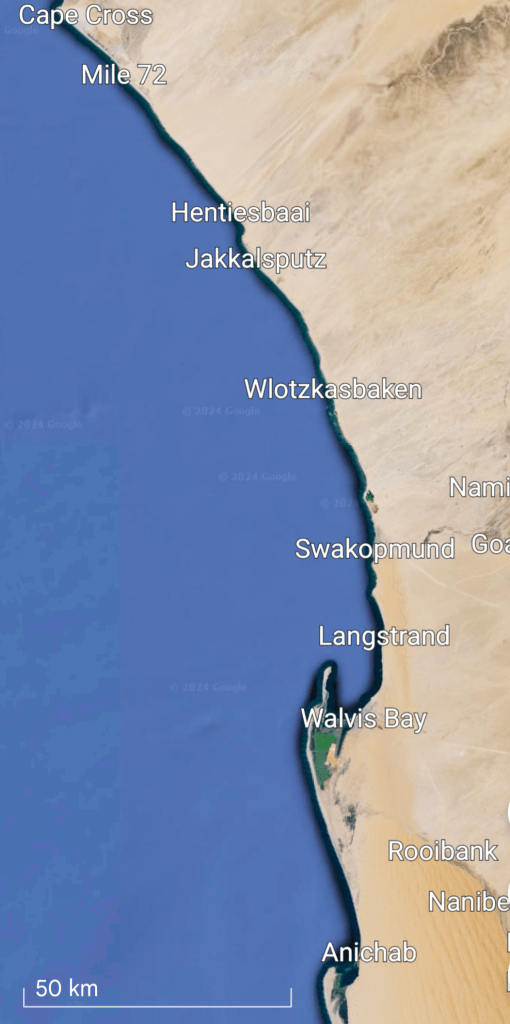
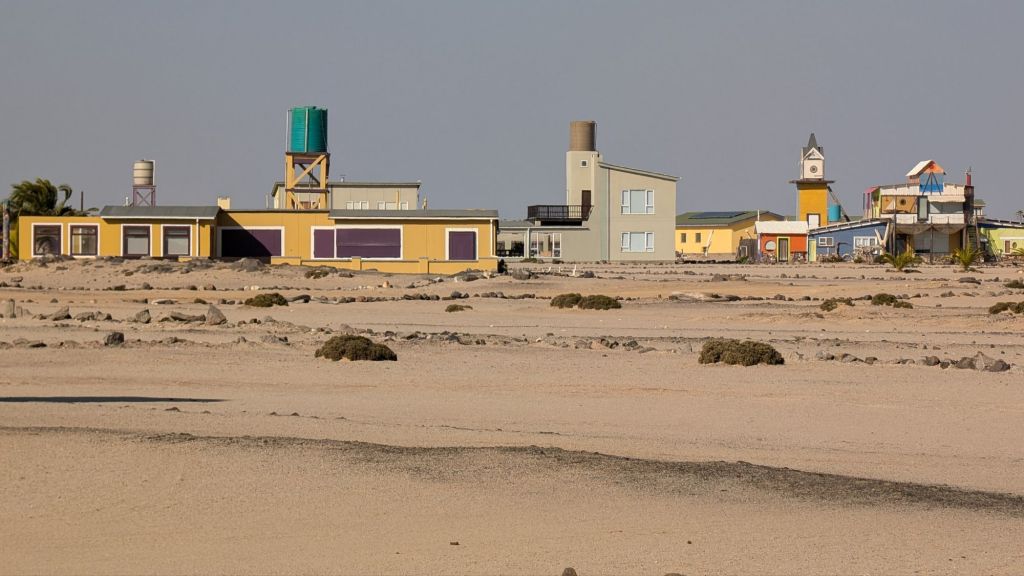
On the way home, we drove through a funny little town of a mish-mash of house styles…all with their own water (de-salination?) stations. I found out the name for the town is Wlotzkasbaken. It was founded in the 1930 as a holiday angling spot. Now, every year around Christmas, thousands of fishermen descend on the town for the annual “Marterpfahl” angling festival.
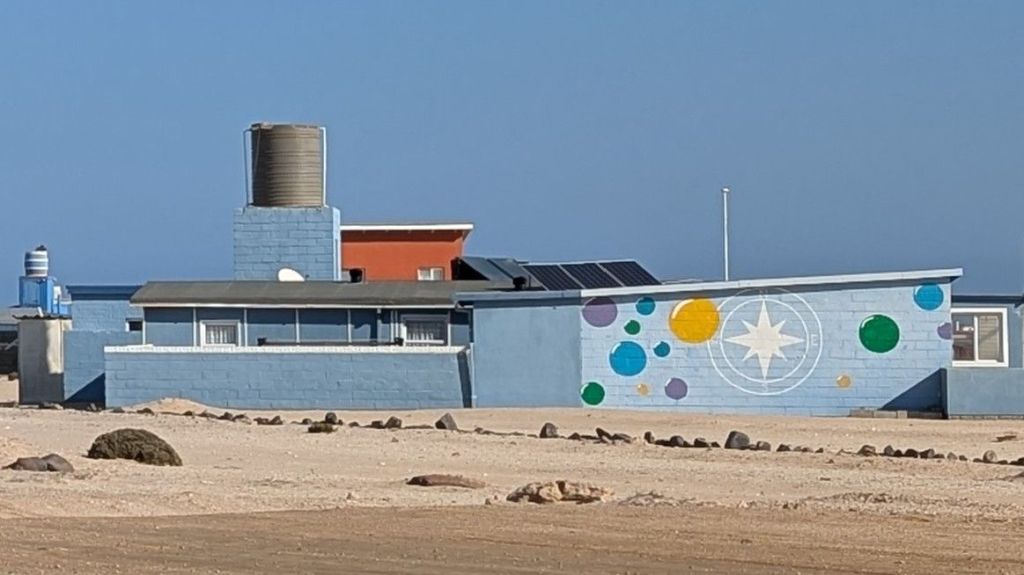
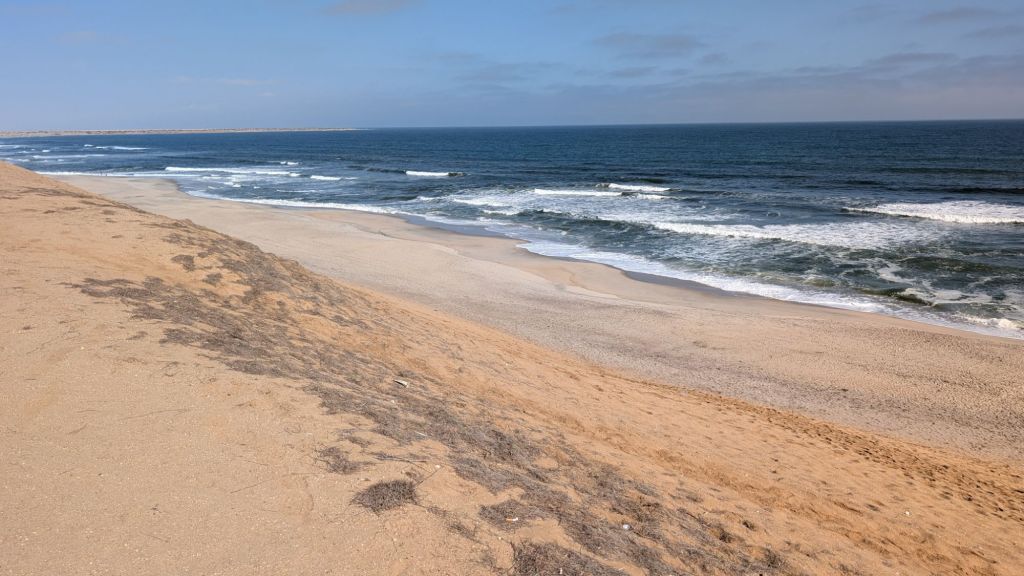
And we stopped at Hentiesbaai, which is a beautiful town on the ocean that, true to Africa, had beautiful oceanfront homes built along dirt roads…
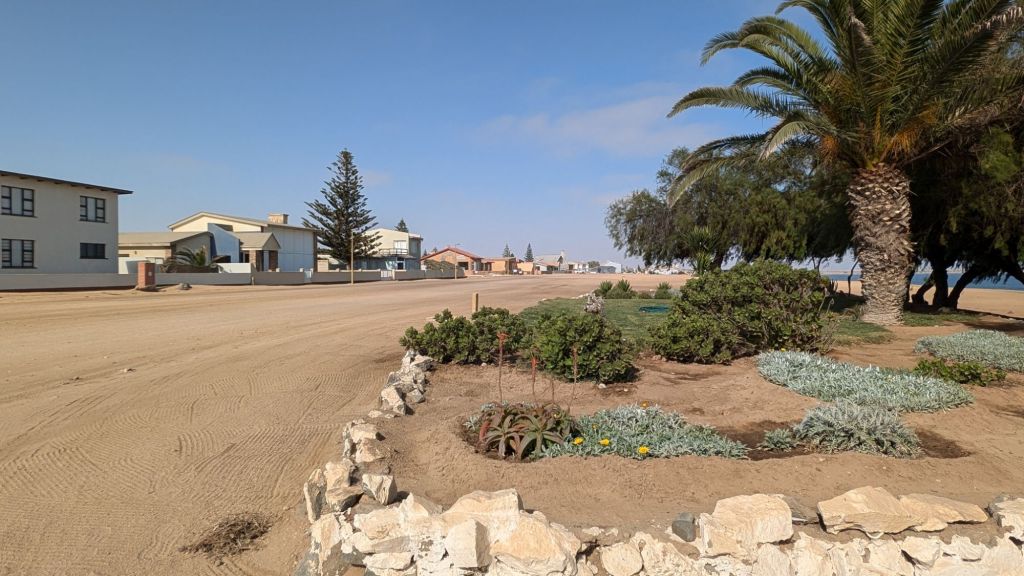
…and that were a 2 minute car ride from the poorer end of town.
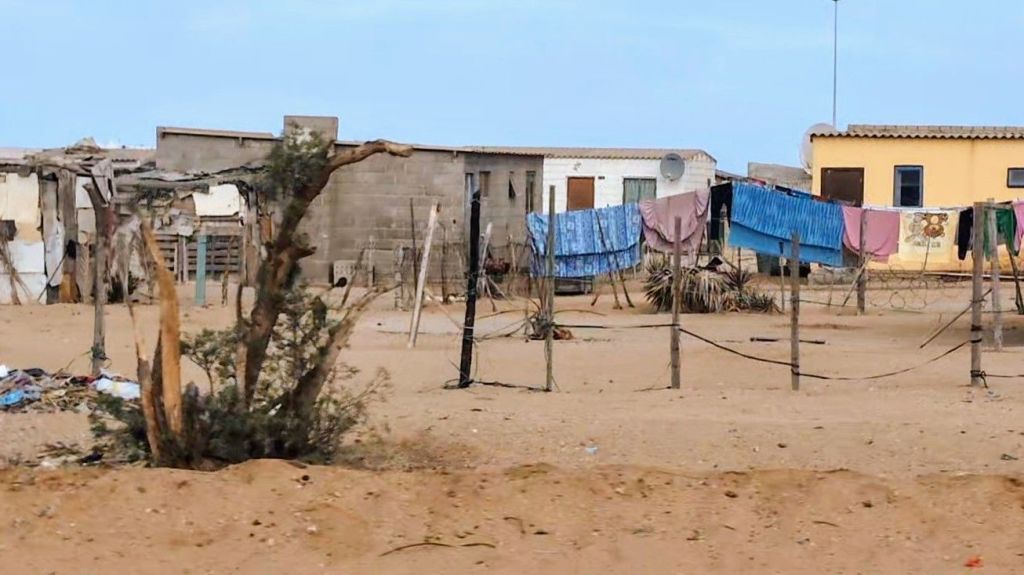
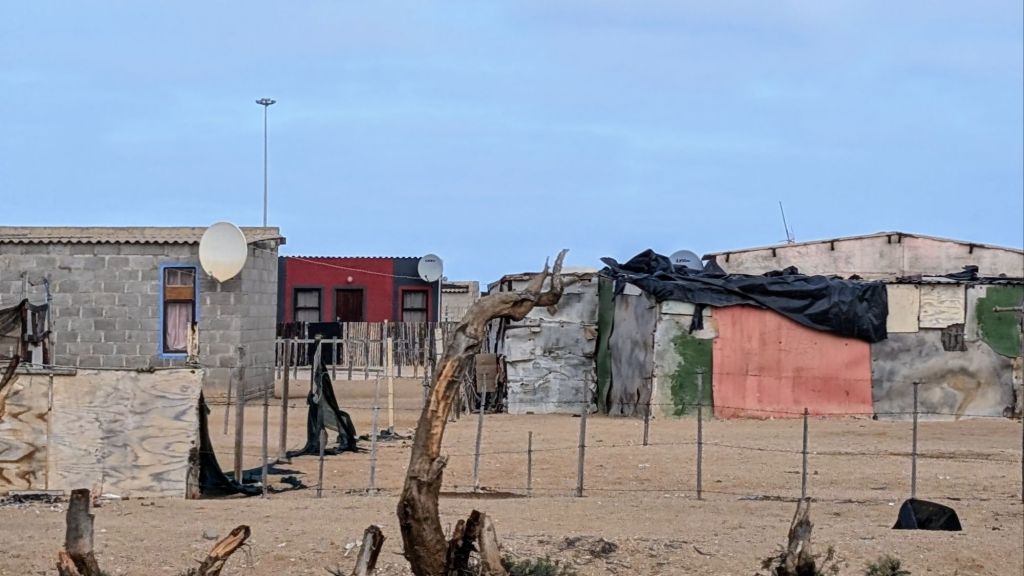
We may love or hate Africa; but I doubt we’d ever understand – or be bored – by this fascinating continent!

 Designs by Rhia
Leave a comment