Days 23 & 24
(Dan’s comments are italicized)
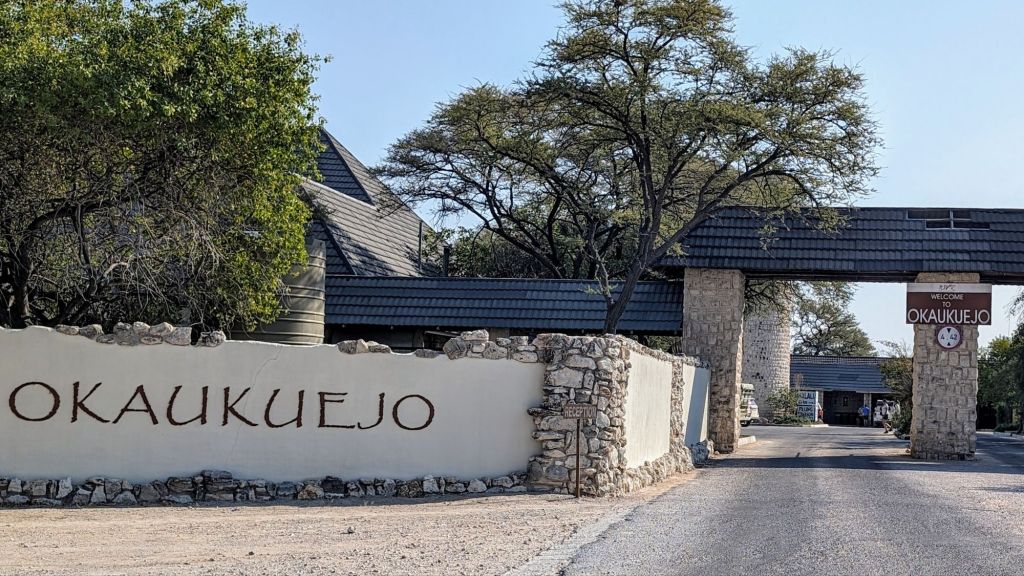
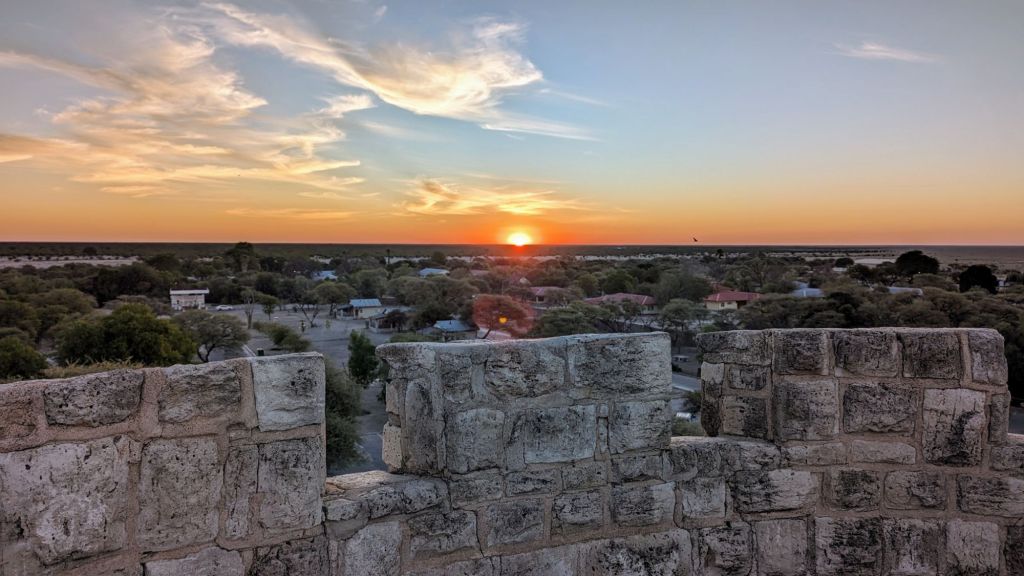
Okuakuejo, our final stop in Etosha, was an impressive complex WITH PAVED ROADS 😁 It was clean, well-organized, and certainly catered to tourists. The camp is built on the site of an old German fort built in 1901.
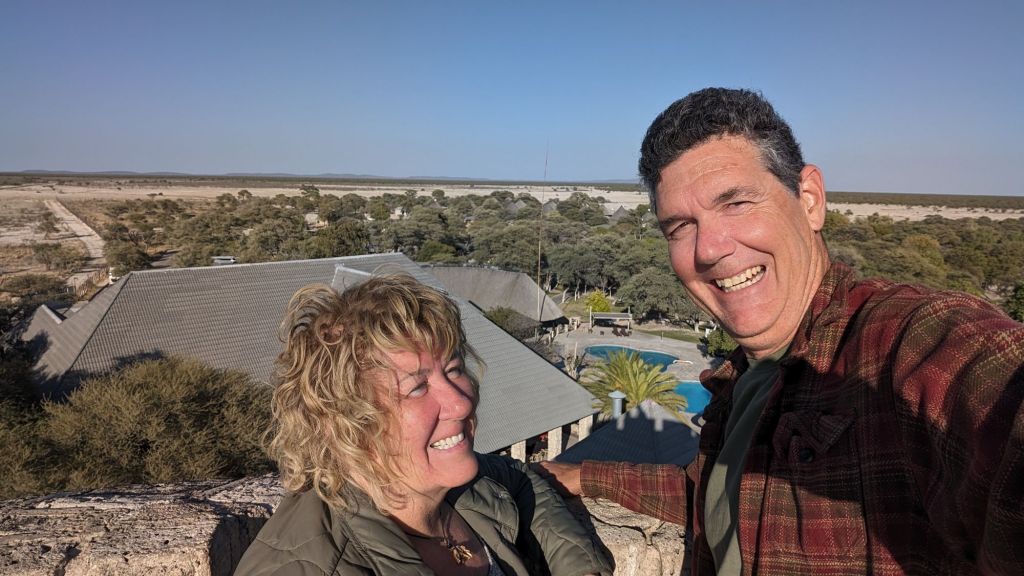
We’ve not been good at taking selfies this trip so climbed up the surviving fort Tower to prove we’re actually here…though couldn’t look into the camera as we positioned it directly in line with the glaringly bright African sun. For some reason, neither one of us figured out we could have moved!
Despite the camp having a beautiful water hole with plenty of seating for everyone, not many animals showed up because food is in short supply due to the drought.

But we’re in Africa so there’s always something to see and learn. There were plenty of banded mongoose at the camp…and I learned that the plural of mongoose is mongooses, not mongeese!

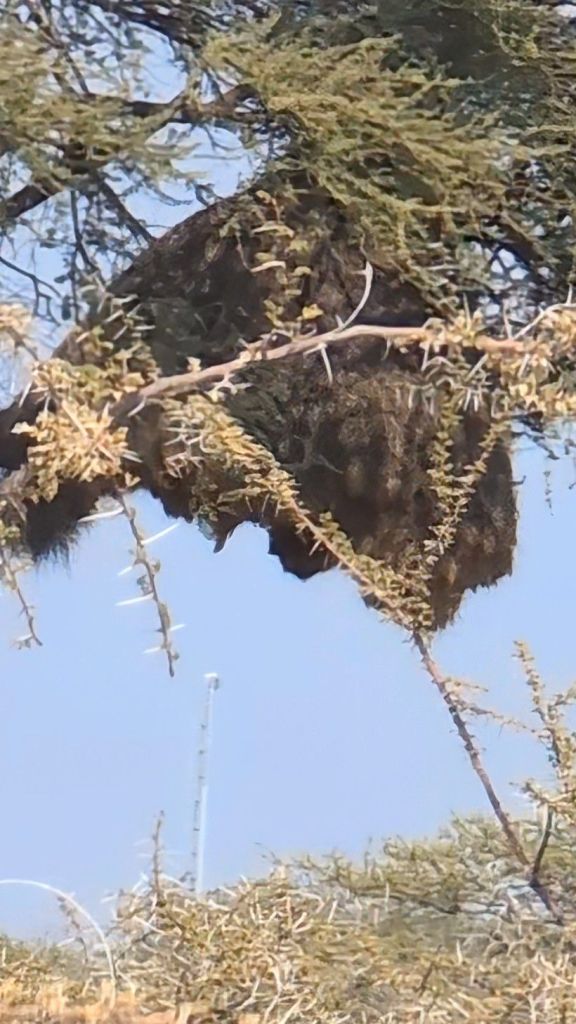
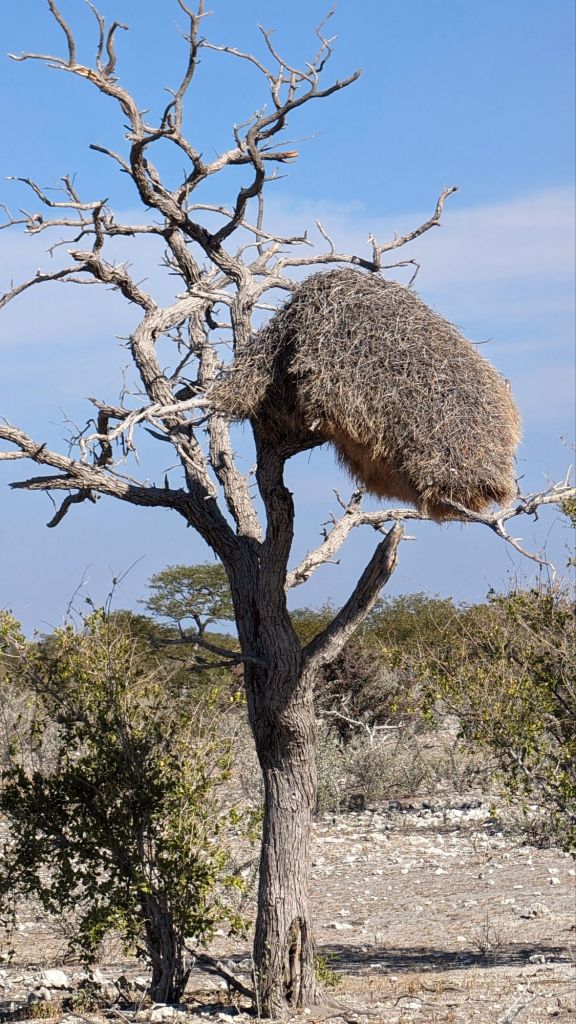
I also learned that while regular weaver birds build individual nests…
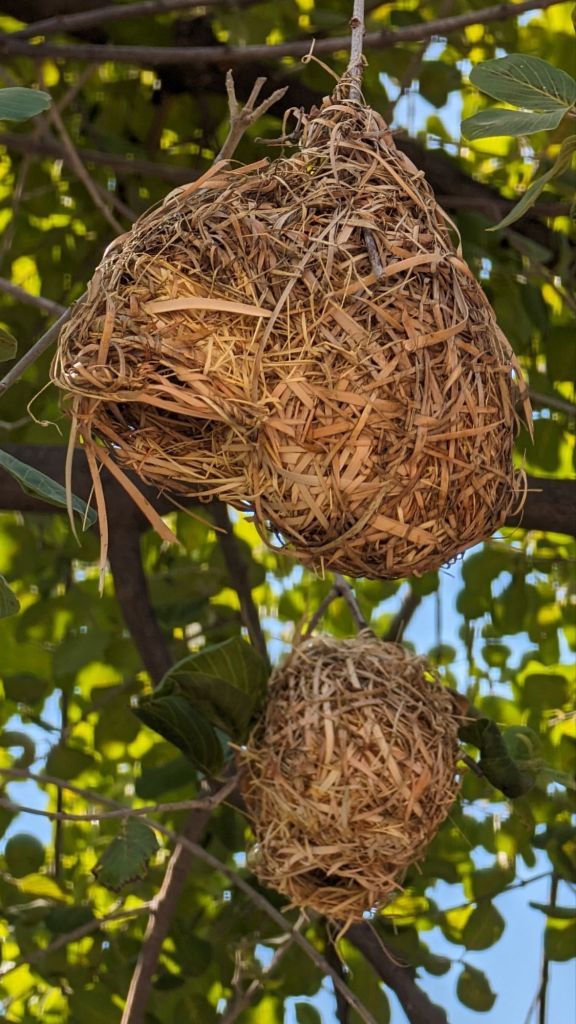
…there is a different type of weaver bird that builds communal nests. Unsurprisingly, these are called social weaver birds and the community lives in the nests for around 100 years!! And it can also house over a thousand birds!!
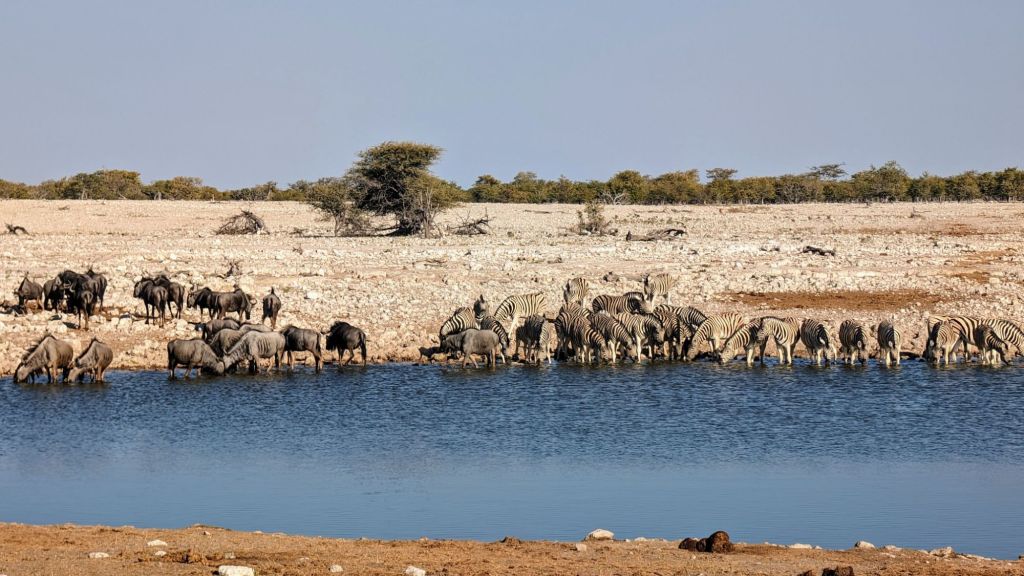
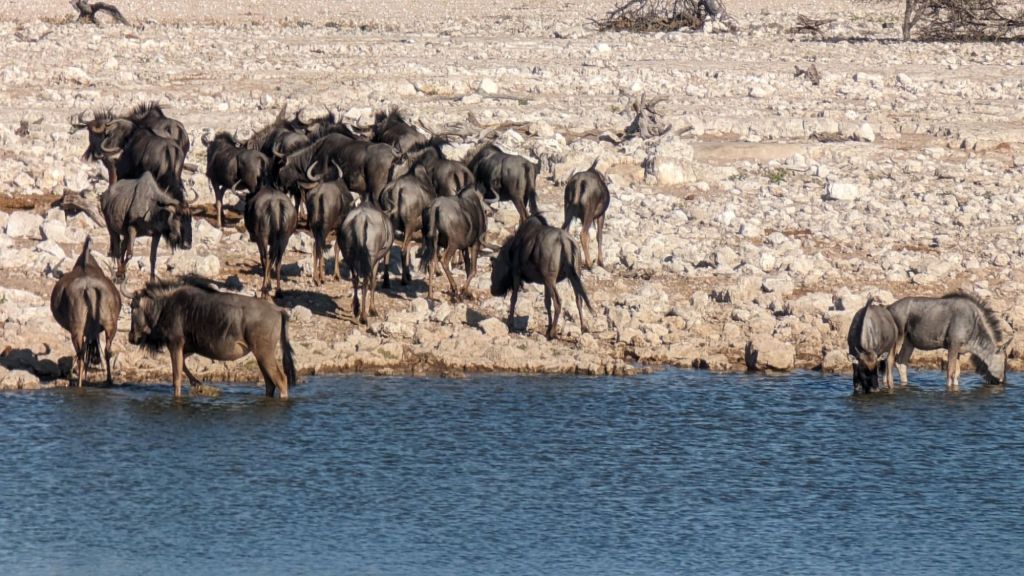
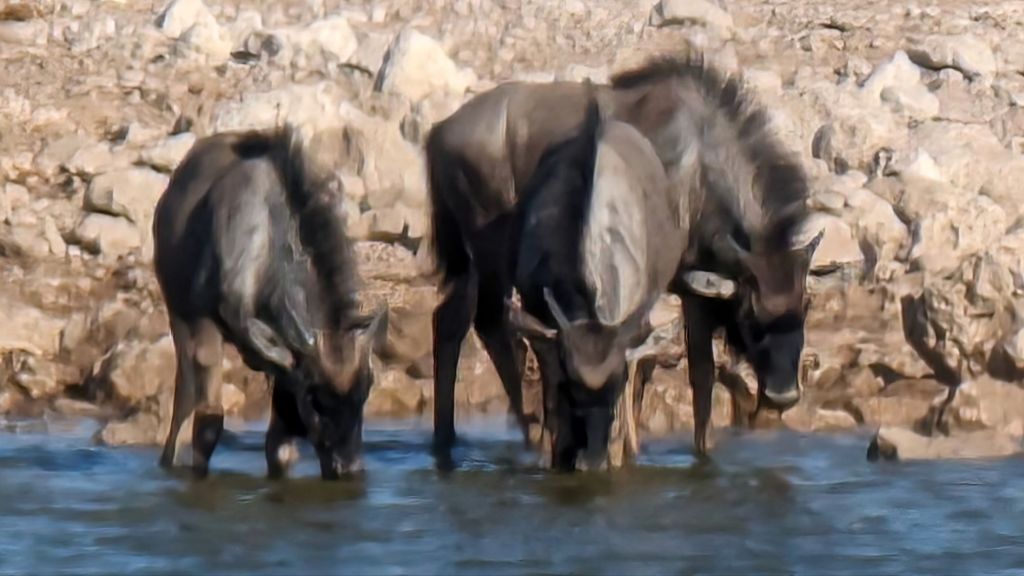
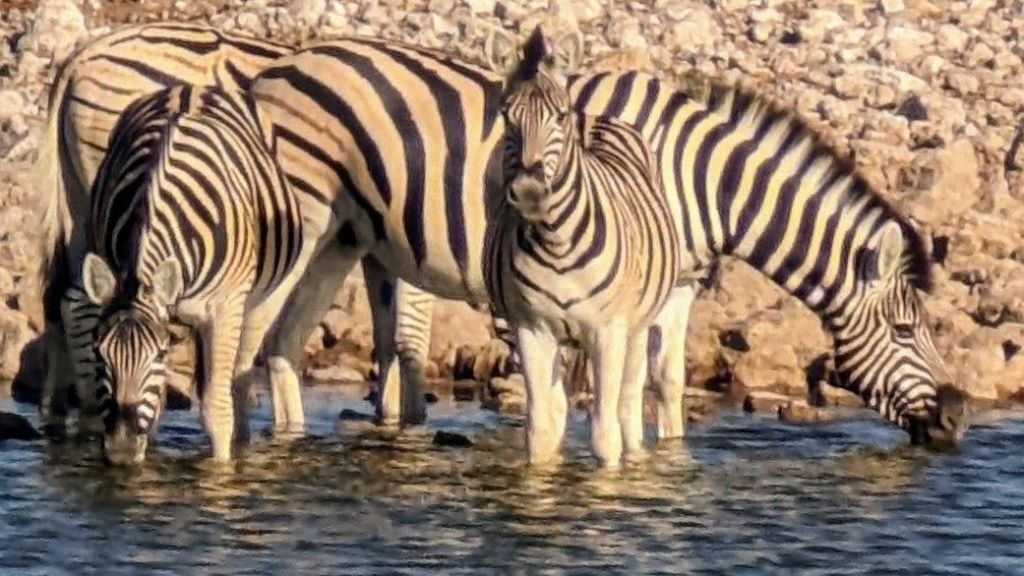
We’re also getting more in touch with recognizing animal behaviors. For example, herds of zebra and wildebeest co-mingle happily and will walk to a water hole as a hodgepodge of animals. But when they drink, they separate themselves into their species…then co-mingle again as they leave the water hole! I keep thinking it’s a little bit like our PEO parties; we co-mingle on our way there, separate into make and female groups while there, then co-mingle on the way home 😂
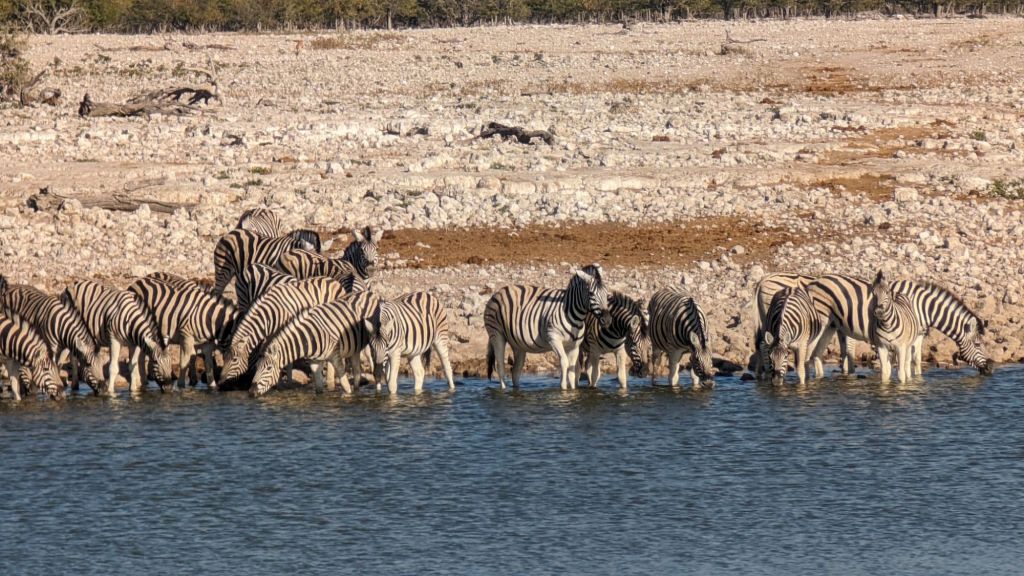
We got to see some new characters interspersed with the old faithfuls.
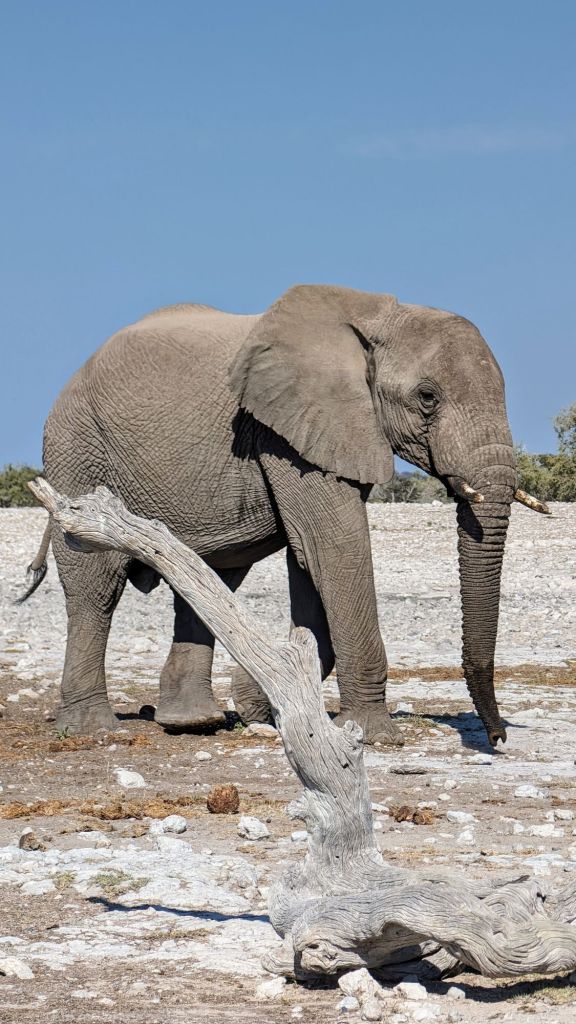
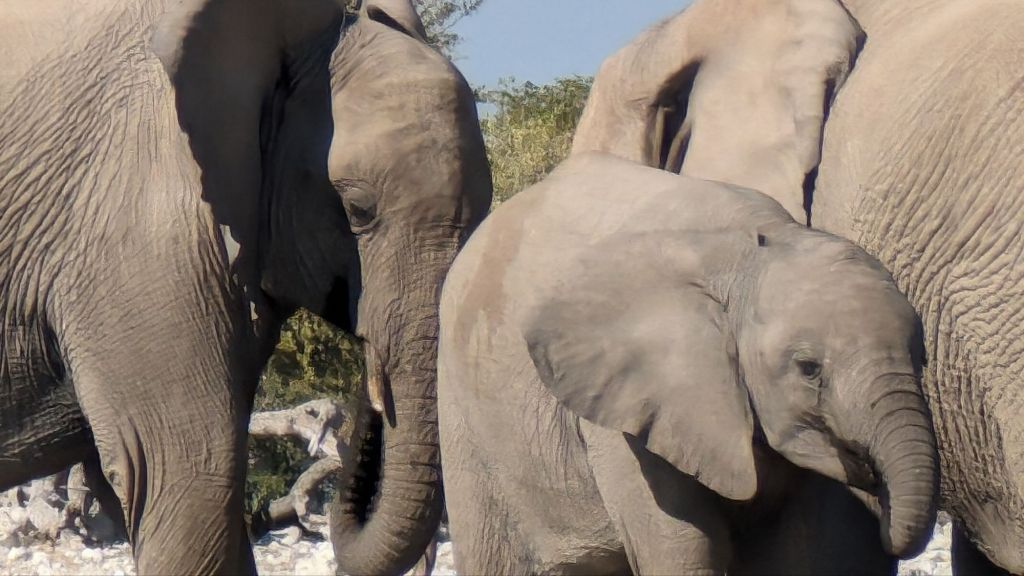
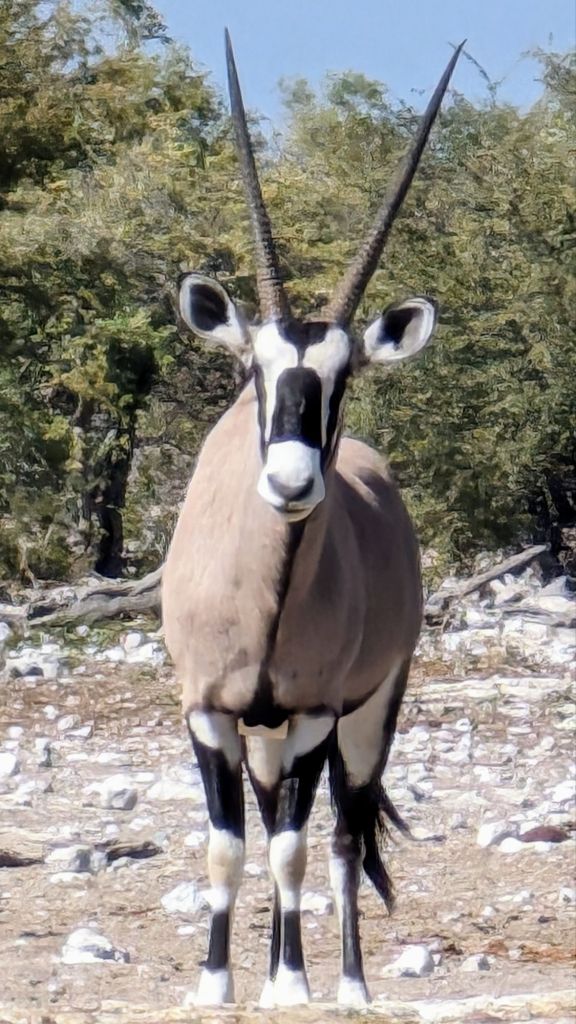
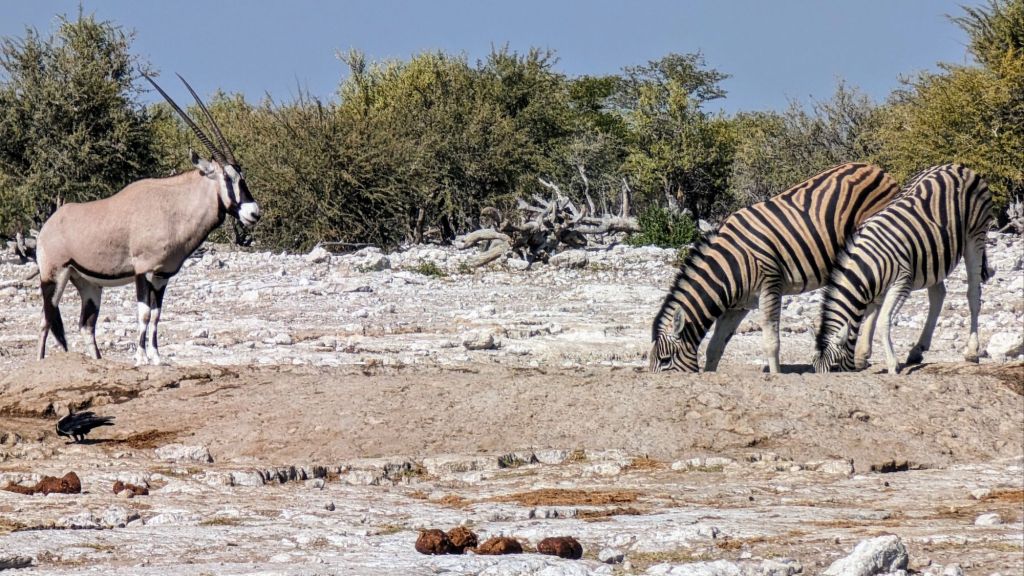
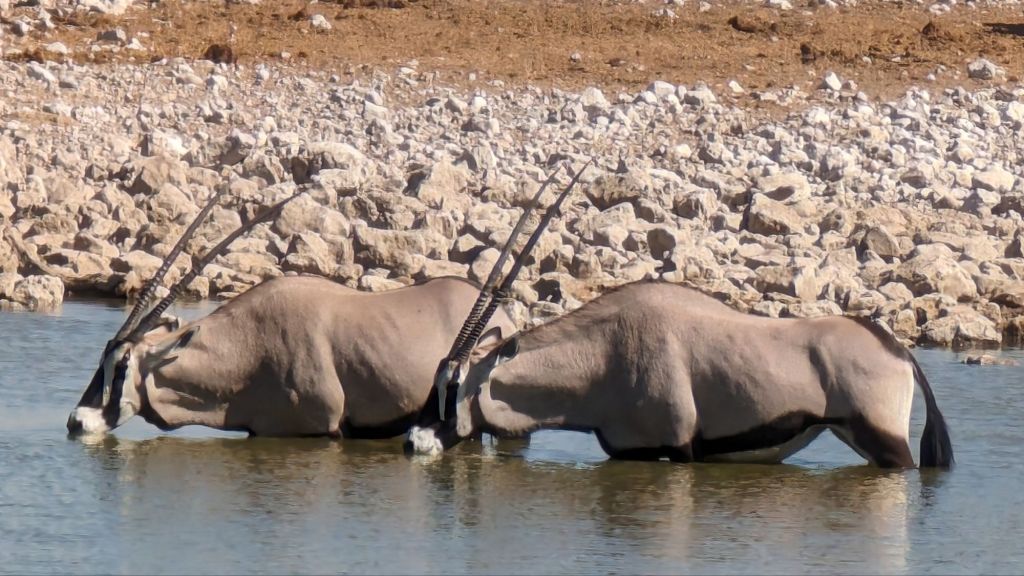
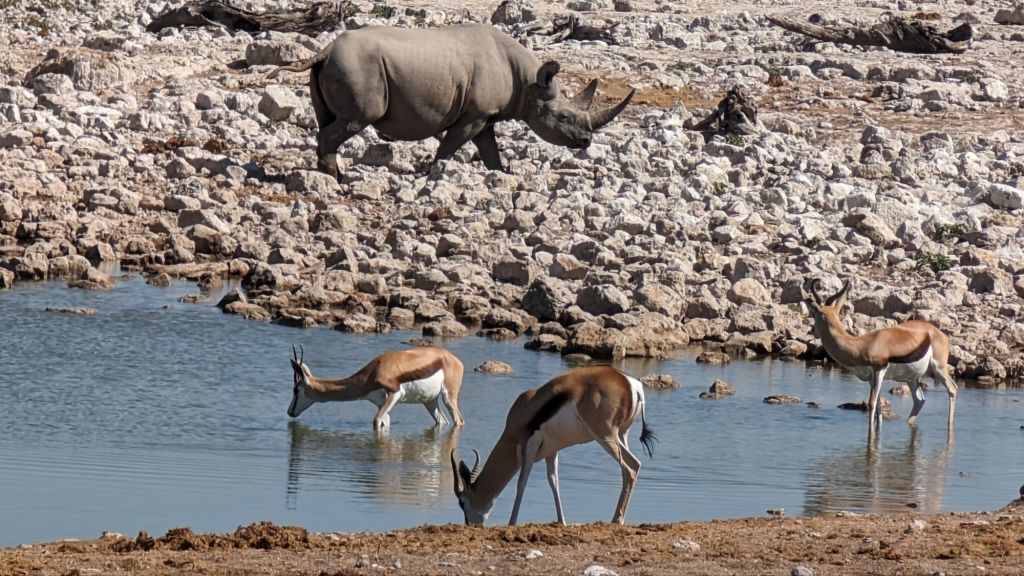
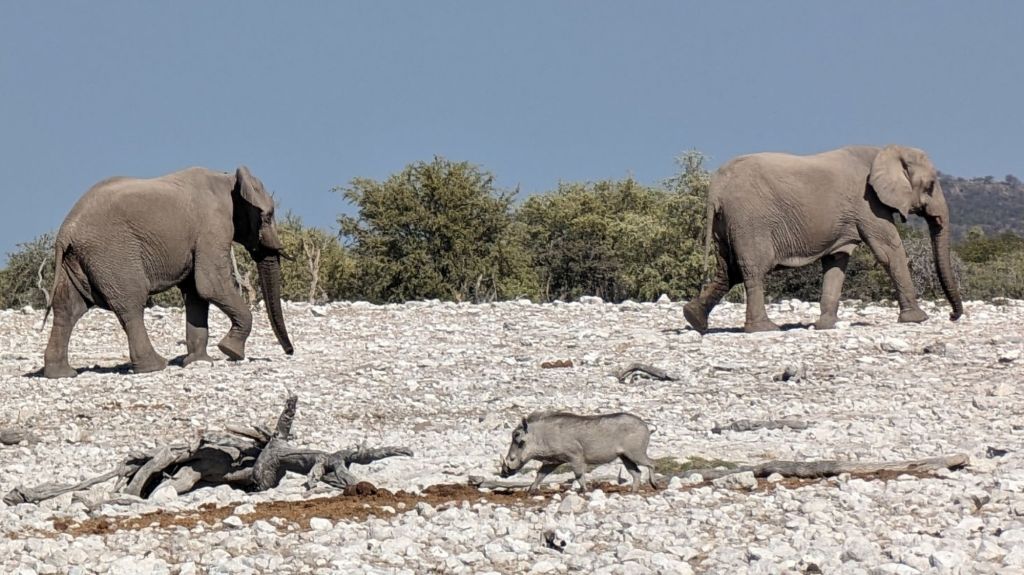
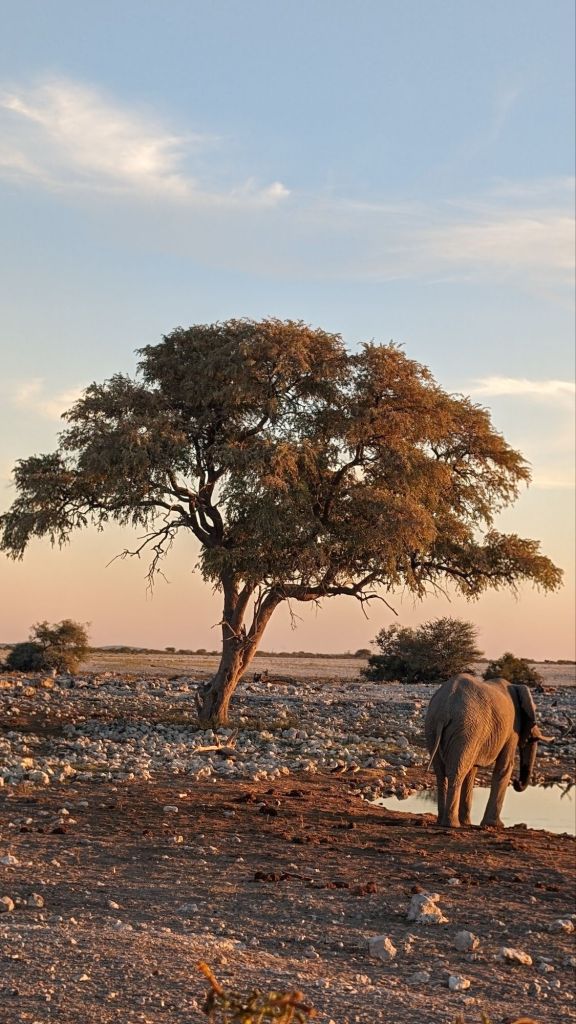
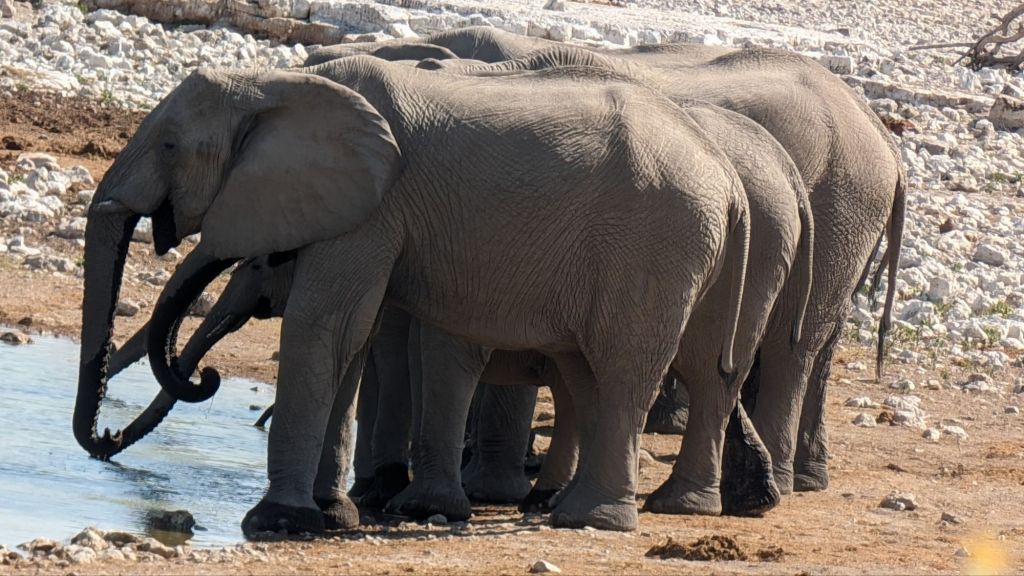
And we got to meet the most disciplined, well-behaved family group of elephants I’ve ever seen. These seven elephants walked to the water hole in an orderly line, stood in an orderly line to drink, then left in an orderly line with none of the usual stragglers!
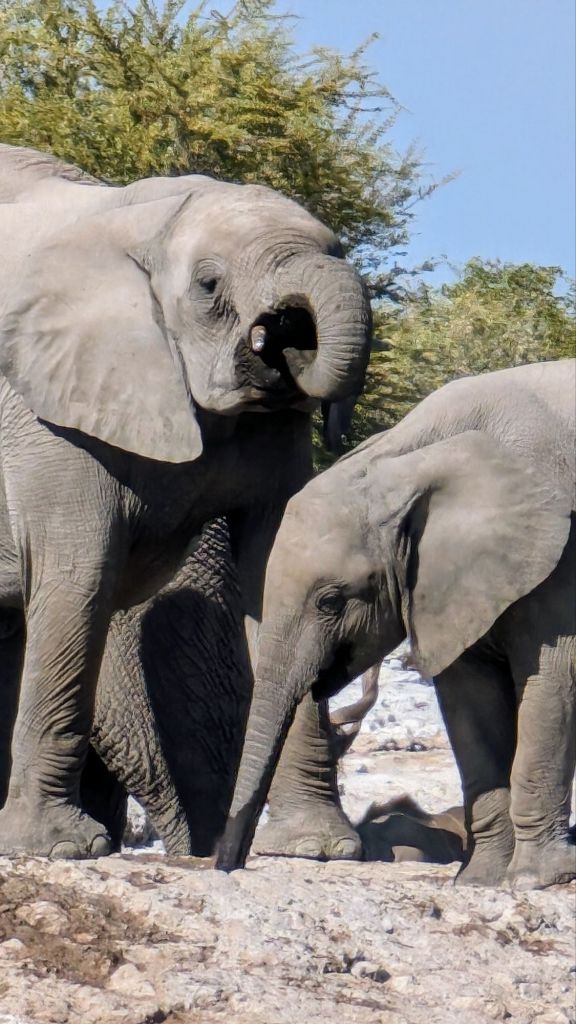
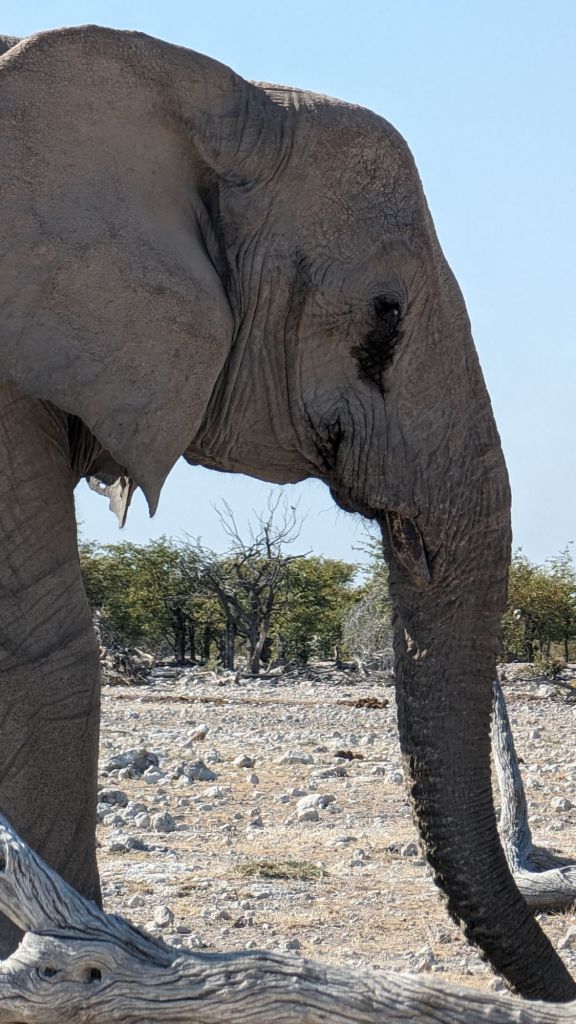
Although elephants all have wrinkled skin, it was fascinating to see that they show signs of wear as they age. And no wonder; elephants are the longest-living land mammal and live to around 70 years of age! It’s good to know that we’re not the only animals that show signs of wear! Also, the matriarch of the herd will kick the males out when they reach about 15 years old. Those males then find themselves a bachelor herd and eventually break away to become giant loners.
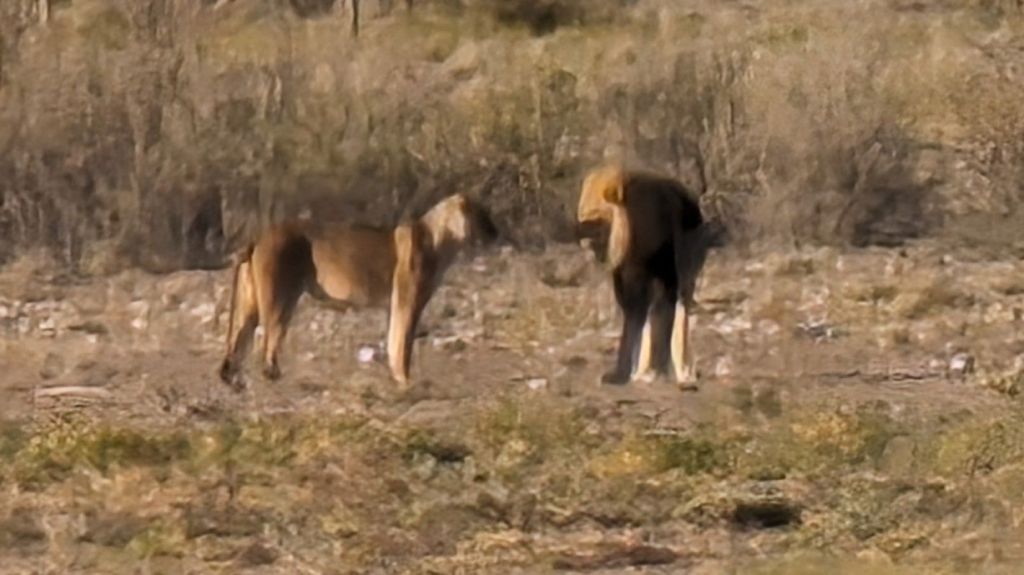
We saw lions copulating. African guides (who don’t talk about such crude stuff) call it being on their honeymoon! Apparently, the lions don’t eat or move from their spot for about seven days and are ‘on their honeymoon’ about 40 times daily during this time!

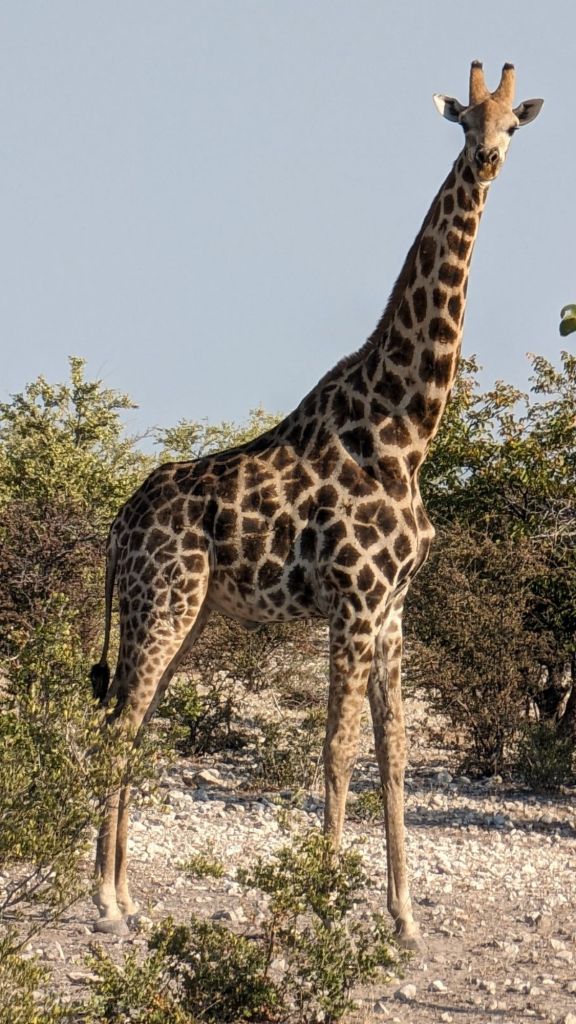
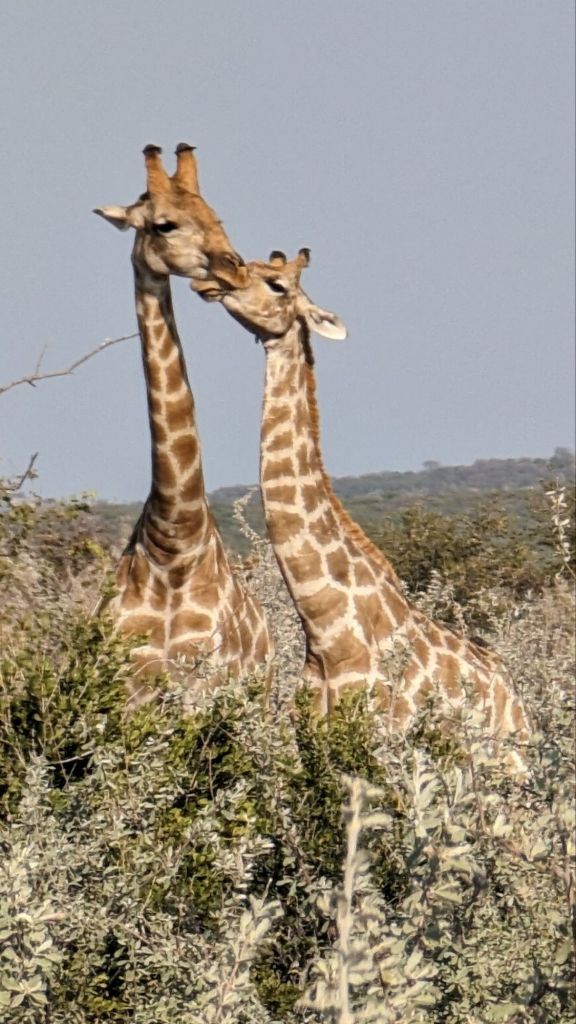
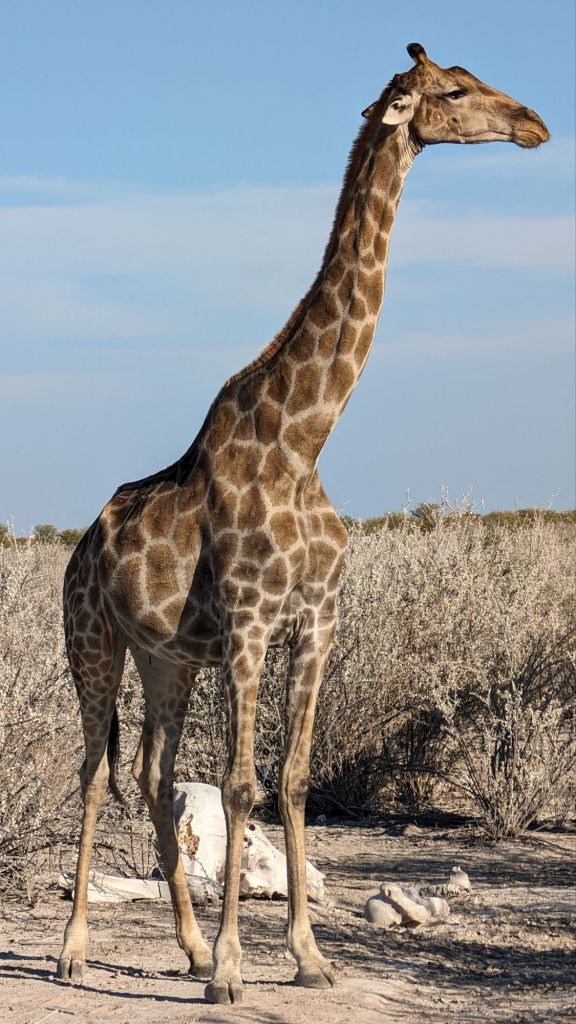
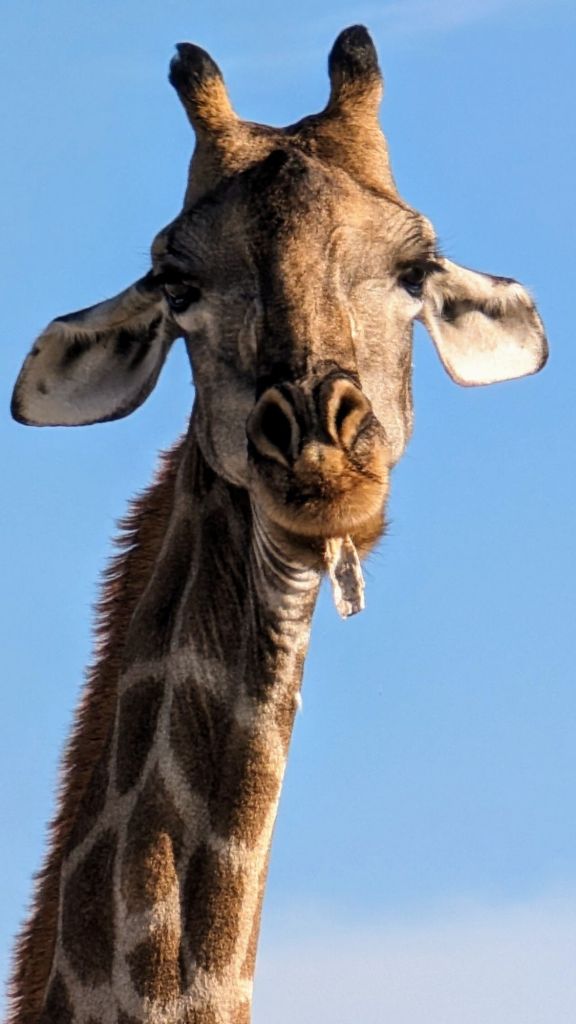
One of my favorite moments of the last couple of days involved a giraffe. She was eating next to some decayed elephant bones…
…when something lodged in her throat. I don’t think giraffes can cough so this one kept raising her head higher…
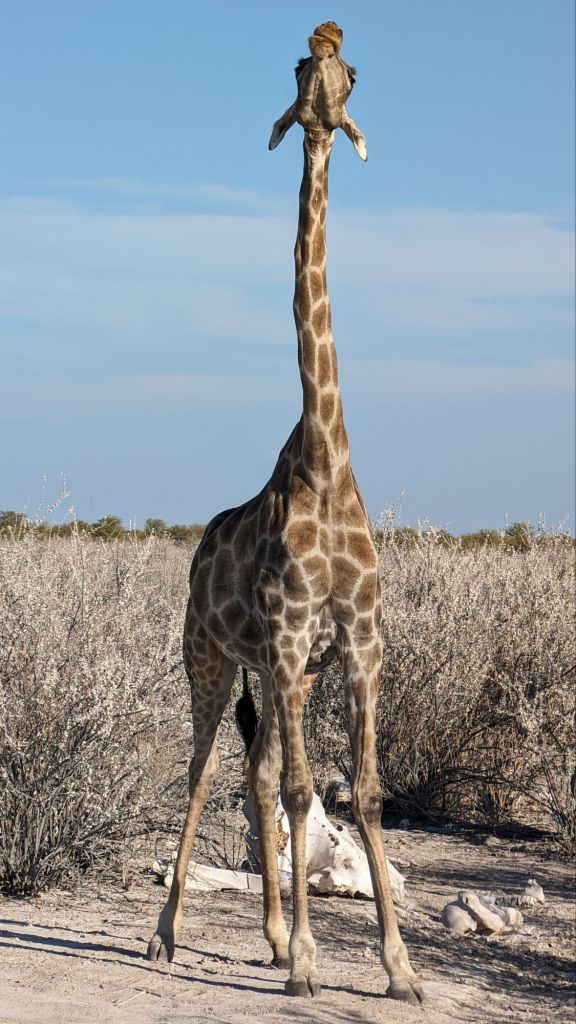
…and higher…
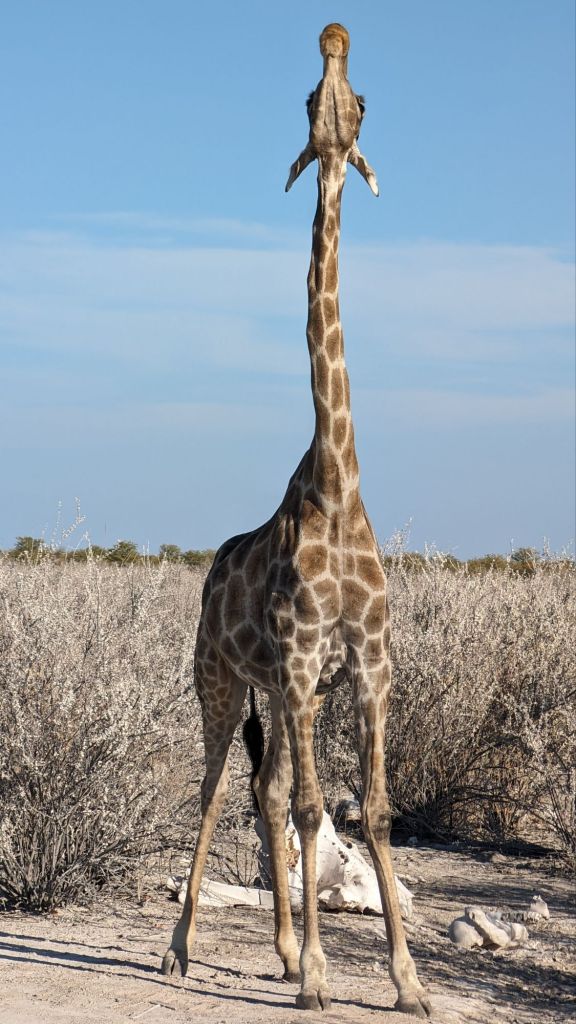
…until she got the offensive object dislodged. She looked straight at us with a satisfied look on her face before spitting out the object (which turned out to be a piece of elephant bone!)
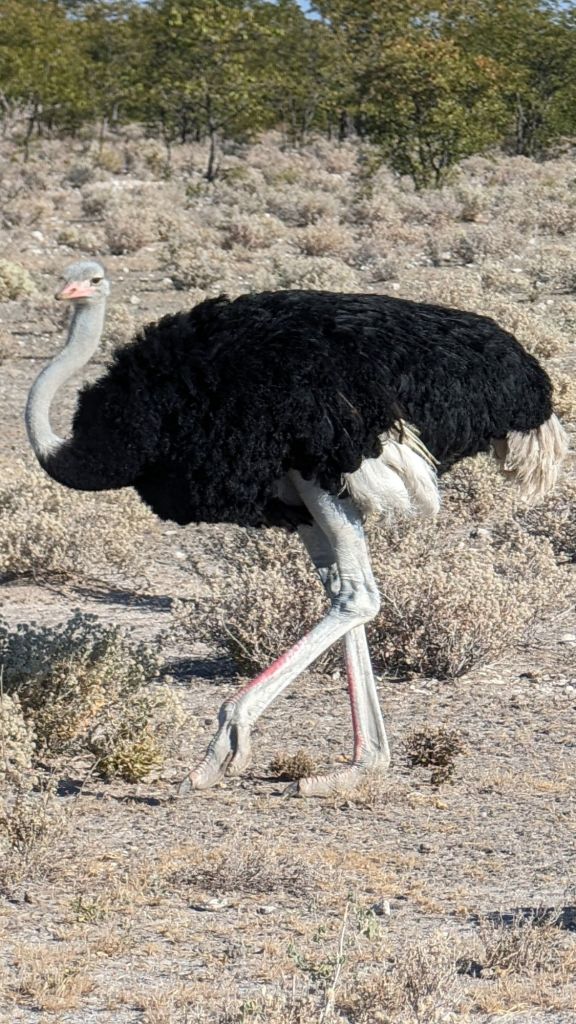
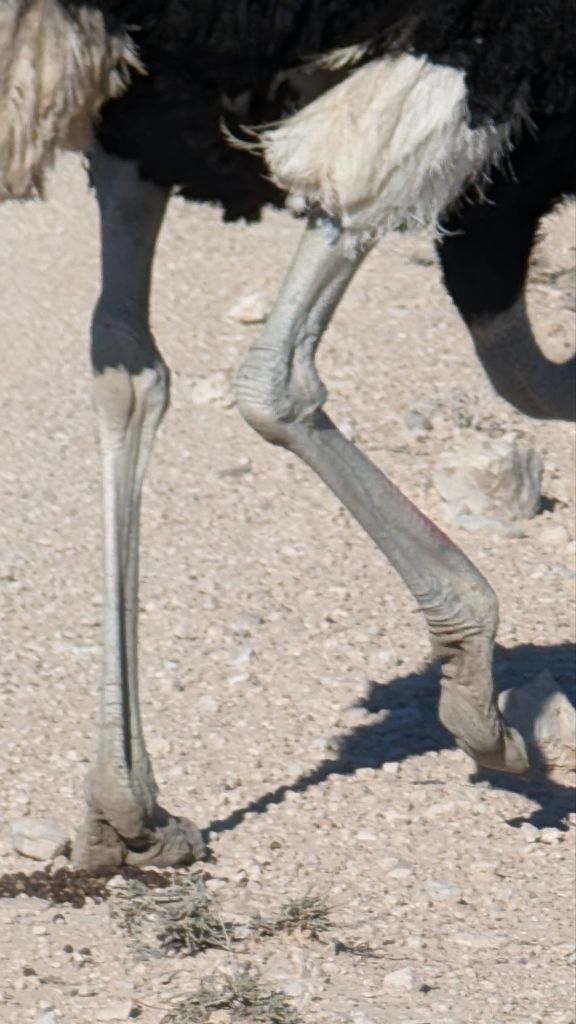
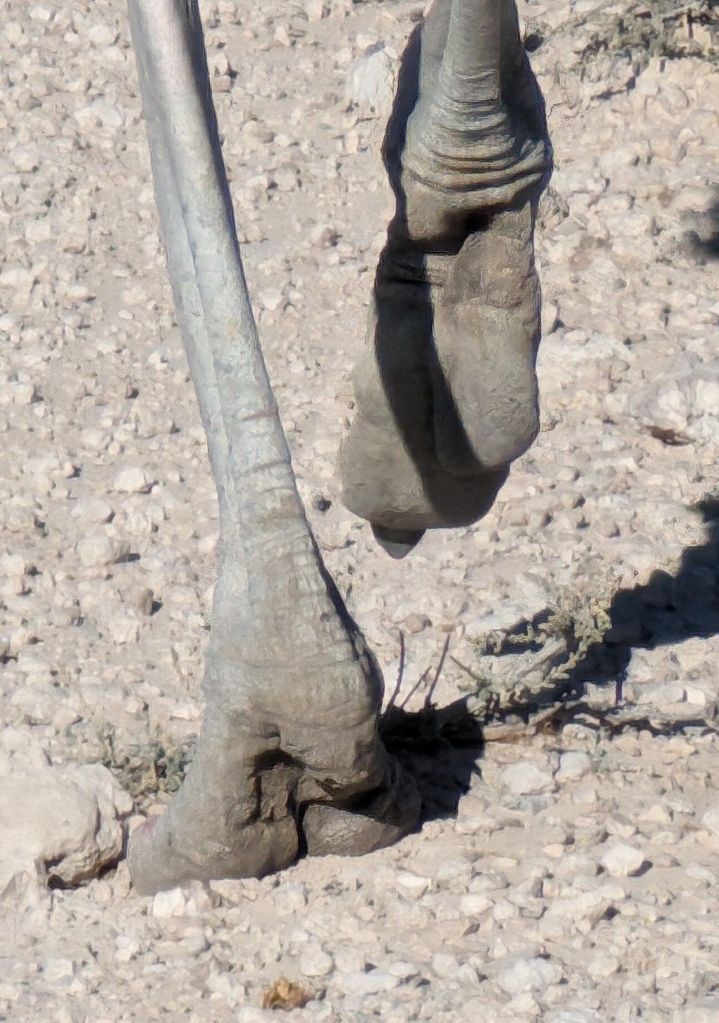
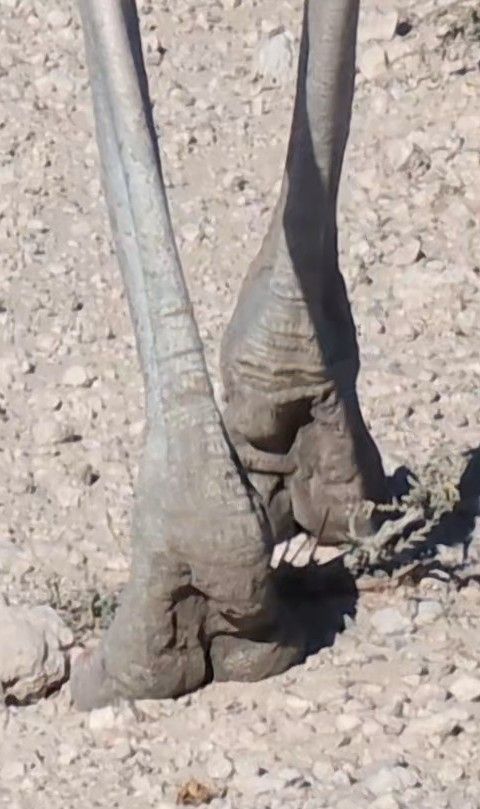
I also had the opportunity to look (really look) at ostrich feet. There’s something very prehistoric about them .
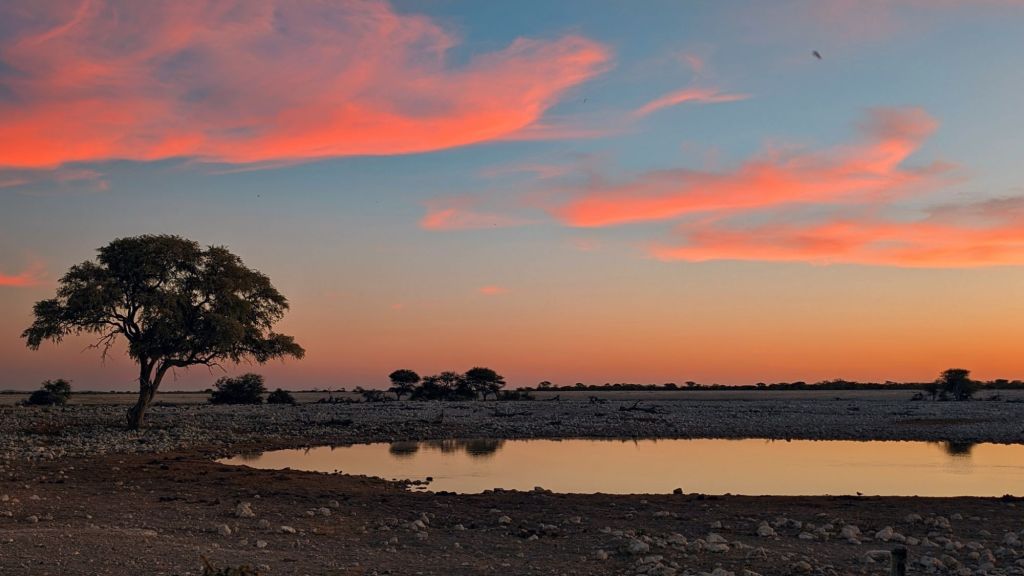
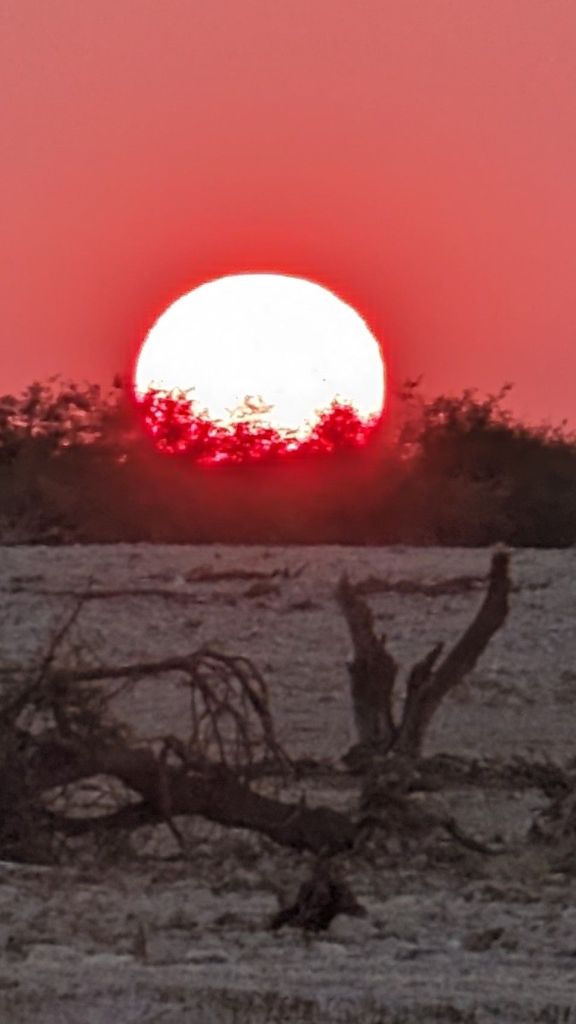
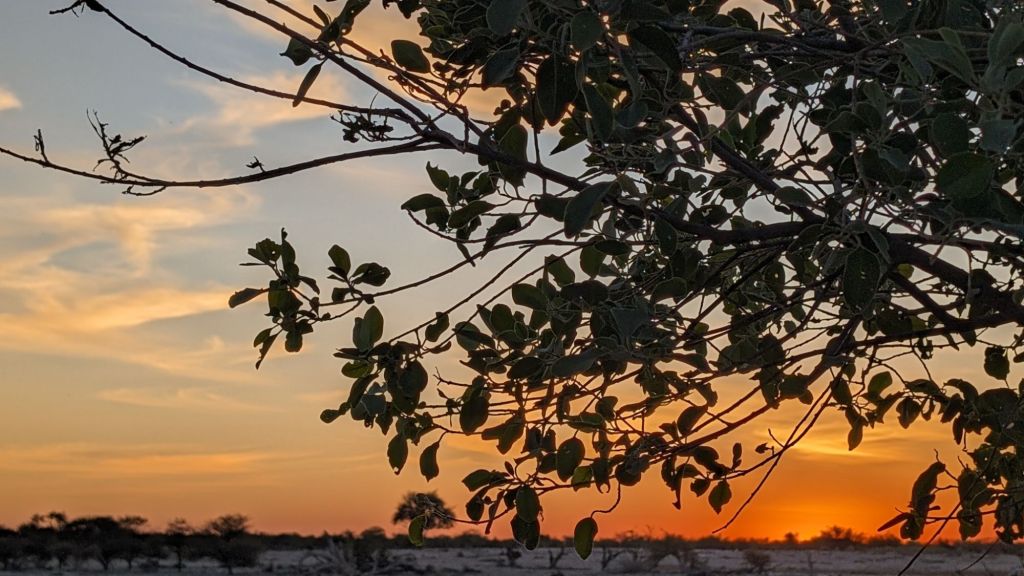
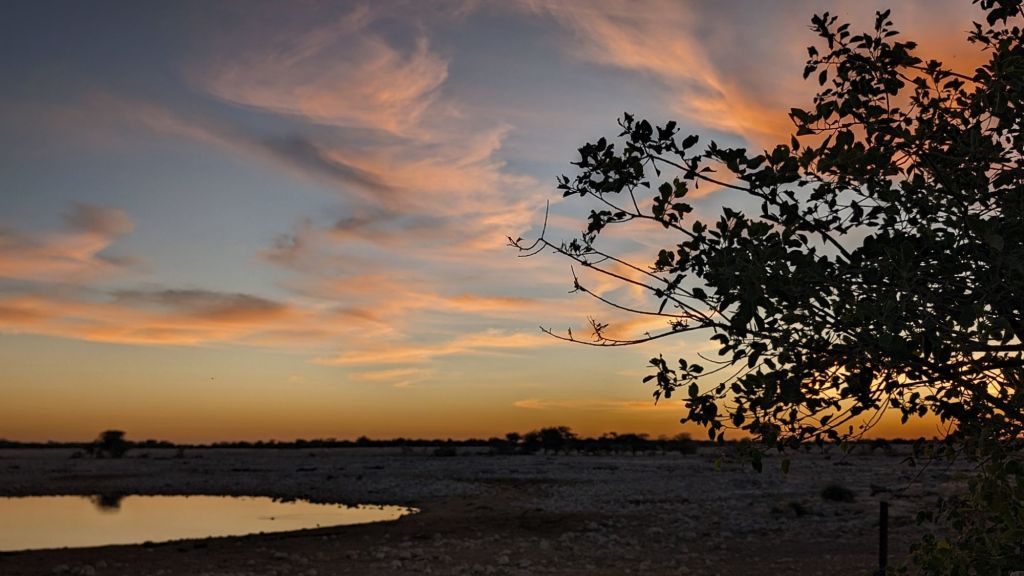
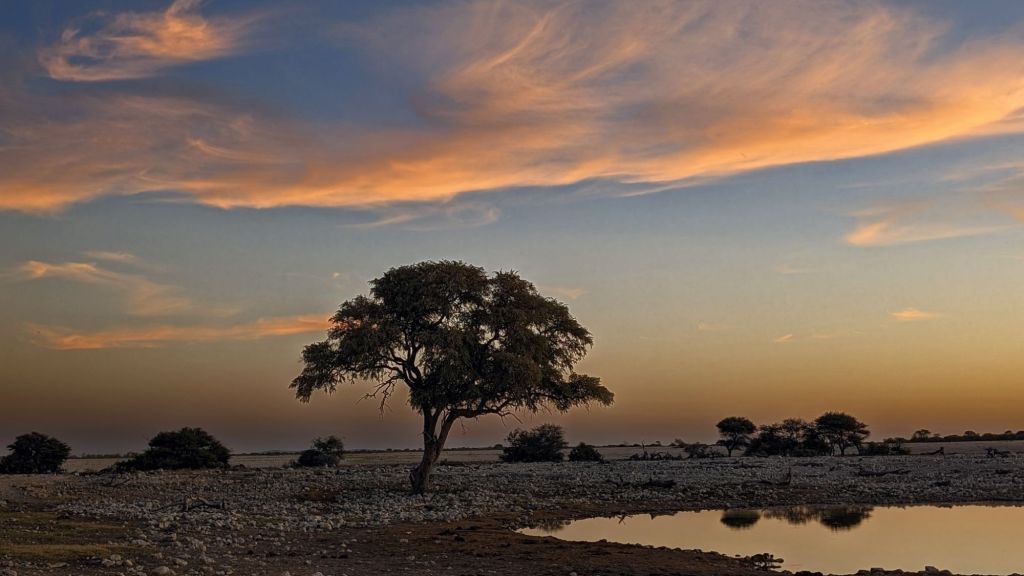
As we leave Etosha, I thought I’d share some more sunsets in case you missed the last lot (Jules 😂)
Light pollution in most of Africa is not an issue, and the night sky is so full of stars. Though the twelve zodiac constellations are still visible in the southern hemisphere, the Little and Big Dippers are below the northern horizon. The southern stars are so new to me, that I don’t recognize any constellations other than the big twelve (zodiac) 😜. If I was so inclined, I could download a star gazing app and find out, but for right now I would rather be looking at the animals. However, I did take the time to shoot a nice photo of a portion of the galaxy not seen in the north.

Etosha’s been good to us; I’m sad to leave!


 Designs by Rhia
Leave a comment