Days 16 and 17
(Dan’s comments are italicized)
And so, we bade farewell to our beautiful river lodge and Divindu. We promised the hostesses, Eugene and Dawn, that we’d be back one day and it’s a promise we fully intend to keep.
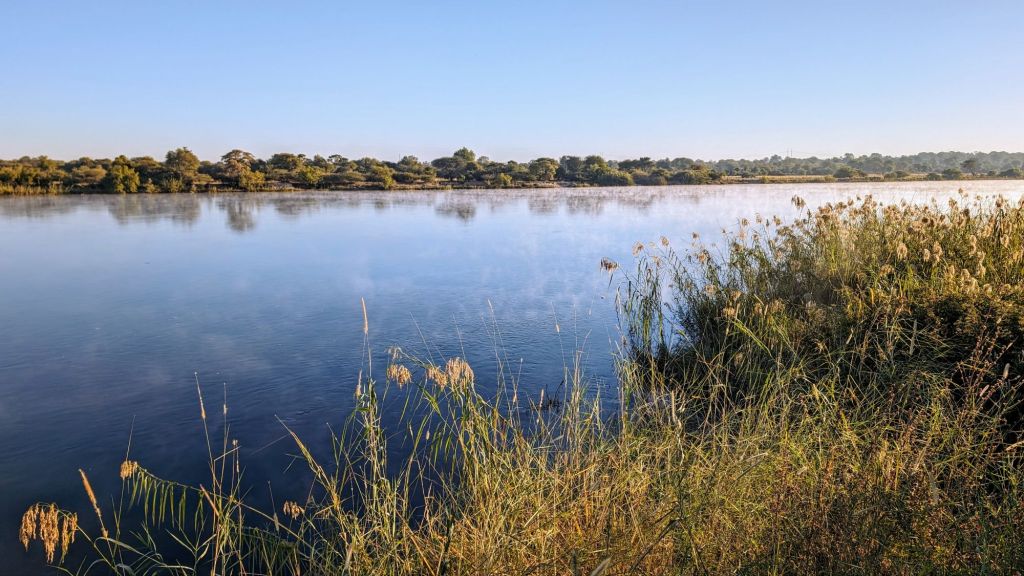
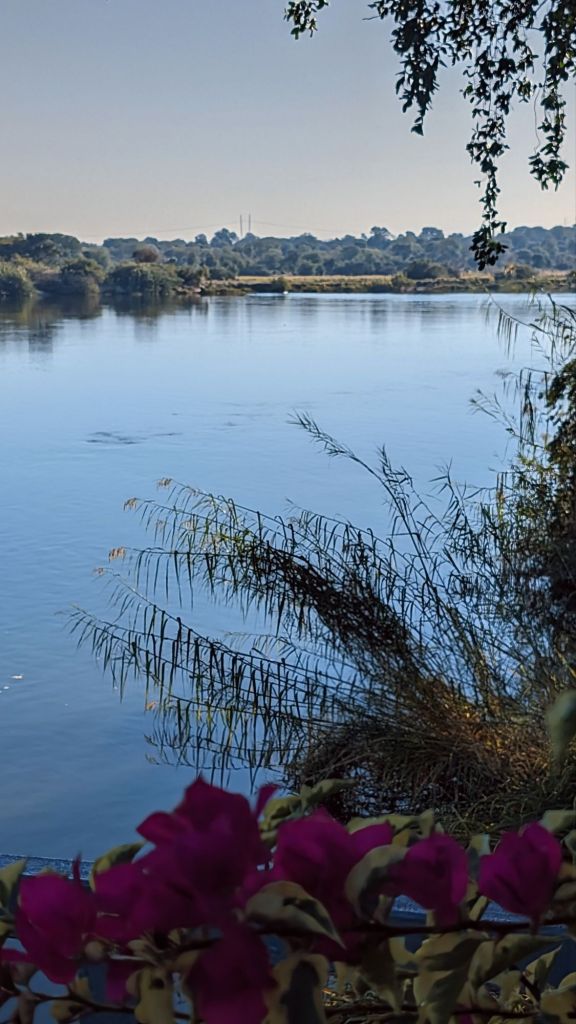
But, for now, it’s onward and forward! Nunda River Resort, you will be sorely missed.
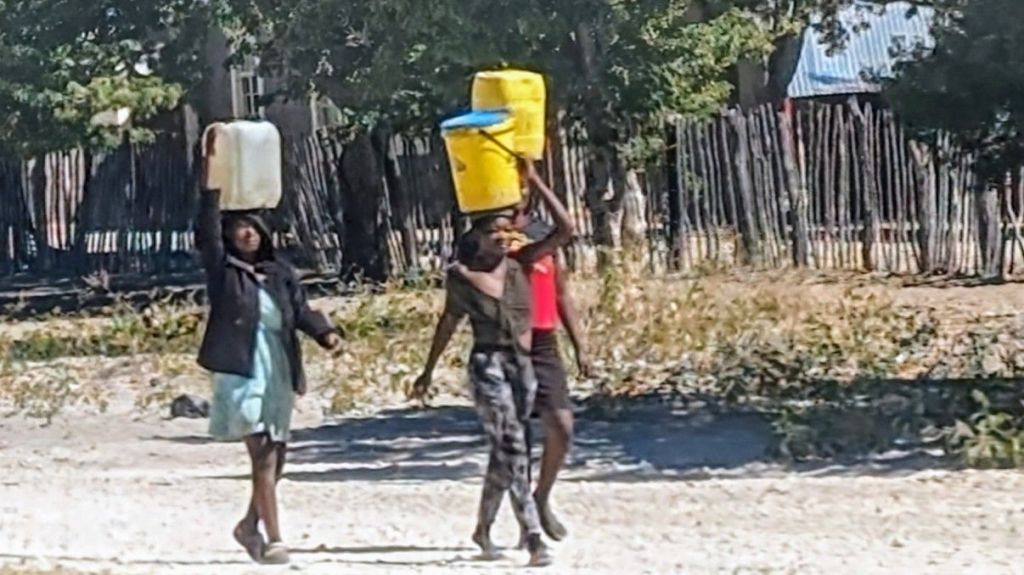
The distances we travel between places is quite significant; and that gives us so much time to ponder and mull. As we traveled the 469 km westward from Divindu to Grootfontein, watching the activity on the side of the main road made me wonder if we’re not coddling our children too much in the Western world. Here, children as young as 5 years old walk miles to school alone (often in areas where wildlife roam); the 4 year olds left at home become the oldest for a few hours and are therefore in charge of younger siblings. It’s nothing to see an 8 or 9 year old herding cattle or goats along the highway, or carrying a huge container of water on their heads. Once, we were eating lunch in a very small town, next to a hair braiding place. We were shocked to see a baby (who turned out to be 10 months old) toddling around alone. People spoke to her as they walked past and, when she got too close to the road, a random stranger would pick her up and put her at the entrance to the hair braiding place. I think this is the first time I truly understood the impact of the phrase, ‘It takes a village to raise a child!’ But, as we hurtled toward Grootfontein, I thought that not only does it take a village to raise a child, but also that it takes a child to make that village; even very young children have an important role to play and, I suspect, know their importance.
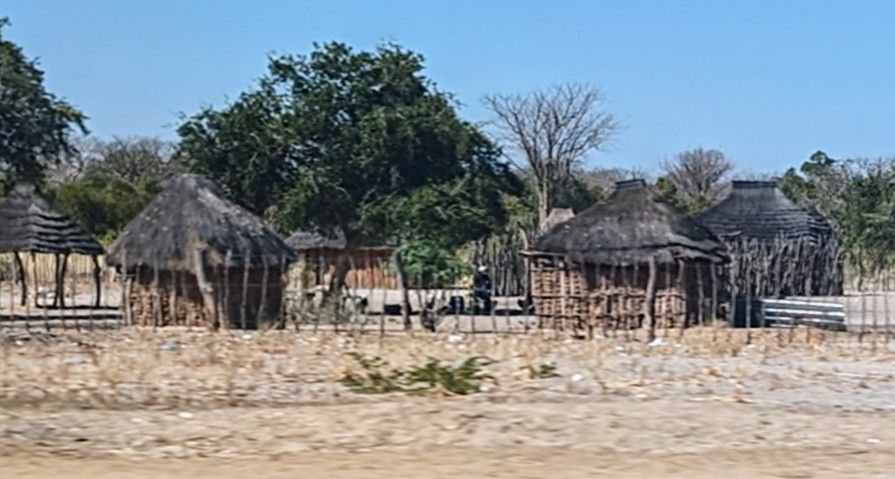
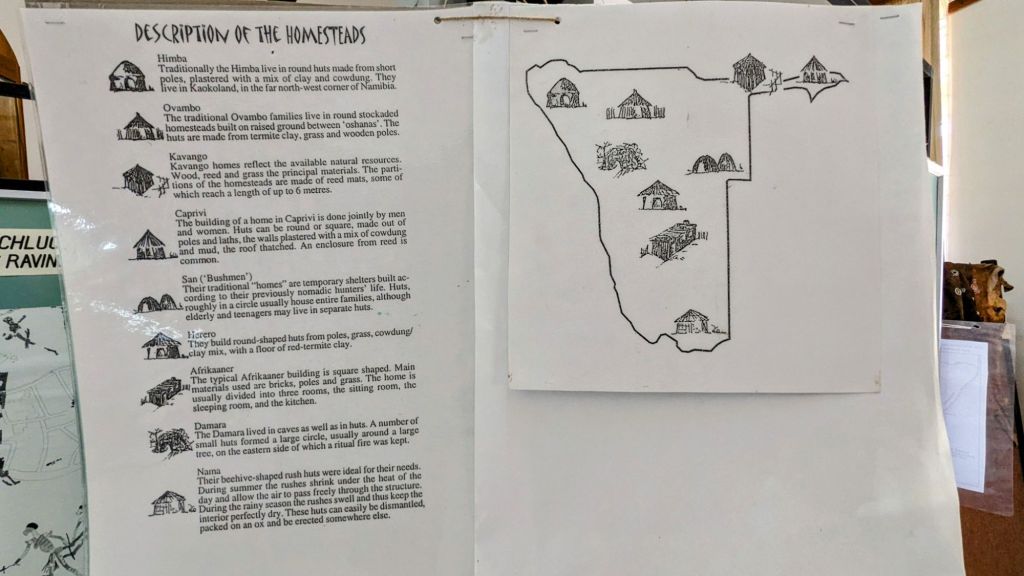
Houses here in Namibia are family compounds. Most dwellings are made of straw, sticks, and dung though more and more corrugated iron houses are appearing. The fence built around the compound is to keep wild animals at bay. And not just coyote or foxes but elephants, lions, giraffes, buffalo etc! My Western sensitivities would certainly not allow me to feel safe behind a little stick fence 😂
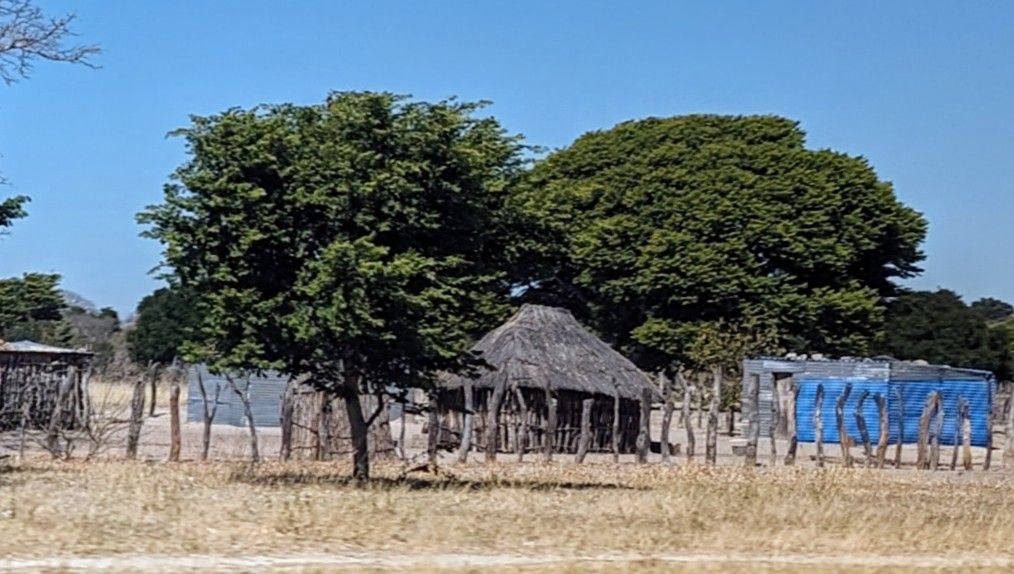
There are PLENTY of pull outs/lay bys on our journeys. There’s always a table, benches, and a trash can; however, there are no toilets. Men just stand at the side of the road to relieve themselves (Jake…!!!); women, on the other hand, have to hold it. I think, were I to live here, I’d soon convert to wearing long skirts and no underwear 😱😂
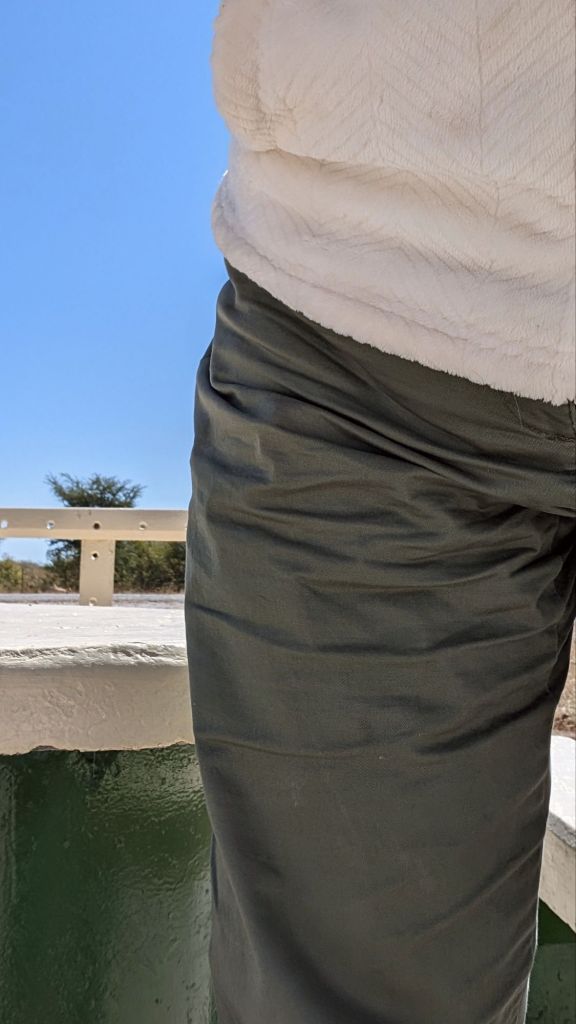
When we stopped for a break during this journey, I realized that I could have been mistaken for the rest stop facilities…
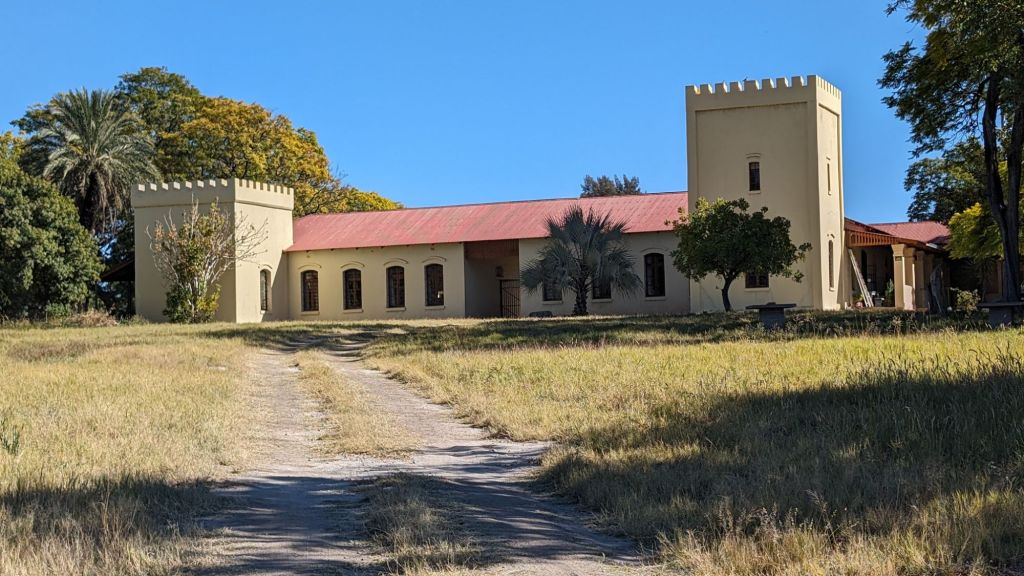
Sometimes, this continent can be confusing. There is so much poverty here. Yet, in Grootfontein (considered a town), there’s a museum, a supermarket, and a mall. In the mall there’s another supermarket, a furniture store, phone store, make-up store, a Nike store, and a ‘fast’ food joint called The Hungry Lion. A pair of Nike trainers (inferior quality to the US) cost Namibian $ 1400 (around $80 US)! The Hungry Lion only serves chicken and a meal-deal costs around $4 US. Yet, our host (a white Namibian) is home-schooling his two girls because government schools leave much to be desired, and the one private school here costs the equivalent of $200 US per month per child! I feel that these western stores and brands are misplaced here. I looked at a lot of types of shoes that people wear while on this trip, and I have yet to see Nike, Adidas, or Puma on their feet.

The museum, an old German fort, was quaint.
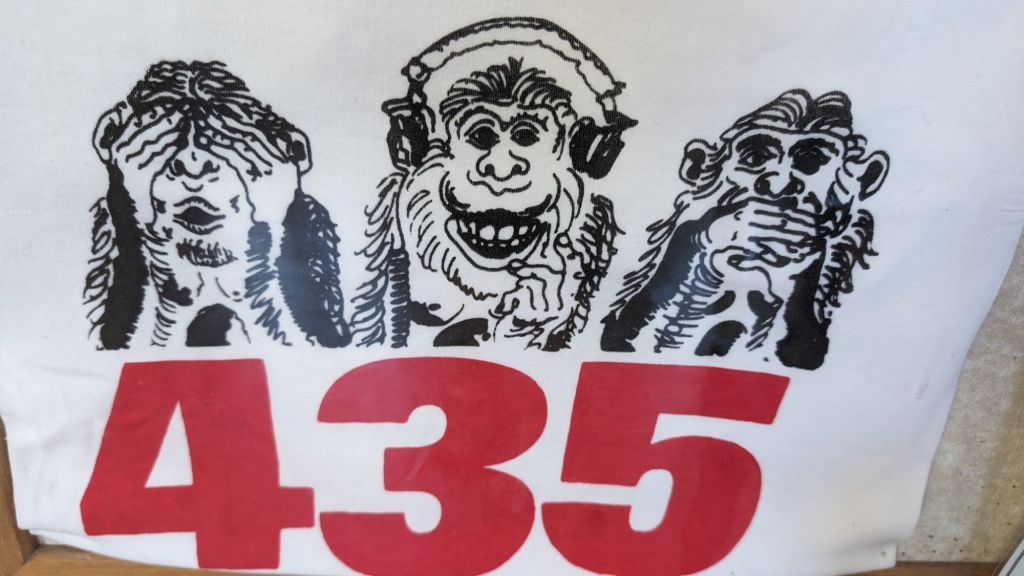
Once more, I found myself scratching my head. 435 was the Independence Resolution (in 1990 they had the first presidential election under the surveillance of the United Nations)…but I couldn’t work out what message this poster was trying to convey!
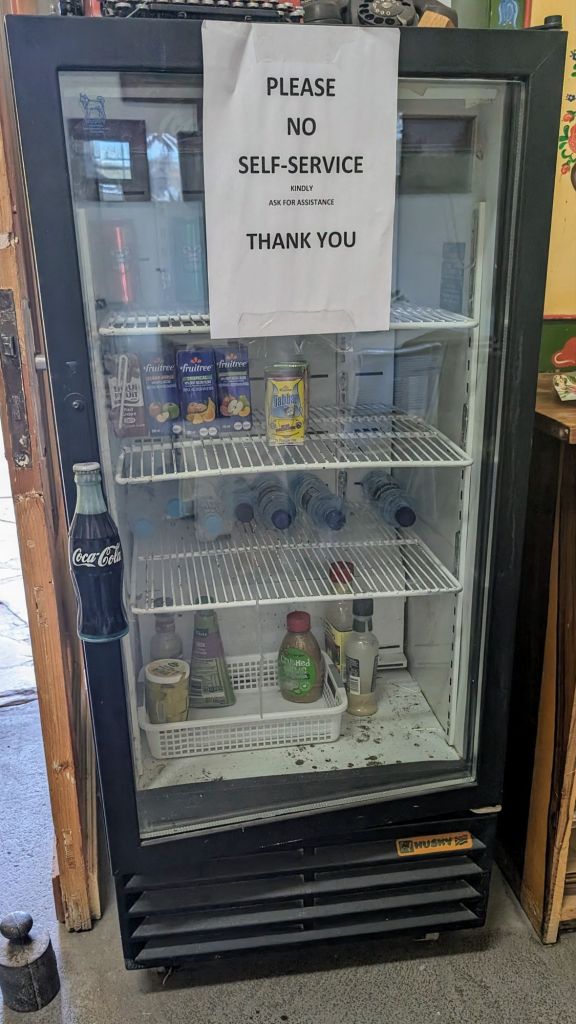
Conversely, the sign at the refrigerator was clear…but I’m not sure I could be tempted.
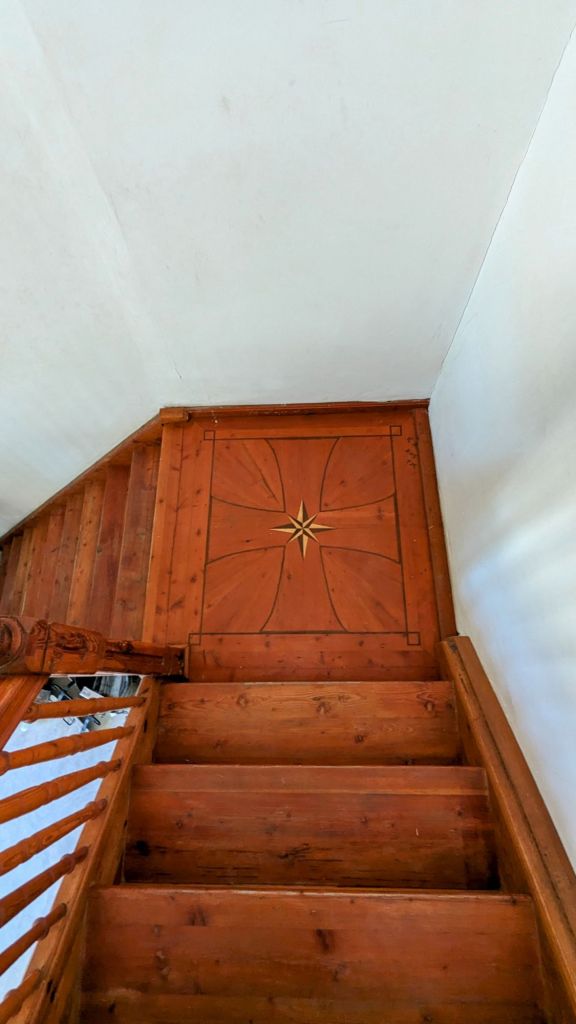
The museum had displays about the German heritage of Grootfontein.
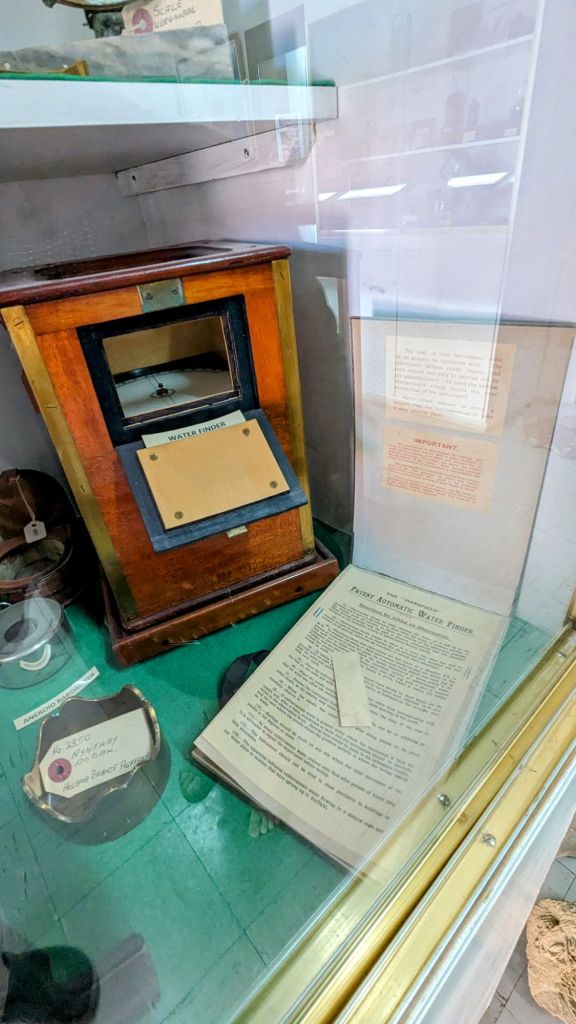
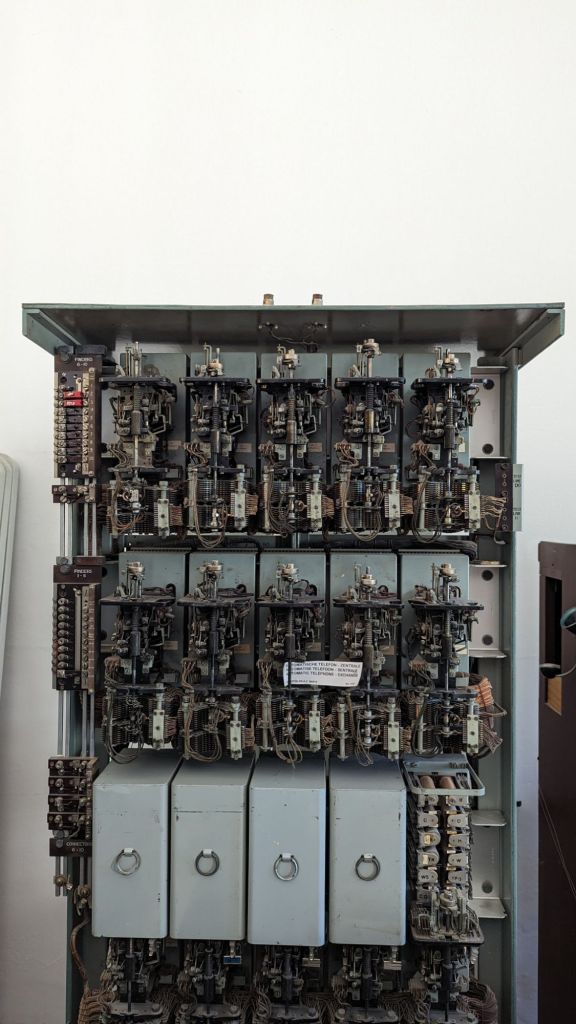
As well as local cultural information about the different tribes and their histories.
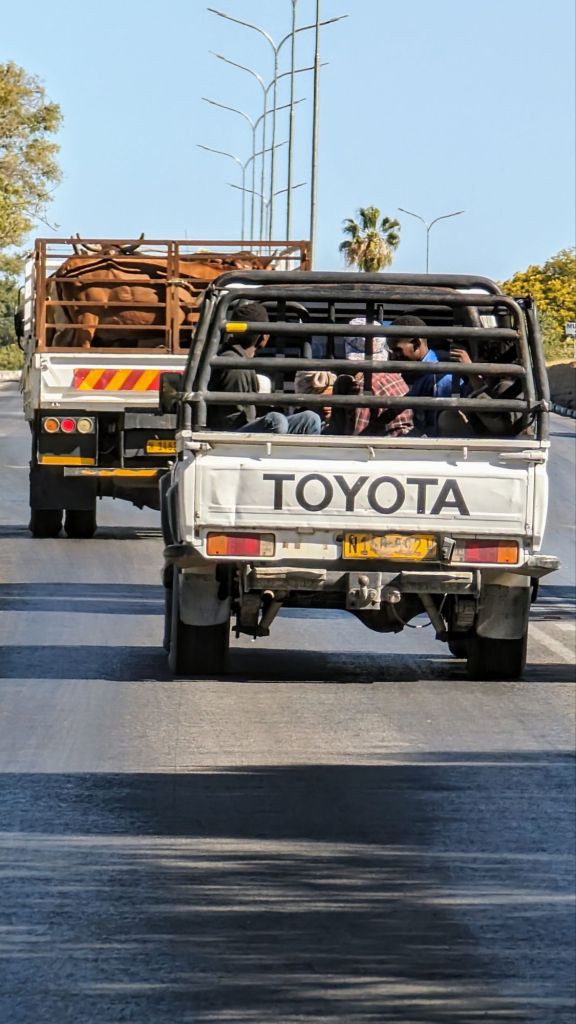
I’ll end with a photo that tugs at my heart-strings. I’ve always felt sorry for cattle being stuffed into the back of a truck, but this puts it into perspective…and the people consider themselves lucky that they don’t have to walk!


 Designs by Rhia
Leave a comment