Days 37 and 38
(Rhia’s comments are italicized)
Continuing with the theme of places destroyed by the eruption of Mount Vesuvius, we visited a little known place called Pompeii. 🤔 It was built starting from about the 8th century BC until August 24, 79 AD.
About 90% of Pompeii (that we know about today) was done before 1960, and was left to decay in the elements. Further excavations were limited to targeted areas.
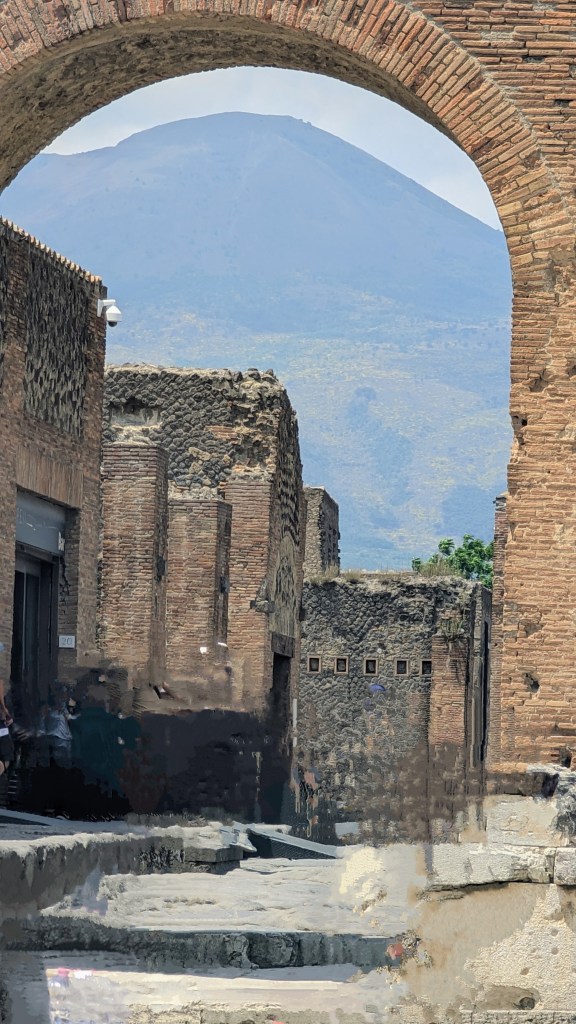
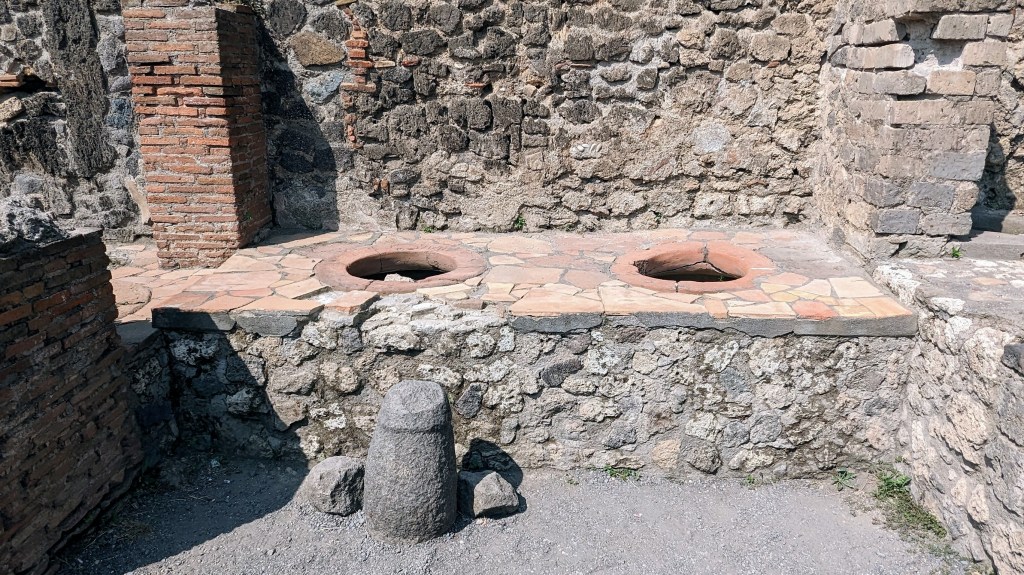
Walking through the streets of Herculaneum a couple days ago gave us a taste of what Pompeii had to offer. We arrived at 9 AM, stayed until 4 PM, and only managed to see about a half of the excavation. Pompeii is Herculaneum on steroids in terms of scale. But what we saw in Herculaneum in terms of the layout of houses helped explain Pompeii. Visiting both sites helps one understand what one is seeing.
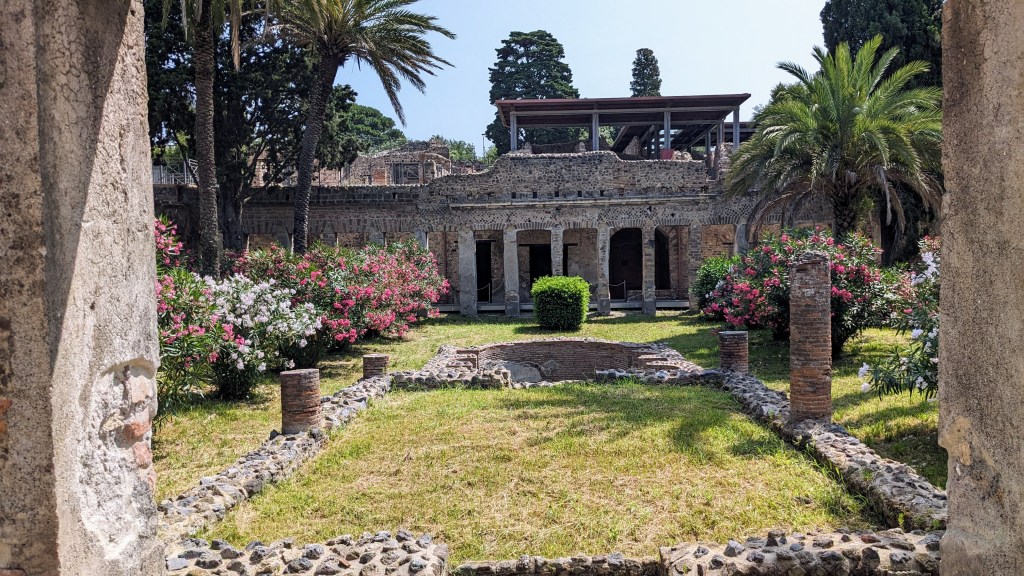
Nature and gardens, adopted from the Greeks, were very important to the Romans in their architectural planning.
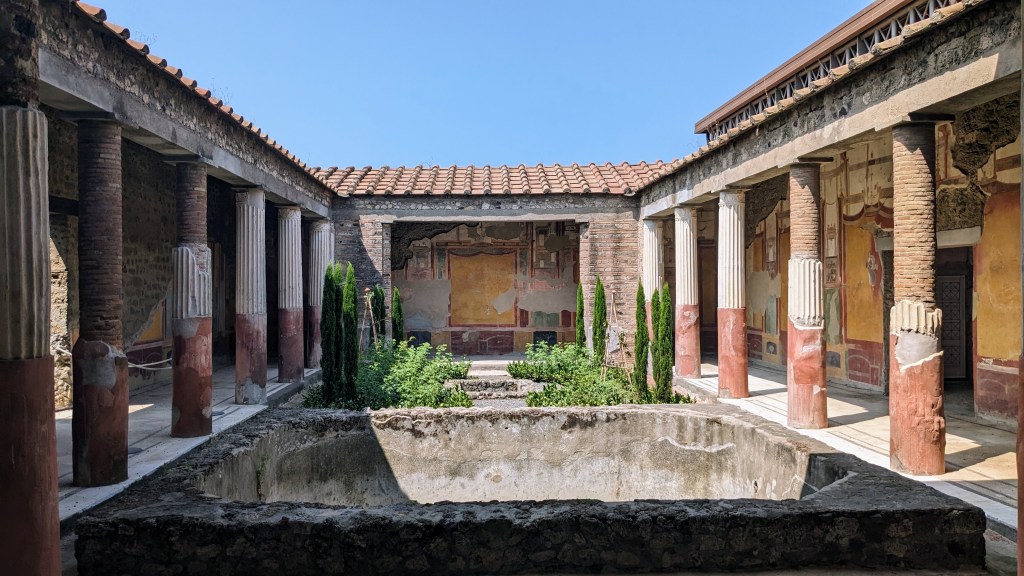
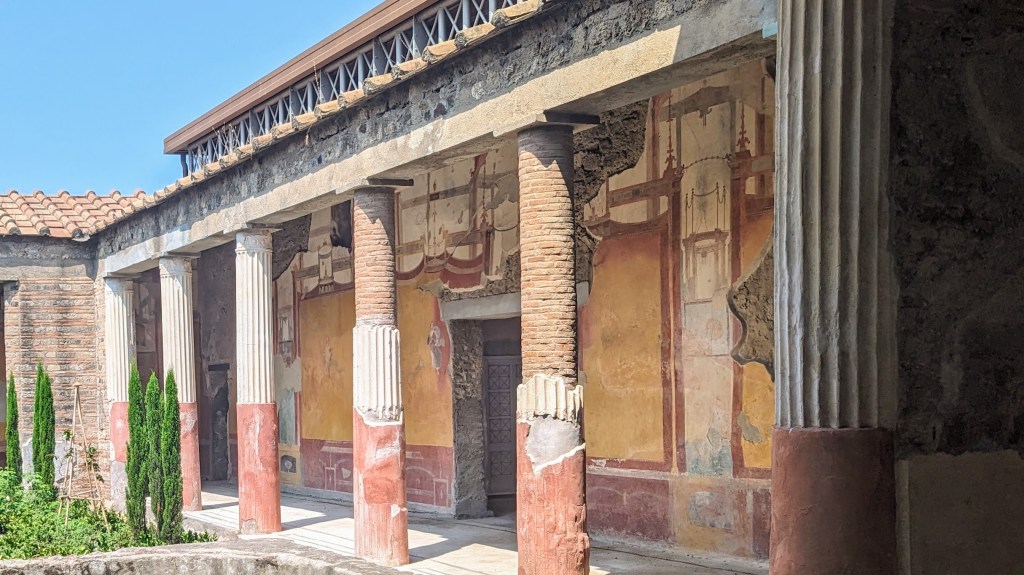
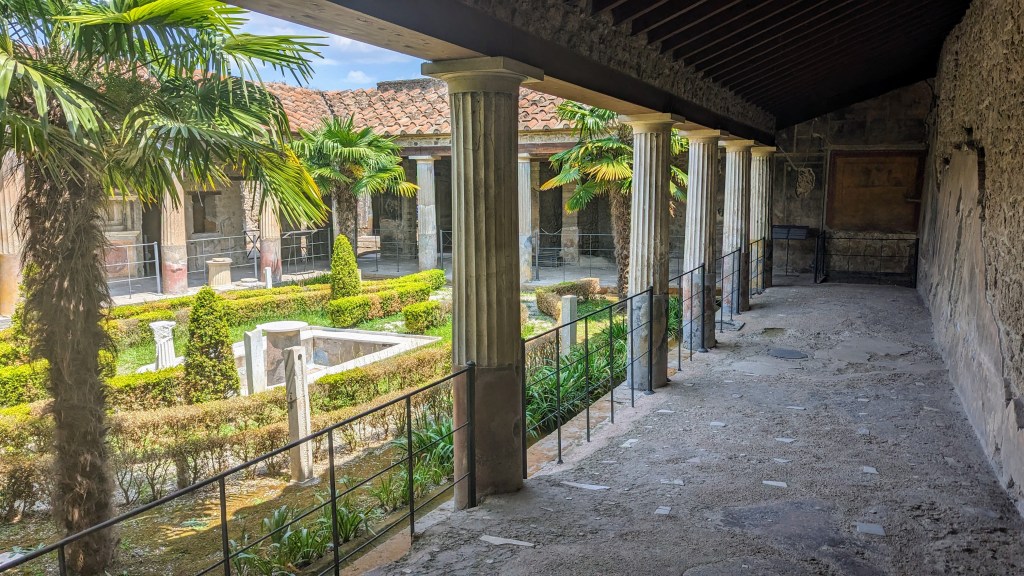
Those with limited space opted for a fountain and a small garden area with ornate features.
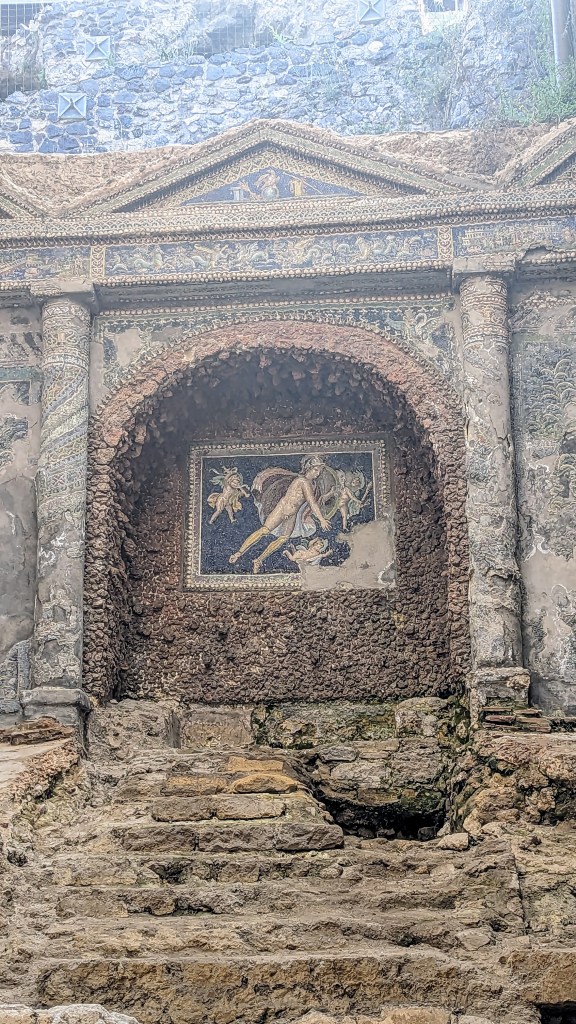
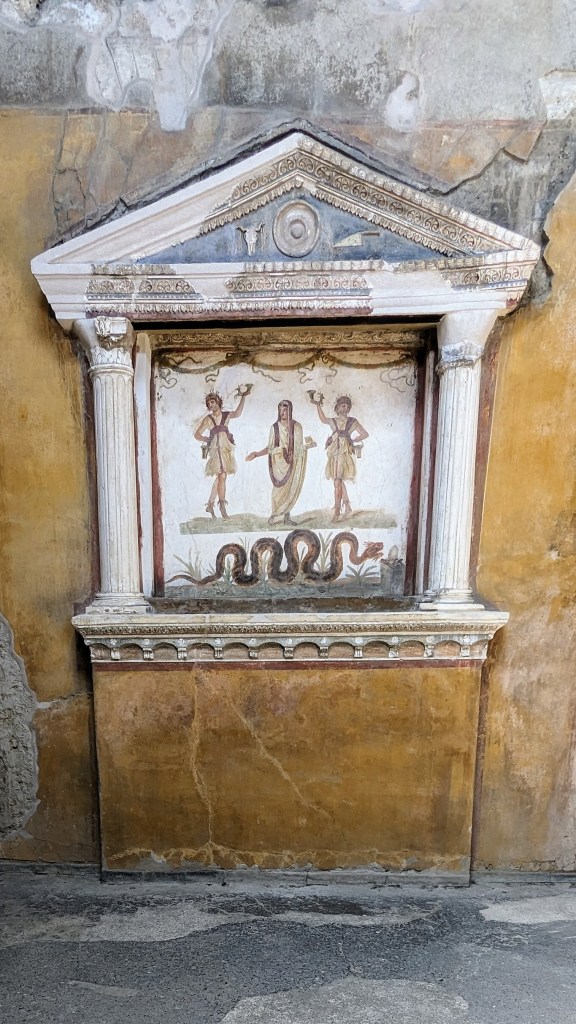
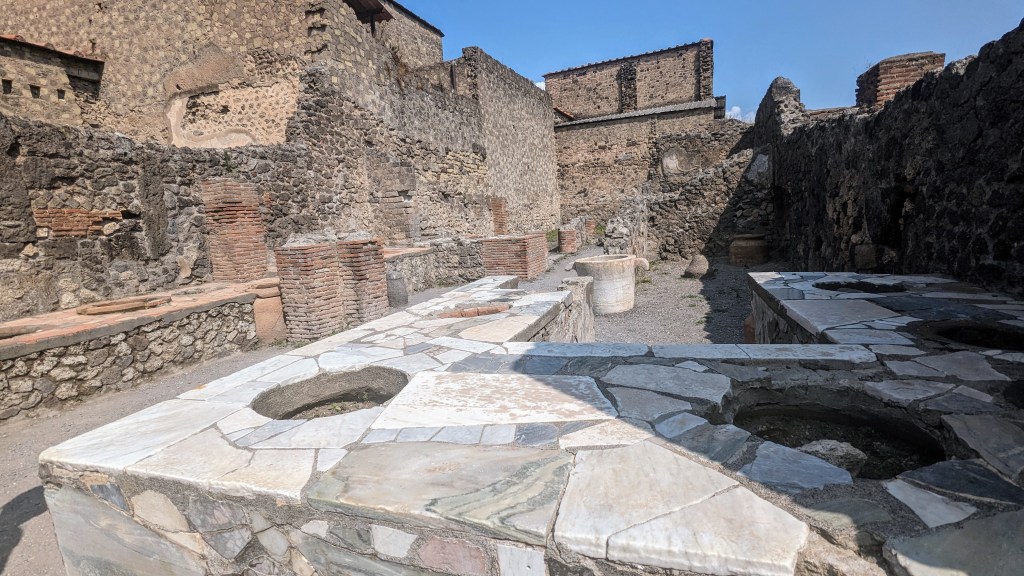
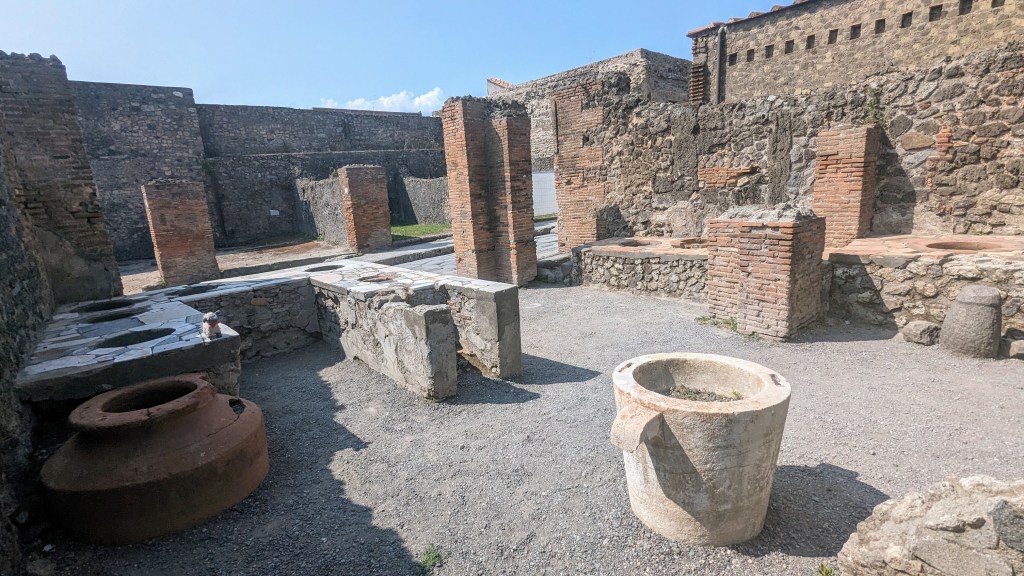
There were a number of dedicated markets for fish, meat, produce, and cloth.
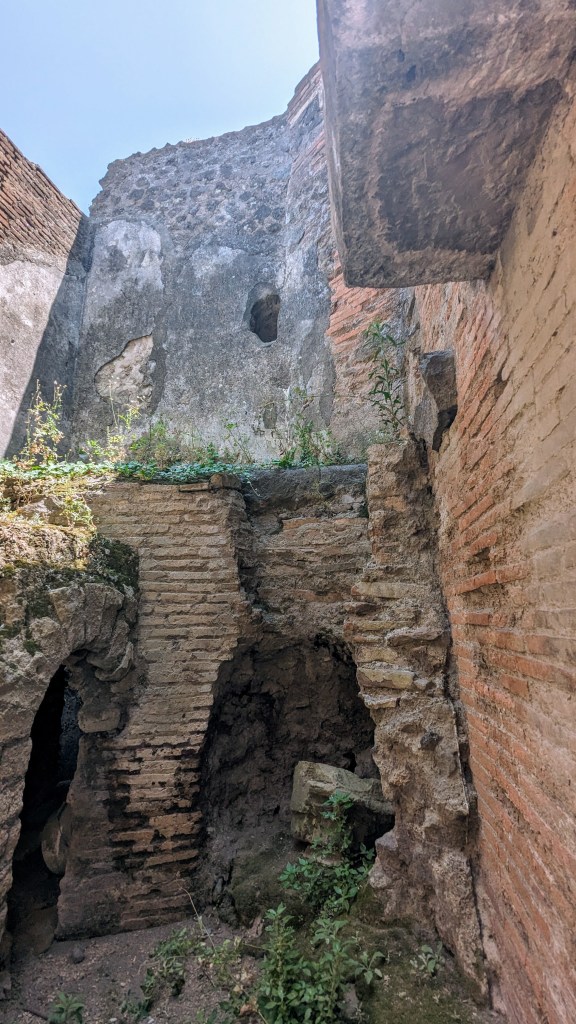
Desire to live by the ocean coupled with the rich farm lands led to the prosperous Romans moving in. One house there is said to have been over 30,000 SQ ft. The wall paintings and flooring of these houses attest to their opulence.
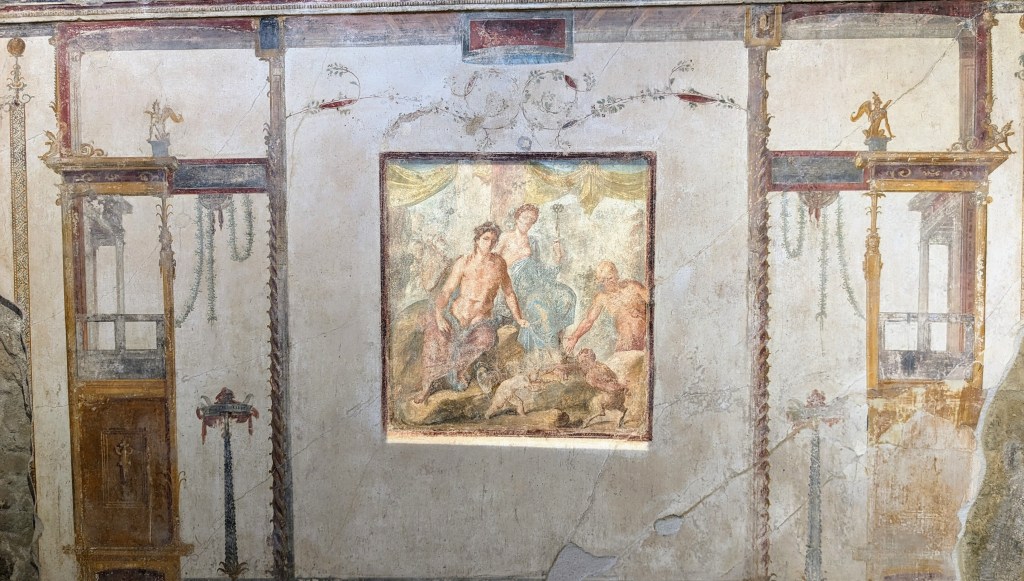
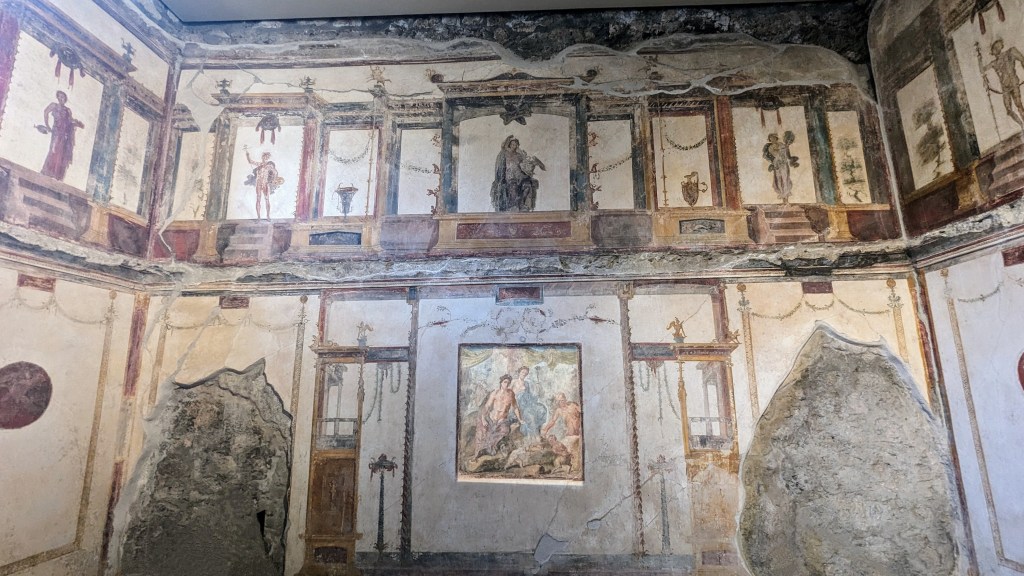

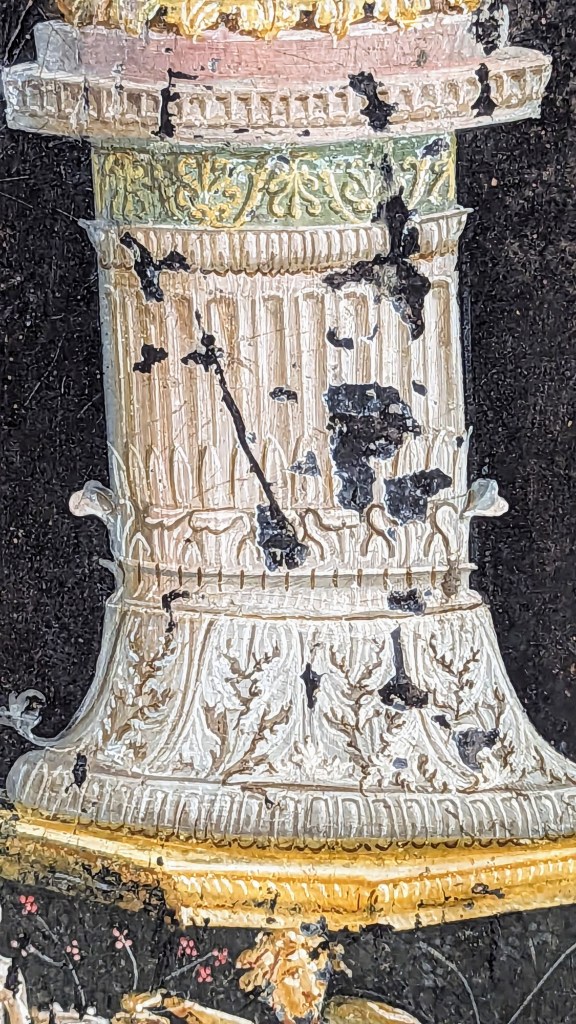
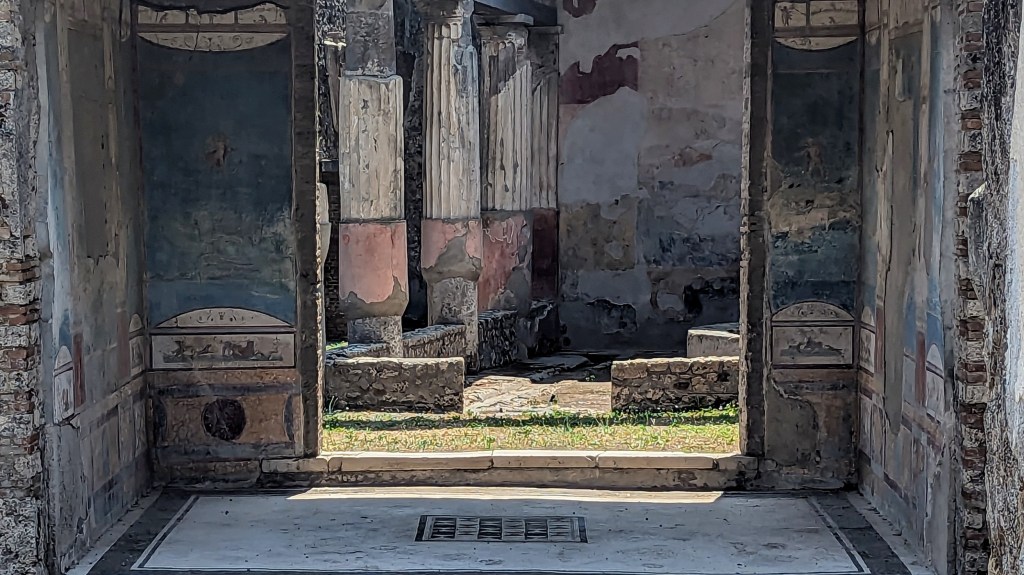
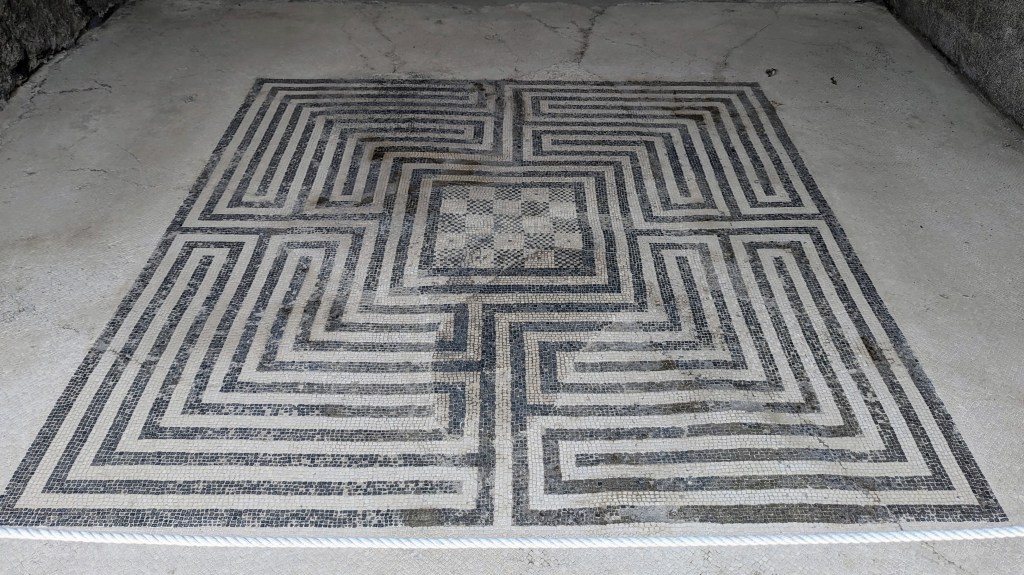
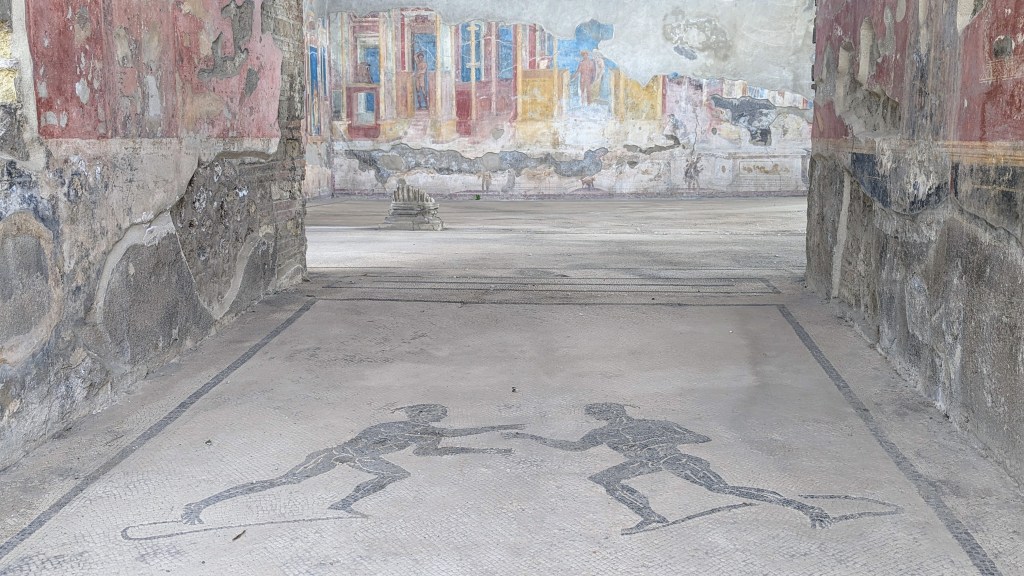
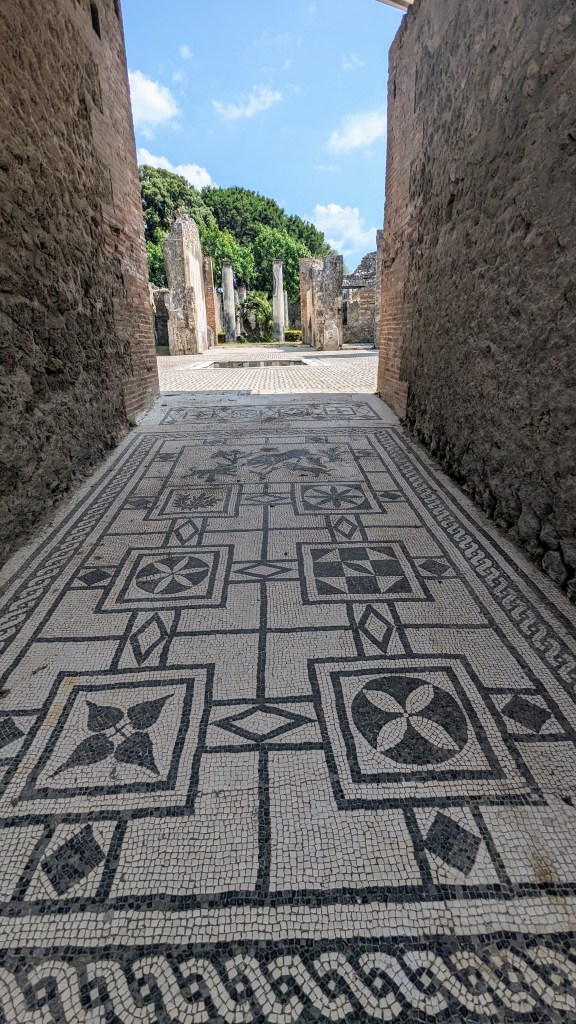
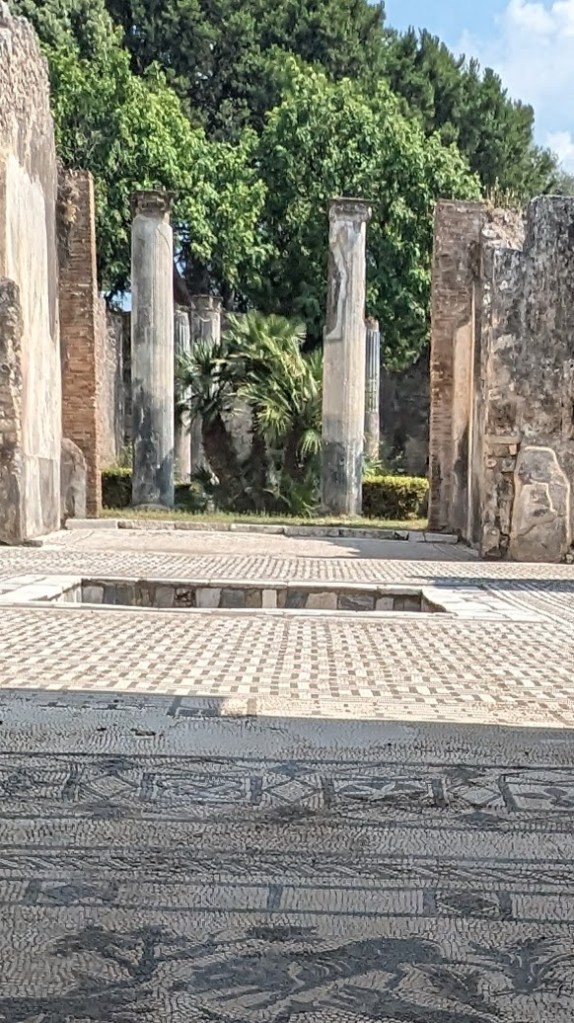
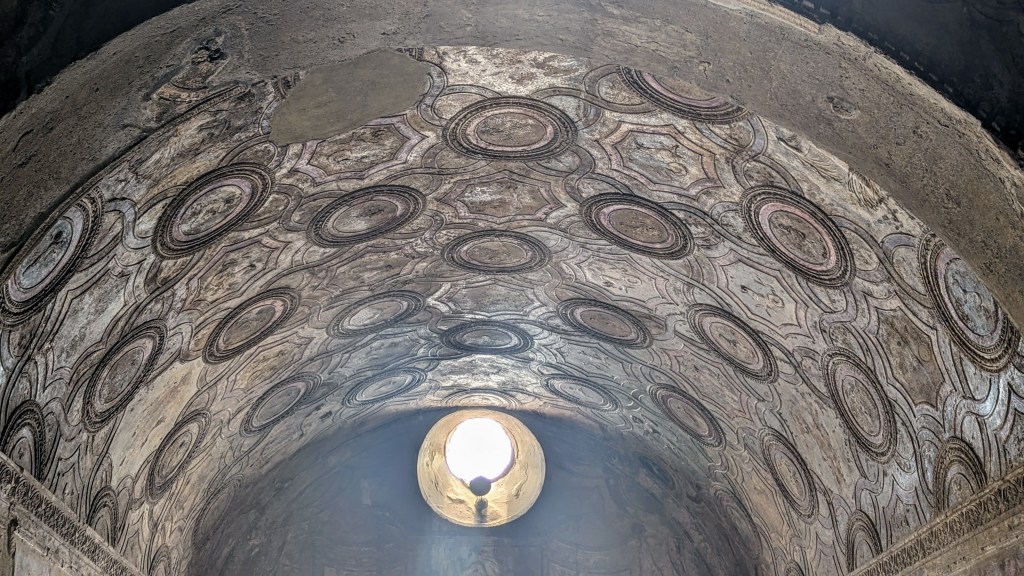
It is impossible to capture in pictures the size and scope of Pompeii…but here’s an attemp.
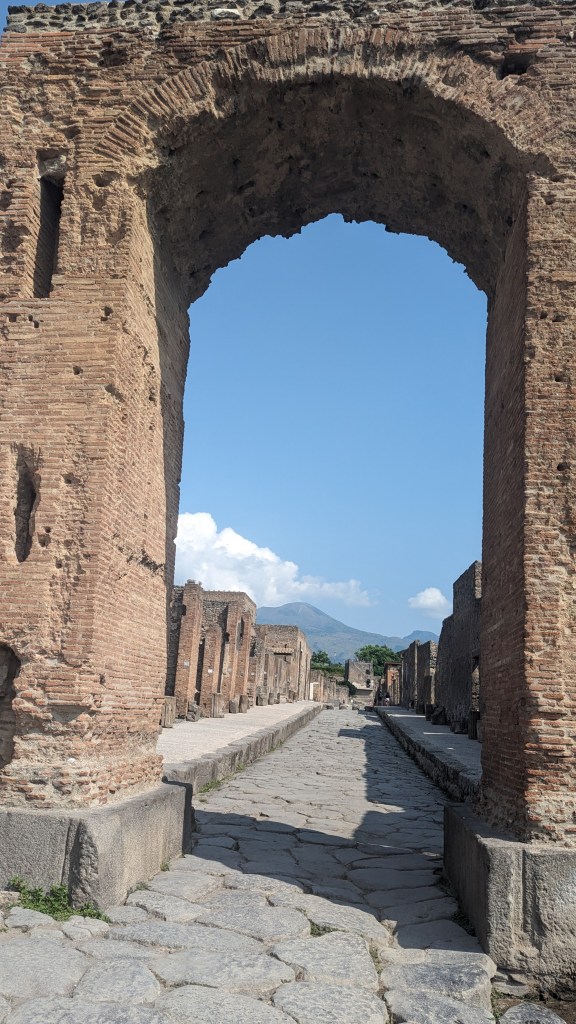
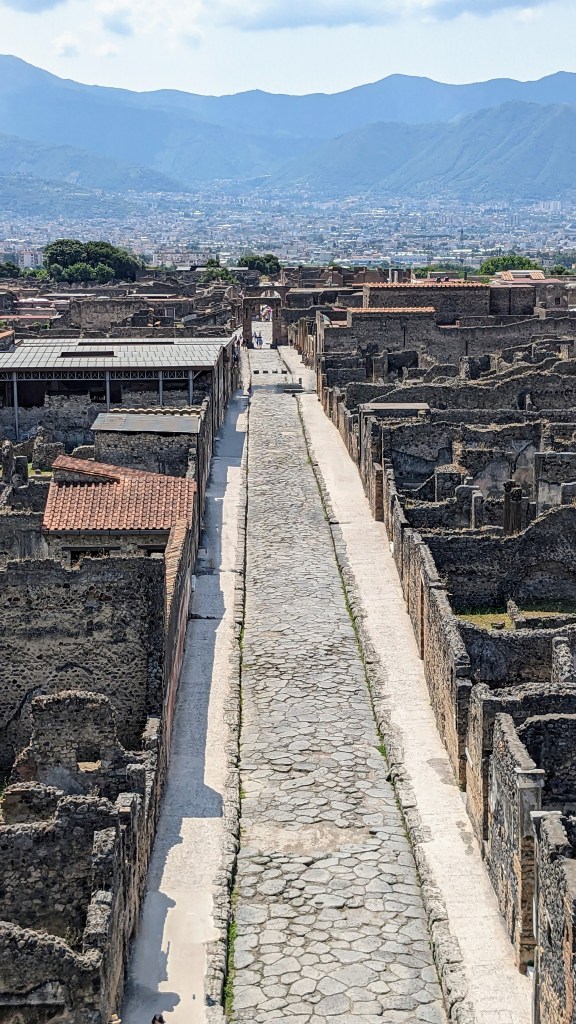
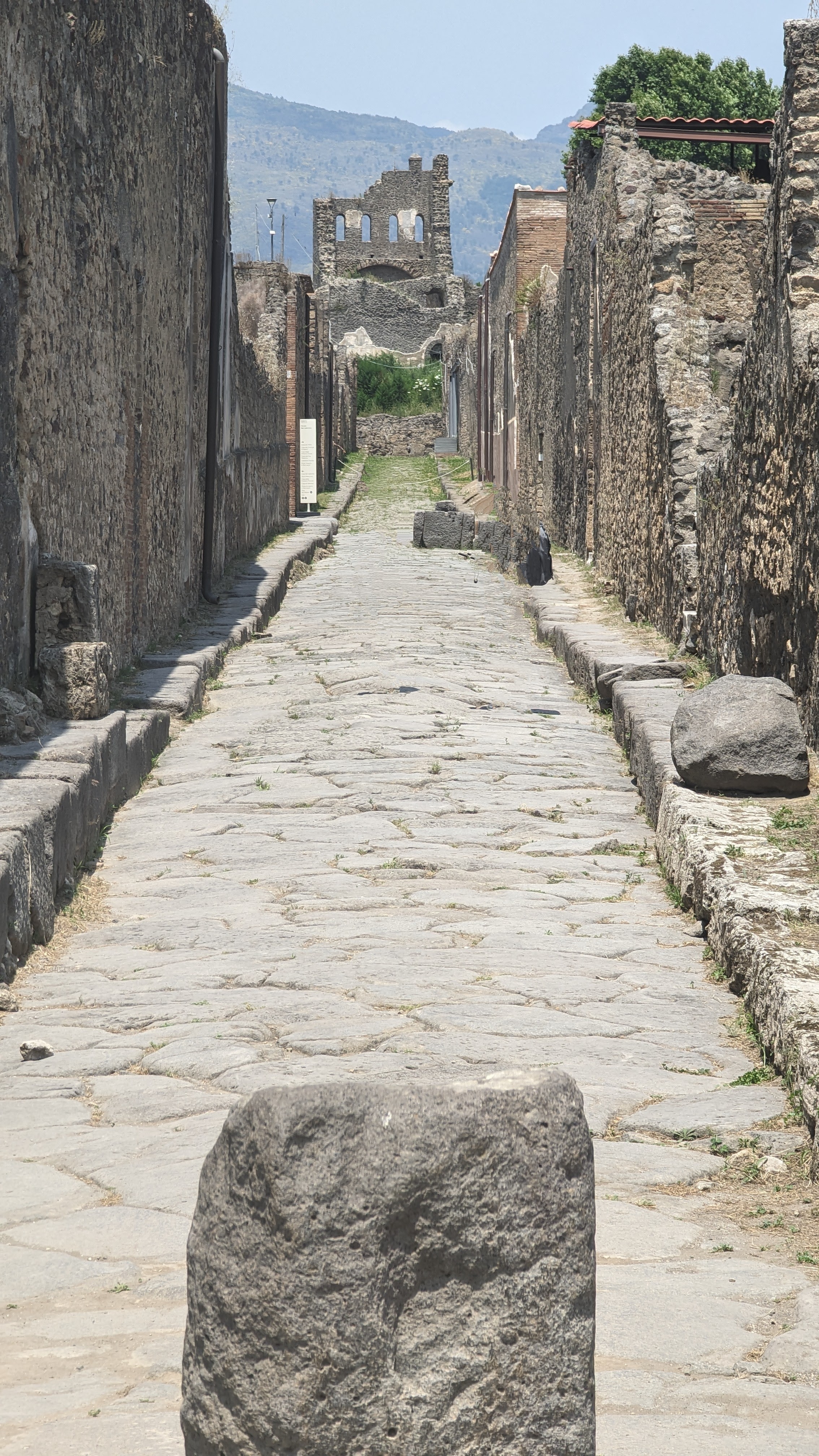
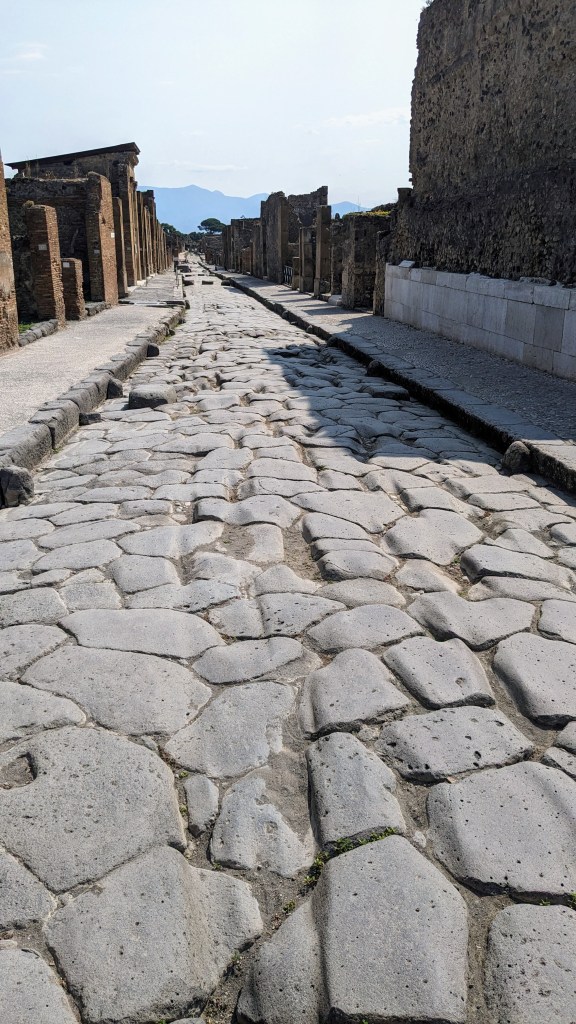
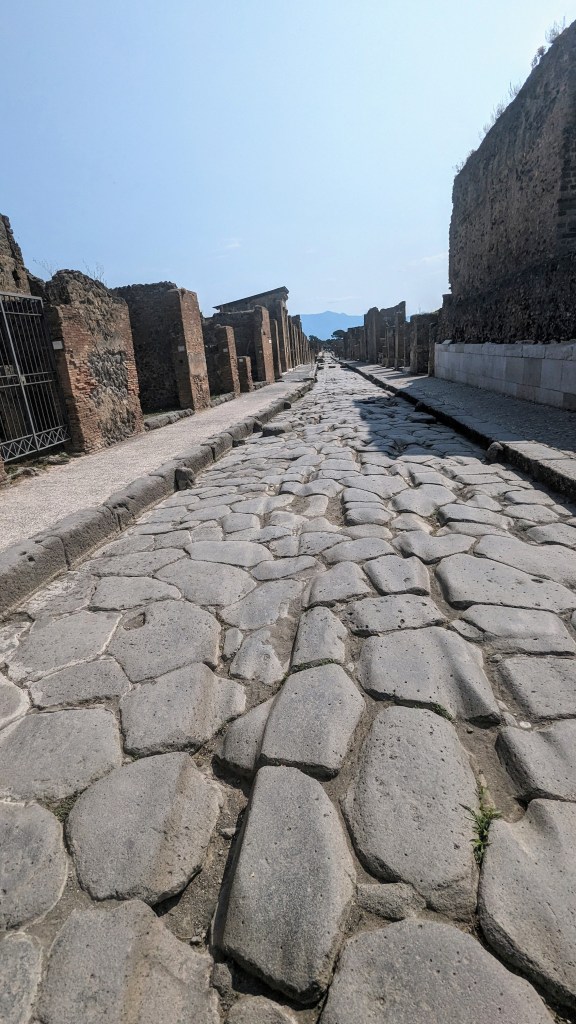
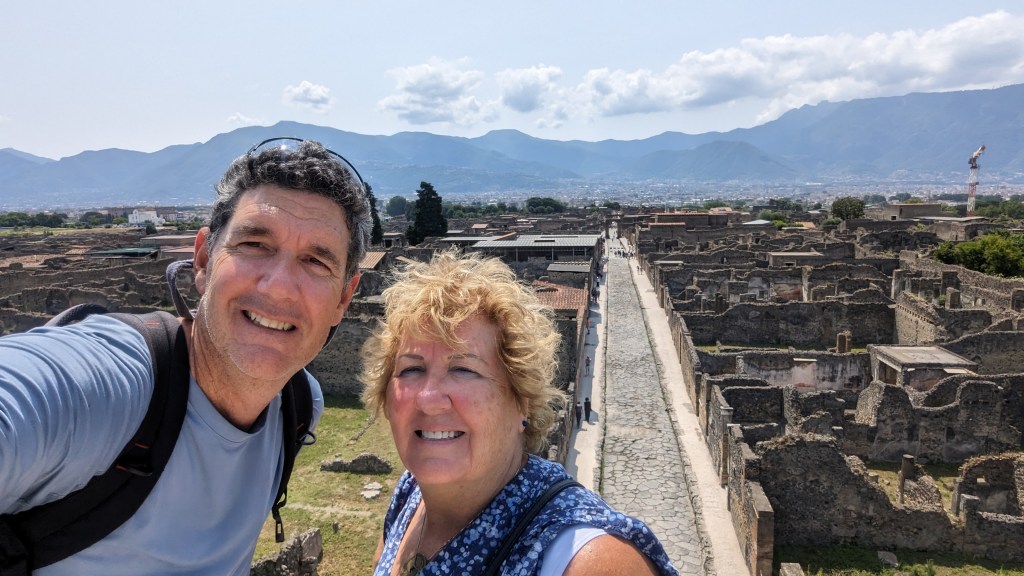
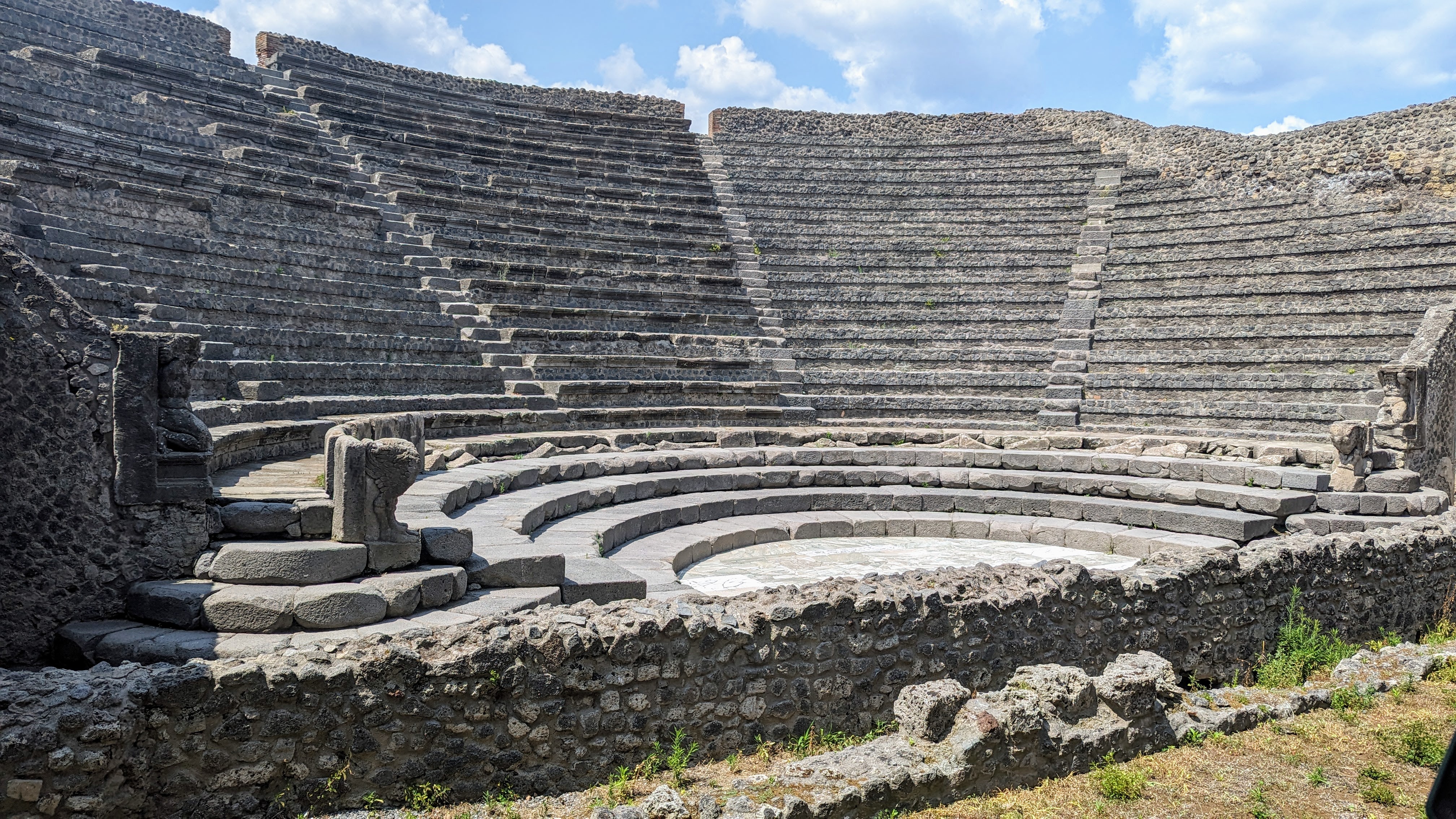
Here are but a tiny few of the monuments, temples, squares, and amphitheaters.
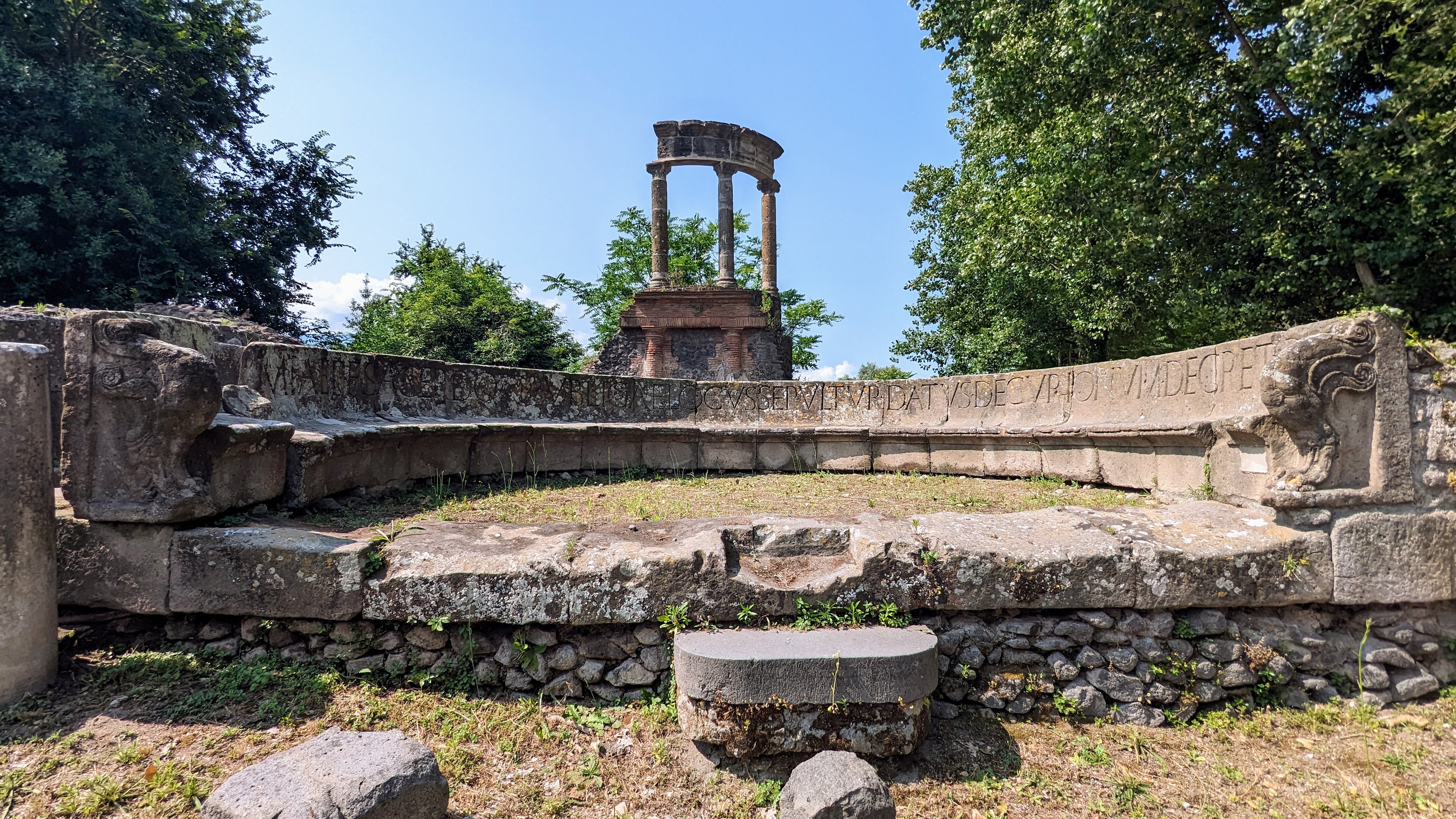
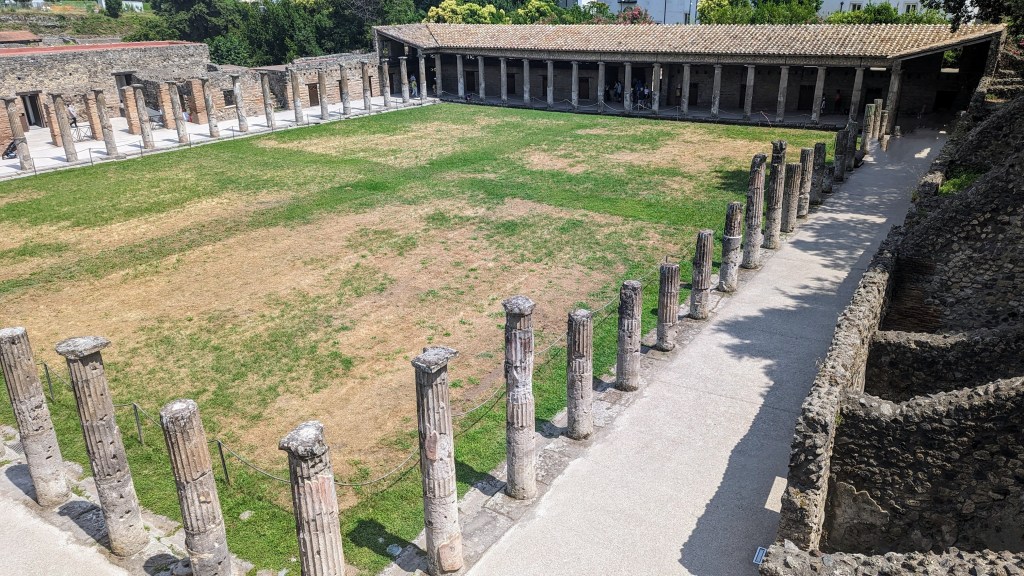
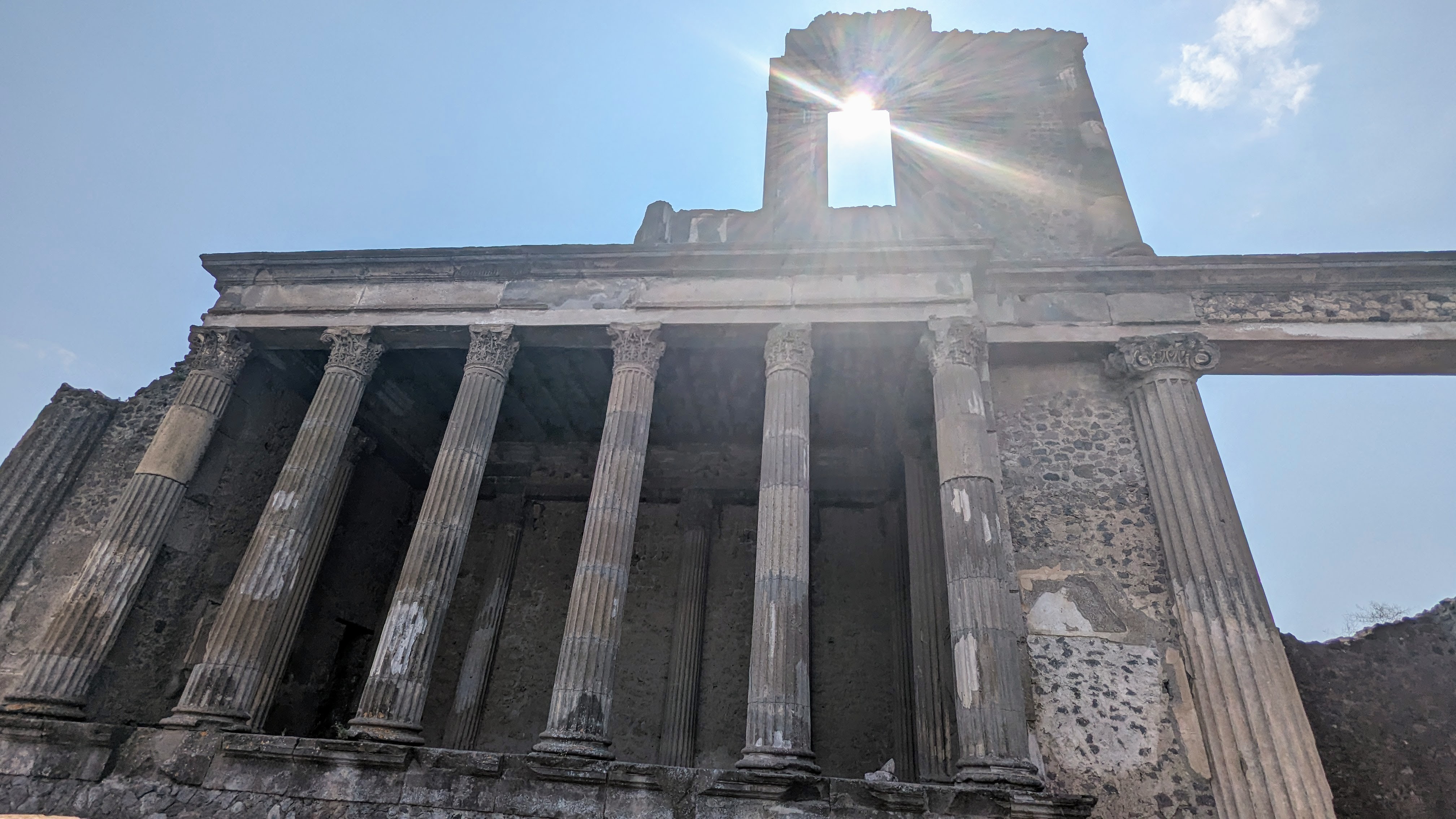
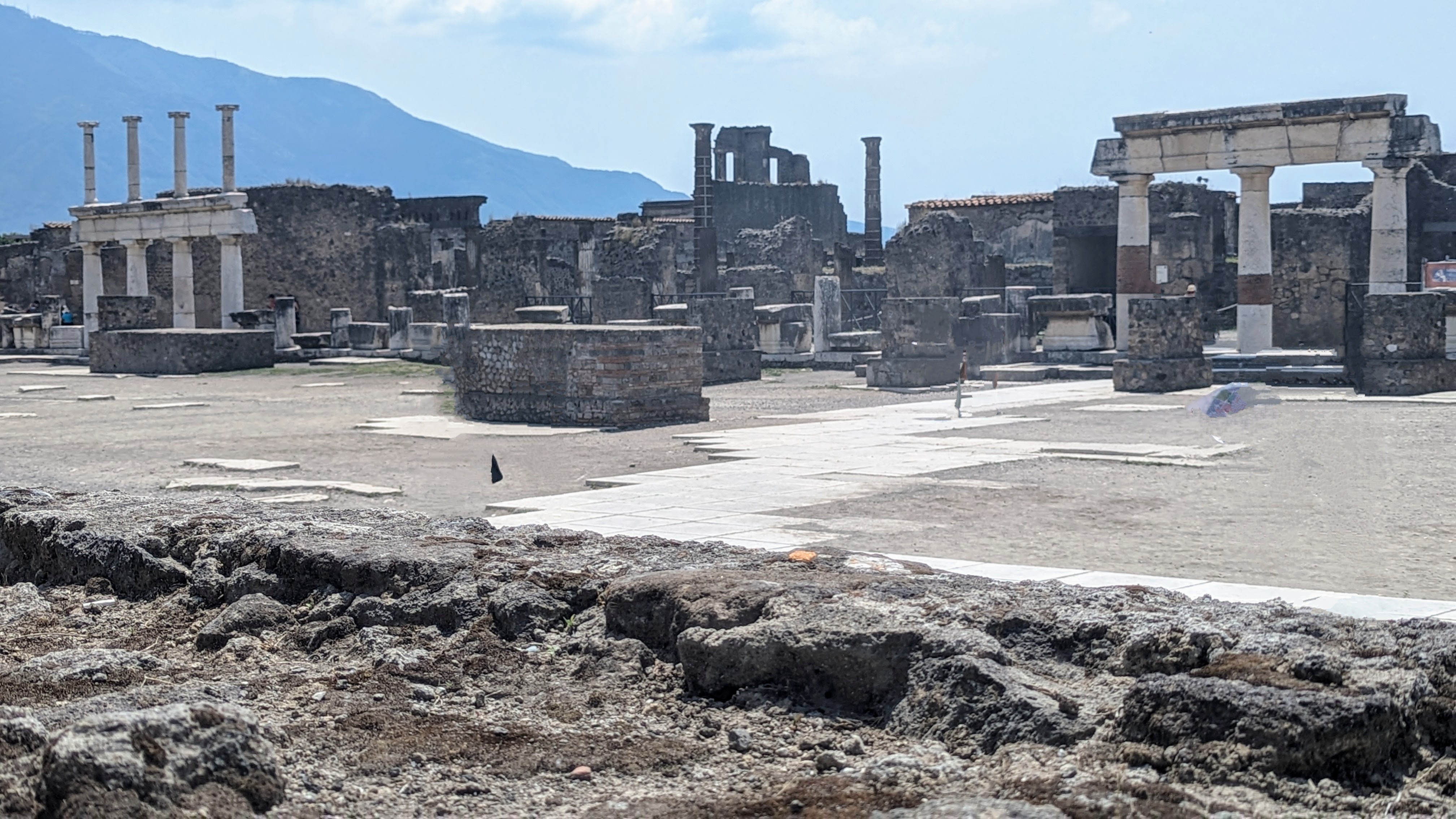
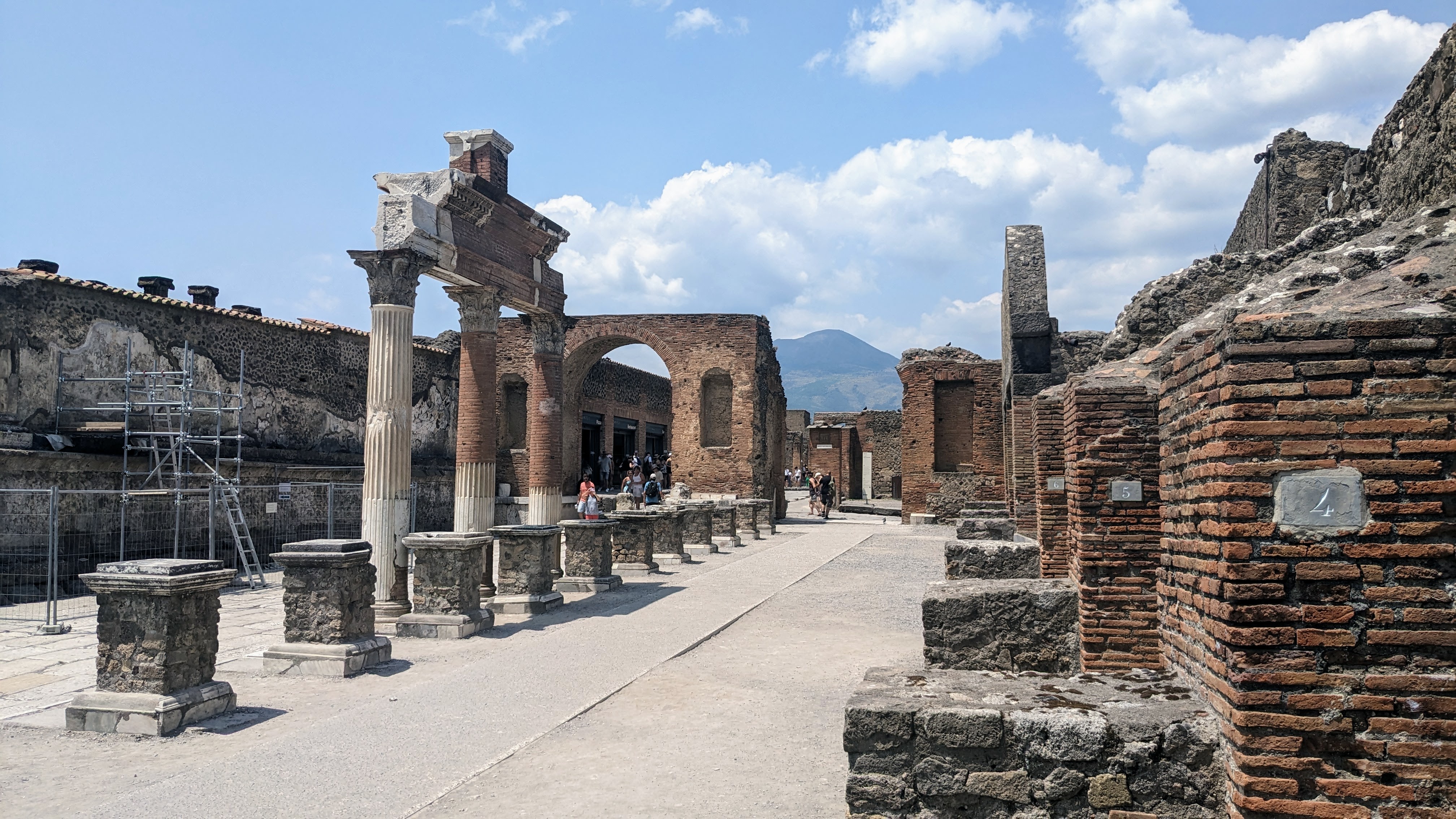
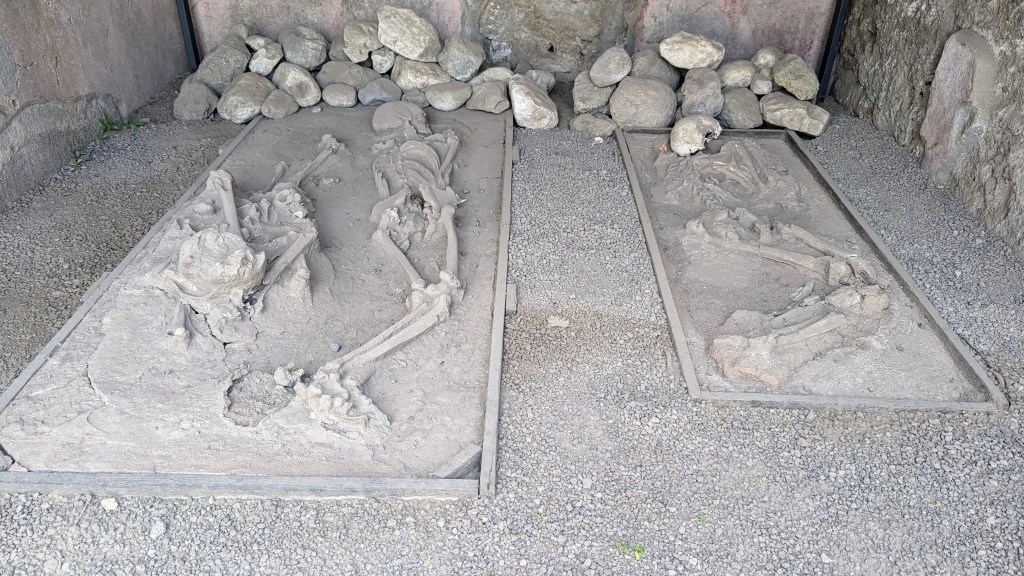
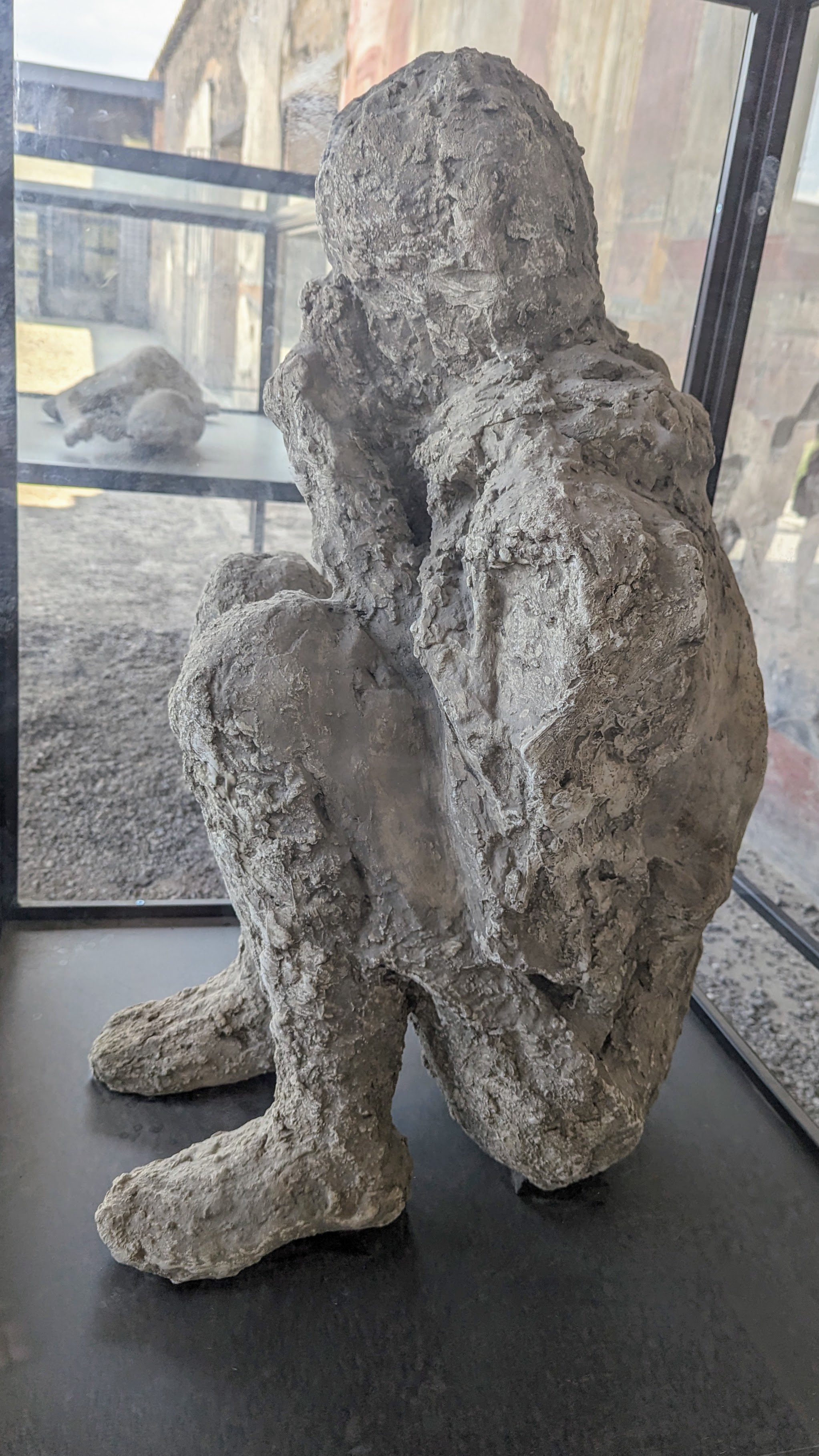
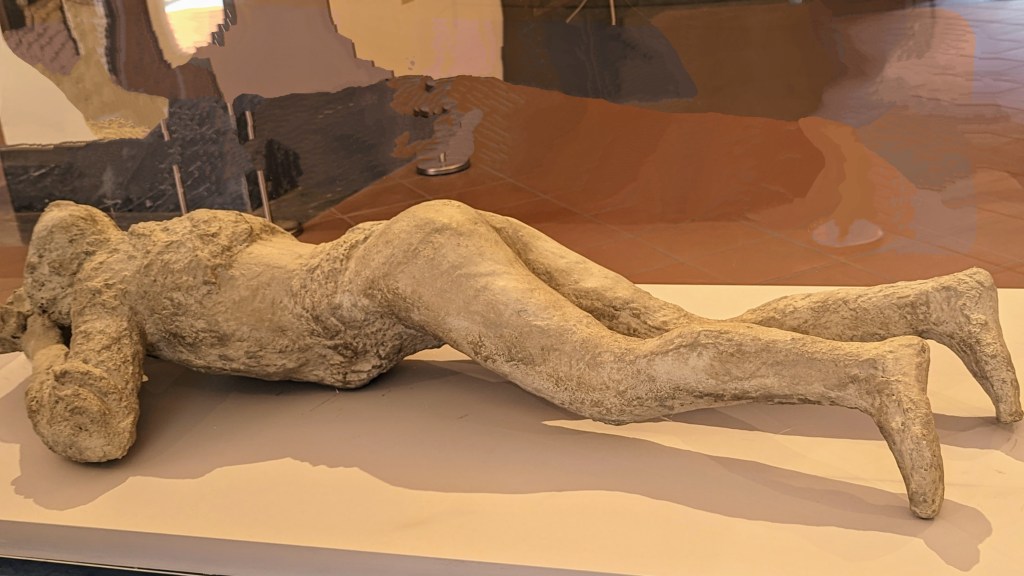
And then there is the reality of the severe atrocity of a moment captured beneath 4-6 meters of ash and pumice.

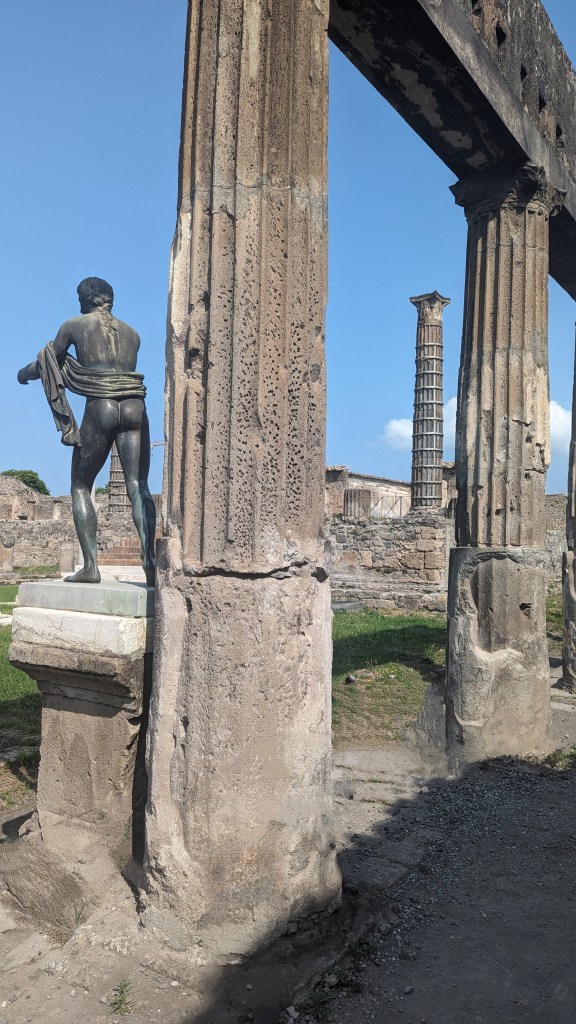
Not many original statues remain in place. Unfortunately, the real Pompeii was packaged up long ago, shipped out to places far away; some statues were replaced by replicas while others just disappeared from their original places with no markers.
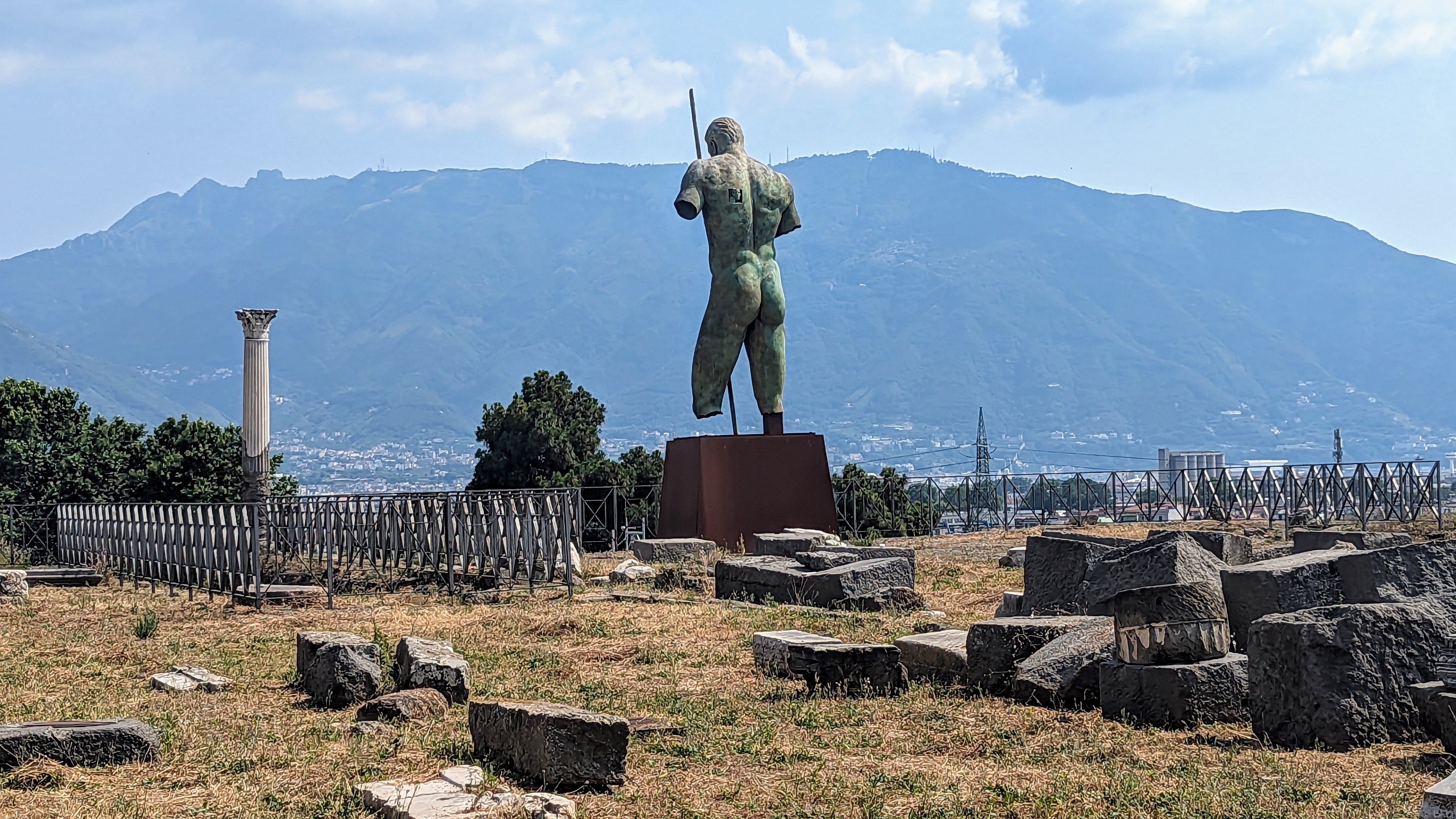
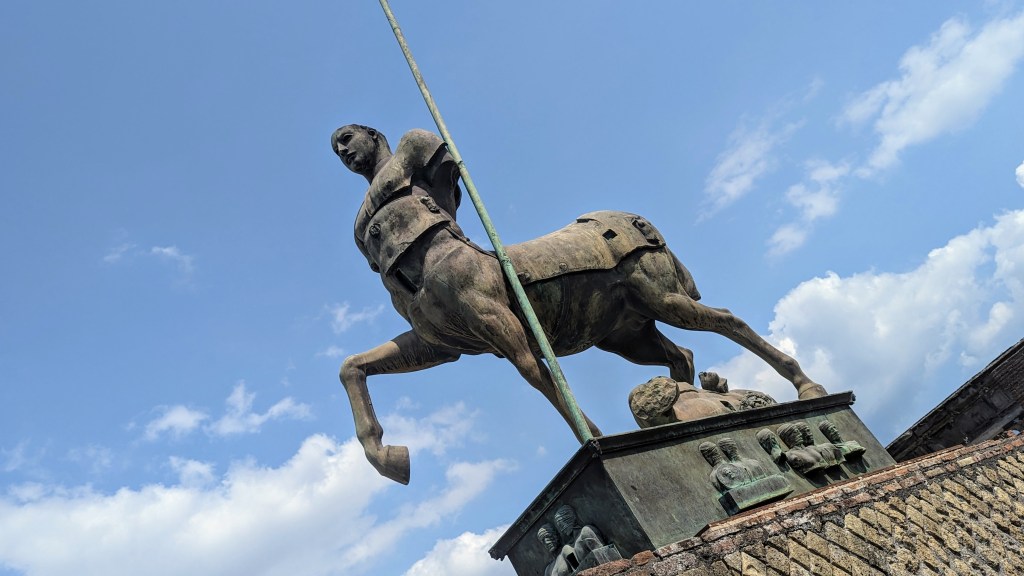
Which brings us to the Archeological Museum of Naples. We were going to go to the beach for our last day in Naples. However, we found out that the museum houses a large amount of the treasures that were in Pompeii and Herculaneum, so off to the museum we went.
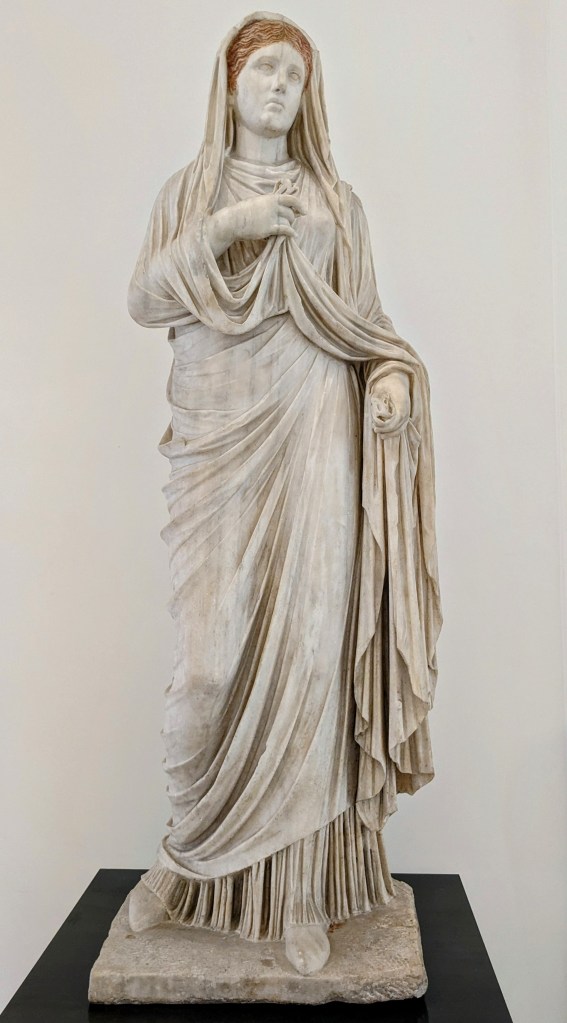
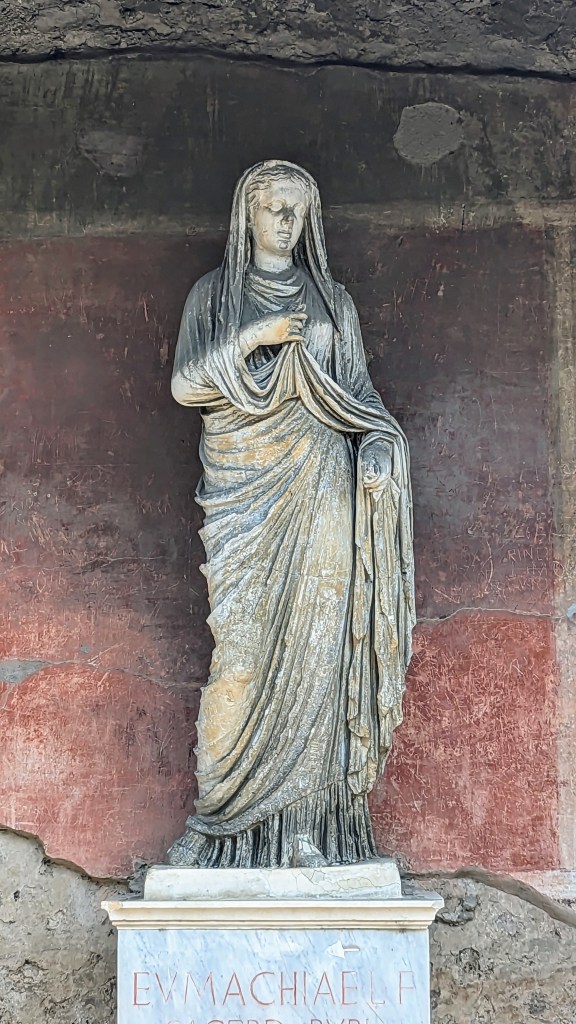
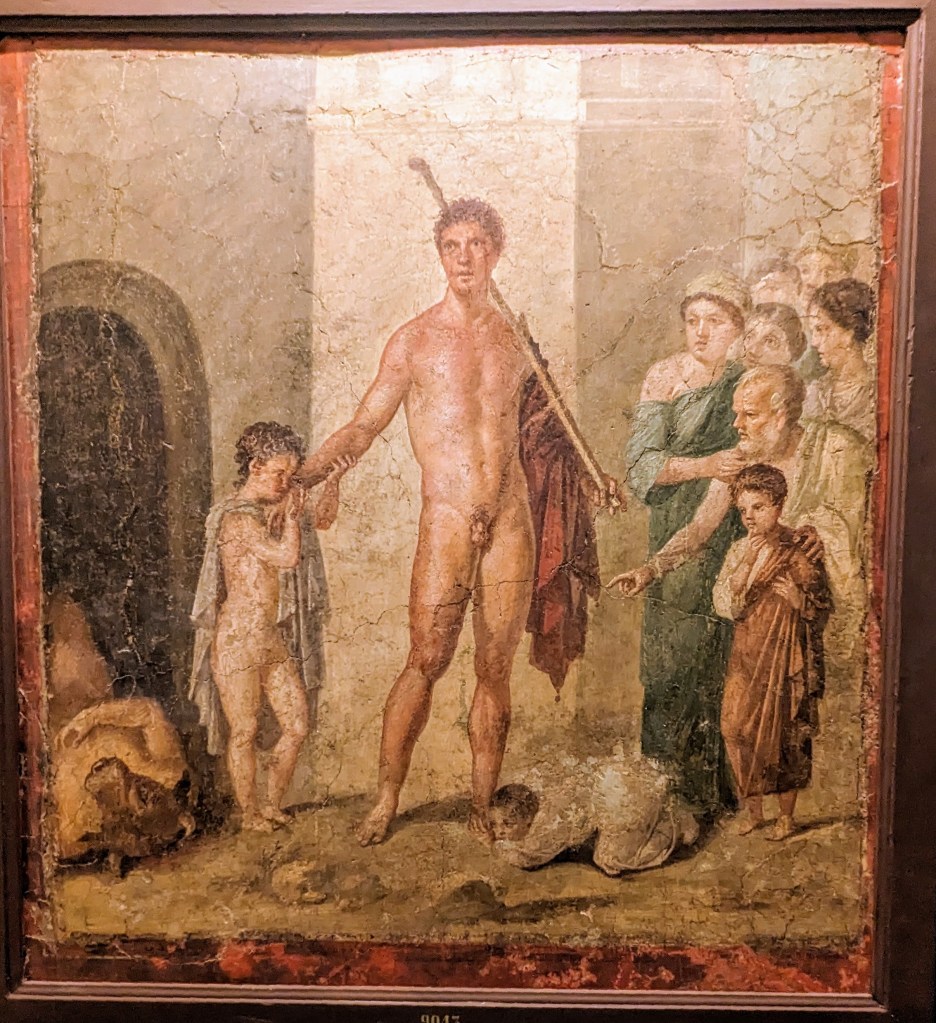
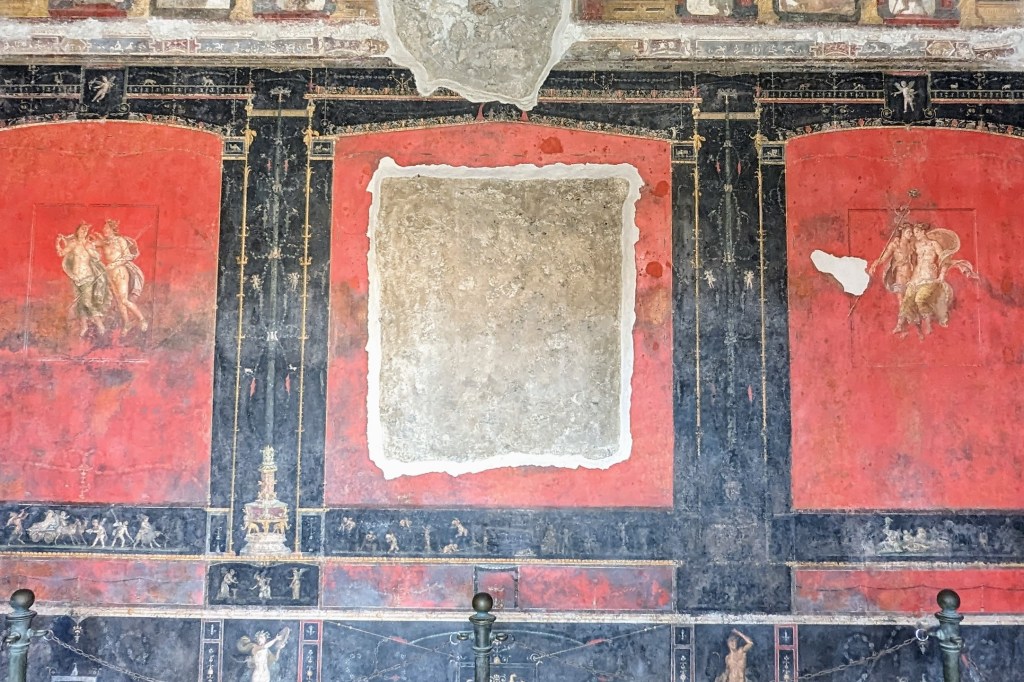
The amount of artifacts in every room was overwhelming, and quite frankly, numbing. Where there was context, scale, and understanding in Pompeii, there was a consolidation and condensation of tens of thousands of artifacts, each with a printed placard in four different languages briefly describing where it was found. Fortunately, having just visited both excavations, we could sometimes visualize them in situ.
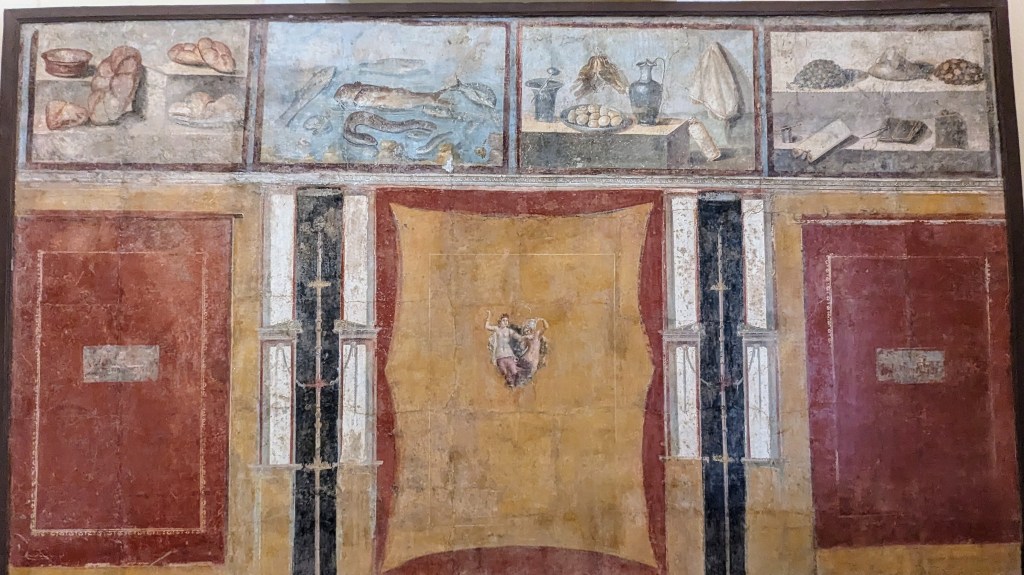
I must note here that my intent today was to take photos of everything that had been displaced from Pompeii. But, by the second room, it became obvious that there was way, way too much! Here’s a small selection.
Walls
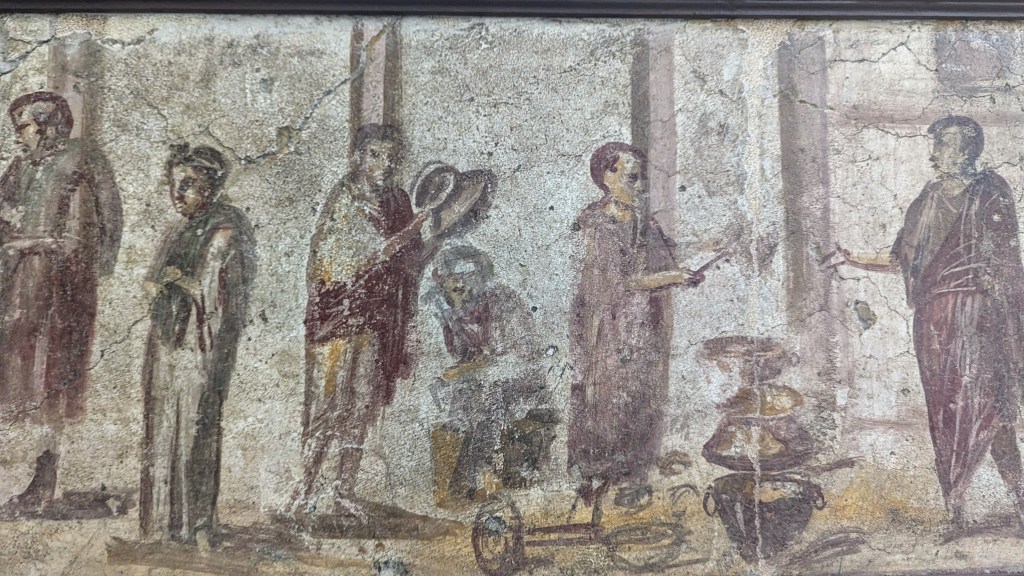


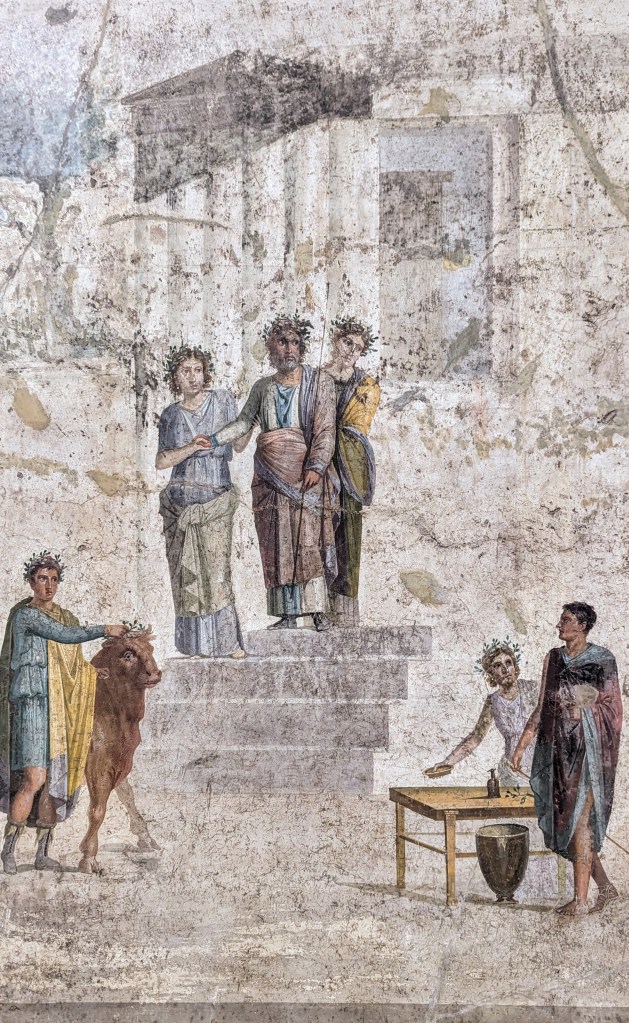
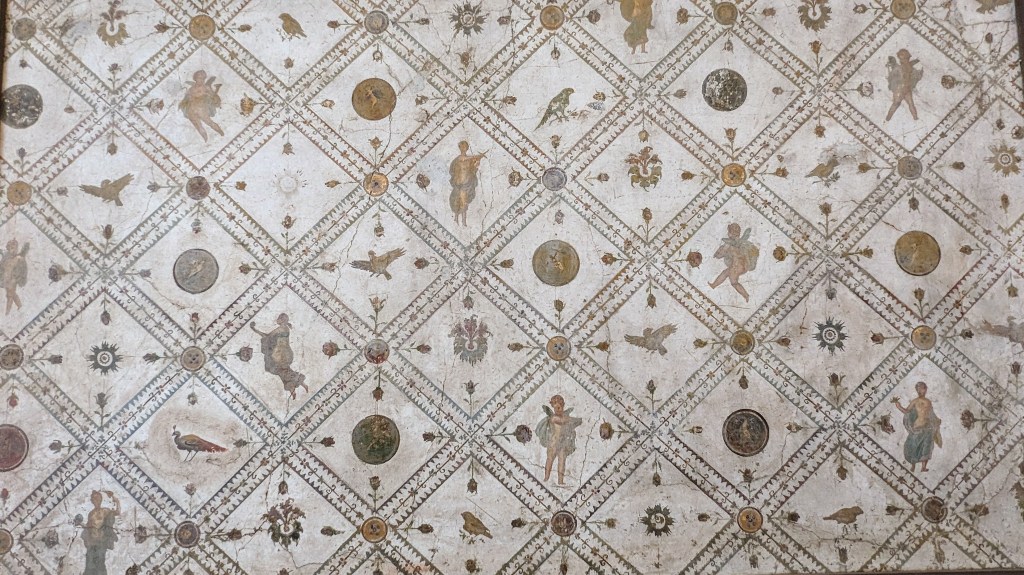
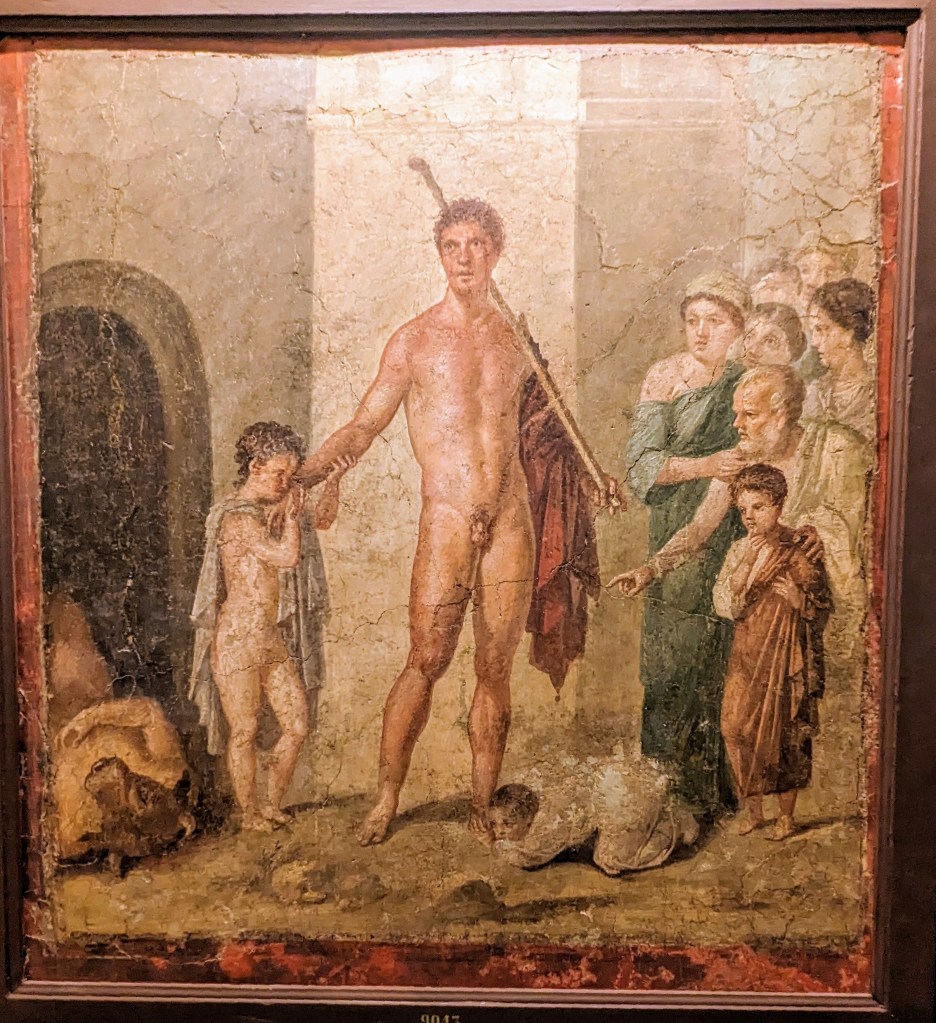

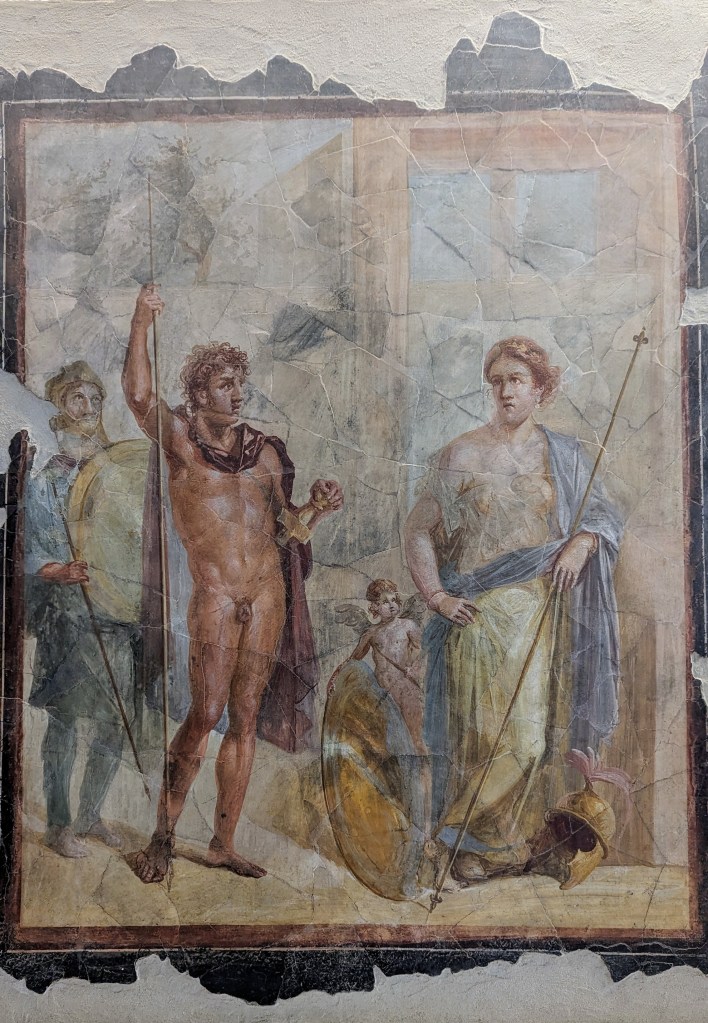
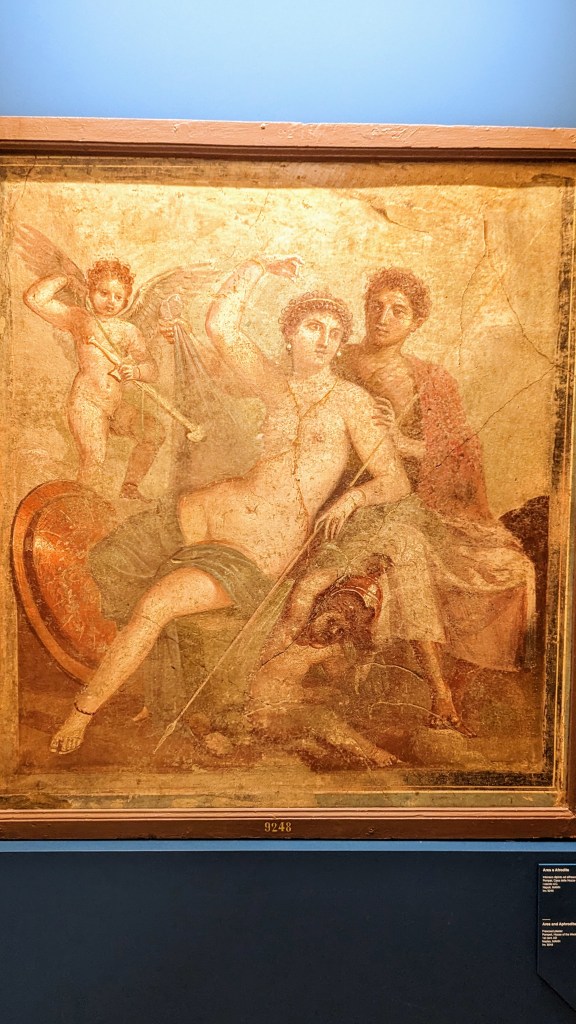
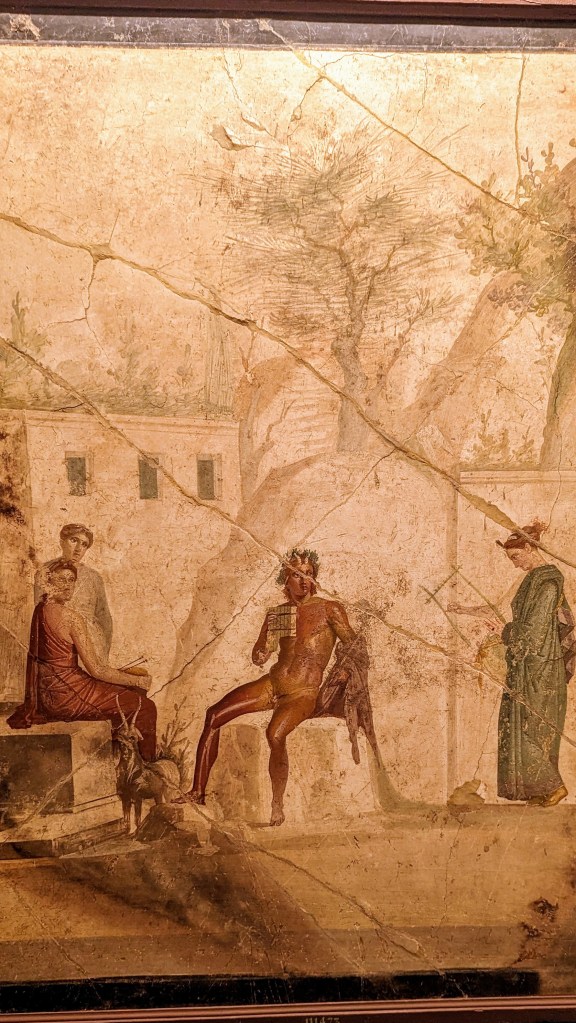
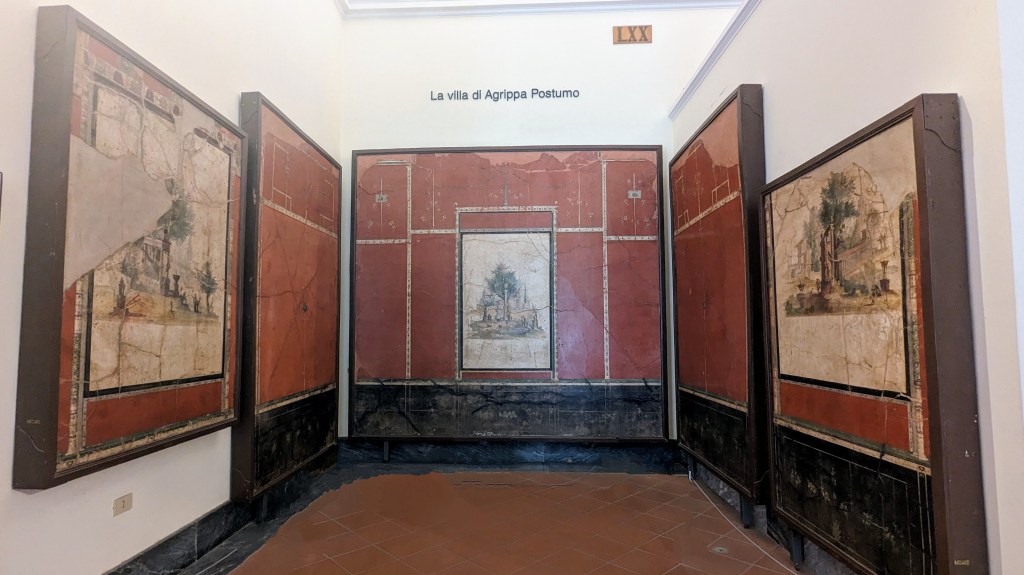
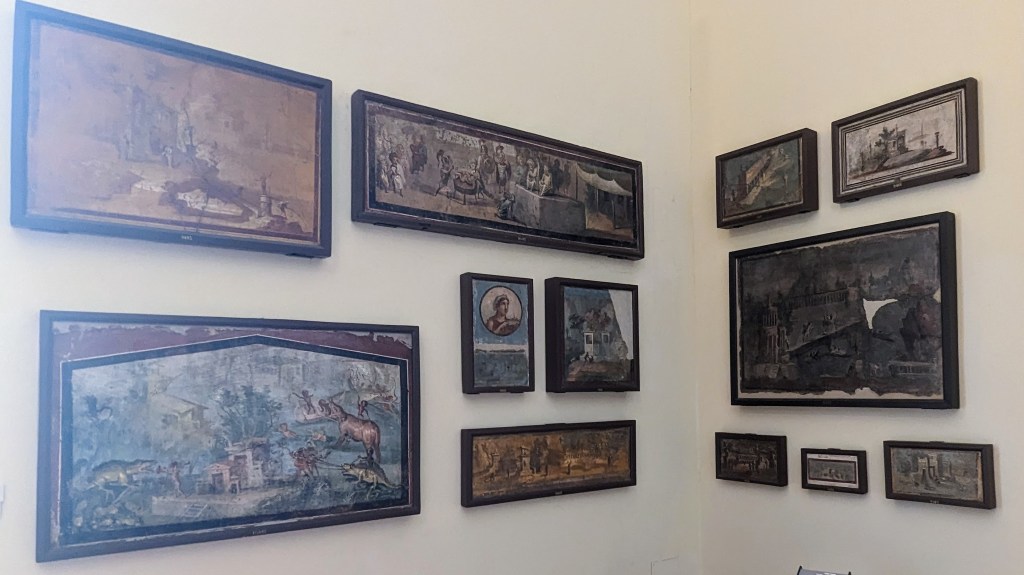
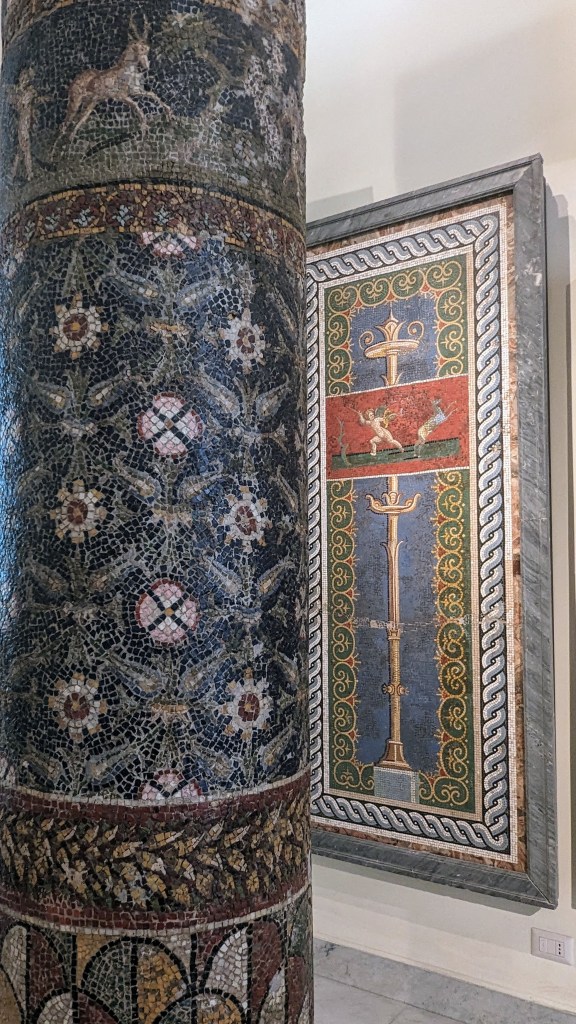
Floors
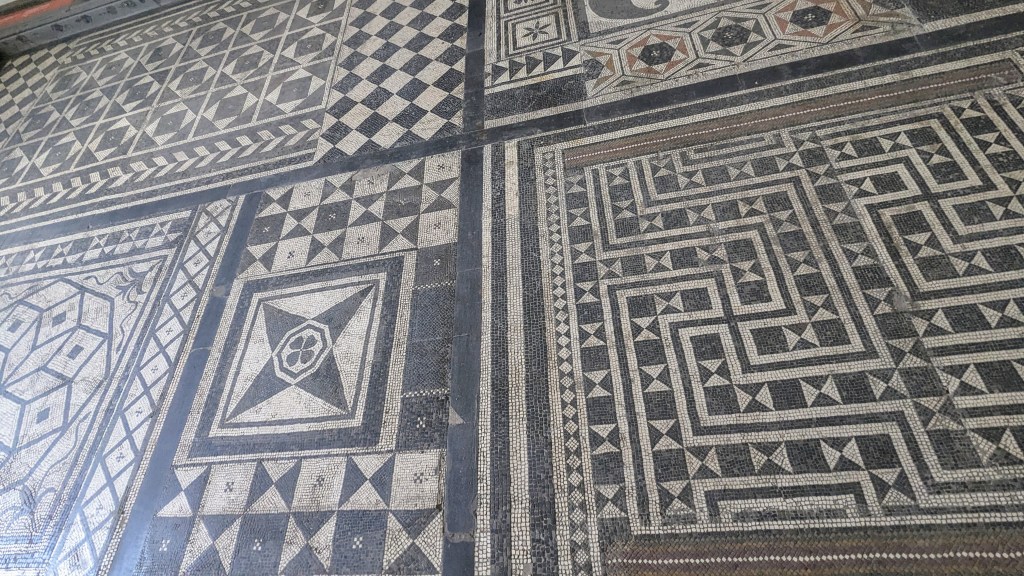
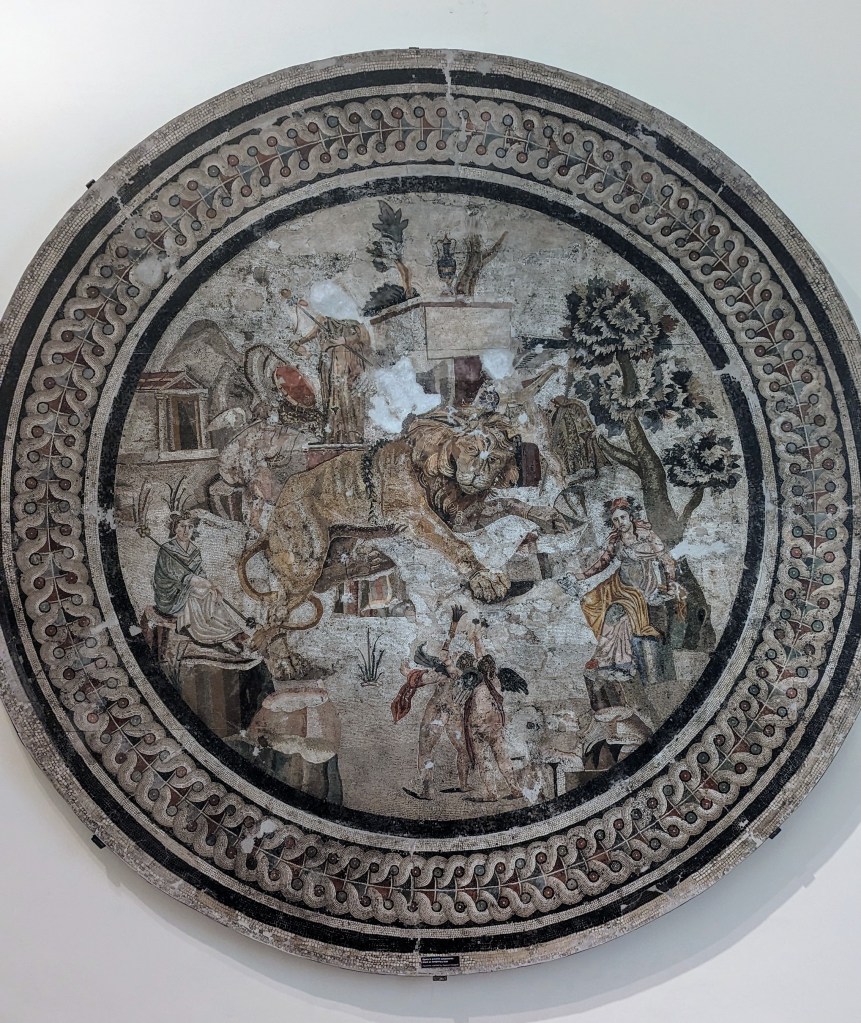
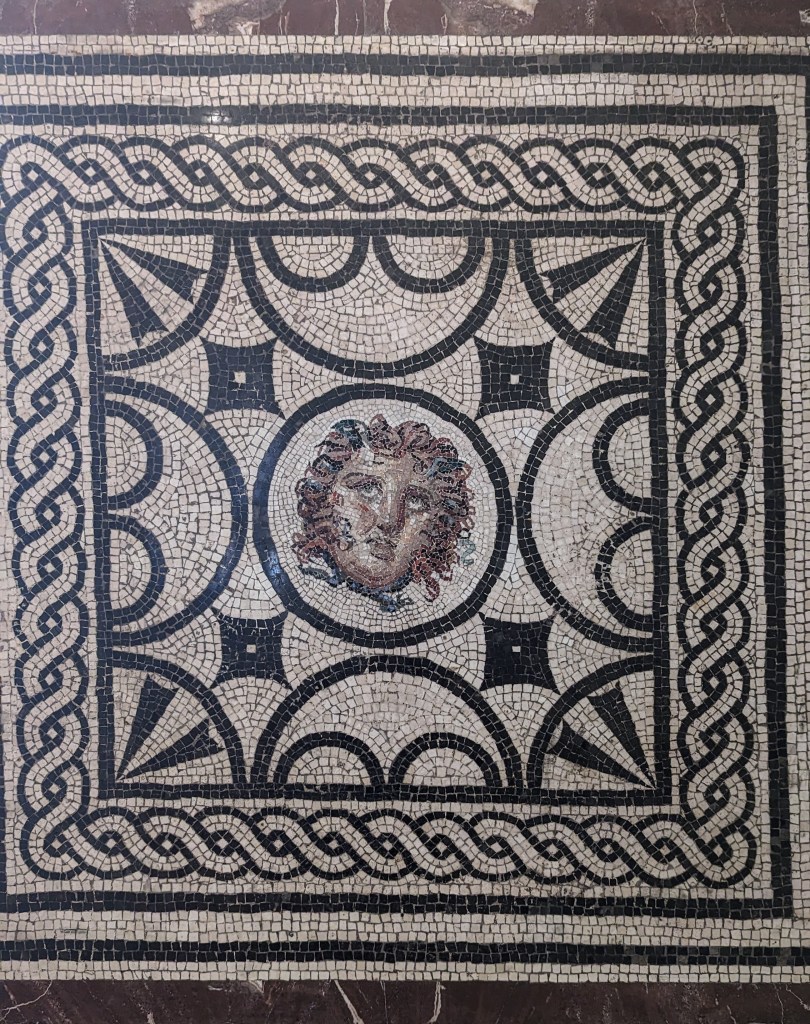
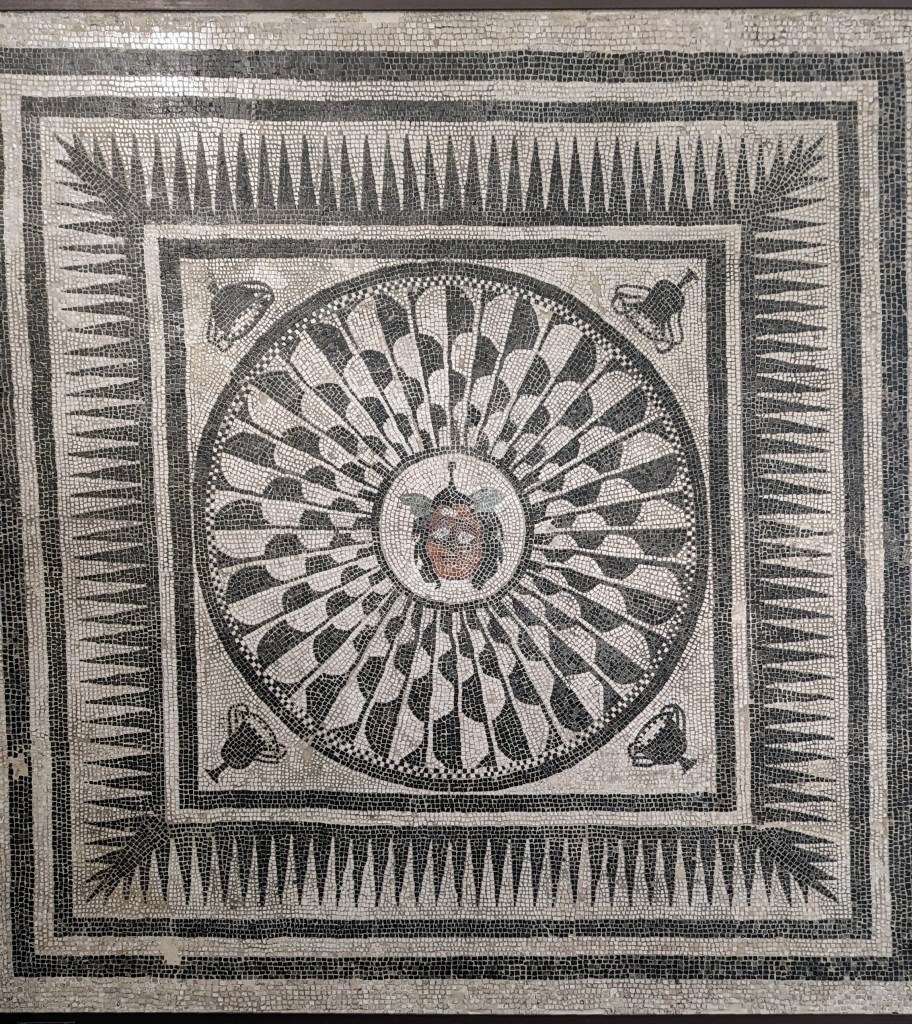
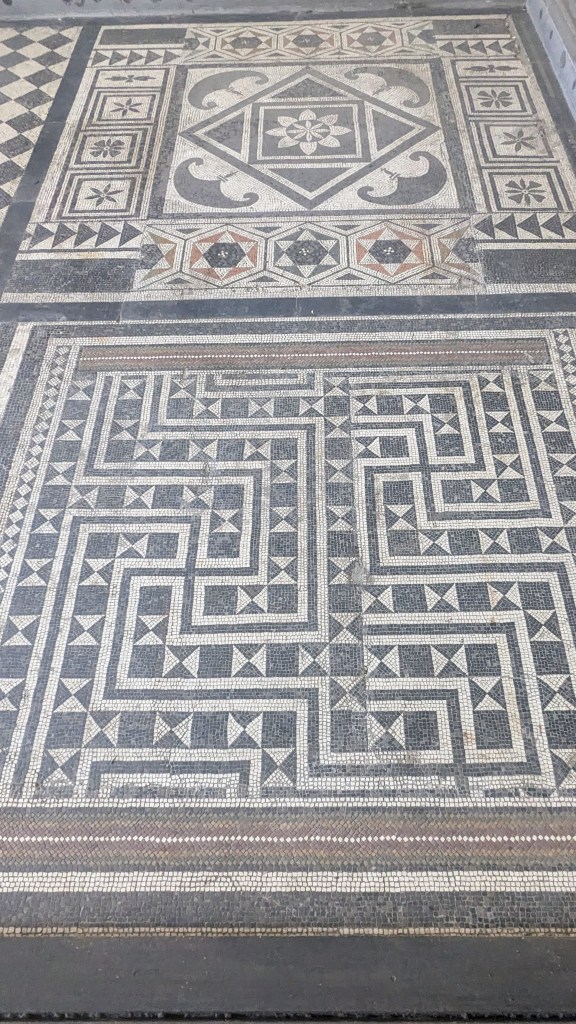
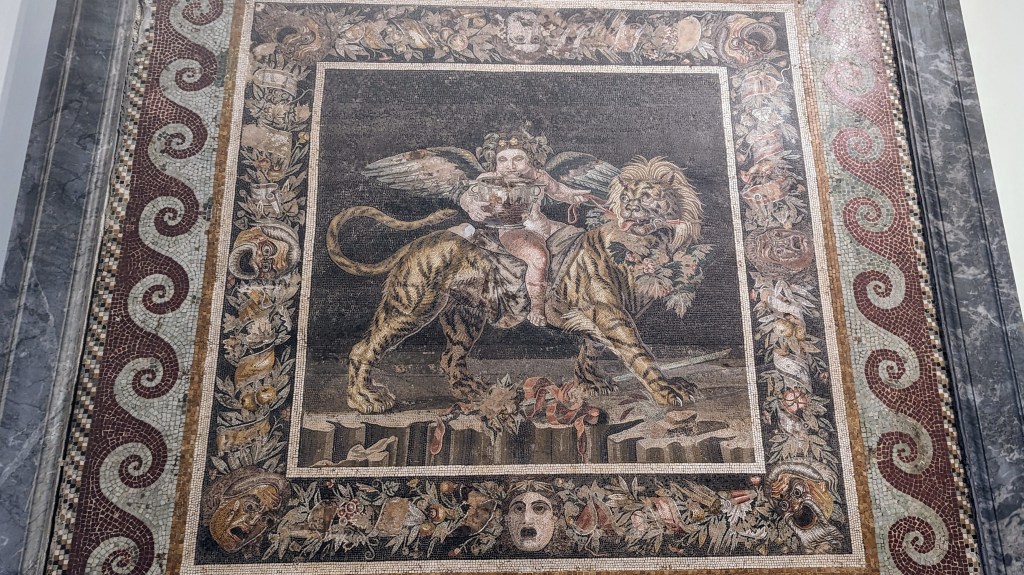
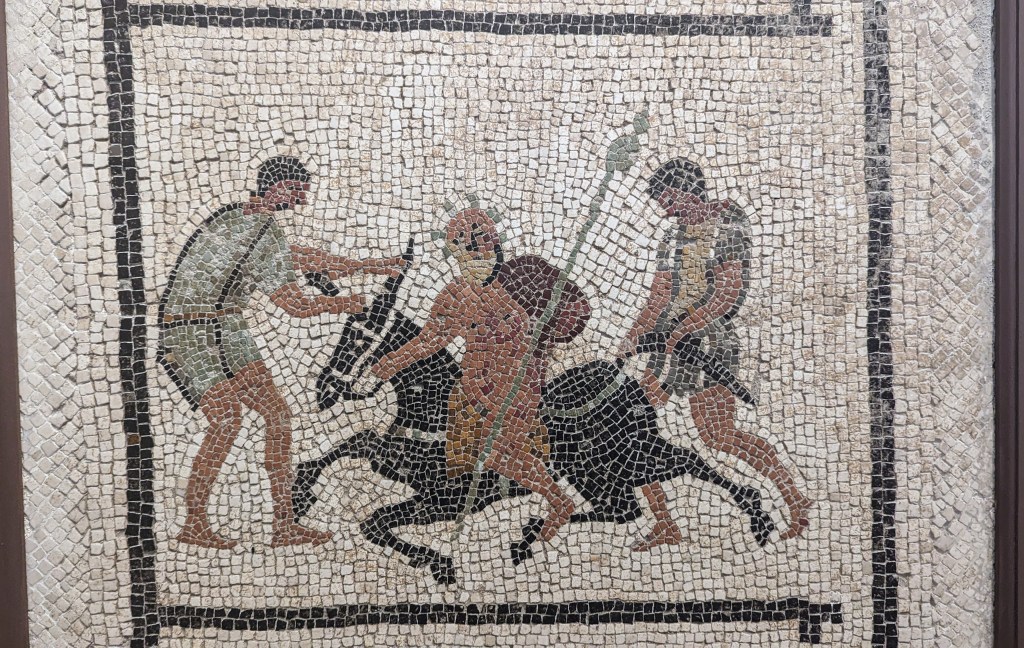
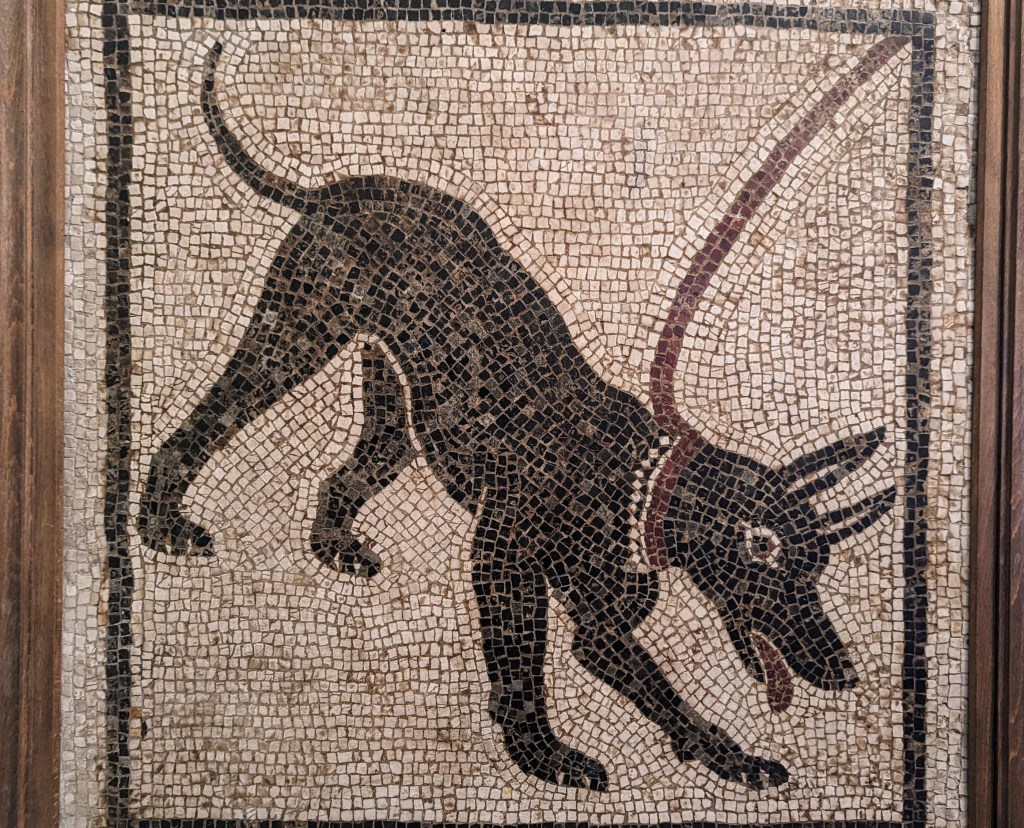
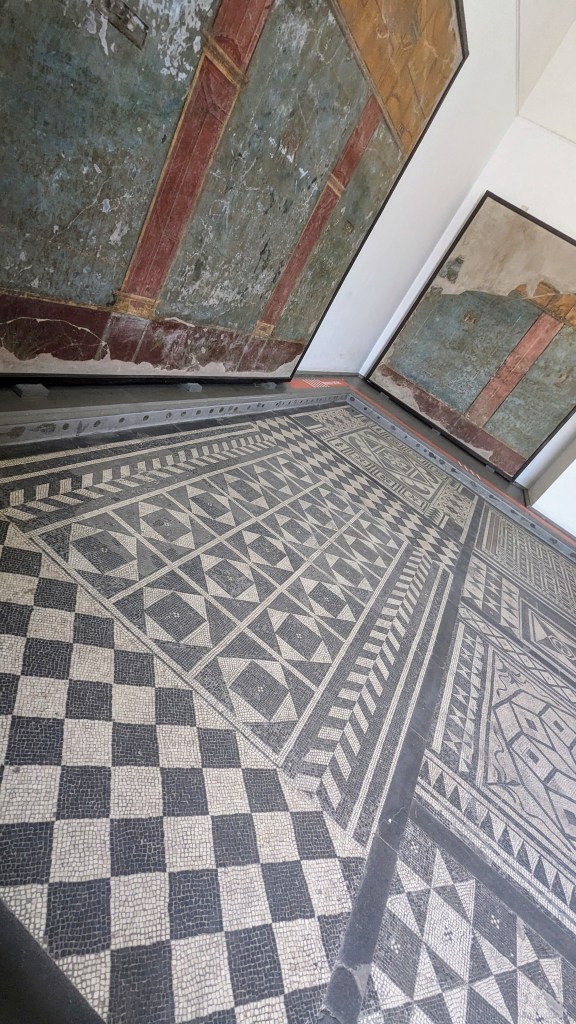
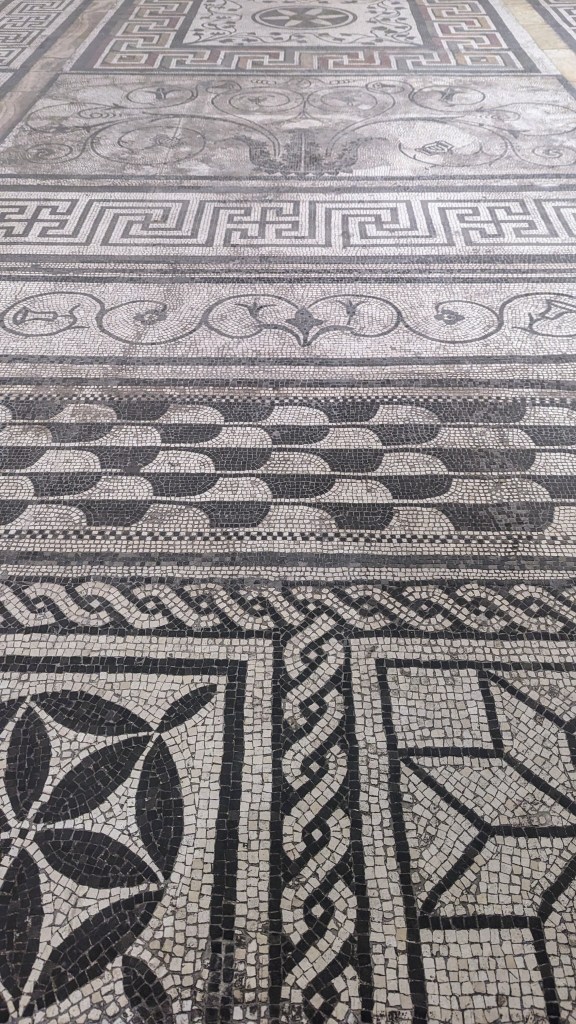
Decorations in nooks
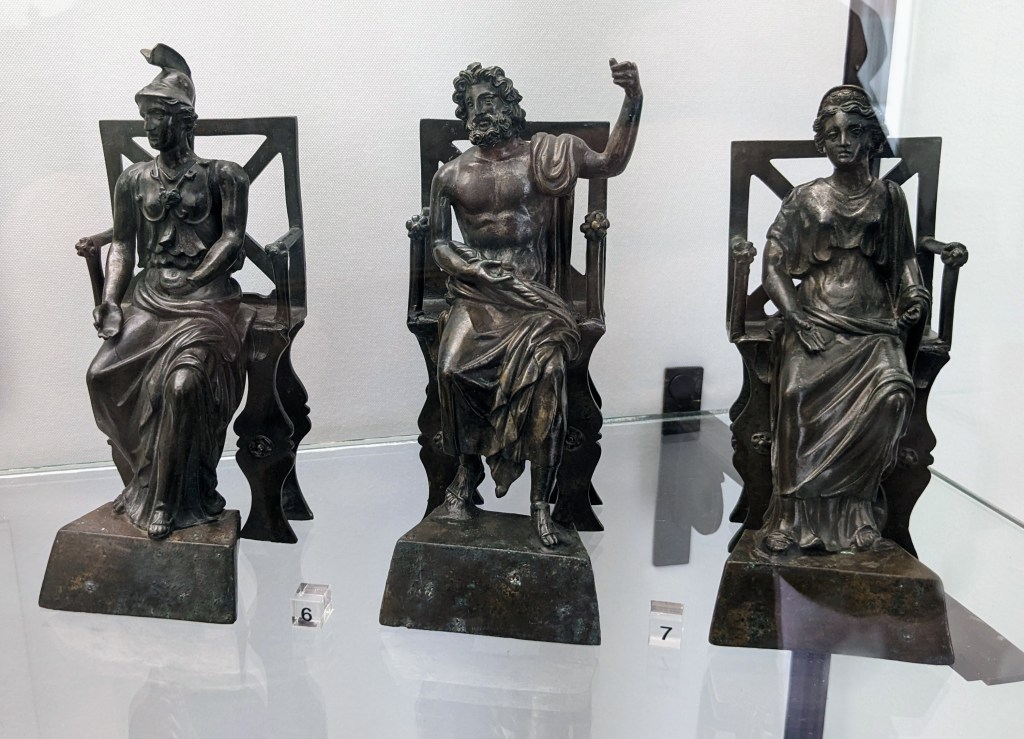

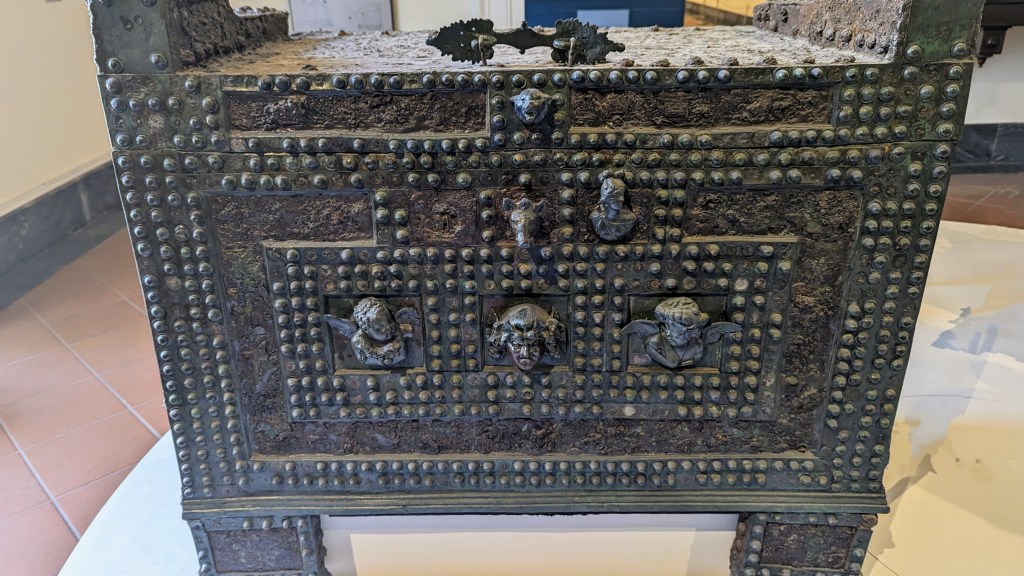
Entryway storage
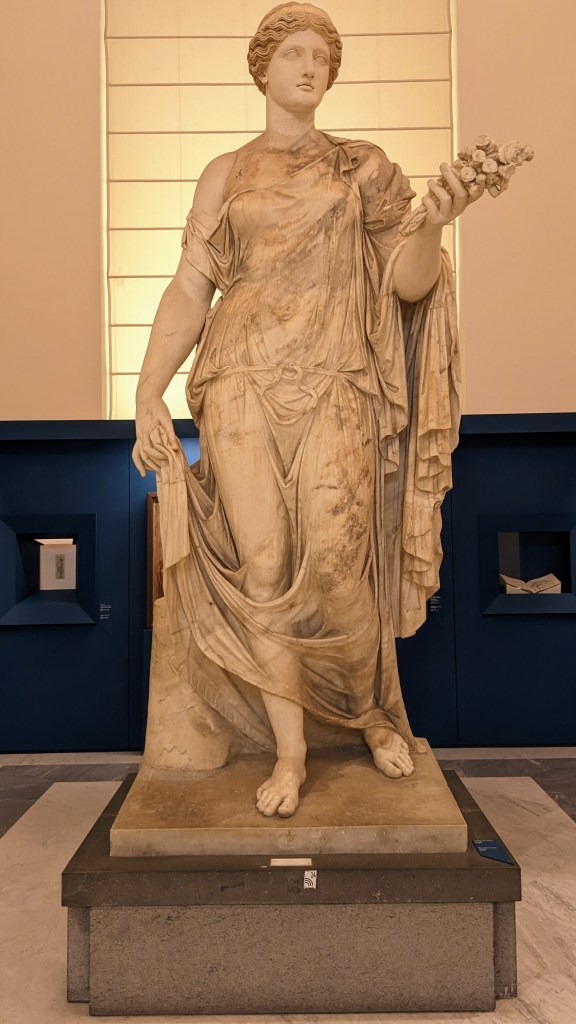
Temple Statues
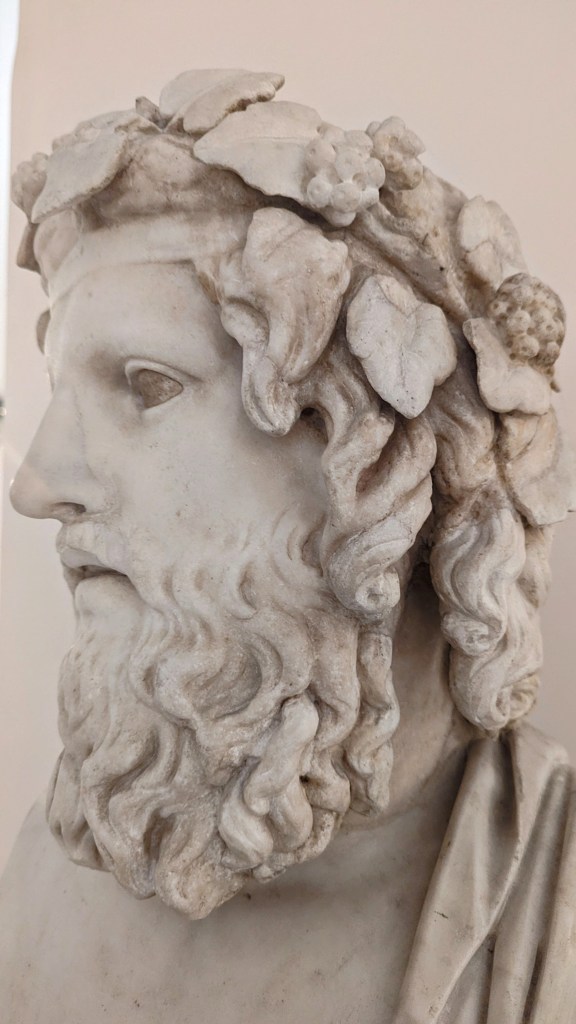
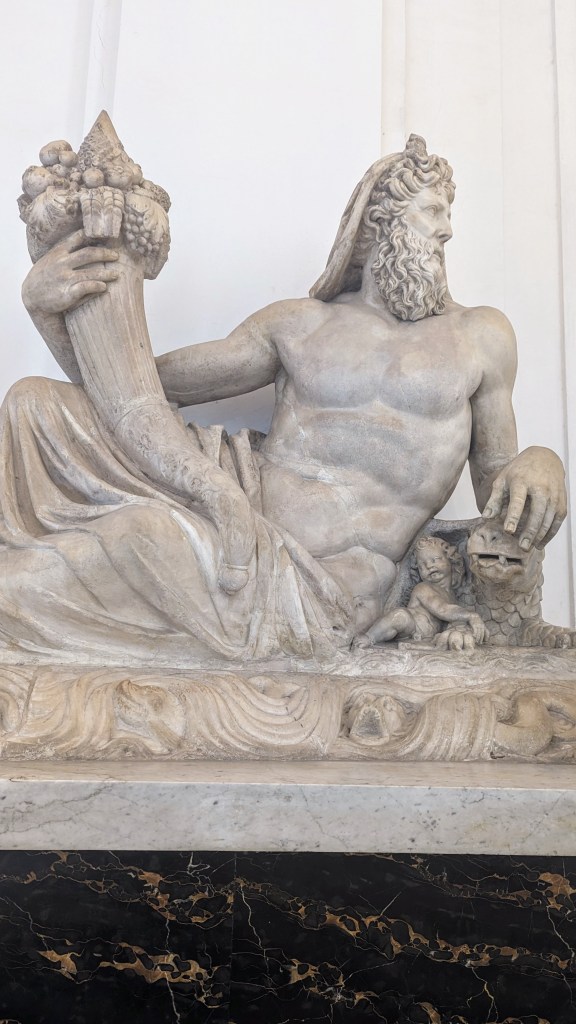
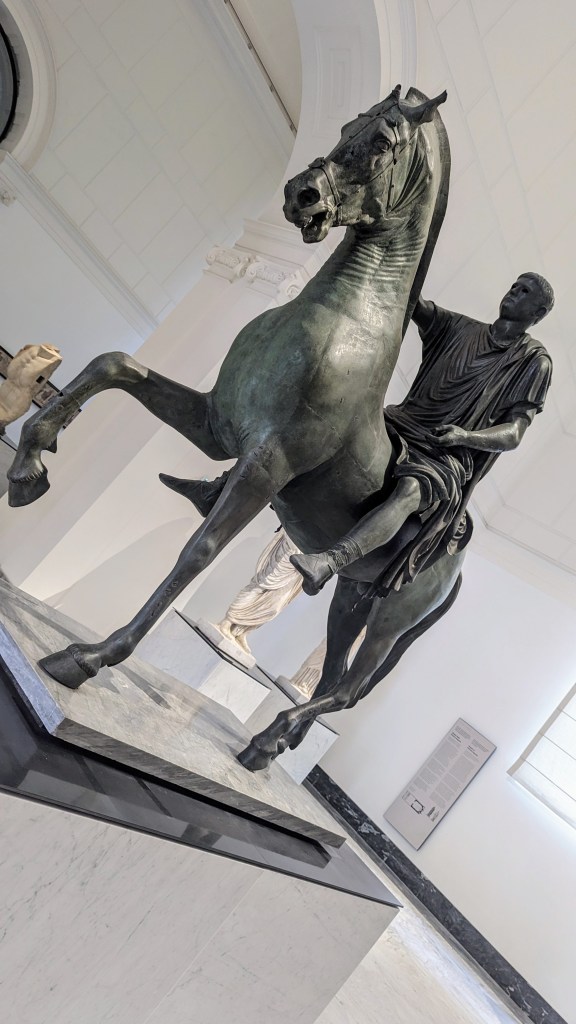
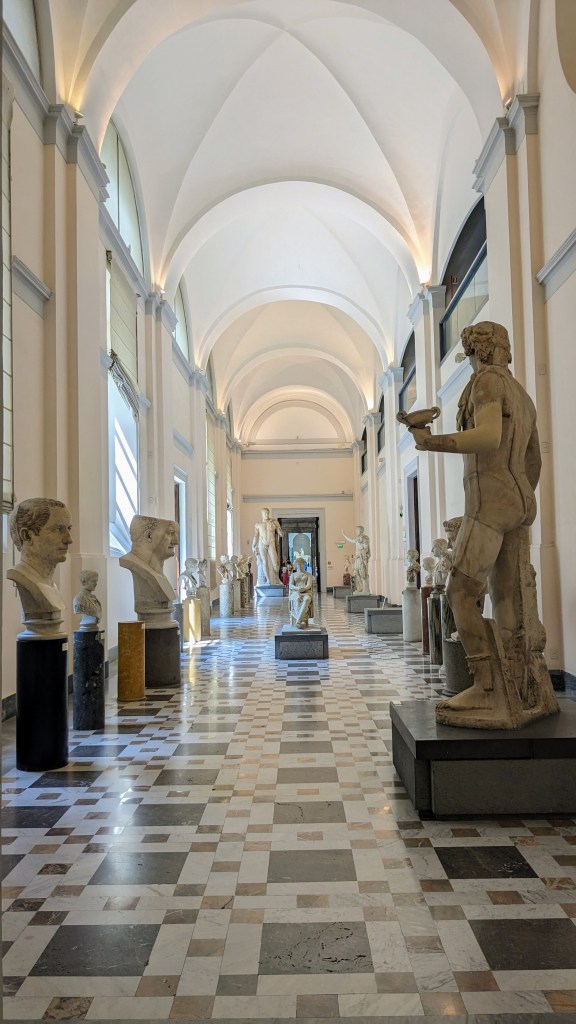
And the people that called it home
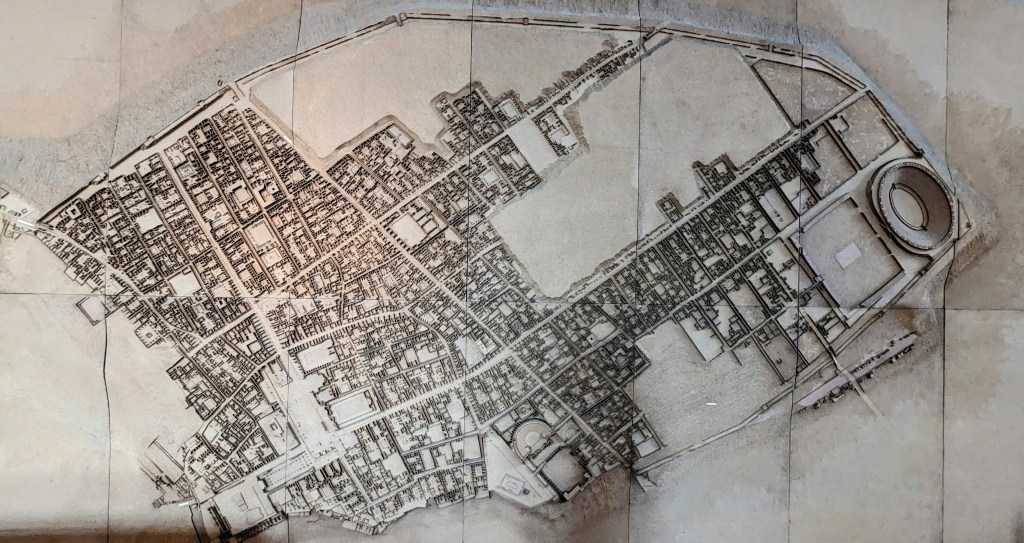
Toward the end of the exhibit, there was a scale model of the portion of Pompeii that we had actually walked through! 😁
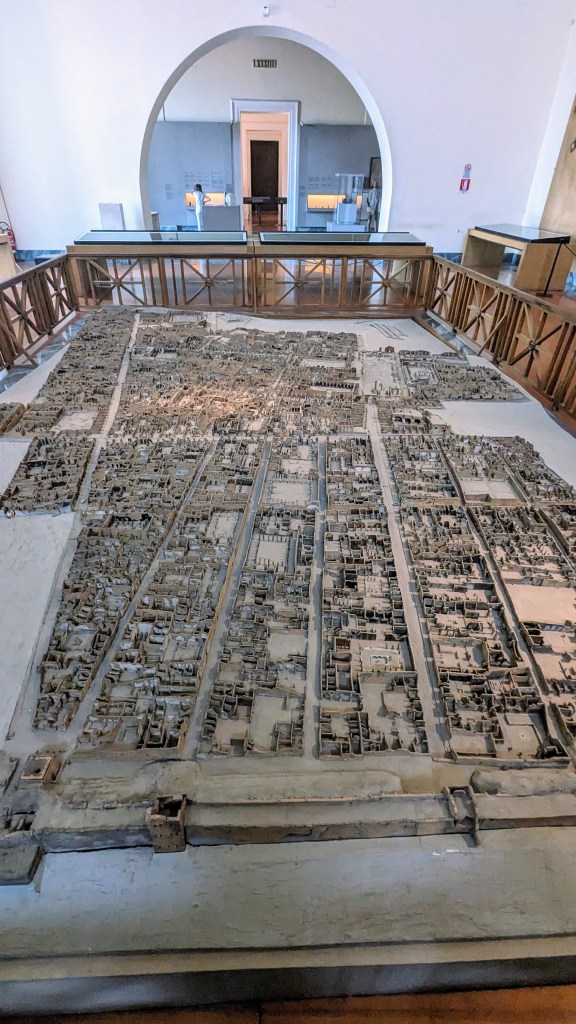
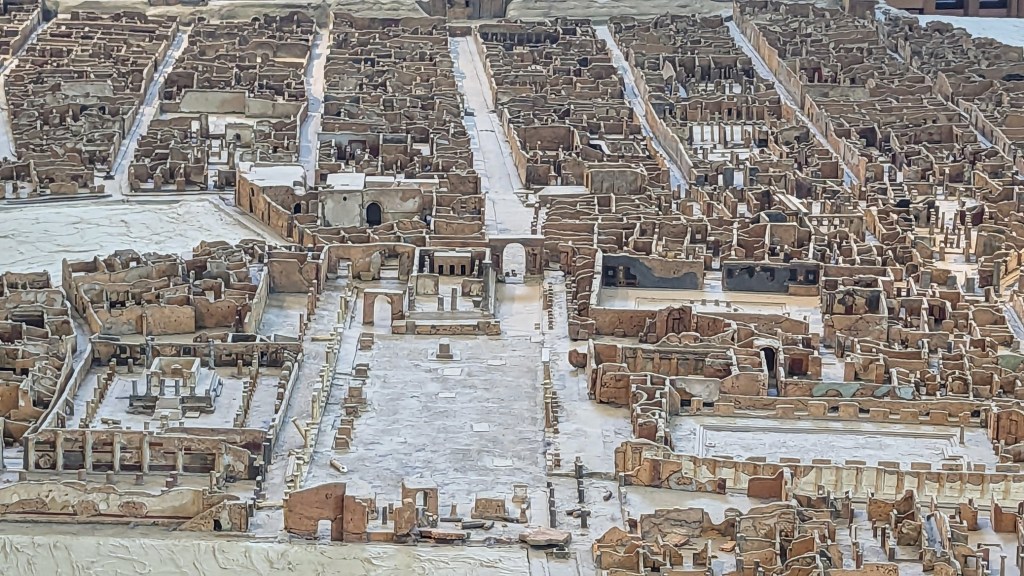

The detail was amazing! They even placed every documented painting on the walls where they had been found.
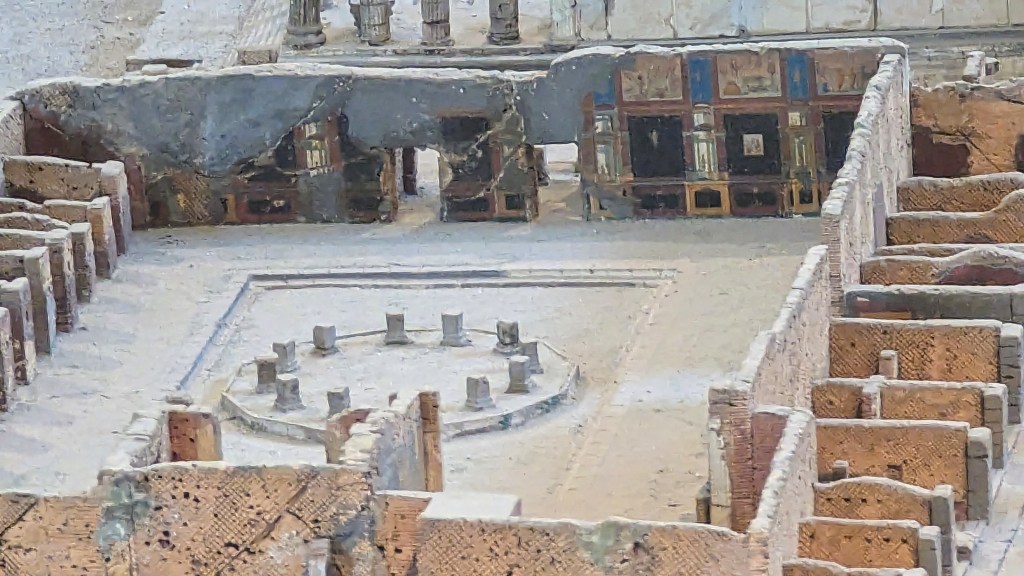
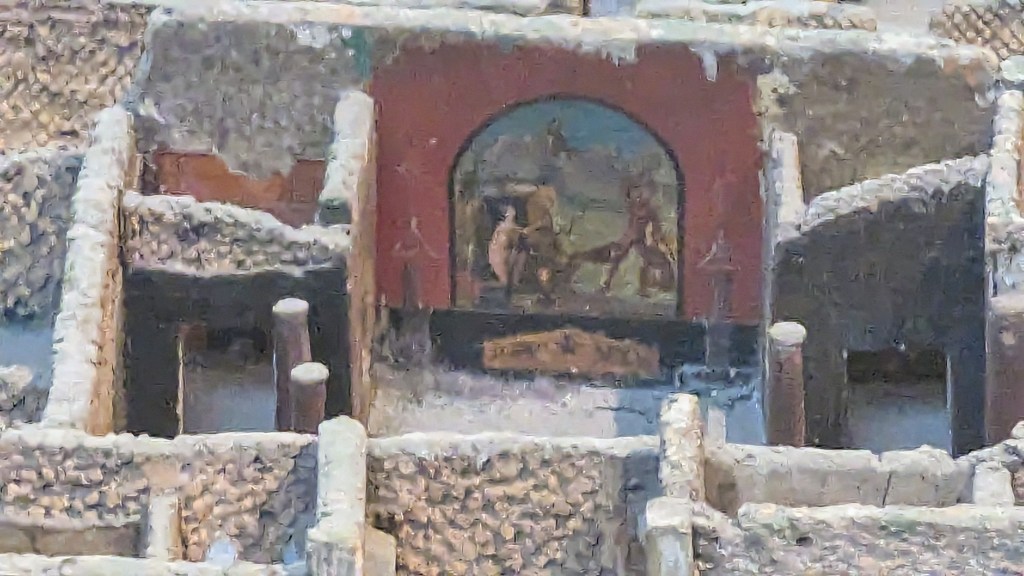
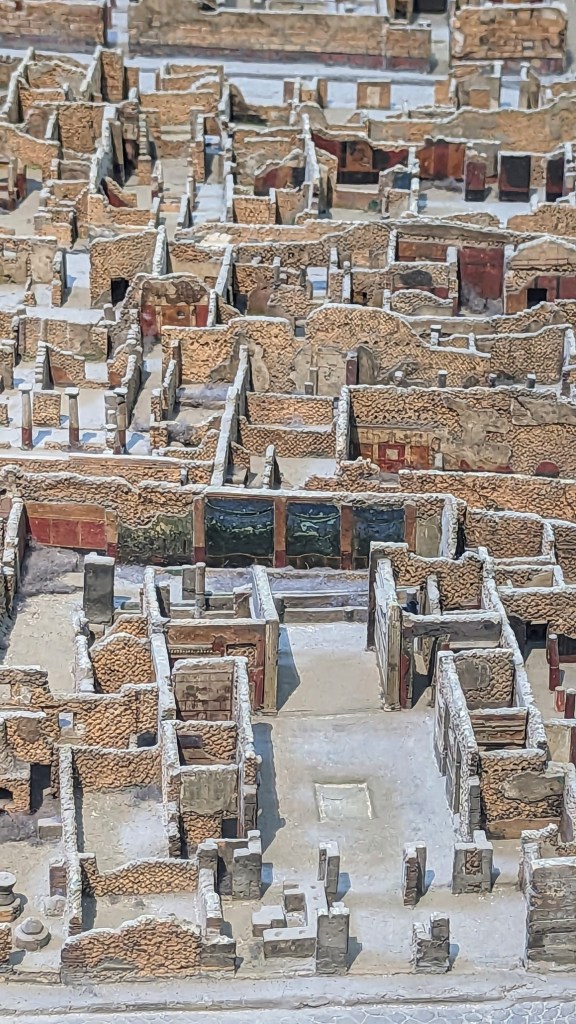
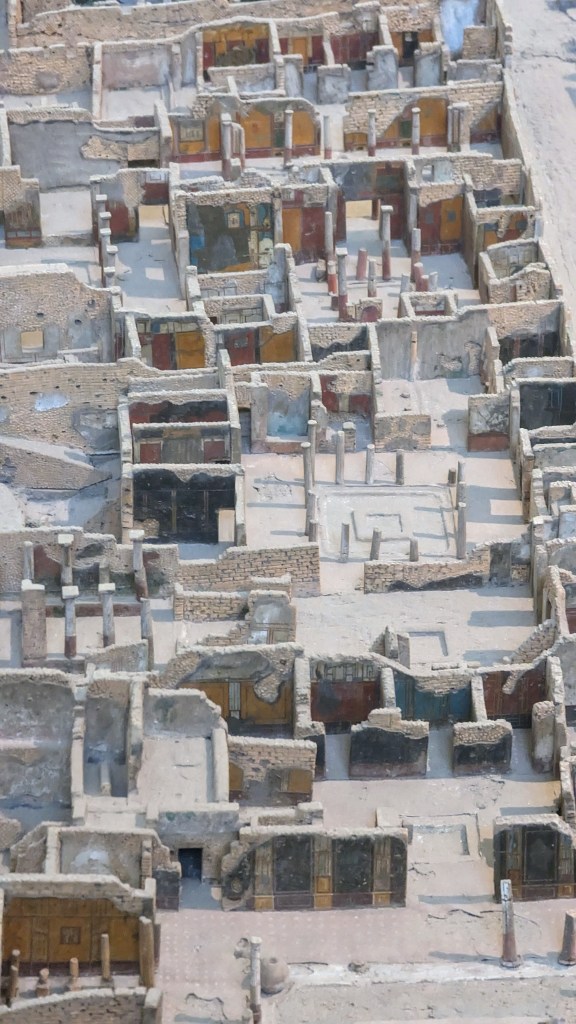
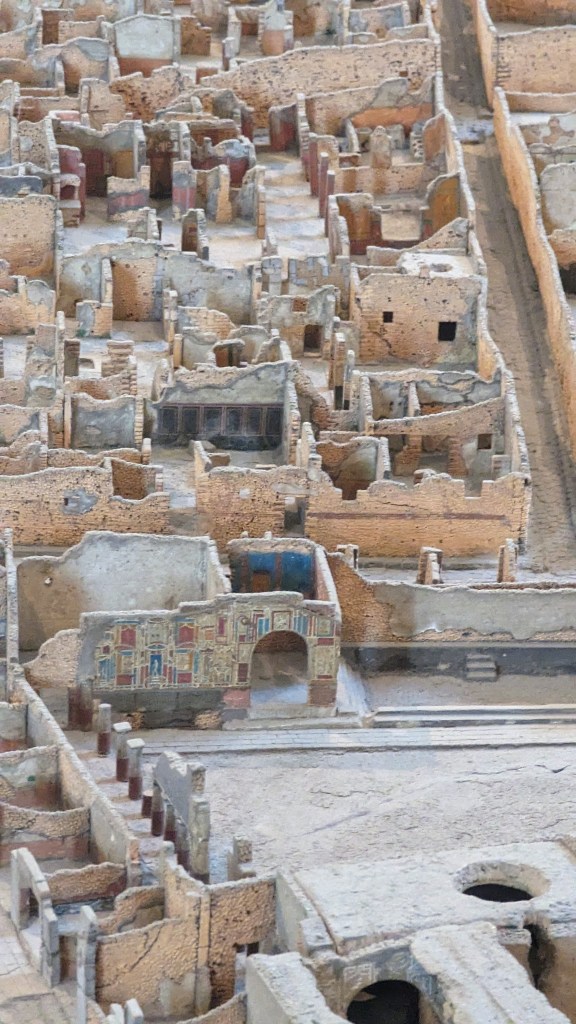

So, I guess it is not impossible to capture the size and scope of Pompeii in pictures after all! 😜
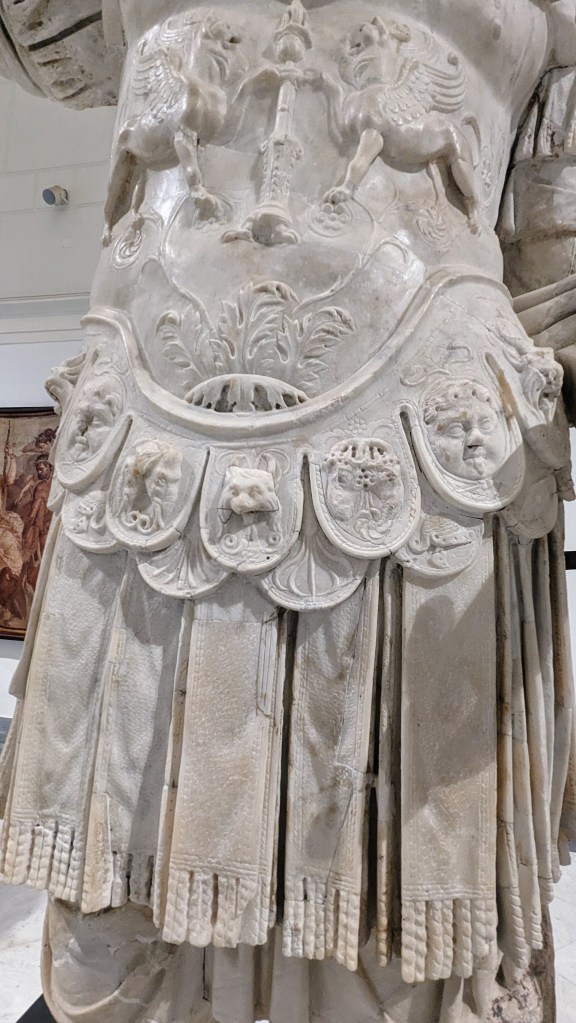
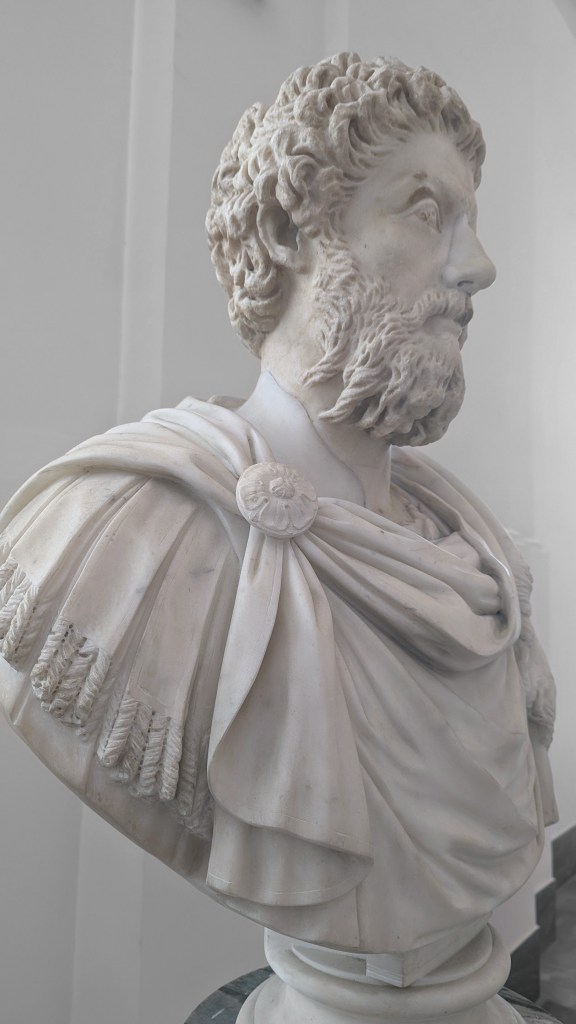
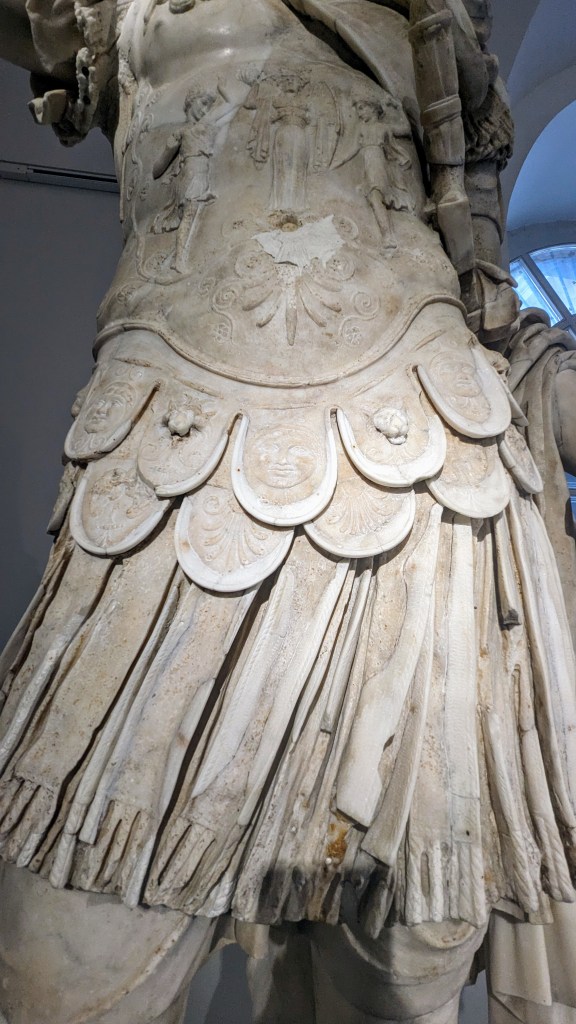
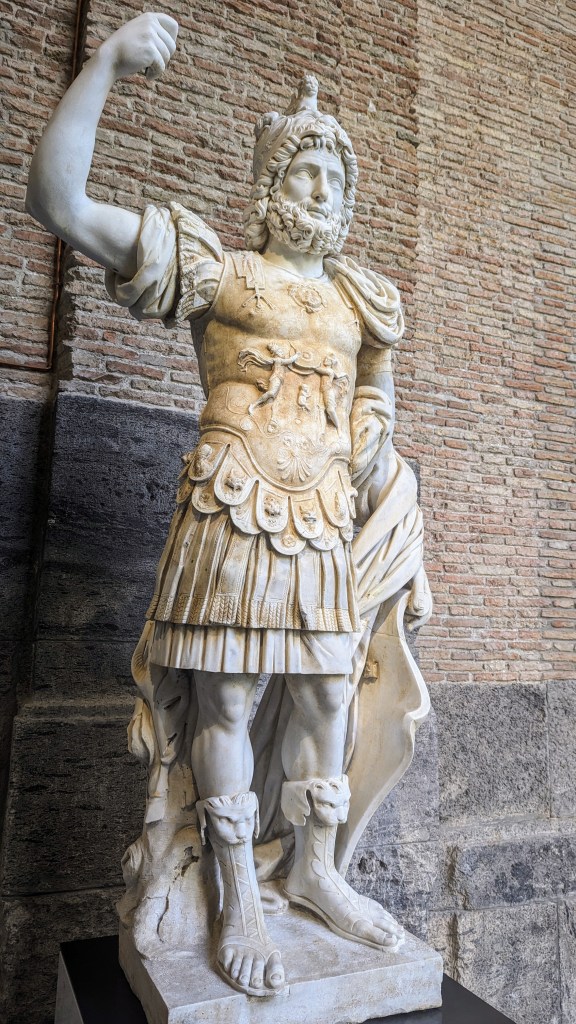
I ended the day taking photos of parts of the statues because of the detail they showed. These are CARVED into marble, yet the level of detailing and the implied movement is fantastic! It was a great way to end our visit to this part of the world. Tomorrow, we travel for over 24 hours as we move to our next country!



 Designs by Rhia
Leave a comment